Your Notifications
All done, no notifications

Minimally Invasive Knee Replacement Surgery Cost in Usak

USD 7500 - USD 13500

Affordable World-class Treatment - Accredited Hospitals - Free Treatment Plan in 24 Hrs

3
Days in Hospital
1-2 hrs
Procedure Time
90 - 95%
Success Rate
Minimally Invasive Knee Replacement Surgery
JCI/ISO 100,000+ Patients 24X7 Coordinator Visa & Travel handled
Your all-in-one medical travel platform for treatment, recovery & care.


Get Your Personalised Treatment Plan in Just 24 Hours.

Share your details to receive a personalised treatment plan, estimated costs, hospital recommendations, and expert guidance, “completely free.”

Required | alphabets and spaces
Required | A valid, working email address
Required | A valid contact
Connect with an Expert

Your information is protected with HIPAA-compliant security standards. We only share your details with hospitals after your consent.

Estimated Treatment Cost
USD 7500 - USD 13500
All-inclusive • Hospital + Medications + Recovery Assistance + Dedicated Care Coordinator

International Quality. Affordable Care.

Cost of Minimally Invasive Knee Replacement Surgery in Major cities of Turkey

CityMinimum Cost (USD)Minimum Cost (TRY)Maximum Cost (USD)Maximum Cost (TRY)
AnkaraUSD 7500292950USD 13500527310
AntalyaUSD 7500292950USD 13500527310
BursaUSD 7500292950USD 13500527310
CanakkaleUSD 6750263655USD 12150474579
ElazigUSD 6750263655USD 12150474579
FethiyeUSD 6750263655USD 12150474579
IstanbulUSD 7500292950USD 13500527310
IzmirUSD 7500292950USD 13500527310
KocaeliUSD 7500292950USD 13500527310
KonyaUSD 7500292950USD 13500527310
OrduUSD 7500292950USD 13500527310
SakaryaUSD 7500292950USD 13500527310
SamsunUSD 7500292950USD 13500527310
SivasUSD 6750263655USD 12150474579
TokatUSD 6750263655USD 12150474579
TrabzonUSD 6750263655USD 12150474579
UsakUSD 6750263655USD 12150474579
ZonguldakUSD 6750263655USD 12150474579

Cost of Minimally Invasive Knee Replacement Surgery in Major Cities of Turkey

City Cost (USD)
Ankara $7,500 – $13,500 Explore More
Antalya $7,500 – $13,500 Explore More
Bursa $7,500 – $13,500 Explore More
Canakkale $6,750 – $12,150 Explore More
Elazig $6,750 – $12,150 Explore More
Fethiye $6,750 – $12,150 Explore More
Istanbul $7,500 – $13,500 Explore More
Izmir $7,500 – $13,500 Explore More
Kocaeli $7,500 – $13,500 Explore More
Konya $7,500 – $13,500 Explore More
Ordu $7,500 – $13,500 Explore More
Sakarya $7,500 – $13,500 Explore More
Samsun $7,500 – $13,500 Explore More
Sivas $6,750 – $12,150 Explore More
Tokat $6,750 – $12,150 Explore More
Trabzon $6,750 – $12,150 Explore More
Usak $6,750 – $12,150 Explore More
Zonguldak $6,750 – $12,150 Explore More

Find the Right Destination for Your Minimally Invasive Knee Replacement Surgery Journey

Dr. Vishwas Kaushik
Author

MBBS, MD

7 Years of Experience

Last Reviewed - June 2026

Dr. Vishwas Kaushik is a qualified medical professional holding an MBBS from the prestigious Belgorod State University, Russia, with a strong foundation in clinical medicine and healthcare practice. His comprehensive medical training has equipped him with a profound understanding of evidence-based clinical practices, patient-centered care, and the evolving landscape of modern medicine. With a keen interest in medical research and scientific communication, he consistently translates complex clinical concepts into clear, accurate, and accessible content for diverse audiences. His work reflects a deep commitment to advancing medical knowledge, delivering impactful healthcare insights, and bridging the gap between clinical expertise and accessible medical communication.
View More
Dr. Manoj Miglani
Reviewer

Orthopedic Surgeon

22 Years of Experience

Last Reviewed - June 2026

Known for his soft-spoken nature, Dr. Manon Miglani had completed his MBBS from Maulana Azad Medical College and MS (Ortho) for All India Institute of Medical Sciences. Dr. Miglani was awarded AO spine fellowship from Queen’s Medical Center, Nottingham and he also received Stryker fellowship in Arthroplasty from Indraprastha Apollo Hospital. Dr. Manon Miglani has provided his expert services to various hospitals of Delhi and NCR including AIIMS, Indraprastha Apollo, Jaipur Golden hospital, and Artemis hospital Presently, Dr. Manon is the additional director of Fortis, Vasant Kunj and senior consultant at Fortis, Shalimar Bagh.
View More

Need Help Choosing the Right Treatment? Talk to a Medical Advisor

Our dedicated Medical Patient Advisors are here to answer your questions, help you compare treatment options, estimate costs, and guide you through every step of your healthcare journey.

15 min
Average response time

Serving Patients Worldwide in Multiple Languages.

Invasive Knee Replacement Surgery begins with the patient receiving anaesthesia to ensure they are comfortable and free of pain during the procedure. A larger incision, typically 6-8 inches long, is made to access the knee joint. The surgeon removes the damaged bone and cartilage, including parts of the femur, tibia, and sometimes the patella. Artificial joint components, often made of metal, plastic, or ceramic, are inserted to replace the damaged areas. After the new components are in place, the incision is closed. The patient is monitored throughout recovery, and physical therapy is initiated soon after to help regain mobility and strength in the knee.

Minimally invasive knee replacement helps alleviate chronic knee pain, stiffness, and reduced mobility caused by osteoarthritis or other forms of arthritis. If non-surgical treatments like medication, injections, or physical therapy do not work, this surgery can provide relief. It replaces the damaged knee joint with an artificial implant. This approach minimises damage to soft tissues and speeds up recovery.

You should see a doctor if knee pain disrupts your sleep or daily activities such as walking, climbing stairs, or standing. Swelling, instability, and decreased range of motion are also warning signs. If you often rely on painkillers or your quality of life suffers, it may be time to look into surgical options. Early diagnosis can lead to better treatment outcomes.

Preparation involves a comprehensive medical evaluation, blood tests, X-rays, and, in some cases, MRIs. Your doctor may ask you to modify or stop certain medications before the surgery. You might also participate in a short course of pre-surgery exercises to strengthen your leg muscles. Your care team will explain anesthesia options and post-op care instructions beforehand.

This surgery is typically performed through a smaller incision, measuring approximately 4 to 6 inches, compared to traditional surgery. The surgeon uses special tools to remove the damaged cartilage and bone. An artificial implant is then placed precisely with minimal muscle cutting. The incision is closed with sutures or staples, often under regional or general anesthesia.

The actual surgery typically lasts between 1 and 2 hours. Most patients stay in the hospital for 1 to 3 days. You may begin walking with support on the same or the next day. With physical therapy, recovery generally progresses steadily over 6 to 8 weeks.

  • Blood clots in the legs (DVT) or lungs (PE)
  • Infection at the surgical site
  • Implant loosening or misalignment
  • Nerve damage or stiffness
  • Complications from anesthesia

  • Smaller incision and less scarring
  • Less pain and quicker healing
  • Shorter hospital stays and early mobilisation
  • Lower blood loss during surgery
  • Higher patient satisfaction in the early recovery phase

Recovery is usually quicker than with traditional surgery. Patients can start walking within 24 to 48 hours using assistive devices. Physical therapy begins early to restore strength and range of motion in the joint. Most patients can return to daily activities within 4 to 6 weeks. Full recovery may take 3 to 4 months, depending on fitness and commitment to rehabilitation.

Minimally invasive knee replacement has a high success rate, between 90% and 95%. Most patients report significant pain relief and an improvement in mobility. The prosthetic joint can last 15 to 20 years with proper care and activity moderation. Outcomes are excellent when the procedure is performed by experienced surgeons using high-quality implants.

90-95%

Significant pain relief

3-4 days

Typical recovery period

6-12months

Typical rehabilitation and recovery period depending on treatment approach
Explore Hospitals ( 1 )

Usak, Turkey

106+ Beds · 201+ Procedures
JCI
Starting
USD 9000

Get Your Minimally Invasive Knee Replacement Surgery
Plan in 24 hrs.

Our experienced Medical Patient Advisors have supported 100,000+ patients across 120+ countries with personalised treatment plans, hospital recommendations, cost estimates, and travel assistance, all free.

HIPAA-Compliant Data SecurityShared Only with Your Consent

Free Consultation No Obligation Personalized Treatment Plan Response Within 24 Hours

Required | alphabets and spaces
Required | A valid, working email address
Required | A valid contact

Your medical info is kept HIPAA-style confidential. We never share with hospitals without your consent.

Process Involved for Minimally Invasive Knee Replacement Surgery in Usak

Treatment Stages for Minimally Invasive Knee Replacement Surgery are:-

  • Preoperative Evaluation: The process begins with a detailed medical assessment, imaging tests (like X-rays or MRI), and a review of your health history to determine surgical suitability.
  • Patient Preparation: Includes medical optimisation (e.g., controlling blood sugar or blood pressure), pre-surgery physiotherapy, and guidance on what to expect during and after the operation.
  • Surgical Procedure: The surgeon makes a smaller incision to remove the knee joint's damaged parts and replace them with artificial components, using precision instruments to reduce tissue damage.
  • Immediate Postoperative Care: Patients are monitored for pain, bleeding, and any signs of complications, and typically begin moving the knee within 24–48 hours after surgery.
  • Rehabilitation and Recovery: Physiotherapy is essential for restoring strength, flexibility, and joint movement. It often begins in the hospital and continues at home or outpatient care.
  • Follow-Up and Long-Term Monitoring: Regular follow-ups help track recovery progress, ensure proper joint function, and address any concerns related to mobility or implant performance.

Minimally Invasive Knee Replacement Surgery can address several hip issues, including:

  • Osteoarthritis is the most common cause of knee damage, leading to joint pain, stiffness, and reduced mobility.
  • Rheumatoid arthritis is an autoimmune condition that causes inflammation and progressive joint damage.
  • Post-traumatic arthritis – joint degeneration resulting from previous knee injuries such as fractures or ligament tears.
  • Avascular necrosis reduces blood supply to the knee bone, leading to bone tissue breakdown.
  • Knee deformities – conditions like bow legs or knock knees that impair joint alignment and function.

.

  • Initial Consultation: The surgeon evaluates your health, discusses your symptoms, and conducts imaging tests to assess the severity of knee damage.
  • Preparation for Surgery: Instructions will be given regarding preoperative steps, such as fasting, stopping certain medications, and exercises to optimise joint function.
  • Anaesthesia: general or regional Anaesthesia is administered to keep you comfortable and pain-free during the surgery.
  • Surgical Procedure: A small incision is made to access the knee, where damaged cartilage and bone are removed, and a prosthetic joint is implanted using advanced techniques.
  • Recovery and Monitoring: After surgery, you’ll be monitored for complications. You'll begin light movements within a day or two to promote circulation and prevent stiffness.
  • Rehabilitation: Physical therapy helps restore knee strength and movement, with exercises designed to improve flexibility and mobility over time.
  • Follow-Up Appointments: Regular check-ups ensure proper healing and implant positioning. X-rays may be taken to confirm the joint’s alignment.
  • Ongoing Care: Maintaining a healthy weight and engaging in low-impact physical activities will help sustain the knee implant’s function and longevity.
  • Arthroscopy
  • Incision
  • Arthroplasty
  • Resurfacing
  • Osteotomy
  • Reconstruction

Benefits of Minimally Invasive Knee Replacement Surgery include:

  • Smaller Incision: The procedure uses shorter cuts, which limit tissue damage around the knee.
  • Less Post-Operative Discomfort: Patients usually feel less pain after surgery due to minimal disruption of muscles and tendons.
  • Faster Healing and Recovery: Most individuals return to daily activities more quickly than with traditional methods.
  • Shorter Hospital Stay: Many patients can go home within a day or two, reducing the need for extended hospitalisation.
  • Lower Risk of Complications: Less trauma to surrounding tissues often reduces the chances of infection or blood loss.
  • Minimal Scarring: Since the incision is smaller, visible scarring is significantly reduced.
  • Earlier Return of Movement: Patients often regain mobility and joint function faster, supporting quicker rehabilitation.
  • Decreased Blood Loss: The surgery tends to result in less bleeding, reducing the need for transfusions.
  • Enhanced Precision: Using modern instruments and imaging techniques helps ensure better alignment and function of the knee implant.

The following are the treating team members for Minimally Invasive Knee Replacement Surgery:

  • Orthopaedist
  • Orthopaedic Surgeon
  • Anaesthesiologist
  • Radiologist
  • Physiotherapist
  • Occupational Therapist
  • Rehabilitation Specialist
  • Nurse
  • Consultant
  • Fill out the inquiry form: Please complete the form to provide us with relevant information about your condition.
  • Consult with Our Healthcare Expert: One of our qualified specialists will contact you for a consultation.
  • Receive a Detailed Treatment Plan: After examining your situation, we will provide you with a detailed treatment plan that includes expert views and cost breakdowns for various choices.
  • Choose your preferred option: Choose the therapy option that best suits you.
  • Seamless Organisation: We will manage all the details, including visas, flights, accommodations, and transfers, for a stress-free journey.
Jenny Wilson
Your Dedicated Medical Patient Advisor
Treatment planning • Hospital coordination • Multilingual support • Response within 15 minutes.
Our Services to Better your Experience

Opinion & Option

We submit the most accurate opinion and options from one or more countries for your review

Consult Privately

Consult with a certified specialist privately on our telemedicine platform even before you decide to travel

Logistics

We handle flights, visas, transfers, and accommodation—so you can focus on your health.

Recovery

Our In-house rehabilitation service packages to better your recovery and treatment outcome

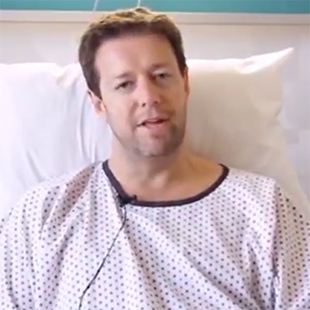
Patient Stories

Kevin Stewart
Kevin Stewart
Kevin Stewart: Slip Disc Treatment in UAE

Kevin Stewart from Scotland could barely walk straight due to a Slip Disc. He faced many discomforts for the past…

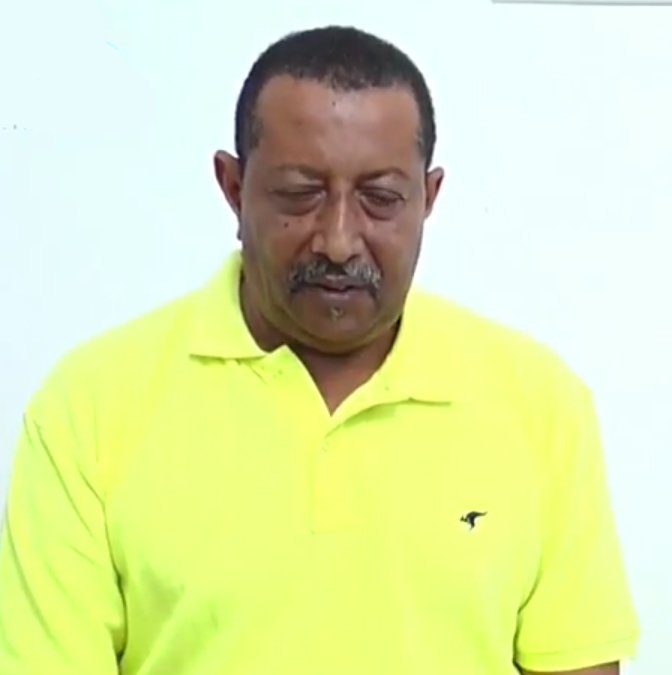
Mr.Mohamed Dumia
Mr.Mohamed Dumia
Mr.Mohamed Dumia: Knee Replacement

Mr. Muhammed Dumia was suffering from painful left Knee and was in considerable pain for the last 2 months. He…

Frequently Asked Questions

Factors that raise the risk of Minimally Invasive Knee Replacement Surgery:

  • Availability of MIKR procedures is limited outside major cities.
  • Obesity and existing health conditions can heighten the risk of infections or slower healing.
  • Delays in public healthcare may cause patients to undergo surgery in more advanced disease stages.
  • Some healthcare centres still rely on traditional techniques due to minimal exposure to newer surgical methods.

Generally, 85–90% of urban centres offer advanced surgical techniques, but the success rate can vary with postoperative care and rehabilitation practices.

Leading institutions like Memorial Sisli Hospital and Medicana Camlica (Istanbul) specialise in less invasive knee procedures. With expert surgeons and patient-centred care, international patients increasingly prefer Turkey.

The following are precautions of Minimally Invasive Knee Replacement Surgery:-

  • Avoid high-impact activities: Restraint.
  • Support network: Assistance
  • Regular follow-ups: Monitoring

Not Sure About Your Treatment Plan? Get a Free Second Opinion

Have your reports reviewed by independent oncology experts to help you make a confident treatment decision, all online within 48 hours.

Upload Your Reports
Free second opinion on your CAR-T plan