Your Notifications
All done, no notifications

Minimally Invasive Knee Replacement Surgery Cost in Egypt

USD 8000 - USD 14000

Affordable World-class Treatment - Accredited Hospitals - Free Treatment Plan in 24 Hrs

3
Days in Hospital
1-2 hrs
Procedure Time
90 - 95%
Success Rate
Minimally Invasive Knee Replacement Surgery
JCI/ISO 100,000+ Patients 24X7 Coordinator Visa & Travel handled
Your all-in-one medical travel platform for treatment, recovery & care.


Get Your Personalised Treatment Plan in Just 24 Hours.

Share your details to receive a personalised treatment plan, estimated costs, hospital recommendations, and expert guidance, “completely free.”

Required | alphabets and spaces
Required | A valid, working email address
Required | A valid contact
Connect with an Expert

Your information is protected with HIPAA-compliant security standards. We only share your details with hospitals after your consent.

Estimated Treatment Cost
USD 8000 - USD 14000
All-inclusive • Hospital + Medications + Recovery Assistance + Dedicated Care Coordinator

International Quality. Affordable Care.

What's included in your Minimally Invasive Knee Replacement Surgery quote?

Comprehensive tests and imaging
Digital X-ray, CT scan, MRI (selected cases), routine blood tests
Orthopedic specialist team
Pre-operative assessment, surgery, post-operative care
Hospital stay + ICU as needed
Pain management, mobility assessment, physiotherapy, post-operative monitoring
Country stay monitoring
X-rays, implant evaluation, gait assessment, rehabilitation guidance
Visa & medical-visa invite letter
Airport pickup & transfers

Cost of Minimally Invasive Knee Replacement Surgery in Major Cities of Egypt

CityCost (USD)
Alexandria Get Quote Explore More
Cairo Get Quote Explore More

Minimally Invasive Knee Replacement Surgery - Egypt Vs the World

$0 - $0
$7k - $10k
$7k - $13k
$8k - $14k
$10k - $18k
$11k - $18k
$14k - $24k
$16k - $24k
$16k - $28k
$16k - $28k
$16k - $28k
$20k - $35k
$35k - $75k
Fauzia Zeb Fatima
Author

M.Pharm

4 Years of Experience

Fauzia Zeb is a distinguished medical and scientific content writer with a robust academic foundation in pharmaceutical sciences, holding a B.Pharm and M.Pharm degree from prestigious institutions, including MIT and Jamia Hamdard University. Her comprehensive expertise in pharmacology, clinical sciences, and biomedical research enables her to translate complex medical and scientific concepts into precise, evidence-based content tailored for diverse audiences. Specializing in peer-reviewed articles, clinical blog posts, and research-driven publications, she demonstrates a consistent ability to bridge the gap between advanced medical science and accessible, audience-specific communication.
View More
Dr. Manoj Miglani
Reviewer

Orthopedic Surgeon

22 Years of Experience

Last Reviewed - June 2026

Known for his soft-spoken nature, Dr. Manon Miglani had completed his MBBS from Maulana Azad Medical College and MS (Ortho) for All India Institute of Medical Sciences. Dr. Miglani was awarded AO spine fellowship from Queen’s Medical Center, Nottingham and he also received Stryker fellowship in Arthroplasty from Indraprastha Apollo Hospital. Dr. Manon Miglani has provided his expert services to various hospitals of Delhi and NCR including AIIMS, Indraprastha Apollo, Jaipur Golden hospital, and Artemis hospital Presently, Dr. Manon is the additional director of Fortis, Vasant Kunj and senior consultant at Fortis, Shalimar Bagh.
View More

Need Help Choosing the Right Treatment? Talk to a Medical Advisor

Our dedicated Medical Patient Advisors are here to answer your questions, help you compare treatment options, estimate costs, and guide you through every step of your healthcare journey.

15 min
Average response time

Serving Patients Worldwide in Multiple Languages.

Invasive Knee Replacement Surgery begins with the patient receiving anaesthesia to ensure they are comfortable and free of pain during the procedure. A larger incision, typically 6-8 inches long, is made to access the knee joint. The surgeon removes the damaged bone and cartilage, including parts of the femur, tibia, and sometimes the patella. Artificial joint components, often made of metal, plastic, or ceramic, are inserted to replace the damaged areas. After the new components are in place, the incision is closed. The patient is monitored throughout recovery, and physical therapy is initiated soon after to help regain mobility and strength in the knee.

Explore Hospitals ( 2 )

Cairo, Egypt

3000+ Beds · 185+ Procedures
JCI
Starting
USD 8000

Alexandria, Egypt

3000+ Beds · 185+ Procedures
JCI
Starting
USD 8000

Get Your Minimally Invasive Knee Replacement Surgery
Plan in 24 hrs.

Our experienced Medical Patient Advisors have supported 100,000+ patients across 120+ countries with personalised treatment plans, hospital recommendations, cost estimates, and travel assistance, all free.

HIPAA-Compliant Data SecurityShared Only with Your Consent

Free Consultation No Obligation Personalized Treatment Plan Response Within 24 Hours

Required | alphabets and spaces
Required | A valid, working email address
Required | A valid contact

Your medical info is kept HIPAA-style confidential. We never share with hospitals without your consent.

Jenny Wilson
Your Dedicated Medical Patient Advisor
Treatment planning • Hospital coordination • Multilingual support • Response within 15 minutes.
Our Services to Better your Experience

Opinion & Option

We submit the most accurate opinion and options from one or more countries for your review

Consult Privately

Consult with a certified specialist privately on our telemedicine platform even before you decide to travel

Logistics

We handle flights, visas, transfers, and accommodation—so you can focus on your health.

Recovery

Our In-house rehabilitation service packages to better your recovery and treatment outcome

Patient Stories

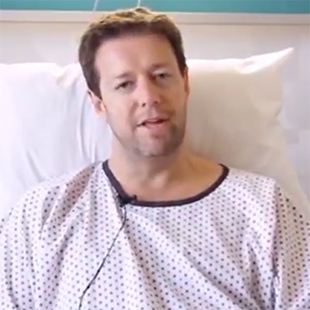
Kevin Stewart
Kevin Stewart
Kevin Stewart: Slip Disc Treatment in UAE

Kevin Stewart from Scotland could barely walk straight due to a Slip Disc. He faced many discomforts for the past…

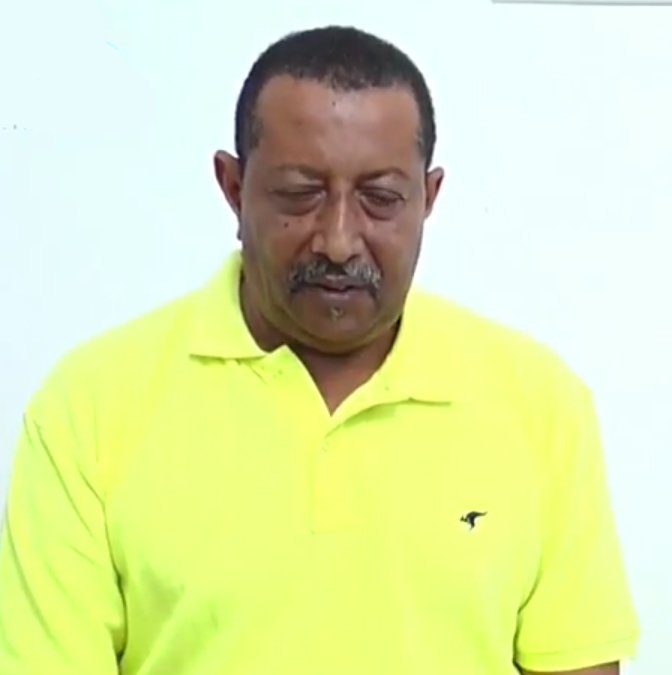
Mr.Mohamed Dumia
Mr.Mohamed Dumia
Mr.Mohamed Dumia: Knee Replacement

Mr. Muhammed Dumia was suffering from painful left Knee and was in considerable pain for the last 2 months. He…

Frequently Asked Questions

The cost of minimally invasive knee replacement surgery in Egypt may vary depending on the underlying knee condition, severity of joint damage, surgical approach, type of knee implant, surgeon and hospital fees, anaesthesia, diagnostic investigations, and duration of hospitalisation. The total cost may include pre-operative consultation and imaging, surgery, knee implant and fixation components, anaesthesia, hospitalisation, medications, post-operative monitoring, rehabilitation, and follow-up care.MediGence can help international patients compare suitable hospitals and obtain an estimated treatment plan based on their medical requirements.

The best hospitals for minimally invasive knee replacement surgery in Egypt are those with experienced orthopaedic and joint replacement surgeons, specialised knee surgery departments, advanced imaging facilities, modern operating rooms, and comprehensive rehabilitation services. International patients should consider hospitals with expertise in minimally invasive knee surgery, primary and complex knee replacement, modern implant systems, and enhanced post-operative rehabilitation.

Patients should choose a qualified orthopaedic surgeon with experience in minimally invasive knee replacement and management of complex knee conditions. Important factors include the surgeon's qualifications, clinical experience, expertise in similar cases, experience with the specific minimally invasive approach being considered, familiarity with different knee implant systems, hospital affiliation, and ability to explain the expected benefits, risks, and alternative treatment options.The surgeon should also assess the patient's knee condition, degree of joint damage, alignment, bone quality, mobility, previous surgeries, and overall health before determining whether a minimally invasive approach is appropriate.

Minimally invasive knee replacement surgery can provide favourable outcomes in appropriately selected patients, including pain relief, improved knee function, and increased mobility. Outcomes depend on the patient's age, underlying knee condition, severity of joint damage, surgical approach, implant selection, surgeon experience, rehabilitation, and overall health.Treatment outcomes are generally assessed based on pain reduction, improvement in knee function and mobility, implant stability, return to daily activities, and long-term implant survival rather than by a single success rate.

Hospitals in Egypt may use advanced X-rays, CT scans, MRI, digital surgical planning, computer-assisted navigation, and other imaging technologies to assess the knee and support surgical planning. Depending on the hospital and patient's requirements, specialised instruments and minimally invasive surgical systems may be used to limit soft-tissue disruption.Minimally invasive knee replacement involves removing damaged joint surfaces and replacing them with artificial components through a smaller surgical approach than conventional knee replacement. Depending on the patient's condition, partial knee replacement or total knee replacement may be considered.Some hospitals may also use robotic-assisted or computer-navigated knee replacement systems to support implant positioning and alignment. The appropriate technology and surgical approach depend on the patient's anatomy, extent of joint damage, ligament condition, bone quality, and individual treatment requirements.

Although minimally invasive knee replacement surgery is generally performed safely by experienced orthopaedic surgeons, possible risks and complications may include:
  • Infection or bleeding
  • Blood clots or deep vein thrombosis
  • Knee stiffness or reduced range of motion
  • Persistent knee pain
  • Nerve or blood-vessel injury
  • Implant loosening, wear, or displacement
  • Fracture around the implant
  • Instability or alignment problems
  • Wound-healing complications
  • Anaesthesia-related complications
  • Need for manipulation or revision knee replacement
  • The specific risk profile depends on the patient's anatomy, underlying knee condition, surgical approach, implant type, bone quality, and overall health.

    Before travelling, patients should undergo a detailed evaluation by an orthopaedic or knee replacement surgeon and share relevant medical records and knee imaging with the treating hospital. These may include standing X-rays of the knee and lower limb, CT or MRI scans when indicated, previous treatment records, and orthopaedic consultation reports.Patients should provide details of current medications, previous knee or other orthopaedic procedures, allergies, existing medical conditions, and the duration and severity of knee pain or mobility limitations. The treating surgeon may recommend additional investigations to assess bone quality, joint damage, alignment, general health, and suitability for minimally invasive knee replacement.

    Yes. International patients can schedule an online consultation with an orthopaedic or joint replacement surgeon before travelling to Egypt. The specialist may review symptoms, knee imaging, previous treatments, medical history, mobility limitations, and overall health to determine whether minimally invasive knee replacement may be appropriate.The specialist can also discuss the proposed surgical approach, implant options, robotic or navigation-assisted techniques when available, expected outcomes, potential complications, hospitalisation, rehabilitation, and alternative treatment options.MediGence can help patients coordinate online consultations and share relevant medical reports and imaging with suitable orthopaedic specialists.

    International patients should carry a valid passport and all relevant medical documents, including:
  • Standing X-rays of the knee and lower limb
  • CT or MRI scans and reports, when available
  • Orthopaedic and joint replacement consultation records
  • Previous knee surgery and treatment records
  • Blood test and pre-operative investigation reports
  • Current prescriptions and medication details
  • Allergy and medical history records
  • Physiotherapy or rehabilitation records
  • Previous records documenting mobility limitations, when available
  • Patients should ideally carry both physical and digital copies of important medical records and imaging studies.

    The required stay in Egypt depends on the patient's health, surgical approach, complexity of the knee condition, recovery after surgery, and whether additional procedures are performed. Patients generally require hospitalisation or observation after knee replacement to monitor pain, mobility, wound healing, and other post-operative concerns.International patients may need to remain in Egypt after discharge for a follow-up consultation, wound assessment, evaluation of knee movement, and early rehabilitation before travelling home. The treating surgeon can provide a more specific recommendation based on the individual case.

    Recovery after minimally invasive knee replacement surgery varies depending on the surgical approach, patient's age and health, underlying knee condition, implant, and overall physical condition. Patients may begin assisted mobilisation soon after surgery under medical supervision, with activity and weight-bearing recommendations based on the surgical plan and individual case.Physiotherapy is an important part of recovery and may focus on improving knee range of motion, muscle strength, balance, walking ability, and functional independence. The smaller surgical approach may reduce soft-tissue disruption in selected patients, but recovery still requires appropriate rehabilitation and follow-up.The treating surgeon will provide personalised instructions regarding wound care, activity restrictions, exercises, rehabilitation, and return to work or normal activities.

    If complications occur after minimally invasive knee replacement surgery, patients should promptly contact the treating orthopaedic surgeon or hospital for evaluation. Management depends on the nature and severity of the complication and may include medication, wound care, additional imaging, physiotherapy, treatment for blood clots or infection, implant assessment, manipulation for significant stiffness, or revision surgery when required.Patients should seek urgent medical attention for severe or increasing knee pain, fever, wound discharge, significant swelling, sudden leg swelling or pain, new numbness or weakness, difficulty walking, or other sudden changes in knee function.International patients should maintain communication with their treating hospital after returning home and coordinate follow-up care with their local orthopaedic provider when required.

    International patients can begin their treatment journey through the MediGence website by submitting their medical details and relevant knee imaging. After reviewing the case, the MediGence care team can help patients identify suitable hospitals and orthopaedic specialists, arrange consultations, coordinate treatment planning, and support their medical travel journey.The final treatment recommendation is made by the treating orthopaedic surgeon after a detailed clinical evaluation and review of the patient's imaging, symptoms, knee function, alignment, bone quality, and overall health.

    International patients may choose Egypt for access to experienced orthopaedic and joint replacement surgeons, advanced knee replacement facilities, modern imaging technologies, minimally invasive surgical techniques, robotic or computer-assisted technologies where available, specialised implant systems, and comprehensive rehabilitation services.Patients should evaluate the destination based on the surgeon's experience with minimally invasive knee replacement, hospital infrastructure, availability of advanced surgical and imaging technologies, patient safety standards, implant options, and access to post-operative rehabilitation and long-term follow-up care.

    Treatment options for knee conditions depend on the underlying disease, severity of joint damage, pain, mobility limitations, alignment, ligament condition, bone quality, age, activity requirements, and overall health.Depending on the clinical assessment, treatment may include activity modification, medications, physiotherapy, weight management, injections, and other non-surgical measures. When knee damage is advanced and symptoms significantly affect daily activities, knee replacement may be recommended.For eligible patients, minimally invasive knee replacement may involve partial knee replacement when disease is limited to a specific compartment or total knee replacement when multiple areas of the joint are affected. Depending on the hospital and patient's requirements, computer-assisted or robotic-assisted techniques may also be considered.The orthopaedic surgeon will determine the most appropriate treatment based on imaging findings, joint damage, knee alignment, ligament condition, symptoms, age, activity requirements, and individual treatment needs.

    International patients may choose Egypt for its experienced orthopaedic and joint replacement specialists, advanced surgical facilities, modern imaging technologies, access to minimally invasive and computer-assisted techniques, contemporary knee implant systems, and comprehensive rehabilitation and follow-up care.MediGence can assist international patients with hospital and specialist selection, medical report and imaging review, online consultation scheduling, treatment coordination, and travel-related support. The final choice should be based on the patient's clinical requirements, the surgeon's experience with minimally invasive knee replacement, hospital infrastructure, suitability of the proposed surgical approach and implant, and the quality of post-operative rehabilitation and long-term follow-up care provided.

    Not Sure About Your Treatment Plan? Get a Free Second Opinion

    Have your reports reviewed by independent oncology experts to help you make a confident treatment decision, all online within 48 hours.

    Upload Your Reports
    Free second opinion on your CAR-T plan