Your Notifications
All done, no notifications

AC Joint Separation Repair Cost in Vietnam

USD 100 - USD 24000

Affordable World-class Treatment - Accredited Hospitals - Free Treatment Plan in 24 Hrs

1
Days in Hospital
1-2 hrs
Procedure Time
85 - 95%
Success Rate
AC Joint Separation Repair
JCI/ISO 100,000+ Patients 24X7 Coordinator Visa & Travel handled
Your all-in-one medical travel platform for treatment, recovery & care.

Get Your Personalised Treatment Plan in Just 24 Hours.

Share your details to receive a personalised treatment plan, estimated costs, hospital recommendations, and expert guidance, “completely free.”

Required | alphabets and spaces
Required | A valid, working email address
Required | A valid contact
Connect with an Expert

Your information is protected with HIPAA-compliant security standards. We only share your details with hospitals after your consent.

Estimated Treatment Cost
USD 100 - USD 24000
All-inclusive • Hospital + Medications + Recovery Assistance + Dedicated Care Coordinator

International Quality. Affordable Care.

How Much Does AC Joint Separation Repair Cost in Vietnam?

The cost of AC Joint Separation Repair surgery in Vietnam typically ranges between USD 3000 - USD 5600.

Total cost varies depending on the grade of the AC joint injury, the surgical technique used, the hospital's location and reputation, the expertise of the orthopedic surgeon, and the patient's overall health condition. Additional expenses may include pre-operative investigations, hospitalisation, implants, medications, physiotherapy, follow-up consultations, and rehabilitation, all of which contribute to the overall treatment cost.

Factors Influencing the Cost of AC Joint Separation Repair

  • AC Joint Separation Grade: Higher grades (Grades IV, V, VI, and certain Grade III cases) usually require a detailed surgical procedure, leading to high expenses.
  • Surgical Methods: Costs depend on whether the surgery was performed openly, arthroscopically, or with special implants.
  • Hospital and Place: Hospital bills vary by place and surgical centre if a special orthopedic hospital is used, or by a private hospital due to the better services provided.
  • Skill of Orthopedic Surgeon: A surgeon's authority will determine the fees charged.
  • Preparation Processing: Orthopedic examination is performed, including X-ray, MRI scan, CT scan (if necessary), blood tests, and assessment for anesthesia.
  • Surgical Materials and Medications: Use of special fixation devices, anchors, plates, screws, or systems for ligament repair can affect the final sum.
  • After Surgery Treatment Plan: Recuperation expenses are based on drugs, consults, rehabilitation programs, and other services.
  • Complications or Additional Procedures: Revision surgery, infection management, or prolonged hospitalisation due to complications may increase the total expense.

What's included in your AC Joint Separation Repair quote?

Orthopedic Evaluation
Clinical assessment, X-rays, MRI, and personalised surgical planning.
Orthopedic Surgical Team
Orthopedic surgeon, anesthesiologist, operating room staff, and perioperative nursing care.
Hospital stay + ICU as needed
1-2 days of inpatient care with pain management and post-operative monitoring.
Country stay monitoring
Sling support, physiotherapy guidance, wound care, follow-up consultations, and recovery monitoring
Visa & medical-visa invite letter
Airport pickup & transfers

Cost of AC Joint Separation Repair in Major Cities of Vietnam

CityCost (USD)
Ha noi $2,400 – $4,480 Explore More
Ho Chi Minh $3,000 – $5,600 Explore More

Ac Joint Separation Repair - Vietnam Vs the World

$0 - $0
$3k - $6k
$3k - $6k
$4k - $7k
$5k - $9k
$6k - $10k
$6k - $12k
$6k - $11k
$6k - $12k
$7k - $13k
$8k - $16k
$11k - $17k
$11k - $26k
Nimra Haseeb
Author

MSc Biochemistry

4 Years of Experience

Miss Nimra Haseeb is a medical researcher and a scientific content writer. She holds a Bachelor’s degree in Biotechnology and a Master’s in Biochemistry from Integral University, Lucknow. With strong experience in healthcare research, she specializes in secondary research, clinical data analysis, and evidence-based medical writing. Her work focuses on transforming complex scientific and medical information into clear, accurate, and reliable healthcare content for patients and healthcare audiences. She is also experienced in interpreting medical studies and healthcare trends to deliver well-researched and informative content that supports better health awareness and decision-making.
View More
Dr. Manoj Miglani
Reviewer

Orthopedic Surgeon

22 Years of Experience

Last Reviewed - June 2026

Known for his soft-spoken nature, Dr. Manon Miglani had completed his MBBS from Maulana Azad Medical College and MS (Ortho) for All India Institute of Medical Sciences. Dr. Miglani was awarded AO spine fellowship from Queen’s Medical Center, Nottingham and he also received Stryker fellowship in Arthroplasty from Indraprastha Apollo Hospital. Dr. Manon Miglani has provided his expert services to various hospitals of Delhi and NCR including AIIMS, Indraprastha Apollo, Jaipur Golden hospital, and Artemis hospital Presently, Dr. Manon is the additional director of Fortis, Vasant Kunj and senior consultant at Fortis, Shalimar Bagh.
View More

Need Help Choosing the Right Treatment? Talk to a Medical Advisor

Our dedicated Medical Patient Advisors are here to answer your questions, help you compare treatment options, estimate costs, and guide you through every step of your healthcare journey.

15 min
Average response time

Serving Patients Worldwide in Multiple Languages.

An acromioclavicular (AC) joint separation is a common injury among active individuals. This occurs when the clavicle (collarbone) becomes detached from the scapula (shoulder blade). It is typically caused by a direct impact to the shoulder's tip or a forceful blow, often during contact sports. Athletes like football players and cyclists, particularly those who fall over handlebars, are especially prone to AC joint separations.

AC joint separation repair is performed to treat a significant injury to the acromioclavicular joint, where the collarbone (clavicle) meets the highest point of the shoulder blade (acromion). This injury, often caused by falls, sports trauma, or direct blows to the shoulder, leads to pain, instability, and impaired shoulder function. Surgical repair is usually recommended for moderate to severe separations (Grade III and above) or when non-surgical methods fail to restore strength and stability, particularly in active individuals or athletes.

See a doctor if you experience shoulder pain, swelling, visible bump or deformity on top of the shoulder, loss of range of motion, or weakness following a fall or impact injury. Mild AC separations may be treated conservatively, but persistent pain or visible deformity needs evaluation by an orthopaedic or sports medicine specialist for possible surgical repair.

Preparation begins with X-rays and/or MRI to assess the severity of the separation and damage to surrounding ligaments. A physical exam will evaluate strength and function. Prior to surgery, patients undergo pre-anaesthesia clearance and routine blood tests. You\u2019ll be advised to fast for 6\u20138 hours before the procedure. Instructions will be given on medications to stop, sling usage, and post-op recovery expectations.

AC joint repair can be performed via open surgery or arthroscopically, depending on the severity of the injury and surgeon\u2019s preference.

  • Ligament Reconstruction: Torn ligaments are reconstructed using grafts (synthetic or from your own body) to stabilise the clavicle to the coracoid or acromion.
  • Clavicle Stabilisation: Screws, sutures, or tightrope fixation devices are used to reposition and hold the clavicle in place during healing.
  • Arthroscopic-Assisted Technique: Minimally invasive, involves smaller incisions and quicker recovery time.

Surgery typically lasts 1 to 2 hours. Most patients go home the same day. A sling is worn for 3\u20136 weeks, depending on the repair. Total recovery varies but typically takes 3 to 6 months for full return to sports or overhead activity.

  • Infection
  • Nerve or blood vessel injury
  • Recurrent instability or loss of reduction
  • Hardware irritation
  • Stiffness or frozen shoulder
  • Delayed healing of the joint or ligaments

  • Restores normal alignment and function of the AC joint
  • Relieves chronic pain and shoulder weakness
  • Improves range of motion and shoulder stability
  • Enables return to active lifestyle or sports
  • Prevents long-term complications like arthritis or deformity

Initially, the arm is kept in a sling to protect the joint. Passive motion exercises may begin within a few weeks under supervision. Physical therapy focuses on restoring motion, strength, and gradual return to activity. Overhead or contact sports may be delayed until complete ligament healing. Full return to sports and strenuous activity is often allowed after 12\u201316 weeks.

AC joint repair has a success rate of 85\u201395%, especially in younger, active patients. Most individuals regain near-normal shoulder strength, motion, and function. Early surgical intervention in high-grade injuries leads to better outcomes and lower risk of future joint complications.

85-95%

Complete remission (pediatric ALL)

1-2 days

Typical hospital stay after surgery

3-6 Months

Resume sports and full physical activities, depending on rehabilitation progress.
Explore Hospitals ( 5 )

Ha noi, Vietnam

200+ Beds · 309+ Procedures
JCI
Starting
USD 100

Ha noi, Vietnam

500+ Beds · 308+ Procedures
JCI
Starting
USD 2200

Ho Chi Minh, Vietnam

178+ Beds · 309+ Procedures
JCI
Starting
USD 2000

Ha noi, Vietnam

500+ Beds · 308+ Procedures
JCI
Starting
USD 14000

Ha noi, Vietnam

500+ Beds · 304+ Procedures
JCI
Starting
USD 10000

Get Your AC Joint Separation Repair
Plan in 24 hrs.

Our experienced Medical Patient Advisors have supported 100,000+ patients across 120+ countries with personalised treatment plans, hospital recommendations, cost estimates, and travel assistance, all free.

HIPAA-Compliant Data SecurityShared Only with Your Consent

Free Consultation No Obligation Personalized Treatment Plan Response Within 24 Hours

Required | alphabets and spaces
Required | A valid, working email address
Required | A valid contact

Your medical info is kept HIPAA-style confidential. We never share with hospitals without your consent.

Process Involved for AC Joint Separation Repair in Vietnam

  • Orthopaedic Consultation: The initial stage is a diagnosis of the type of AC joint separation and determining symptoms as well as changes in a patient's life.
  • Physical Examination and Imaging: Full physical examination and imaging is done to assess joint alignment and the extent of ligament damage.
  • Non-Surgical Modality of Treatment: Serious injury will require conservative therapy, such as rest, sling immobilisation, and pain management
  • Consent: This takes place after fully describing the treatment and risks involved.
  • Surgical treatment: The operation may be ligament reconstruction or fixation for significant ligament damage or joint instability.
  • Rehabilitation: Following treatment, physiotherapy is prescribed to restore full shoulder mobility and shoulder strength and to retain normal function.
  • Traumatic Injuries
  • Chronic Instability of the AC Joint
  • Arthritis of the AC Joint
  • AC Joint Separation
  • Hook Plate Fixation
  • Bosworth Screw Fixation
  • Arthroscopic Fixation of the CC Joint
  • The TightRope/EndoButton/Dog Bone technique
  • Multiple all-suture anchor technique
  • Experiencing severe AC joint separation.
  • Patients with persistent pain or instability after conservative treatment.
  • Suture buttons
  • Allograft implants
  • Arthrex
  • hook plates
  • Ligament Reconstruction
  • Distal Clavicle Resection
  • Arthroscopic Assessment
  • Open Reduction and Internal Fixation (ORIF)
  • Capsular Repair
  • Subacromial Decompression
  • Improved Seizure Control (fewer or no seizures)
  • Improved Quality of Life
  • Reduced Dependence on Medications
  • Minimal Side Effects
  • Enhanced Cognitive Function
  • Pain Relief
  • Improved Shoulder Function
  • Stability of the Joint
  • Neurologist
  • Neurosurgeon
  • Psychiatrist
  • Fill out the inquiry form: Fill out the form to provide us with the relevant information about your condition.
  • Consult with Our Healthcare Expert: One of our qualified specialists will contact you for a consultation.
  • Receive a Detailed Treatment Plan: After examining your situation, we will provide you with a detailed treatment plan that includes expert views and cost breakdowns for various choices.
  • Choose your preferred option: Choose the treatment option that suits you the best.
Jenny Wilson
Your Dedicated Medical Patient Advisor
Treatment planning • Hospital coordination • Multilingual support • Response within 15 minutes.
Our Services to Better your Experience

Opinion & Option

We submit the most accurate opinion and options from one or more countries for your review

Consult Privately

Consult with a certified specialist privately on our telemedicine platform even before you decide to travel

Logistics

We handle flights, visas, transfers, and accommodation—so you can focus on your health.

Recovery

Our In-house rehabilitation service packages to better your recovery and treatment outcome

Patient Stories

Kevin Stewart
Kevin Stewart
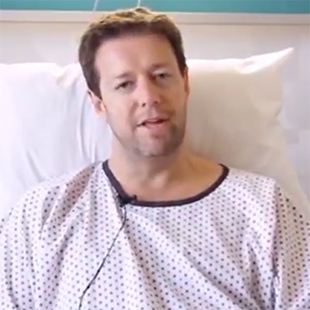
Kevin Stewart: Slip Disc Treatment in UAE

Kevin Stewart from Scotland could barely walk straight due to a Slip Disc. He faced many discomforts for the past…

Mr.Mohamed Dumia
Mr.Mohamed Dumia
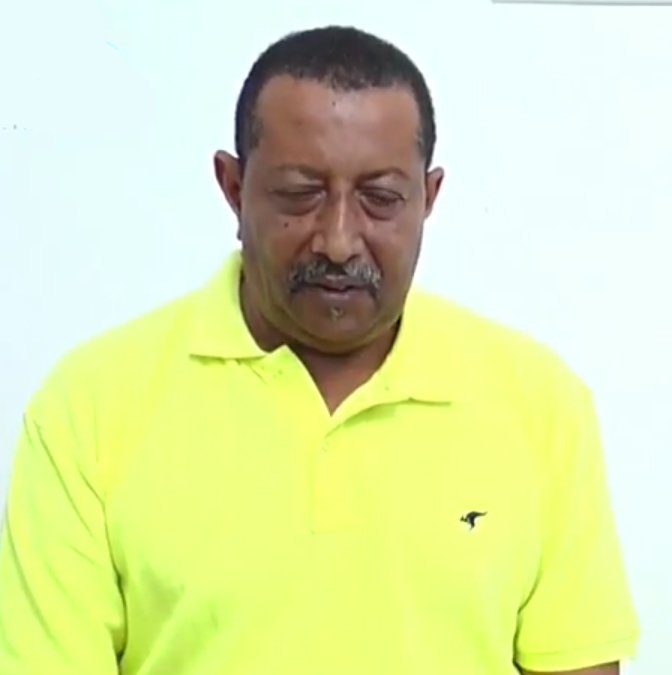
Mr.Mohamed Dumia: Knee Replacement

Mr. Muhammed Dumia was suffering from painful left Knee and was in considerable pain for the last 2 months. He…

Frequently Asked Questions

The cost of AC Joint Separation Repair in Vietnam may vary depending on the severity and grade of the acromioclavicular (AC) joint injury, type of surgical procedure required, patient's age and overall health, preoperative diagnostic investigations, hospital charges, orthopaedic surgeon's fees, anaesthesia, surgical implants or fixation devices, medications, and length of hospital stay. The overall cost may include specialist consultation, physical examination, X-rays, MRI or CT scans when required, blood tests, anaesthesia, surgical fixation or reconstruction materials, procedure charges, postoperative monitoring, medications, physiotherapy, and follow-up care.MediGence can help international patients explore suitable orthopaedic centres and obtain an estimated treatment plan based on the severity of the AC joint separation, imaging findings, and clinical requirements.

The best hospitals in Vietnam for AC Joint Separation Repair are those with experienced orthopaedic surgeons, shoulder and upper-limb specialists, sports medicine physicians, radiologists, physiotherapists, anaesthesiologists, and multidisciplinary orthopaedic teams. Patients should consider hospitals with advanced musculoskeletal imaging, modern operating rooms, arthroscopic and open surgical facilities, appropriate implant and fixation systems, and structured postoperative rehabilitation services.Hospitals with established shoulder and sports medicine programmes and experience in treating complex AC joint injuries may be particularly suitable for patients requiring specialised shoulder care.

Patients should choose an orthopaedic surgeon or shoulder specialist experienced in treating AC joint injuries and performing AC joint repair or reconstruction. Important factors include expertise in managing different grades of AC joint separation, shoulder trauma, ligament reconstruction, arthroscopic procedures, fixation techniques, and postoperative rehabilitation.The treating doctor should evaluate the severity and direction of displacement, shoulder stability, X-ray and other imaging findings, associated fractures or soft-tissue injuries, patient's activity level, age, occupation, and overall health before recommending surgery.

The success of AC Joint Separation Repair in Vietnam varies depending on the severity of the injury, timing of treatment, surgical technique, extent of ligament damage, patient's age and activity level, associated shoulder injuries, and adherence to postoperative rehabilitation. Outcomes are generally favourable when appropriately selected patients undergo treatment under the care of experienced shoulder and orthopaedic specialists.Treatment outcomes may be assessed through restoration of shoulder stability, reduction in pain, improved range of motion, improved shoulder strength, return to daily activities, and return to sports or physically demanding work where appropriate. The treating orthopaedic team can provide a more individualised prognosis after reviewing the patient's injury and imaging.

Hospitals in Vietnam may use digital X-rays, MRI, CT imaging when indicated, arthroscopic shoulder equipment, high-definition cameras, specialised fixation devices, suture-based systems, plates, screws, and ligament reconstruction techniques.AC Joint Separation Repair may involve repositioning the displaced joint and restoring stability to the damaged ligaments. Depending on the injury and clinical requirements, the surgeon may use open or arthroscopic techniques, fixation devices, suture-button systems, or ligament reconstruction using graft tissue.Associated injuries, such as rotator cuff damage, labral injuries, or fractures, may also be treated when identified during the evaluation.

Possible risks and complications may include:
  • Pain and swelling
  • Infection
  • Bleeding or bruising
  • Nerve or blood vessel injury
  • Shoulder stiffness
  • Reduced range of motion
  • Persistent shoulder pain
  • Loss of fixation or implant failure
  • Recurrent AC joint instability or separation
  • Loss of correction or displacement
  • Arthritis of the AC joint
  • Problems related to surgical hardware
  • Delayed recovery
  • Need for additional surgery
  • Complications related to anaesthesia
  • The specific risks depend on the severity of the AC joint injury, surgical technique, fixation method, patient's overall health, and postoperative rehabilitation. The treating orthopaedic surgeon will explain the potential risks and expected benefits before the procedure.

    Patients should share relevant orthopaedic records with the treating shoulder specialist before travelling. These may include X-rays, MRI or CT scans, previous consultation reports, injury records, previous treatment details, medication history, and allergy information.Patients should also discuss preoperative investigations, medication adjustments, expected hospital stay, surgical technique, postoperative pain management, arm immobilisation, physiotherapy, restrictions on lifting and driving, and follow-up requirements before making travel plans.International patients should clarify whether a sling or shoulder immobiliser will be required after surgery and arrange appropriate accommodation and assistance with daily activities during the initial recovery period.

    Yes. International patients can arrange an online consultation with an orthopaedic surgeon or shoulder specialist before travelling to Vietnam. The specialist may review the patient's symptoms, injury history, X-rays, MRI or CT findings, previous treatment, functional limitations, and overall health to determine whether surgical repair or reconstruction may be appropriate.MediGence can help coordinate online consultations and facilitate the secure sharing of relevant medical records and shoulder imaging with suitable specialists.

    International patients should carry a valid passport and relevant medical documents, including:
  • X-ray reports and images
  • MRI or CT scan reports and images, if available
  • Orthopaedic consultation reports
  • Previous shoulder surgery or injury records
  • Previous treatment and physiotherapy records
  • Recent blood test results
  • Current prescriptions and medication details
  • Allergy information
  • Complete medical history
  • Patients should also carry digital copies of important medical records and imaging for easy access during consultations, preoperative assessment, and postoperative follow-up.

    The required stay in Vietnam depends on the severity of the injury, type of repair or reconstruction, surgical approach, patient's recovery, and occurrence of complications. AC Joint Separation Repair may be performed as a day-care or short-stay procedure in suitable patients, while some patients may require overnight observation.International patients may need to remain in Vietnam until the treating orthopaedic team confirms satisfactory recovery, adequate pain control, stable wound condition, and appropriate postoperative instructions. Additional follow-up may be recommended for wound assessment, suture removal, or early evaluation of shoulder recovery before returning home.

    Recovery after AC Joint Separation Repair varies depending on the severity of the injury, surgical technique, fixation method, and patient's adherence to rehabilitation. Patients may initially require a sling or shoulder immobiliser to protect the repair while the tissues heal.Early rehabilitation may focus on protecting the surgical repair and maintaining appropriate movement of the elbow, wrist, and hand. Gradually, supervised shoulder exercises may be introduced, followed by strengthening and functional rehabilitation.Return to routine activities, physically demanding work, or sports should be gradual and based on clinical assessment of healing, shoulder strength, stability, and range of motion. The treating orthopaedic specialist and physiotherapist will provide an individualised rehabilitation plan.

    If complications occur, patients should contact the treating orthopaedic team or seek immediate medical attention. Prompt evaluation may be required for increasing pain or swelling, fever, wound discharge, significant bleeding, loss of sensation, weakness of the arm or hand, changes in skin colour or temperature, sudden shoulder deformity, or other symptoms suggesting infection, nerve or vascular injury, or loss of fixation.Patients should receive detailed discharge instructions, wound-care guidance, medication recommendations, sling and activity instructions, physiotherapy guidance, emergency contact information, and a structured orthopaedic follow-up plan before returning home.

    International patients can submit their medical records, X-rays, MRI or CT scans, previous treatment details, and other relevant orthopaedic information through the MediGence website. Following an initial review, the MediGence care team can help patients explore suitable orthopaedic hospitals and experienced shoulder specialists, coordinate consultations, and support treatment planning and medical travel arrangements.The final treatment recommendation is made by the treating orthopaedic specialist after a comprehensive evaluation of the AC joint injury, imaging findings, shoulder stability, functional requirements, and overall clinical condition.

    International patients may choose Vietnam for access to experienced orthopaedic and shoulder specialists, modern surgical techniques, advanced musculoskeletal imaging, arthroscopic and open surgical facilities, specialised fixation systems, and structured postoperative rehabilitation.The destination should be evaluated based on hospital accreditation, patient safety standards, surgeon expertise, experience in AC joint repair and reconstruction, availability of modern surgical technologies, rehabilitation facilities, and comprehensive postoperative care.

    Treatment options depend on the severity and grade of AC joint separation, symptoms, shoulder stability, patient's age, activity level, occupation, associated injuries, and overall health. Options may include:
  • Rest and activity modification
  • Ice therapy and pain management
  • Physiotherapy and shoulder rehabilitation
  • Sling or shoulder immobilisation
  • Non-steroidal anti-inflammatory medications when appropriate
  • Corticosteroid injection in selected cases
  • Surgical AC joint fixation
  • Coracoclavicular ligament reconstruction
  • Arthroscopic AC joint repair or reconstruction
  • Open ligament reconstruction
  • Suture-button or other fixation techniques
  • Plate and screw fixation in selected cases
  • Treatment of associated shoulder injuries
  • Long-term shoulder strengthening and rehabilitation
  • The treating orthopaedic specialist will recommend the most appropriate treatment plan after evaluating the severity of the separation, imaging findings, shoulder stability, functional requirements, and overall clinical condition.

    International patients may choose Vietnam for access to specialised orthopaedic centres, experienced shoulder and sports medicine surgeons, advanced imaging facilities, minimally invasive and open surgical techniques, modern fixation systems, multidisciplinary rehabilitation teams, and structured postoperative follow-up.MediGence can assist patients with hospital and specialist selection, medical record coordination, consultation scheduling, treatment planning, and travel-related support. The final destination should be selected according to the patient's AC joint injury, clinical requirements, treatment goals, rehabilitation needs, and the hospital's expertise in AC Joint Separation Repair.

    Not Sure About Your Treatment Plan? Get a Free Second Opinion

    Have your reports reviewed by independent oncology experts to help you make a confident treatment decision, all online within 48 hours.

    Upload Your Reports
    Free second opinion on your CAR-T plan