Your Notifications
All done, no notifications

Microdiscectomy Cost in Bangkok

USD 7800 - USD 12000

Affordable World-class Treatment - Accredited Hospitals - Free Treatment Plan in 24 Hrs

1
Days in Hospital
1-2 hrs
Procedure Time
90 - 95%
Success Rate
Microdiscectomy: Cost, Procedure and Clinics | MediGence
JCI/ISO 100,000+ Patients 24X7 Coordinator Visa & Travel handled
Your all-in-one medical travel platform for treatment, recovery & care.

Get Your Personalised Treatment Plan in Just 24 Hours.

Share your details to receive a personalised treatment plan, estimated costs, hospital recommendations, and expert guidance, “completely free.”

Required | alphabets and spaces
Required | A valid, working email address
Required | A valid contact
Connect with an Expert

Your information is protected with HIPAA-compliant security standards. We only share your details with hospitals after your consent.

Estimated Treatment Cost
USD 7800 - USD 12000
All-inclusive • Hospital + Medications + Recovery Assistance + Dedicated Care Coordinator

International Quality. Affordable Care.

The average cost of Microdiscectomy in Bangkok approximately starts from USD 7800 - USD 12000

Cost of Microdiscectomy in Major Cities of Thailand

CityMinimum Cost (USD)Minimum Cost (THB)Maximum Cost (USD)Maximum Cost (THB)
BangkokUSD 7800255138USD 12000392520
KrabiUSD 7020229624USD 10800353268

Cost of Microdiscectomy in Major Cities of Thailand

City Cost (USD)
Bangkok $7,800 – $12,000 Explore More
Krabi $7,020 – $10,800 Explore More

Find the Right Destination for Your Microdiscectomy Journey

Dr. Abdullah Rahil
Author

MPT (Neuro)

7 Years of Experience

Last Reviewed - June 2026

Dr. Abdullah Rahil, M.P.T. (Neurology), is a dedicated physiotherapy professional specializing in orthopedic, neurological, and musculoskeletal rehabilitation. With strong clinical expertise, he focuses on improving patient mobility, reducing pain, and restoring functional independence through evidence-based rehabilitation techniques. He is skilled in advanced therapeutic approaches that support effective rehabilitation and recovery for a wide range of musculoskeletal and neurological conditions, focusing on improving mobility, reducing pain, and restoring functional independence. Dr. Rahil has extensive experience managing diverse rehabilitation cases. His patient-centered approach emphasizes personalized treatment plans, continuous assessment, and comprehensive rehabilitation to achieve optimal recovery outcomes.
View More
⁠Dr Rakesh Kumar Dua
Reviewer

Spine & Neurosurgeon

25 Years of Experience

Last Reviewed - June 2026

Dr. Rakesh Dua has more than 25+ years of clinical experience in spine surgeries. He is currently providing his services as Director, Neuro & Spine Surgery at Fortis Hospital, Shalimar Bagh. Before joining Fortis Hospital, he was associated with Max super-specialist Hospital, Shalimar Bagh as Director Neurosurgery & Head Neuro Spine, and with UCMS & GTB hospital as head of the neurosurgery department.
View More

Need Help Choosing the Right Treatment? Talk to a Medical Advisor

Our dedicated Medical Patient Advisors are here to answer your questions, help you compare treatment options, estimate costs, and guide you through every step of your healthcare journey.

15 min
Average response time

Serving Patients Worldwide in Multiple Languages.

Microdiscectomy, also known as microdecompression or cervical microdiscectomy, is one of the most commonly performed spine surgeries. This procedure is particularly preferred for patients with a lumbar herniated disc. The primary goal of a microdiscectomy is to relieve pressure on a spinal nerve root by removing the material causing the pain.

Traditionally, this was achieved through an open technique called lumbardiscectomy surgery, which involved making a large incision and cutting some of the back muscles, leading to a slow and painful recovery. However, modern advancements have led to the development of microdiscectomy, which achieves the same goal with a smaller incision and minimal injury to the back muscles. Consequently, recovery is quicker and less painful.

During a microdiscectomy, a special microscope is used to view the disc and nerves. This magnified view allows the surgeon to make a smaller incision, causing less damage to the surrounding tissues.

Microdiscectomy is done to reduce pressure on a spinal nerve from a herniated disc in the lower back. It's usually prescribed when nonoperative treatments such as physical therapy, rest, or medication do not improve leg pain (sciatica), numbness, or weakness resulting from compression of a nerve.

A doctor should evaluate you if you have ongoing leg pain, numbness, or weakness that doesn't improve after a few weeks of treatment without surgery. Loss of bladder or bowel control is an emergency and needs to be evaluated right away.

You might have an MRI or CT scan to establish the diagnosis before surgery. You'll be required to discontinue some medications, such as blood thinners, not eat or drink for a specified time before the procedure, and make arrangements for assistance after surgery. Pre-op clearance may involve blood work and a physical examination.

The doctor performs a small cut in the lower back and employs a microscope or surgical loupes for magnification. Some herniated disc material compressing the nerve is excised using special tools, taking pressure off. Surrounding structures, such as bone or ligament, can be trimmed if necessary.

The procedure typically lasts 1 to 2 hours. It's commonly an outpatient procedure, but some patients will require an overnight hospital stay.

  • Infection
  • Bleeding
  • Nerve injury
  • Spinal fluid leak
  • Re-herniation of the disc

Microdiscectomy quickly relieves leg pain in most patients and restores function and mobility. It facilitates an earlier return to everyday activities than more complex spinal procedures.

Most individuals return to light activity within a few weeks. Full recovery, including return to exercise or work, can take 4\u20136 weeks, depending on your occupation and general health. Physical therapy can be suggested to build strength in your back and avoid recurrence.

The success rate is 85\u201395% for relieving leg pain due to a herniated disc. Results are improved in patients with single disc herniation and no severe spinal degeneration.

90–95%

Success rate for relief of leg pain and improved nerve function

1–2 days

Typical hospital stay

2–6 weeks

Return to normal daily activities depending on recovery and rehabilitation
Explore Hospitals ( 8 )

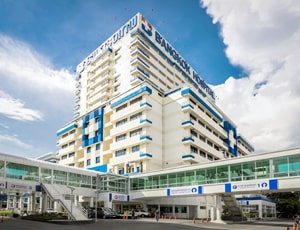
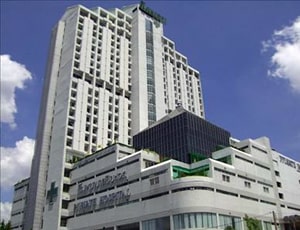
Bangkok, Thailand

580+ Beds · 255+ Procedures
JCI
Starting
USD 9000

Bangkok, Thailand

263+ Beds · 229+ Procedures
JCI

Bangkok, Thailand

300+ Beds · 287+ Procedures
JCI GHA

Bangkok, Thailand

550+ Beds · 238+ Procedures
JCI

Bangkok, Thailand

400+ Beds · 162+ Procedures
ISO JCI

Bangkok, Thailand

354+ Beds · 198+ Procedures
JCI

Bangkok, Thailand

120+ Beds · 171+ Procedures
JCI

Bangkok, Thailand

150+ Beds · 171+ Procedures
JCI ISO

Get Your Microdiscectomy
Plan in 24 hrs.

Our experienced Medical Patient Advisors have supported 100,000+ patients across 120+ countries with personalised treatment plans, hospital recommendations, cost estimates, and travel assistance, all free.

HIPAA-Compliant Data SecurityShared Only with Your Consent

Free Consultation No Obligation Personalized Treatment Plan Response Within 24 Hours

Required | alphabets and spaces
Required | A valid, working email address
Required | A valid contact

Your medical info is kept HIPAA-style confidential. We never share with hospitals without your consent.

Process Involved for Microdiscectomy in Bangkok

  • Consultation: Consult with a neurosurgeon or spine expert for assessment.
  • Pre-surgical examination: Discuss medical history and symptoms and have imaging tests performed.
  • Discussion of Treatment: Determine if microdiscectomy is suitable or if further therapies are required.
  • Surgical Planning: Learn about the process, possible risks, and recovery after surgery.
  • Post-Surgery Follow-up: Regular consultations to assess pain management and recovery.
  • Lumbar Herniated Disc
  • Sciatica.
  • Radiculopathy
  • Spinal Stenosis
  • Degenerative Disc Disease
  • Severe or persistent numbness from a herniated disc, limb discomfort, or back pain.
  • Non-surgical treatments have failed.
  • An MRI or CT scan clearly shows a herniated disc.
  • Symptoms of nerve compression include sciatica, weakened muscles, or impaired reflexes.
  • Significant pain relief, especially from sciatica and leg pain.
  • It is a minimally invasive procedure with less muscle disruption.
  • Faster recovery time compared to traditional surgeries.
  • Improved functionality and reduced symptoms such as weakness or numbness.
  • Orthopedic Spine Surgeon
  • Neurosurgeon
  • Fill out the inquiry form: Fill out the form to provide us with the relevant information about your condition.
  • Consult with Our Healthcare Expert: One of our qualified specialists will contact you for a consultation.
  • Receive a Detailed Treatment Plan: After examining your situation, we will provide you with a detailed treatment plan that includes expert views and cost breakdowns for various choices.
  • Choose your preferred option: Choose the treatment option that suits you the best.
Jenny Wilson
Your Dedicated Medical Patient Advisor
Treatment planning • Hospital coordination • Multilingual support • Response within 15 minutes.
Our Services to Better your Experience

Opinion & Option

We submit the most accurate opinion and options from one or more countries for your review

Consult Privately

Consult with a certified specialist privately on our telemedicine platform even before you decide to travel

Logistics

We handle flights, visas, transfers, and accommodation—so you can focus on your health.

Recovery

Our In-house rehabilitation service packages to better your recovery and treatment outcome

Patient Stories

Mr. James Evans Underwent Microdiscectomy Surgery at LIV Hospital in Turkey
Mr. James Evans
Mr. James Evans - Microdiscectomy in Turkey

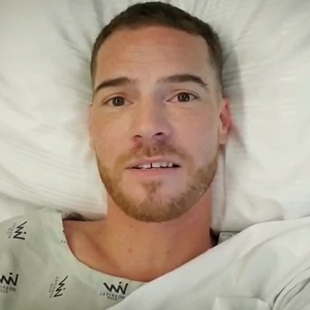
A USA resident, Mr James Evans 40Y/M, suffered from serious back pain. His doctor assisted him to get the spinal…

Robinson Trey
Robinson Trey
Successful Microdiscectomy in Turkey

Robinson Trey hails from Georgia, Atlanta, in the US. He experienced extreme pain in the lower back, which extended down…

Conditions treated by Microdiscectomy

Frequently Asked Questions

The average cost of Microdiscectomy in Bangkok starts from $9000. Many multispeciality hospitals in Bangkok that are JCI certified are approved and most sought after for treating international patients with Microdiscectomy.

Different hospitals have different pricing policy when it comes to the cost of Microdiscectomy in Bangkok. The Microdiscectomy package cost usually includes all the expenses related to pre and post surgery expenses of the patient. The Microdiscectomy cost in Bangkok includes the cost of anesthesia, medicines, hospitalization and the surgeon's fee. Extended hospital stay, complications after the surgery or new diagnosis may affect the overall cost of Microdiscectomy in Bangkok.

There are many hospitals across the country that offer Microdiscectomy to international patients. Some of the most renowned hospitals for Microdiscectomy in Bangkok include the following:

The recovery of the patient many vary, depending on several factors. However, on an average, patient is supposed to stay for about 13 days in the country after discharge. This is important to ensure that the surgery was successful. During this time, control and follow-up tests take place to check for medical fitness.

While Bangkok is considered to be one of the best destinations for Microdiscectomy owing to the standard of Hospitals, and expertise of doctors However, there are other cities as mentioned below that are popular for Microdiscectomy as well:

There are certain expenses additional to the Microdiscectomy cost that the patient may have to pay for. These are the chanrges for daily meals and hotel stay outside the hospital. The extra charges may vary from 25 USD.

The patient has to spend about 1 Days in the hospital after Microdiscectomy for proper recovery and to get clearance for discharge. This phase is important to ensure that the patient is recovering well and is clinically stable. During this time, several tests are performed before the patient is deemed suitable for discharge.

There are about 8 Hospitals Microdiscectomy hospitals in Bangkok that are best known for their services. These hospitals have the required infrastructure and a decided Microdiscectomy unit where renal failure patients can be treated. Also, these hospitals follow the necessary guidelines as required by the medical associations for the treatment of Microdiscectomy patients.

Bangkok in Thailand is a sought-after destination for medical tourism. On average, around 2.5 million international patients visit Thailand every year, mostly to Bangkok to avail healthcare services. The number of medical tourists visiting Bangkok continues to rise because of the affordable and advanced treatments available in the city. Bangkok is renowned for its high standard of medical technology and globally trained doctors. In Bangkok, patients can expect to save about 50-70% of the cost when compared to countries like Australia and US. In addition to competitive prices, hospitals in Bangkok offer shorter waiting times to international patients. Over 20 hospitals in Bangkok have received accreditation from the Joint Commission International (JCI) for setting benchmarks in healthcare. The hospitals in Bangkok also have a long-standing tradition of focusing on patient-centric care. They provide interpretation services in various languages so that patients can communicate effectively with their doctors.

Bangkok offers technologically advanced hospitals that are well-furnished to take care of all the healthcare needs of the patients. Some of the top hospitals in Bangkok are:

  • Bangkok Hospital: A JCI-accredited hospital, it offers services in various disciplines such as cardiac sciences, oncology, neurology, orthopedics, and ophthalmology. Some of the ultra-modern facilities available at the hospital include 256-slice multi-detector CT scan, cardiovascular MRI, CARTOSOUND, linear accelerator, digital mammogram, and PET/CT scan flow motion.
  • Takara IVF Bangkok: This is an ISO-certified fertility center that provides a range of services including minimal stimulation IVF, cryopreservation, two-stage embryo transfer method, and stimulation of endometrium embryo transfer(SEET). Takara IVF Bangkok also has a special unit dedicated to assisting international patients. The center has many qualified fertility specialists on board.
  • Yanhee International Hospital: Having received JCI accreditation, this is a leading hospital for plastic surgery in Bangkok. Yanhee International hospital offers a range of medical services including breast augmentations, tummy-tuck procedures, botox injections, liposuctions, facial treatments. dental whitening, hair transplants, and quality treatments for various kidney and heart-related ailments.

Bangkok has a pool of skilled and qualified doctors who have completed training at some of the most prestigious institutes across the world. Some of the top doctors in Bangkok are:

  • Dr. Piphat Leelapattana: With over 22 years of experience, Dr. Piphat is a renowned ophthalmologist who can provide treatments for keratoconus, astigmatism, retinal detachment, and age-related macular degeneration.
  • Dr. Wichai Yooyongwattana: He has 19 years of experience as a gastroenterologist. Some of the conditions for which he provides treatments include celiac disease, inflammatory bowel disease, Crohn’s disease, and pancreatitis.

Bangkok has excellent connectivity with the rest of the world by air. There are two airports in Bangkok: Suvarnabhumi, which is 25 kilometers to the east, and Don Mueang, which is 24 kilometers to the north of Bangkok. You can take a flight from your city to these airports and then travel to downtown Bangkok by bus or train. In case you wish to avail treatment here, we can assist you in planning your medical travel.

FAQ's Related to Thailand

Bangkok in Thailand is a sought-after destination for medical tourism. On average, around 2.5 million international patients visit Thailand every year, mostly to Bangkok to avail healthcare services. The number of medical tourists visiting Bangkok continues to rise because of the affordable and advanced treatments available in the city. Bangkok is renowned for its high standard of medical technology and globally trained doctors. In Bangkok, patients can expect to save about 50-70% of the cost when compared to countries like Australia and US. In addition to competitive prices, hospitals in Bangkok offer shorter waiting times to international patients. Over 20 hospitals in Bangkok have received accreditation from the Joint Commission International (JCI) for setting benchmarks in healthcare. The hospitals in Bangkok also have a long-standing tradition of focusing on patient-centric care. They provide interpretation services in various languages so that patients can communicate effectively with their doctors.

Bangkok offers technologically advanced hospitals that are well-furnished to take care of all the healthcare needs of the patients. Some of the top hospitals in Bangkok are:

  • Bangkok Hospital: A JCI-accredited hospital, it offers services in various disciplines such as cardiac sciences, oncology, neurology, orthopedics, and ophthalmology. Some of the ultra-modern facilities available at the hospital include 256-slice multi-detector CT scan, cardiovascular MRI, CARTOSOUND, linear accelerator, digital mammogram, and PET/CT scan flow motion.
  • Takara IVF Bangkok: This is an ISO-certified fertility center that provides a range of services including minimal stimulation IVF, cryopreservation, two-stage embryo transfer method, and stimulation of endometrium embryo transfer(SEET). Takara IVF Bangkok also has a special unit dedicated to assisting international patients. The center has many qualified fertility specialists on board.
  • Yanhee International Hospital: Having received JCI accreditation, this is a leading hospital for plastic surgery in Bangkok. Yanhee International hospital offers a range of medical services including breast augmentations, tummy-tuck procedures, botox injections, liposuctions, facial treatments. dental whitening, hair transplants, and quality treatments for various kidney and heart-related ailments.

Bangkok has a pool of skilled and qualified doctors who have completed training at some of the most prestigious institutes across the world. Some of the top doctors in Bangkok are:

  • Dr. Piphat Leelapattana: With over 22 years of experience, Dr. Piphat is a renowned ophthalmologist who can provide treatments for keratoconus, astigmatism, retinal detachment, and age-related macular degeneration.
  • Dr. Wichai Yooyongwattana: He has 19 years of experience as a gastroenterologist. Some of the conditions for which he provides treatments include celiac disease, inflammatory bowel disease, Crohn’s disease, and pancreatitis.

Bangkok has excellent connectivity with the rest of the world by air. There are two airports in Bangkok: Suvarnabhumi, which is 25 kilometers to the east, and Don Mueang, which is 24 kilometers to the north of Bangkok. You can take a flight from your city to these airports and then travel to downtown Bangkok by bus or train. In case you wish to avail treatment here, we can assist you in planning your medical travel.

Not Sure About Your Treatment Plan? Get a Free Second Opinion

Have your reports reviewed by independent oncology experts to help you make a confident treatment decision, all online within 48 hours.

Upload Your Reports
Free second opinion on your CAR-T plan