Your Notifications
All done, no notifications

External Ventricular Drainage Cost in Gurgaon

Starts from USD 3500

Disclaimer: Cost range is subject to change based on clinical evaluation.

Affordable World-class Treatment - Accredited Hospitals - Free Treatment Plan in 24 Hrs

5
Days in Hospital
30-60 min
Procedure Time
85 - 95%
Success Rate
External Ventricular Drainage
JCI/ISO 100,000+ Patients 24X7 Coordinator Visa & Travel handled
Your all-in-one medical travel platform for treatment, recovery & care.

Get Your Personalised Treatment Plan in Just 24 Hours.

Share your details to receive a personalised treatment plan, estimated costs, hospital recommendations, and expert guidance, “completely free.”

Required | alphabets and spaces
Required | A valid, working email address
Required | A valid contact

Your information is protected with HIPAA-compliant security standards. We only share your details with hospitals after your consent.

Estimated Treatment Cost
Starts from USD 3500
All-inclusive • Hospital + Medications + Recovery Assistance + Dedicated Care Coordinator

International Quality. Affordable Care.
The average cost of External Ventricular Drainage in Gurgaon starts from USD 3500.

Cost of External Ventricular Drainage in Major Cities of India

CityCost (USD)
Bangalore Starting $3.8k Explore More
Chennai Starting $3.2k Explore More
Delhi Starting $3.5k Explore More
Faridabad Starting $3.2k Explore More
Ghaziabad Starting $3.8k Explore More
Gurgaon Starting $3.5k Explore More
Kochi Starting $3.2k Explore More
Mohali Starting $3.8k Explore More
Mumbai Starting $3.8k Explore More
Noida Starting $3.8k Explore More
Panjim Starting $3.8k Explore More
Dr. Vishwas Kaushik
Author

MBBS, MD

7 Years of Experience

Dr. Vishwas Kaushik is a qualified medical professional holding an MBBS from the prestigious Belgorod State University, Russia, with a strong foundation in clinical medicine and healthcare practice. His comprehensive medical training has equipped him with a profound understanding of evidence-based clinical practices, patient-centered care, and the evolving landscape of modern medicine. With a keen interest in medical research and scientific communication, he consistently translates complex clinical concepts into clear, accurate, and accessible content for diverse audiences. His work reflects a deep commitment to advancing medical knowledge, delivering impactful healthcare insights, and bridging the gap between clinical expertise and accessible medical communication.
View More
⁠Dr Rakesh Kumar Dua
Reviewer

Spine & Neurosurgeon

25 Years of Experience

Last Reviewed - June 2026

Dr. Rakesh Dua has more than 25+ years of clinical experience in spine surgeries. He is currently providing his services as Director, Neuro & Spine Surgery at Fortis Hospital, Shalimar Bagh. Before joining Fortis Hospital, he was associated with Max super-specialist Hospital, Shalimar Bagh as Director Neurosurgery & Head Neuro Spine, and with UCMS & GTB hospital as head of the neurosurgery department.
View More

Need Help Choosing the Right Treatment? Talk to a Medical Advisor

Our dedicated Medical Patient Advisors are here to answer your questions, help you compare treatment options, estimate costs, and guide you through every step of your healthcare journey.

15 min
Average response time

Serving Patients Worldwide in Multiple Languages.

An external ventricular drain (EVD), also referred to as ventriculostomy or extra ventricular drain, is a neurosurgical device used to manage hydrocephalus and reduce elevated intracranial pressure caused by blockages in the normal flow of cerebrospinal fluid (CSF) within the brain.

The temporary drainage of cerebrospinal fluid (CSF) from the lateral ventricles of the brain or the lumbar area of the spine into an external collection bag is known as external drainage and monitoring. Using a mix of gravity and intracerebral pressure, an external ventricular drainage (EVD) system drains CSF. The rate of drainage is determined by the height of the EVD system in relation to the patient's anatomy.

In neurocritical care, EVDs are used to:

  • Reduce high intracranial pressure (ICP)
  • CSF (cerebrospinal fluid) that has become infectious should be drained
  • After surgery or a hemorrhage, drain any crimson CSF or blood
  • Keep an eye on the CSF flow rate
  • Patients undergoing open TAA/TAAA repair surgery or who become symptomatic after surgery should have their CSF removed

Types of drainage used in EVD:

  • Continuous drainage
  • Intermittent drainage

External ventricular drainage (EVD) decreases increased intracranial pressure (ICP) caused by trauma, disease, haemorrhage, or excess cerebrospinal fluid (CSF). While the underlying brain pathology is being treated, EVD drains CSF, monitors ICP, and stabilises the patient. In subarachnoid haemorrhage, traumatic brain injury, or hydrocephalus, EVD can be life-saving.

You should seek medical attention immediately if you experience any of the following symptoms of increased intracranial pressure: a sudden headache, nausea, vomiting, drowsiness, visual changes, confusion, seizures, or loss of consciousness. These may indicate the need for brain imaging immediately and the possible placement of an EVD.

There is limited planning since EVD is often done in an emergency. Blood test, coagulation studies, and imaging (CT or MRI) are conducted in a planned scenario. The scalp is cleaned and sterilised after consent is obtained. Depending on their well-being, patients can be sedated or under general anaesthesia.

  • A neurosurgeon places a catheter in the ventricular system of the brain following creation of a minute hole (burr hole) in the cranium, normally in the forehead bone.
  • To measure and control intracranial pressure and to let CSF be drained out, the catheter is connected to an external draining and monitoring unit.
  • The drain is pitched to a definite level to control the flow.

The procedure takes 30\u201360 minutes. The drain is left in place for a few days to weeks based on the underlying condition and response to treatment. Hospitalisation varies with the severity of illness.

  • Infection
  • Bleeding
  • Hematoma
  • Catheter blockage

EVD can quickly lower brain pressure, halt further brain injury, and allow continued draining and monitoring of the CSF. When needed, it serves as a bridge to more definitive treatments, such as a ventriculoperitoneal (VP) shunt and is essential in treating life-threatening diseases.

In critical care, patients are monitored. Nursing staff continually monitor neurological status and adjust the drainage system. Antibiotics can be given to prevent infection. Once the underlying issue has stabilised, the EVD may be clamped and removed. Neurological exams and repeat imaging monitor continuing care.

The solution's success depends on the underlying illness and how fast the solution is applied. EVD can significantly reduce mortality and improve neurological outcomes in emergency conditions. Sterile procedures and proper management increase overall effectiveness and reduce problems.

85–95%

Effective intracranial pressure relief

5–10 days

Typical hospital stay

2–6 weeks

Typical recovery period
Explore Hospitals ( 5 )

Gurgaon, India

4.1 - 5873 reviews · 750+ Beds · 291+ Procedures
JCI NABH
Starting
USD 3750
Chat with a Medical Advisor

Gurgaon, India

4.2 - 10689 reviews · 1250+ Beds · 280+ Procedures
JCI NABH
Starting
USD 3750
Chat with a Medical Advisor

Gurgaon, India

104+ Beds · 271+ Procedures
ISO NABH NABL
Starting
USD 3750
Chat with a Medical Advisor

Gurgaon, India

3.4 - 39 reviews · 311+ Beds · 273+ Procedures
JCI NABH NABL
Chat with a Medical Advisor

Gurgaon, India

4.5 - 4936 reviews · 250+ Beds · 261+ Procedures
NABH NABL
Starting
USD 3500
Chat with a Medical Advisor

Get Your External Ventricular Drainage
Plan in 24 hrs.

Our experienced Medical Patient Advisors have supported 100,000+ patients across 120+ countries with personalised treatment plans, hospital recommendations, cost estimates, and travel assistance, all free.

HIPAA-Compliant Data SecurityShared Only with Your Consent

✓ Free Consultation ✓ No Obligation ✓ Personalized Treatment Plan ✓ Response Within 24 Hours

Required | alphabets and spaces
Required | A valid, working email address
Required | A valid contact

Your medical info is kept HIPAA-style confidential. We never share with hospitals without your consent.

Process Involved for External Ventricular Drainage in Gurgaon

  • Consultation: To assess symptoms and determine if EVD is warranted, make an appointment with a neurosurgeon or neurologist.
  • Preoperative Assessment: To verify the diagnosis of hydrocephalus or other illness necessitating EVD, take a patient's medical history and symptoms and perform imaging studies.
  • Treatment Discussion: Based on the patient's condition, decide whether EVD is the most appropriate course of action or whether other treatments could be considered.
  • Surgical Planning: Discuss the procedure's benefits, risks, and expected recovery with the patient.
  • After Surgery Follow-up: Monitor recovery, deal with any issue, and check the procedure's effectiveness with follow-up imaging and symptom checking.
  • Acute Hydrocephalus
  • Traumatic Brain Injury
  • Intracranial Hemorrhage
  • Brain Tumors
  • Infections
  • Acute Hydrocephalus (increased intracranial pressure due to fluid buildup)
  • Traumatic Brain Injury (TBI) (with hydrocephalus or brain swelling)
  • Intracranial Hemorrhage (bleeding in the brain)
  • Brain Tumors
  • Post-Surgical Drainage
  • Infections (such as meningitis, requiring pressure relief)
  • Reduced Intracranial Pressure
  • Improved Neurological Function
  • Prevention of Further Brain Damage
  • Stabilisation of the Patient’s Condition
  • Neurologist
  • Neurosurgeon
  • Fill out the inquiry form: Fill out the form to provide us with the relevant information about your condition.
  • Consult with Our Healthcare Expert: One of our qualified specialists will contact you for a consultation.
  • Receive a Detailed Treatment Plan: After examining your situation, we will provide you with a detailed treatment plan that includes expert views and cost breakdowns for various choices.
  • Choose your preferred option: Choose the treatment option that suits you the best.
Jenny Wilson
Your Dedicated Medical Patient Advisor
Treatment planning • Hospital coordination • Multilingual support • Response within 15 minutes.
Our Services to Better your Experience

Opinion & Option

We submit the most accurate opinion and options from one or more countries for your review

Consult Privately

Consult with a certified specialist privately on our telemedicine platform even before you decide to travel

Logistics

We handle flights, visas, transfers, and accommodation—so you can focus on your health.

Recovery

Our In-house rehabilitation service packages to better your recovery and treatment outcome

Patient Stories

Ms Patience: Cosmetic Surgery
Ms Patience
Ms Patience: Cosmetic Surgery

Ms Patience from Uganda travelled to India for cosmetic surgery in May 2017. She got her treatment done in Asian…

Patient Testimonial: Lobna from Sudan for Successful Open Craniotomy Surgery in India
Mrs. Lobna Salah Hassan
Mrs. Lobna Hasan from Sudan for Open Craniotomy Surgery in India

Lobna (from Sudan) was diagnosed with meningioma, a form of non-cancerous brain tumor. Her family members decided to take her…

Frequently Asked Questions

External Ventricular Drainage (EVD) in Gurgaon typically costs between starts from USD 3500. The final cost depends on the patient's condition, the duration of drainage, the hospital, ICU stay, and the neurosurgeon's experience. This estimate generally includes consultations, diagnostic tests, the procedure, hospitalization, and follow-up care.

Choose an experienced neurosurgeon who specializes in managing brain emergencies and cerebrospinal fluid (CSF) disorders. Reviewing the surgeon's qualifications, experience, patient outcomes, and hospital facilities can help you make an informed decision. Seeking a second opinion may also be beneficial.

External Ventricular Drainage (EVD) has an overall success rate of approximately 85 - 95%, depending on the underlying condition, timing of treatment, and the patient's overall neurological status. Early intervention often improves outcomes.

Although EVD is generally safe, potential risks include infection, bleeding, catheter blockage, over-drainage or under-drainage of CSF, catheter displacement, and neurological complications. Close monitoring helps reduce these risks.

Before travelling, gather your medical records, brain imaging scans (CT or MRI), laboratory reports, passport, and complete an online consultation if possible. Confirm hospital admission, accommodation, and visa requirements in advance.

Yes, MediGence provides online consultations for international patients before travel. Neurospecialists review your medical records and imaging studies to determine the urgency of treatment and provide an estimated cost along with travel guidance.

Patients should bring a valid passport, visa, medical records, brain imaging scans, laboratory reports, previous treatment records, and a list of current medications to help specialists plan treatment efficiently.

Most international patients stay in Gurgaon for about 2 to 4 weeks, depending on the underlying condition, ICU stay, recovery, and follow-up evaluations. The duration may vary based on neurological recovery.

Recovery depends on the underlying neurological condition rather than the procedure itself. Once the excess cerebrospinal fluid is controlled and the patient's condition stabilizes, the EVD is removed. Full recovery varies from days to several weeks or longer.

If complications occur, the neurosurgical team will promptly evaluate the patient and provide appropriate treatment, which may include antibiotics, catheter replacement, additional procedures, or intensive neurological care. Many hospitals also offer follow-up support through teleconsultations.

  • Submit your medical records through the MediGence platform.
  • Receive evaluation from experienced neurosurgeons.
  • Compare hospitals, treatment plans, and estimated costs.
  • Get assistance with appointments, medical visa, travel, and accommodation.
  • Receive complete support before, during, and after treatment.
  • Gurgaon offers experienced neurosurgeons, advanced neurocritical care units, internationally accredited hospitals, and modern imaging technologies for emergency brain care. Patients also benefit from comprehensive treatment and multidisciplinary neurological support.

    FAQ's Related to India

    The city of Gurgaon is well-known for offering world-class healthcare facilities at an affordable price to both national and international patients. Gurgaon has one of the largest networks of multi-specialty hospitals in India that have expertise in providing advanced treatments such as kidney transplants, knee replacements, and liver transplants. Around 90% of the healthcare centers in Gurgaon have received international accreditations from JCI and NABH. Most doctors in Gurgaon are well-versed in multiple languages including English. Additionally, the hospitals also have a dedicated translation service and international patients office. This enables patients from different parts of the world to travel comfortably to Gurgaon to avail their treatments. The hospitals are equipped with the most modern facilities such as M6 cyberknife, 3 Tesla MRI, Dual Head Gamma camera, Fan Beam BMD, Brachytherapy from Nucletron, and Radisotope therapies. Thus, allowing patients to receive accurate diagnoses and the latest treatments. The medical staff in Gurgaon are also board-certified with extensive experience in their area of expertise.

    Due to their excellence in providing high-quality patient care, most hospitals in Gurgaon are well-recognized internationally. Some of the top hospitals in Gurgaon are:

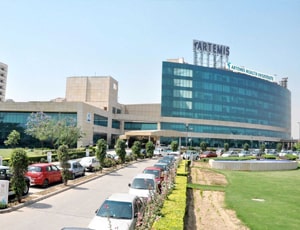
    1. Artemis Hospital: This is the first multi-specialty hospital in Gurgaon to be accredited by NABH and JCI. With more than 600 beds, it offers the most advanced treatments to its patients such as stereotactic body radiotherapy and brain and full body robotic stereotactic radiosurgery. Due to its top-notch inpatient and outpatient services, the hospital attracts many international patients.
    2. Nova Fertility Center: A leading fertility center, it has a high success rate and offers several fertility treatments including intrauterine insemination, in vitro fertilization, and intracytoplasmic sperm injection.
    3. Manipal Hospital: The hospital uses cutting-edge medical technology and a patient-centric approach to deliver the best healthcare to its patients. The hospital provides services in more than 60 specialties.

    The doctors in Gurgaon are well-trained and highly professional individuals who have completed their medical training from reputed institutes. Some of the best doctors in Gurgaon are:

    • Dr. Devendra Singh Solanki: He is a qualified orthopedic surgeon with over 21 years of experience in performing procedures such as knee replacement, hip replacement, total arthroscopy, and ACL reconstruction. He is currently practicing at the Artemis Hospital.
    • Dr. Manish Mahajan: He is an acclaimed neurologist with more than 15 years of experience. Dr. Mahajan is a respected member of the American Academy of Neurology and the Indian Academy of Neurology. He is currently a part of Artemis Hospital.
    • Dr. Sabhyata Gupta: With over 25 years of experience, Dr. Gupta is a well-known obstetrician and gynecologist who can provide effective treatments for conditions such as pelvic pain, uterine fibroids, and ovarian cysts. She practices at Medanta- the Medicity.

    Gurgaon is a significant healthcare hub and is well-connected to different parts of the world through international airlines. If you wish to avoid the hassle of planning for your medical travel, we can help you with visa, accommodation, airport transfers, and priority appointments.

    Not Sure About Your Treatment Plan? Get a Second Opinion

    Get your medical reports reviewed by experienced doctors to help you make a confident treatment decision, all online within 48 hours.

    Upload Your Reports
    Free second opinion on your CAR-T plan