Your Notifications
All done, no notifications

Substance Use Disorder Treatment Cost in India

USD 100 - USD 19500

Affordable World-class Treatment - Accredited Hospitals - Free Treatment Plan in 24 Hrs

3
Days in Hospital
30-60 min (consultation)
Procedure Time
50 - 80%
Success Rate
JCI/ISO 100,000+ Patients 24X7 Coordinator Visa & Travel handled
Your all-in-one medical travel platform for treatment, recovery & care.

Get Your Personalised Treatment Plan in Just 24 Hours.

Share your details to receive a personalised treatment plan, estimated costs, hospital recommendations, and expert guidance, “completely free.”

Required | alphabets and spaces
Required | A valid, working email address
Required | A valid contact
Connect with an Expert

Your information is protected with HIPAA-compliant security standards. We only share your details with hospitals after your consent.

Estimated Treatment Cost
USD 100 - USD 19500
All-inclusive • Hospital + Medications + Recovery Assistance + Dedicated Care Coordinator

International Quality. Affordable Care.

How Much Does Substance Use Disorder Treatment Cost in India?

The cost of Substance Use Disorder Treatment in India is USD 5500 - USD 15000

Treatment costs vary based on the patient's clinical needs, whether hospitalisation is required, the medications prescribed, rehabilitation services, and the frequency of follow-up consultations. Long-term management may also influence the overall treatment cost.

Factors Influencing the Cost of Substance Use Disorder:

  • Type of Treatment: The treatment may include antipsychotic medications, psychotherapy, psychosocial rehabilitation, family counselling, or a mixture of these methods.
  • Hospital and Location: Specialised psychiatric centres or any internationally recognised multispecialty hospitals located in large cities may be more expensive than treatment at smaller health organisations.
  • Initial Assessment: Comprehensive psychiatric assessment, physical examination, laboratory analysis, and psychological testing should be performed before starting treatment.
  • Severity of Illness: Patients with severe psychotic episodes or treatment-resistant schizophrenia may need more intensive treatment.
  • Hospitalisation: In some cases, patients may need short-term hospitalisation to stabilise acute symptoms.
  • Cost of medication: Long-term use of antipsychotic medications includes newer atypical antipsychotics and long-acting injectable medications, which makes a significant contribution to the overall cost.
  • Rehabilitation and follow-up care: Regular psychiatric consultations, psychotherapy, occupational therapy, and social rehabilitation as well as follow-up visits after discharge are important in the treatment of schizophrenia.

What's included in your Substance Use Disorder Treatment quote?

Substance use disorder treatment
consultation, plan
Clinical consultations
assessment, planning, follow-ups
Inpatient or outpatient care
program, support, and structured recovery monitoring
7–21-day in-country follow-up
monitoring, treatment adjustment
Visa & medical-visa invite letter
Airport pickup & transfers

Cost of Substance Use Disorder Treatment in Major Cities of India

CityCost (USD)
Calicut $4,400 – $12,000 Explore More
Delhi $5,500 – $15,000 Explore More
Faridabad $5,500 – $15,000 Explore More
Gurgaon $5,500 – $15,000 Explore More
Kalka $4,400 – $12,000 Explore More
Kochi $5,500 – $15,000 Explore More
Ludhiana $4,400 – $12,000 Explore More
Mumbai $5,500 – $15,000 Explore More

Substance Use Disorder Treatment - India Vs the World

$2k - $10k
$2k - $5k
$4k - $10k
$6k - $15k
Fauzia Zeb Fatima
Author

M.Pharm

4 Years of Experience

Fauzia Zeb is a distinguished medical and scientific content writer with a robust academic foundation in pharmaceutical sciences, holding a B.Pharm and M.Pharm degree from prestigious institutions, including MIT and Jamia Hamdard University. Her comprehensive expertise in pharmacology, clinical sciences, and biomedical research enables her to translate complex medical and scientific concepts into precise, evidence-based content tailored for diverse audiences. Specializing in peer-reviewed articles, clinical blog posts, and research-driven publications, she demonstrates a consistent ability to bridge the gap between advanced medical science and accessible, audience-specific communication.
View More
Dr. Pradeep Jain
Reviewer

General & Laparoscopic Surgeon

33 Years of Experience

Last Reviewed - June 2026

Dr. Pradeep Jain has completed his MBBS, MS - General Surgery, MCh - Surgical Gastroenterology/G.I. Surgery, and MCh - Surgical Oncology. He is a GastroIntestinal Surgeon, General Surgeon, Surgical Oncologist, Bariatric Surgeon par excellence with total experience of 36 years of which about 33+ years have been as a specialist
View More

Need Help Choosing the Right Treatment? Talk to a Medical Advisor

Our dedicated Medical Patient Advisors are here to answer your questions, help you compare treatment options, estimate costs, and guide you through every step of your healthcare journey.

15 min
Average response time

Serving Patients Worldwide in Multiple Languages.

A person with substance use disorder (SUD) has a problematic pattern of substance use that negatively affects their life and/or causes them discomfort. There is a spectrum of SUD that includes mild, moderate, and severe cases. It usually entails an intense need to take the drug, a rise in tolerance to the drug, and/or withdrawal symptoms after stopping the drug.

Multiple substance use disorders, such as cocaine and alcohol use disorders, can coexist in a single person. A substance use disorder can have a serious negative effect on your relationships, general quality of life, and health. It may also pose a hazard to life. It's critical to get assistance as soon as you notice any symptoms of SUD.

Mild, moderate, and severe substance use disorders are all possible. The most severe type of SUD is addiction. It entails using drugs continuously despite unfavorable effects. Substance addiction results from the brain's reward system "taking over" and intensifying obsessive substance seeking. Both include the emergence of psychological and physical reliance.

When a drug gets so ingrained in a person's ideas, feelings, and behaviors that abstaining from it becomes a need or compulsion despite the risks, that person is psychologically dependent on the drug. When a drug is physically dependent, your body has become accustomed to its presence and experiencing withdrawal symptoms if you abruptly stop using it or cut back on its dosage.

What are the factors leading uo tp Substance Abuse?

  • Brain chemistry: Substances also cause your brain to experience enormous dopamine spikes. However, such high dopamine levels can cause harmful alterations that affect your thoughts, feelings, and behavior, rather than motivating you to do the things you need to survive (eat, work, and spend time with loved ones). This may lead to an unhealthy desire to seek out more drug-related pleasure and less from healthier experiences.
  • Genetics: Research indicates that between 40% and 60% of the susceptibility to substance use disorders is due to genetic factors. You have an increased risk of developing SUD if you have a first-degree family (parent or biological sibling) who has the disorder.
  • Mental health conditions: Genetic susceptibilities, problems with related brain regions, and environmental variables all contribute to SUDs and other mental health conditions. It appears from research that both SUD and mental disease might have a mutually reinforcing effect.
  • Access and exposure: Approximately 70% of individuals who started using at age 13 had an SUD, but just 27% of those who started at age 17 have. Furthermore, the likelihood of someone using substances (such as alcohol and tobacco) that are easily accessible and/or legally permitted increases. This raises the possibility that use will develop into a problem. Another example of this is the availability and quantity of prescription opioids, which provide easy access to them.
  • Adverse childhood experiences, or ACEs, have a substantial correlation with the emergence of a variety of health issues throughout a person's lifetime, including SUD. A child's likelihood of experiencing SUD later in life increases with the number of ACEs they encounter.
Explore Hospitals ( 12 )

Delhi, India

5.0 - 1 review · 650+ Beds · 302+ Procedures
JCI NABH
Starting
USD 2000

Gurgaon, India

3.3 - 4 reviews · 750+ Beds · 306+ Procedures
JCI NABH
Starting
USD 2000

Mumbai, India

450+ Beds · 291+ Procedures
JCI
Starting
USD 500

Kalka, India

46+ Procedures
NABH
Starting
USD 2000

Delhi, India

495+ Beds · 244+ Procedures
NABH

Delhi, India

402+ Beds · 268+ Procedures
NABH NABL
Starting
USD 15500

Faridabad, India

2600+ Beds · 276+ Procedures
NABH
Starting
USD 1000

Ludhiana, India

31+ Procedures
NABH
Starting
USD 3000

Kochi, India

273+ Procedures
JCI
Starting
USD 100

Faridabad, India

325+ Beds · 261+ Procedures
NABH NABL
Starting
USD 3000

Get Your Substance Use Disorder Treatment
Plan in 24 hrs.

Our experienced Medical Patient Advisors have supported 100,000+ patients across 120+ countries with personalised treatment plans, hospital recommendations, cost estimates, and travel assistance, all free.

HIPAA-Compliant Data SecurityShared Only with Your Consent

Free Consultation No Obligation Personalized Treatment Plan Response Within 24 Hours

Required | alphabets and spaces
Required | A valid, working email address
Required | A valid contact

Your medical info is kept HIPAA-style confidential. We never share with hospitals without your consent.

Process Involved for Substance Use Disorder Treatment in India

  • Consultation with an expert: A substance abuse expert, psychiatrist, or addiction counselor does a complete evaluation to determine the severity of the addiction and any co-occurring problems that may exist.
  • Pre-treatment Assessment: A thorough medical, psychological, and social evaluation to determine the patient's needs, including detox, medicine, and therapy.
  • Personalised Treatment Plan: A treatment plan is developed that may include medication, behavioral therapy, and inpatient or outpatient care based on the individual's substance use patterns and health status.
  • Treatment and Monitoring: The patient is treated with a combination of therapies and substances, with frequent monitoring to track progress, manage withdrawal, and address relapses.
  • Post-Treatment Support: Ongoing support such as outpatient counseling or support groups to help individuals stay sober and prevent relapse.
  • Alcohol Use Disorder
  • Opioid Use Disorder
  • Stimulant Use Disorder
  • Tobacco Use Disorder
  • Prescription Drug Misuse
  • Polysubstance Use Disorder
  • Co-occurring Mental Health Disorders (Dual Diagnosis)
  • Individuals with substance use disorder (SUD) are defined by their problematic use of alcohol, prescription pharmaceuticals, or illicit drugs, which causes physical, psychological, or social damage.
  • Patients who express a strong desire to limit or control their substance usage but are unable to do so.
  • Individuals who exhibit withdrawal symptoms or engage in dangerous activity as a result of substance abuse.
  • Those who have failed earlier treatment attempts or relapsed on many occasions
  • Reduces substance dependence, improves general health, and aids in the management of cravings, triggers, and stress, all of which reduce the likelihood of relapse.
  • Therapy and peer groups help to address underlying mental health conditions, improve psychological well-being, and encourage long-term rehabilitation.
  • Improves daily functioning, resulting in better relationships, job performance, and personal stability.
  • Psychiatrist
  • Psychologist
  • Fill out the inquiry form: Fill out the form to provide us with the relevant information about your condition.
  • Consult with Our Healthcare Expert: One of our qualified specialists will contact you for a consultation.
  • Receive a Detailed Treatment Plan: After examining your situation, we will provide you with a detailed treatment plan that includes expert views and cost breakdowns for various choices.
  • Choose your preferred option: Choose the treatment option that suits you the best.
Jenny Wilson
Your Dedicated Medical Patient Advisor
Treatment planning • Hospital coordination • Multilingual support • Response within 15 minutes.
Our Services to Better your Experience

Opinion & Option

We submit the most accurate opinion and options from one or more countries for your review

Consult Privately

Consult with a certified specialist privately on our telemedicine platform even before you decide to travel

Logistics

We handle flights, visas, transfers, and accommodation—so you can focus on your health.

Recovery

Our In-house rehabilitation service packages to better your recovery and treatment outcome

Frequently Asked Questions

The cost of Substance Use Disorder Treatment in India typically ranges between USD 5500 - 15000, depending on the type of substance used, severity of dependence, treatment approach, duration of rehabilitation, hospital or rehabilitation facility, and need for inpatient care. The cost may include medical evaluation, detoxification, medications, counseling, psychotherapy, rehabilitation, hospitalization, and follow-up care.

Some of the best hospitals in India for Substance Use Disorder Treatment include:
  • Amrita Hospital
  • Artemis Health Institute
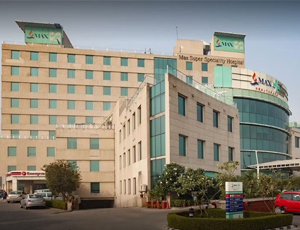
  • BLK-Max Super Speciality Hospital
  • Baby Memorial Hospital
  • Batra Hospital
  • Choose an experienced psychiatrist, addiction medicine specialist, or de-addiction specialist with expertise in substance use disorders. Reviewing the specialist's qualifications, experience, treatment approach, rehabilitation facilities, and patient feedback can help you make an informed decision. Seeking a second opinion may also be helpful.

    Substance Use Disorder Treatment has an overall success rate of approximately , depending on the type and severity of dependence, treatment adherence, duration of care, individual response, social support, and participation in relapse-prevention programs. Recovery outcomes vary between individuals.

    Hospitals and rehabilitation centers in India may use medical assessments, withdrawal monitoring, medication-assisted treatment, cognitive behavioral therapy, motivational interviewing, individual and group counseling, family therapy, psychosocial rehabilitation, and relapse-prevention programs. Treatment is selected according to the substance involved and the patient's clinical needs.

    Treatment is generally conducted under medical supervision, but withdrawal can cause physical or psychological symptoms that vary according to the substance and severity of dependence. Some medications used during treatment may also cause side effects. Medical supervision is particularly important when withdrawal can be severe or potentially dangerous.

    Before travelling, gather medical and psychiatric records, previous rehabilitation records, medication details, laboratory reports, and passport. Complete an online consultation if available and provide accurate information about the substance used, duration of use, previous withdrawal experiences, and treatments received.

    Yes, MediGence provides online consultations for international patients before travel. Addiction specialists and psychiatrists can review medical history, substance-use patterns, previous treatment records, and current medications to discuss suitable treatment options. This also helps with treatment planning, estimated costs, and travel guidance.

    Patients should bring a valid passport, visa, medical and psychiatric records, previous rehabilitation or detoxification records, medication details, laboratory results, and relevant psychological assessment reports. These documents help the treatment team understand the patient's history and plan appropriate care.

    The duration of stay depends on the type and severity of substance use and the treatment program. Detoxification may take several days, while residential rehabilitation programs may require several weeks or longer. The exact duration is determined according to the patient's clinical condition and recovery needs.

    Recovery is an ongoing process rather than a fixed recovery period. Initial withdrawal symptoms may improve within days or weeks, while maintaining long-term recovery may require months or ongoing support. Counseling, medication when appropriate, relapse-prevention strategies, and follow-up care can support sustained recovery.

  • Submit your medical records through the MediGence platform.
  • Get connected with experienced addiction specialists, psychiatrists, and rehabilitation centers.
  • Compare detoxification, rehabilitation, and treatment options with estimated costs.
  • Coordinate medical assessments, detoxification, therapy, rehabilitation, and follow-up care.
  • Receive assistance with medical visas, travel, accommodation, and ongoing recovery support.
  • India offers experienced addiction specialists, modern hospitals and rehabilitation facilities, evidence-based treatment programs, and multidisciplinary recovery services. Patients can benefit from personalized detoxification, rehabilitation, counseling, and long-term recovery support at competitive costs.

    Not Sure About Your Treatment Plan? Get a Free Second Opinion

    Have your reports reviewed by independent oncology experts to help you make a confident treatment decision, all online within 48 hours.

    Upload Your Reports
    Free second opinion on your CAR-T plan