Your Notifications
All done, no notifications

Gynecology Treatment Cost in Malaysia

Compare 600+ verified hospitals, get cost estimates, and receive personalized treatment recommendations from healthcare experts.

Accredited Hospitals
JCI, ISO & More
100,000+
Patients Assisted
Dedicated Care
Managers
Enquire Now
+
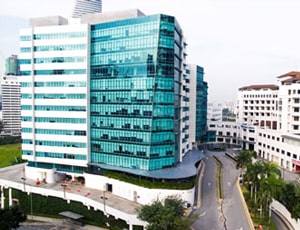
Explore Hospitals ( 10 )

Kuala Lumpur, Malaysia

4.5 - 5452 reviews · 277+ Beds · 284+ Procedures
MSQH
Chat with a Medical Advisor

Kuala Lumpur, Malaysia

4.5 - 7053 reviews · 499+ Beds · 296+ Procedures
JCI MSQH
Chat with a Medical Advisor

Kuala Lumpur, Malaysia

4.7 - 16954 reviews · 724+ Beds · 278+ Procedures
ACHS
Chat with a Medical Advisor

Kuala Lumpur, Malaysia

4.2 - 2039 reviews · 300+ Beds · 270+ Procedures
JCI
Chat with a Medical Advisor

Kuala Lumpur, Malaysia

4.5 - 6283 reviews · 442+ Beds · 274+ Procedures
JCI
Chat with a Medical Advisor

Kuala Lumpur, Malaysia

4.6 - 2196 reviews · 220+ Beds · 253+ Procedures
JCI MSQH
Chat with a Medical Advisor

Kuala Lumpur, Malaysia

4.7 - 8715 reviews · 171+ Beds · 264+ Procedures
MSQH
Chat with a Medical Advisor

Kuala Lumpur, Malaysia

4.8 - 7692 reviews · 200+ Beds · 26+ Procedures
ISO
Chat with a Medical Advisor

Petaling Jaya, Malaysia

4.5 - 2991 reviews · 194+ Beds · 83+ Procedures
Chat with a Medical Advisor

Kuala Lumpur, Malaysia

4.7 - 3117 reviews · 132+ Beds · 83+ Procedures
Chat with a Medical Advisor
Jenny Wilson
Your Dedicated Medical Patient Advisor
Treatment planning • Hospital coordination • Multilingual support • Response within 15 minutes.
Our Services to Better your Experience

Opinion & Option

We submit the most accurate opinion and options from one or more countries for your review

Consult Privately

Consult with a certified specialist privately on our telemedicine platform even before you decide to travel

Logistics

We handle flights, visas, transfers, and accommodation—so you can focus on your health.

Recovery

Our In-house rehabilitation service packages to better your recovery and treatment outcome

Frequently Asked Questions

Malaysia has many reputed hospital groups, such as:

  1. Beverly Wilshire Medical Group, Kuala Lumpur;
  2. Parkway Pantai, Kuala Lumpur;
  3. Gleneagles Hospital, Kuala Lumpur and,
  4. KPJ Ampang Puteri Specialist Hospital, Ampang.

These hospitals have state-of-the-art infrastructure and are well-equipped with advanced technologies. With a two-tier healthcare system in Malaysia, the hospitals are highly advanced because of extensive support from the Malaysian government through investment in medical infrastructure. Malaysian Hospitals, with well-trained staff and excellent facilities, are on par with well-developed countries and have shown significant improvement in the last ten years.

The healthcare systems in Malaysia receive accreditation from Malaysian Society for Quality in Health (MSQH) and JCI. Malaysia has 12 JCI-accredited hospitals and they fully adhere to the global standards set by the organization. MSQH, which promotes safety and quality in the healthcare services in Malaysia, has entered into partnership with Malaysia’s Ministry of Health, Association of Private Hospitals Malaysia and Malaysian Medical Association. There is a lengthy evaluation process for granting accreditation to a hospital in order to ensure international standards are met.

Solid public-private healthcare collaboration and governmental participation have contributed to a strongly-built healthcare system in Malaysia, making it one of the most favored destinations for medical tourists. Supported by cutting-edge technology, advanced infrastructure, and skilled medical professionals, Malaysia provides quality and affordable healthcare. Malaysia has achieved high success rates in fertility treatments and cardiology with world-class hospitals. Malaysia not only offers world-class, affordable treatment to medical tourists but also enhances their overall wellbeing through its food, cultural diversity, and heritage spots.

Most of the highly-trained doctors in Malaysia are trained internationally before returning to work in their home country. Malaysia has a very stringent evaluation process for doctor’s certification and all medical professionals have to complete three years of service in the public sector to ensure they have achieved an extreme level of professionalism. Doctors in Malaysia have reported best results with many procedures, but their expertise in infertility treatments and cardiology has been globally recognized Medical tourists can apply for eVisa for traveling to Malaysia to get medical treatment and reside there for a period of 30 days under the Malaysian Healthcare Travellers Program (MHTP).

Medical tourists under Malaysian Healthcare Travellers Program (MHTP) are eligible for applying for eVISA for traveling to Malaysia and living in the country for a period of 30 days. eVISA remains valid for 3 months and it can be availed through online platforms. To apply for an eVisa, a candidate will require:To apply for an eVisa, a candidate will require:

  1. Medical certificate issued by the registered medical practitioner
  2. Two recent passport size photographs
  3. Valid passport
  4. Details of the person travelling
  5. Two blank pages on the passport
  6. Travelling and accommodation details
  7. Civil status certificate

Medical Attendant Visa is granted to the person accompanying the patient to Malaysia and two persons are allowed to travel with the patient.

The popular procedures available in Malaysia are cosmetic surgery, vitiligo treatment, cancer care, dental work, discectomy, prostate surgery. Malaysia makes advances in effective cancer treatment using gene therapy, ensuring shorter treatment time, reduced treatment costs, and minimal adverse effects of current chemo-drugs. Hospitals and clinics in Malaysia are equipped with the latest technology to perform Assisted Reproductive Technique (ART) procedures such as In Vitro Fertilization (IVF), which has a marvelous success rate of 55 to 60. Malaysia has also reported great achievements in orthopedic surgeries and some of the popular procedures include hip replacement, shoulder replacement, knee replacement surgery.

Some of the leading medical tourism destinations in Malaysia are

  1. Malacca,
  2. Kuala Lumpur,
  3. Kota Kinabalu,
  4. Ampang, and
  5. Penang.

Backed by world-class hospitals with highly professional and talented hospitals and modern infrastructure, Malaysia delivers unmatched treatment. Kuala Lumpur and Penang attract most of the medical tourists due to their excellent public transportation system, availability of cheap accommodation, and connectivity through airlines. These cities have become leading medical tourism destinations in Malaysia due to many other factors, such as a large pool of world-class hospitals, rich heritage, scenic value, availability of translators, and safety of tourists.

A medical tourist traveling to Malaysia needs to get below vaccines:

  1. Rabies
  2. Meningitis
  3. Covid
  4. Hepatitis A,
  5. Japanese encephalitis
  6. Hepatitis B,
  7. Typhoid
  8. Yellow fever
  9. Polio
  10. Measles

You should take pre-exposure vaccination against rabies before traveling to Malaysia. Children are at greater risk of rabies. Japanese encephalitis is common in Malaysia and can be prevented through vaccination. International Certificate of Vaccination would be required if you are coming from a country with a high risk of Yellow Fever.

FAQ's Related to Malaysia

Malaysia has many reputed hospital groups, such as:

  1. Beverly Wilshire Medical Group, Kuala Lumpur;
  2. Parkway Pantai, Kuala Lumpur;
  3. Gleneagles Hospital, Kuala Lumpur and,
  4. KPJ Ampang Puteri Specialist Hospital, Ampang.

These hospitals have state-of-the-art infrastructure and are well-equipped with advanced technologies. With a two-tier healthcare system in Malaysia, the hospitals are highly advanced because of extensive support from the Malaysian government through investment in medical infrastructure. Malaysian Hospitals, with well-trained staff and excellent facilities, are on par with well-developed countries and have shown significant improvement in the last ten years.

The healthcare systems in Malaysia receive accreditation from Malaysian Society for Quality in Health (MSQH) and JCI. Malaysia has 12 JCI-accredited hospitals and they fully adhere to the global standards set by the organization. MSQH, which promotes safety and quality in the healthcare services in Malaysia, has entered into partnership with Malaysia’s Ministry of Health, Association of Private Hospitals Malaysia and Malaysian Medical Association. There is a lengthy evaluation process for granting accreditation to a hospital in order to ensure international standards are met.

Solid public-private healthcare collaboration and governmental participation have contributed to a strongly-built healthcare system in Malaysia, making it one of the most favored destinations for medical tourists. Supported by cutting-edge technology, advanced infrastructure, and skilled medical professionals, Malaysia provides quality and affordable healthcare. Malaysia has achieved high success rates in fertility treatments and cardiology with world-class hospitals. Malaysia not only offers world-class, affordable treatment to medical tourists but also enhances their overall wellbeing through its food, cultural diversity, and heritage spots.

Most of the highly-trained doctors in Malaysia are trained internationally before returning to work in their home country. Malaysia has a very stringent evaluation process for doctor’s certification and all medical professionals have to complete three years of service in the public sector to ensure they have achieved an extreme level of professionalism. Doctors in Malaysia have reported best results with many procedures, but their expertise in infertility treatments and cardiology has been globally recognized Medical tourists can apply for eVisa for traveling to Malaysia to get medical treatment and reside there for a period of 30 days under the Malaysian Healthcare Travellers Program (MHTP).

Medical tourists under Malaysian Healthcare Travellers Program (MHTP) are eligible for applying for eVISA for traveling to Malaysia and living in the country for a period of 30 days. eVISA remains valid for 3 months and it can be availed through online platforms. To apply for an eVisa, a candidate will require:To apply for an eVisa, a candidate will require:

  1. Medical certificate issued by the registered medical practitioner
  2. Two recent passport size photographs
  3. Valid passport
  4. Details of the person travelling
  5. Two blank pages on the passport
  6. Travelling and accommodation details
  7. Civil status certificate

Medical Attendant Visa is granted to the person accompanying the patient to Malaysia and two persons are allowed to travel with the patient.

The popular procedures available in Malaysia are cosmetic surgery, vitiligo treatment, cancer care, dental work, discectomy, prostate surgery. Malaysia makes advances in effective cancer treatment using gene therapy, ensuring shorter treatment time, reduced treatment costs, and minimal adverse effects of current chemo-drugs. Hospitals and clinics in Malaysia are equipped with the latest technology to perform Assisted Reproductive Technique (ART) procedures such as In Vitro Fertilization (IVF), which has a marvelous success rate of 55 to 60. Malaysia has also reported great achievements in orthopedic surgeries and some of the popular procedures include hip replacement, shoulder replacement, knee replacement surgery.

Some of the leading medical tourism destinations in Malaysia are

  1. Malacca,
  2. Kuala Lumpur,
  3. Kota Kinabalu,
  4. Ampang, and
  5. Penang.

Backed by world-class hospitals with highly professional and talented hospitals and modern infrastructure, Malaysia delivers unmatched treatment. Kuala Lumpur and Penang attract most of the medical tourists due to their excellent public transportation system, availability of cheap accommodation, and connectivity through airlines. These cities have become leading medical tourism destinations in Malaysia due to many other factors, such as a large pool of world-class hospitals, rich heritage, scenic value, availability of translators, and safety of tourists.

A medical tourist traveling to Malaysia needs to get below vaccines:

  1. Rabies
  2. Meningitis
  3. Covid
  4. Hepatitis A,
  5. Japanese encephalitis
  6. Hepatitis B,
  7. Typhoid
  8. Yellow fever
  9. Polio
  10. Measles

You should take pre-exposure vaccination against rabies before traveling to Malaysia. Children are at greater risk of rabies. Japanese encephalitis is common in Malaysia and can be prevented through vaccination. International Certificate of Vaccination would be required if you are coming from a country with a high risk of Yellow Fever.

Not Sure About Your Treatment Plan? Get a Second Opinion

Get your medical reports reviewed by experienced doctors to help you make a confident treatment decision, all online within 48 hours.

Upload Your Reports
Free second opinion on your CAR-T plan