Your Notifications
All done, no notifications

Laryngectomy Cost in Basel

Get a Quote

Affordable World-class Treatment - Accredited Hospitals - Free Treatment Plan in 24 Hrs

7
Days in Hospital
3-6 hrs
Procedure Time
85 - 95%
Success Rate
Laryngectomy: Cost, Procedure and Clinics | MediGence
JCI/ISO 100,000+ Patients 24X7 Coordinator Visa & Travel handled
Your all-in-one medical travel platform for treatment, recovery & care.

Get Your Personalised Treatment Plan in Just 24 Hours.

Share your details to receive a personalised treatment plan, estimated costs, hospital recommendations, and expert guidance, “completely free.”

Required | alphabets and spaces
Required | A valid, working email address
Required | A valid contact

Your information is protected with HIPAA-compliant security standards. We only share your details with hospitals after your consent.

Estimated Treatment Cost
All-inclusive • Hospital + Medications + Recovery Assistance + Dedicated Care Coordinator

International Quality. Affordable Care.
The average cost of Laryngectomy in Basel ranges between available on request.

Cost of Laryngectomy in Major Cities of Switzerland

CityCost (USD)
Basel $20,000 – $50,000 Explore More
Dr. Vishwas Kaushik
Author

MBBS, MD

7 Years of Experience

Dr. Vishwas Kaushik is a qualified medical professional holding an MBBS from the prestigious Belgorod State University, Russia, with a strong foundation in clinical medicine and healthcare practice. His comprehensive medical training has equipped him with a profound understanding of evidence-based clinical practices, patient-centered care, and the evolving landscape of modern medicine. With a keen interest in medical research and scientific communication, he consistently translates complex clinical concepts into clear, accurate, and accessible content for diverse audiences. His work reflects a deep commitment to advancing medical knowledge, delivering impactful healthcare insights, and bridging the gap between clinical expertise and accessible medical communication.
View More
Dr Sameer Sethi
Reviewer

Otolaryngologist

22 Years of Experience

Last Reviewed - June 2026

Dr. Sethi has worked as a Senior Consultant, ENT/Otorhinolaryngology at Fortis Hospital, Shalimar Bagh Currently he is a member of the Medical Council of India (MCI), Delhi Medical Council and Association of Otolaryngologists of India (AOI).
View More

Need Help Choosing the Right Treatment? Talk to a Medical Advisor

Our dedicated Medical Patient Advisors are here to answer your questions, help you compare treatment options, estimate costs, and guide you through every step of your healthcare journey.

15 min
Average response time

Serving Patients Worldwide in Multiple Languages.

A laryngectomy is a surgical surgery used to remove the voice box or part of it. Your larynx, which connects your mouth, nose, and lungs, is located above your trachea, or windpipe. Your larynx facilitates swallowing, breathing, and speaking.

Depending on the disease's severity and location, the laryngectomy surgeon may remove all or part of the larynx. This treatment greatly greatly impacts the capacity to speak, swallow, and breathe through the mouth and nose.

Patients may need to adjust to new communication methods after a laryngectomy, such as using speech therapy for esophageal speech training. They might also need help breathing through a stoma, which is a neck opening, and their diet might need to be adjusted to account for changes in swallowing.

Types:

There are different types of laryngectomies:

Partial Laryngectomy: This procedure removes only a portion of the larynx, typically used for smaller tumors. Various types of partial laryngectomy surgeries exist, but the goal remains the same: to remove the cancerous part while preserving as much of the larynx as possible.

Supraglottic Laryngectomy: Removes part of the larynx located above the vocal cords. Despite the surgery, you may still retain your normal speaking voice.

Hemilaryngectomy: Treats small cancers of the vocal cords by removing one vocal cord while leaving the others intact. Speech after a hemilaryngectomy may be more limited, but still possible.

Total Laryngectomy: Involves complete removal of the larynx. This significantly affects normal speech, but alternative methods such as mechanical voice devices or esophageal speech training can be used for communication.

Why one needs to have a laryngectomy:

A laryngectomy may be necessary for various reasons, including:

  • Laryngeal Cancer
  • Laryngeal Fracture
  • Severe Larynx Damage
  • Chondronecrosis of the Larynx
Explore Hospitals ( 1 )

Basel, Switzerland

3.2 - 734 reviews · 773+ Beds · 221+ Procedures
SAC
Chat with a Medical Advisor

Get Your Laryngectomy
Plan in 24 hrs.

Our experienced Medical Patient Advisors have supported 100,000+ patients across 120+ countries with personalised treatment plans, hospital recommendations, cost estimates, and travel assistance, all free.

HIPAA-Compliant Data SecurityShared Only with Your Consent

✓ Free Consultation ✓ No Obligation ✓ Personalized Treatment Plan ✓ Response Within 24 Hours

Required | alphabets and spaces
Required | A valid, working email address
Required | A valid contact

Your medical info is kept HIPAA-style confidential. We never share with hospitals without your consent.

Process Involved for Laryngectomy in Basel

  • Preoperative: Imaging (CT/MRI), biopsy, assessment of breathing and swallowing, and anesthetic planning.
  • Surgical Treatment: Partial or total laryngectomy and tracheostomy for respiration.
  • Postoperative: Hospital stay of 1-2 weeks, speech treatment (voice rehabilitation), and adjustments to breathing changes.
  • Partial Laryngectomy (Only a portion of the larynx is removed while preserving some voice function)
  • Total Laryngectomy (Complete removal of the larynx, requiring a permanent tracheostomy)
  • Laryngeal cancer or other cancers of the throat necessitating the removal of the voice box.
  • People with severe laryngeal trauma that cannot be repaired.
  • Who suffer from advanced forms of larynx dysfunction, such as radiation damage or airway obstruction.
  • Those for whom chemotherapy or radiation therapy had previously failed in the treatment of malignant throat disease.
  • Must be in a state of general health whereby the individual could tolerate significant surgery.
  • Eliminates cancer and controls its spread.
  • Enables breathing past an obstructed airway.
  • Enhances the quality of life in patients with severe laryngeal dysfunction.
  • Reduces pain, difficulty in swallowing, and the risk of choking. Allows speech communication to continue with rehabilitation methods.
  • ENT Specialist
  • Head and Neck Surgeon
  • Oncologist
  • Nutritionist
  • Rehabilitation Specialist
  • Fill out the inquiry form: Fill out the form to provide us with the relevant information about your condition.
  • Consult with Our Healthcare Expert: One of our qualified specialists will contact you for a consultation.
  • Receive a Detailed Treatment Plan: After examining your situation, we will provide you with a detailed treatment plan that includes expert views and cost breakdowns for various choices.
  • Choose your preferred option: Choose the treatment option that suits you the best.
Jenny Wilson
Your Dedicated Medical Patient Advisor
Treatment planning • Hospital coordination • Multilingual support • Response within 15 minutes.
Our Services to Better your Experience

Opinion & Option

We submit the most accurate opinion and options from one or more countries for your review

Consult Privately

Consult with a certified specialist privately on our telemedicine platform even before you decide to travel

Logistics

We handle flights, visas, transfers, and accommodation—so you can focus on your health.

Recovery

Our In-house rehabilitation service packages to better your recovery and treatment outcome

Patient Stories

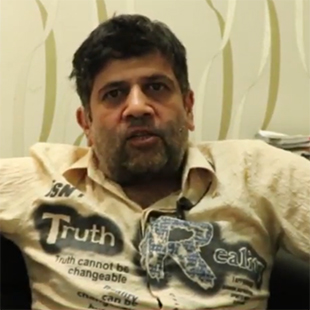
Praful: Tympanoplasty with Mastoidectomy
Mr Praful
Praful: Tympanoplasty with Mastoidectomy

Mr Praful from UK, underwent Tympanoplasty with Mastoidectomy in ASIAN Hospital. He had a hearing loss problem and was looking…

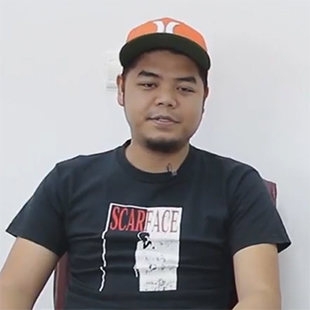
Mr Glenn
Mr Glenn
Mr Glenn: Nasal Septum Surgery

Mr. Glenn from the Philippines underwent Nasal Septum Surgery in International Hospital, U.A.E under the supervision of Dr. Rohit Gulati

Frequently Asked Questions

The cost of laryngectomy in Basel is available on request, which depends on several factors, including the type of laryngectomy (partial or total), hospital charges, surgeon's expertise, anaesthesia, ICU care, pre-operative investigations, reconstruction (if required), hospital stay, speech rehabilitation, and follow-up care. Additional expenses may include medications, voice prosthesis, swallowing therapy, and long-term rehabilitation.

Some of the best hospitals in Basel for Laryngectomy include:
  • University Hospital
  • Choose an experienced ENT (Head and Neck) surgeon or surgical oncologist specialising in head and neck cancer surgery in Basel. Consider the surgeon's experience in laryngeal cancer treatment, reconstructive surgery, voice restoration procedures, multidisciplinary cancer care, and post-operative rehabilitation services.

    Yes. Although the natural voice is lost after a total laryngectomy, many patients regain effective communication through a tracheoesophageal voice prosthesis (TEP), an electrolarynx, or oesophageal speech following speech therapy.

    After a total laryngectomy, breathing occurs through a permanent opening (stoma) in the neck. Patients receive training on cleaning the stoma, preventing infections, using humidification devices, and protecting the airway during daily activities.

    Most patients gradually return to oral feeding after the surgical site heals and swallowing is assessed. Initially, a feeding tube may be required, followed by swallowing rehabilitation under the guidance of speech and swallowing therapists.

    No. Early-stage laryngeal cancers may be treated with radiation therapy, transoral laser surgery, or partial laryngectomy. Total laryngectomy is generally reserved for advanced cancers, recurrent disease, or cases where organ-preserving treatments are not appropriate.

    Recovery typically includes speech and voice therapy, swallowing rehabilitation, nutritional counselling, psychological support, respiratory care, stoma management education, and regular oncology follow-up to monitor healing and detect any recurrence.

    Laryngectomy is an effective treatment with success rates as 85 - 95% for advanced laryngeal cancer and selected recurrent cancers. Success depends on the cancer stage, tumour location, overall health, surgical expertise, and whether additional treatments such as radiotherapy or chemotherapy are required. Early diagnosis and comprehensive cancer care improve outcomes.

    Advanced cancer centres may offer:
  • Partial laryngectomy
  • Total laryngectomy
  • Transoral laser microsurgery (selected cases)
  • Transoral robotic surgery (TORS) where appropriate
  • Microvascular reconstructive surgery
  • Voice prosthesis implantation
  • Tracheoesophageal puncture (TEP)
  • Advanced imaging-guided surgical planning
  • Multidisciplinary cancer treatment with chemotherapy and radiotherapy
  • Comprehensive speech and swallowing rehabilitation
  • Possible complications include bleeding, infection, wound healing problems, pharyngocutaneous fistula, swallowing difficulties, airway narrowing, pneumonia, blood clots, changes in speech, stoma-related complications, and anaesthesia-related risks. Long-term rehabilitation is often required for voice restoration and swallowing.

    Patients should undergo imaging studies such as CT, MRI, or PET-CT scans, biopsy confirmation, blood investigations, anaesthetic evaluation, nutritional assessment, pulmonary evaluation, and counselling regarding speech rehabilitation and lifestyle changes after surgery.

    Yes. Many cancer centres offer virtual consultations where head and neck surgeons review biopsy reports, imaging studies, pathology findings, previous treatments, and medical history before recommending an individualised treatment plan.

    Patients should carry:
  • Passport and travel documents
  • Biopsy and pathology reports
  • CT, MRI, or PET-CT scan images
  • Blood test reports
  • Previous chemotherapy or radiotherapy records (if applicable)
  • Medication and allergy list
  • Previous surgical records
  • Medical insurance documents (if applicable)
  • The duration of stay depends on the extent of surgery, wound healing, rehabilitation, and whether additional cancer treatment is required. Patients usually remain hospitalised for several days and should stay in Basel until the surgeon confirms safe recovery and travel fitness.

    Initial recovery generally takes several weeks. However, complete recovery, speech rehabilitation, swallowing adaptation, and return to routine activities may take several months depending on the type of surgery and individual progress.

    The multidisciplinary care team will closely monitor patients for complications such as infection, fistula formation, swallowing problems, stoma issues, or airway complications. Treatment may involve medications, wound care, nutritional support, speech therapy, additional procedures, or reconstructive surgery if necessary.

    International patients can upload their medical records through the MediGence website. The MediGence care team will arrange an online consultation with experienced head and neck cancer specialists, recommend suitable hospitals, provide personalised treatment plans and cost estimates, and assist with visa support, travel, accommodation, and complete treatment coordination.

    Many countries offer internationally accredited cancer centres with experienced head and neck surgeons, advanced surgical technology, multidisciplinary oncology teams, comprehensive speech rehabilitation programmes, and dedicated international patient services in Basel. Patients should compare hospitals based on clinical expertise, technology, rehabilitation facilities, and treatment outcomes.

    Treatment depends on the stage and location of the cancer and may include:
  • Partial laryngectomy
  • Total laryngectomy
  • Transoral laser surgery
  • Transoral robotic surgery (selected patients)
  • Radiotherapy
  • Chemoradiotherapy
  • Targeted therapy
  • Immunotherapy (for selected cancers)
  • Reconstructive surgery
  • Voice restoration procedures and speech rehabilitation
  • FAQ's Related to Switzerland

    The city of Basel is at the forefront of using innovative medical technology to provide the best healthcare to patients from all around the world. The hospitals in Basel deliver comprehensive care to patients. With a focus on holistic care and recovery, the physicians of Basel are skilled to assist patients at every step of the medical journey starting from diagnosis to post-operative care. Since most people in Basel are fluent in English, international patients won’t face any difficulty in communicating with their doctors when they come for availing treatment in this beautiful city. Some of the common treatments for which patients travel to Basel include orthopedic surgery, cosmetic surgeries, rehabilitation, stem cell therapy, and infertility treatments. Basel is shaping the future of healthcare in Switzerland by emerging as a hub for personalized care.

    Many hospitals in Basel are ISO certified because of the high standards of healthcare. Some of the top hospitals in Basel are:

    • University Hospital: The University Hospital in Basel uses an interdisciplinary approach to prove all-rounded care to its patients. An ISO-certified hospital, the nurses and physicians at this facility work around the clock to deliver patient-centric care. With 600+ beds, the hospital is renowned for using innovative methods such as hormone-delivered radiotherapy for treating neuroendocrine tumors. The hospital also has interpreters on board for helping International patients.
    • Bethesda Spital: This is one of the leading hospitals for using evidence-based medicine to deliver patient-centered care in Northwestern Switzerland. The hospital staff has more than 750 medical experts who dedicatedly treat more than 6000 patients annually. It provides excellent care for orthopedic and gynecological issues. Additionally, it also has rehabilitation experts that provide tailored therapy programs to patients.
    • The Claraspital: This is one of the most renowned hospitals specializing in providing acute care to patients. The hospital has a dedicated center for the treatment of tumors, blood diseases, and cancer. It is well-regarded for offering high-quality healthcare services in specialties like urology, gynecology, cardiology, and general medicine.

    The doctors in Basel are well-trained and highly skilled medical professionals that have been certified by the Swiss Medical Board. Some of the top doctors in Basel are:

    • Dr. Leo Bonati: With 10 years of experience, Dr. Bonati is an acclaimed neurologist who has received international training. He is fluent in English and is an active researcher. Dr. Bonati offers treatments for conditions like neurosyphilis, meningitis, epilepsy, Reye’s syndrome, and brain cancer.
    • Dr. Alexandre Datta: He has more than 10 years of experience in providing treatments for neurological diseases of children. Dr. Datta is an expert in pediatric neurology and has published papers in many journals of repute.
    • Dr. Claudia Behrens: She is an expert obstetrician and gynecologist who treats various gynecological issues.

    Commuting by air is one of the best ways to reach the city of Basel for your medical treatment. If you are planning to travel to Basel, then we can assist you with visas, accommodation, and airport transfers so that you can avail your treatment without any inconvenience.

    Not Sure About Your Treatment Plan? Get a Second Opinion

    Get your medical reports reviewed by experienced doctors to help you make a confident treatment decision, all online within 48 hours.

    Upload Your Reports
    Free second opinion on your CAR-T plan