Your Notifications
All done, no notifications

50 Specialists

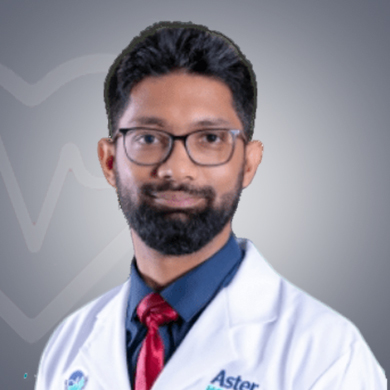
Dr. Boopathy Murugavel

Ophthalmologist

, Dubai, United Arab Emirates

10 Years of experience

Speaks: English , Tamil , Malayalam


Dr. Boopathy Murugavel is a specialized Ophthalmologist in United Arab Emirates. And one of the most sought after medical specialists in Dubai, United Arab Emirates. The doctor has over 10 Years of experience and is associated with Aster DM Healthcare.

Association and Memberships Dr. Boopathy Murugavel is part of:

  • Member of Tamil Nadu Ophthalmic Association
  • Member of Palakkad Society of Ophthalmic Surgeons

Qualifications :

  • M.S Ophthalmology from Vinayaka Missions Kirubananda Variyar Medical College, Salem
  • M.B.B.S from Raja Muthiah Medical College, Chidambaram
  • Fellowship in Vitreous and Retina surgery from Ahalia Foundation Eye Hospital, Palakkad

Hospital Address :

Aster DM Healthcare - Dubai - United Arab Emirates
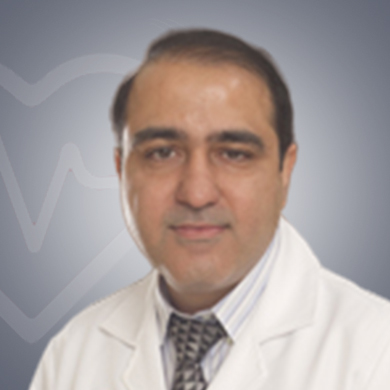
Dr. Chetan Anand Bhatia

Ophthalmologist

, Abu Dhabi, United Arab Emirates

15 Years of experience

Speaks: English , Arabic ,Hindi , Urdu , Gujarati , Sindhi


Dr. Chetan Anand Bhatia is a specialized Ophthalmologist in United Arab Emirates. And one of the most sought after medical specialists in Abu Dhabi, United Arab Emirates. The doctor has over 15 Years of experience and is associated with NMC Royal Hospital, Khalifa City.

Association and Memberships Dr. Chetan Anand Bhatia is part of:

  • American Academy of Ophthalmology
  • All India society of ophthalmology
  • Royal College of Surgeons Glasgow

Qualifications :

  • MBBS - Kasturba medical College, India
  • Diploma in Ophthalmology Kasturba Medical College
  • Diplomate National Board in Ophthalmology
  • Fellowship The Royal College of Physicians and Surgeons of Glasgow, UK

Hospital Address :

NMC Royal Hospital Khalifa City - Abu Dhabi - United Arab Emirates

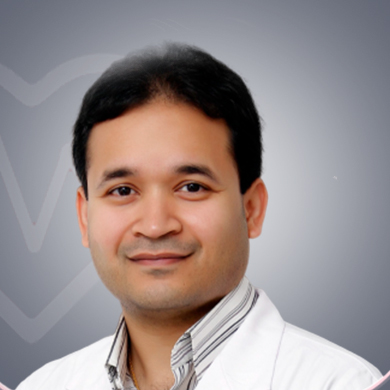
Dr. Jay Anto Kalliath

Ophthalmologist

, Abu Dhabi, United Arab Emirates

15 Years of experience

Speaks: English , Malayalam , Tamil ,Hindi


Dr. Jay Anto Kalliath is a specialized Ophthalmologist in United Arab Emirates. And one of the most sought after medical specialists in Abu Dhabi, United Arab Emirates. The doctor has over 16 Years of experience and is associated with NMC Specialty Hospital.

Association and Memberships Dr. Jay Anto Kalliath is part of:

  • Royal College of Surgeons Glasgow

Qualifications :

  • MBBS - Thrissur Medical College, Thrissur
  • M.S (Ophthalmology) from Madurai Medical College, Madurai
  • Fellowship in Management of Medical and Surgical Diseases of Retina & Vitreous - Aravind Eye Hospital
  • Postgraduate Institute of Ophthalmology, Madurai
  • F.R.C.S. from Royal College of Physicians and Surgeons of Glasgow

Hospital Address :

NMC Specialty Hospital Abu Dhabi - Abu Dhabi - United Arab Emirates

Do you know?

Using MediGence’s Telemedicine Platform, you can book a personalized video consultation with renowned doctors around the world

Explore Telemedicine Platform

Featured Telemedicine Doctors

Dr. Sanjay Vodela

Ophthalmologist

, Dubai, United Arab Emirates

10 Years of experience

Speaks: English ,Hindi , Telugu , Marathi , Kannada , Arabic


Dr. Sanjay Vodela is a specialized Ophthalmologist in United Arab Emirates. And one of the most sought after medical specialists in Dubai, United Arab Emirates. The doctor has over 10 Years of experience and is associated with Medeor 24X7 Hospital.

Association and Memberships Dr. Sanjay Vodela is part of:

  • All India Ophthalmic Society
  • Karnataka Medical Council
  • Maharashtra Medical Council

Qualifications :

  • MBBS, MS (Ophthalmology)
  • FLVPEI (Cornea)
  • Traning LASIK - Bausch & Lomb, India

Hospital Address :

Medeor 24x7 Hospital - Dubai - United Arab Emirates

Dr. Amit Jain

Ophthalmologist

, Dubai, United Arab Emirates

9 Years of experience

Speaks: English ,Hindi , Marathi


Dr. Amit Jain is a specialized Ophthalmologist in United Arab Emirates. And one of the most sought after medical specialists in Dubai, United Arab Emirates. The doctor has over 10 Years of experience and is associated with NMC Specialty Hospital, Al Nahda.

Association and Memberships Dr. Amit Jain is part of:

  • AIOS
  • BOA
  • DOS

Certifications :

  • Training and Fellowship in Cornea and Cataract and Anterior Segment Disorders - Aravind Eye Care System Madurai, India, 2011

Qualifications :

  • MBBS - Maharashtra University Nashik India
  • P.G. Training Master in Ophthalmology, Hyderabadm India, 2009

Hospital Address :

NMC Speciality Hospital Al Nahda Dubai - Dubai - United Arab Emirates

Top Eye Specialist in United Arab Emirates

Eye specialists are expert physicians who have earned the necessary knowledge and expertise in Opthalmology. Opthalmology is the stream of medical science that deals with anomalies or disorders affecting the eye. Eye disorders often go undiagnosed due to ignorance, which is why, one must always visit an opthalmologist in case of persisting irritation, pain, itching, or other issues interrupting the vision. There are several ophthalmologists scattered all across the world who have been serving and curing even the fatal disorders and blessing the affected with clearer vision. Like the other major countries, the best eye specialists in Dubai have earned special recognition on the global platform thereby welcoming thousands of medical tourists all year round.

  1. Best Eye Specialist in Dubai

Dubai is one the most sought after countries for proper medical assistance at affordable packages. Hence, the best eye specialists in Dubai serving in some of the most advanced hospitals are:

  • Dr. Mamta Mittal

  • Dr. Sathish Kidiyur Rama Bhatt

  • Dr. Tamer Fathi Amin Salem

  • Dr. Safwan Al Bayati

  • Dr. Bhatia Prashant Govindram

  1. Procedures performed by Eye Specialist in Dubai

There are several procedures performed by the eye specialists, depending on the type and extent of eye disorder affecting the individual. The need for any of the below-mentioned procedure is extensively studied and thereby implemented as needed. Hence, the list of some of the basic procedures performed by an opthalmologist is:

  • LASIK

  • PRK or Photorefractive Keratectomy

  • Glaucoma Surgery

  • Cataract Surgery

  • Diabetic Retinopathic Surgery

  • Macular Degeneration Surgery 

Top Eye Specialists in United Arab Emirates

DoctorAssociated Hospital
Dr. Sheena BalakrishnanLifecare Hospital, Musaffah, Abu Dhabi
Dr. Jan GrzeszkowiakQuironsalud Ophthalmologic Institute, Dubai
Dr. Mohammad Hadi MohebzadehSaudi German Hospital, Dubai
Dr. Dinesh NairMedeor 24X7 International Hospital, Al Ain, Abu Dhabi
Dr. Abdul Aziz BadlaSaudi German Hospital, Dubai
Dr. Mohamed Ramadan MahmoudZulekha Hospital Sharjah, Sharjah
Dr. Soman Sukumaran Nair-
Dr. Sonam GargNMC Royal Hospital, DIP, Dubai

Reasons to avail Online Consultation with Eye Specialist in United Arab Emirates

Transitions in health care have transformed with time, both demographically and epidemiologically. The delivery of eye care has undergone similar changes. Previously, every eye problem could only be handled by a local doctor, but thanks to advances in healthcare and technology, you may now connect with cross-border eye specialists regardless of your location. When it comes to UAE, the country has a lengthy history of evolvements in healthcare. You can receive the best eye care in the country from top-notch, leading eye care experts. Medical tourism in India has gotten a big boost because of eye care and surgery which is well known and accepted worldwide. Medical tourism in UAE has got a big boost because of eye care and surgery which is well known and accepted worldwide. Some of the reasons why you should seek an online consultation with an eye specialist in the UAE are listed below-

  • With the most competitive charges for treatment by top-notch experts, the UAE is a very lucrative destination for people wanting to undergo treatment for certain medical problems who do not need immediate emergency treatment.
  • The UAE is well-known for its world-class medical international standards and accredited facilities, leading eye doctors, and cutting-edge methods in minimal incision surgeries.
  • Medical tourism in the United Arab Emirates has created a slew of new opportunities for ophthalmic treatment centers, particularly in the field of refractive surgery.
  • All the ophthalmologists/eye surgeons are well-known around the world for their expertise and research.
  • Many optometrists in Dubai are qualified to prescribe and install corrective lenses, as well as diagnose and treat various eye problems.
  • Many overseas patients visit UAE healthcare facilities because of the advanced technologies used by the professionals, including the most up-to-date therapy and surgical facilities in refractive and other general ophthalmic treatments.
  • The hospital provides all necessary assistance to international patients, including assistance with travel, local lodging, surgical treatment, counseling, post-operative medications and care, and so on.
  • Professional healthcare providers conducted research in-country using a robust and transparent methodology.
  • When it comes to ophthalmic surgeons, the UAE has the best, with clinic-academic skills refined to perfection at the best available institutions.
  • They have the competence and experience to diagnose and treat a wide range of eye issues in both children and adults, thanks to their significant clinical expertise and experience.
  • The eye specialists are members of numerous important national and international societies such as the Emirates Society of Ophthalmology, International Council of Ophthalmology, ICVSE, and others in order to keep their skills and knowledge up to date and to receive recognition.
  • Eye specialists in the UAE are dedicated to improving the quality of eye care services for patients from all over the world by diagnosing and treating even the most difficult eye disorders.
  • You will not have to wait or go large distances in the country if you schedule a consultation. You can schedule an appointment wit Telemedicine by MediGence and get connected to the top eye professional in UAE
  • The doctors/specialists in the UAE strive for perfection in delivering unsurpassed care for each patient and creating warm, patient-friendly surroundings in which they can heal more effectively and quickly.
  • A multilingual team of ophthalmologists, pediatric eye specialists and optometrists work in the UAE's healthcare institutions to provide the best possible eye treatment to patients of all ages, without any language barriers.

Top Ophthalmology Experts in United Arab Emirates Hospitals

Which are the countries where we can find Eye Specialist?

Popular Eye Specialist in Top Countries are :

Type of Eye Specialist available in United Arab Emirates?

Top Speciality Doctors in United Arab Emirates:

Top Rated Hospitals Where We Can Find Eye Specialist in United Arab Emirates?

List of Top Rated Hospitals where we can find Eye Specialist in United Arab Emirates are as followed:

Can we get the list of Eye Specialist in United Arab Emirates in any other language?

Yes, we provide the list of Eye Specialist in United Arab Emirates in the following languages:

Frequently Asked Questions
Who is an Eye Specialist?

An eye specialist is a medical doctor who is trained in diagnosing and treating eye-related diseases. Subspecialist eye specialists have generally completed training that qualifies them to work on eye complex disorders that are complex, involve a particular part of the eye, or impact some groups of people. They also get training more extensively than a regular ophthalmologist to perform complicated surgeries on critical parts of the eye.

Many eye specialists are involved in research on the real causes and cures for eye conditions and vision problems. Ophthalmologists can sometimes detect other health problems that may not be directly related to your eye and could refer those patients to the right medical doctors for effective treatment.

Optometrists, a type of eye specialist, have expertise in taking care of primary health care for your eyes. After completing college, they spent a four-year professional program to get a doctor of optometry degree. Some of them undergo additional clinical training or even complete a specialty fellowship after completing optometry school. They generally focus on regular vision care.

What are the qualifications of an Eye Specialist?

To become a qualified eye specialist, an aspiring candidate should complete his/her MBBS degree and then so post-graduation in Ophthalmology. The required postgraduate degrees are Master of Surgery (M.S.), Doctor of Medicine (M.D.), and Diploma in Ophthalmic Medicine and Surgery. The training and work experience is gained during a Junior Residency at a Medical College under the guidance of experienced faculty and this is known as an internship. Also, further work experience during the fellowship, registrar, or senior resident sharpens the skills of an eye specialist.

What conditions do Eye Specialists treat?

Some of the conditions an eye specialist diagnoses and treats include:

  • Cataracts
  • Cornea and external eye diseases
  • Dry eyes, Glaucoma
  • Keratoconus
  • Adult strabismus, esotropia, amblyopia, and exotropia
  • Refractive errors like nearsightedness, astigmatism, farsightedness, and presbyopia
  • Uveitis
  • Vitreoretinal diseases, including macular degeneration, diabetic retinopathy
  • Age-Related Macular Degeneration
  • Amblyopia, Astigmatism, Cataracts, Corneal Disease
  • Diabetic Retinopathy
  • Dry Eye
  • Eye Disease Simulations
  • Low Vision
  • Myopia (Nearsightedness)
  • Floaters, Hyperopia (Farsightedness)
  • Retinopathy of Prematurity
  • Retinal Detachment
  • Presbyopia
  • Refractive Errors
What diagnostic tests are required by an Eye Specialist?

Your eye specialist will order certain diagnostic tests to detect the actual problem with your eyes. Below are some common tests generally ordered by an eye specialist:

  • Color Vision Test: Both acquired and congenital color vision defects can be detected using this test.
  • Computerized Optic Disc Imaging and Nerve Fiber Layer Analysis: This test is used to study the structure of the optic nerve surface and the adjacent retinal nerve fiber layers in a patient with glaucoma.
  • Corneal Topography: Corneal Topography is an effective test used to map and measure the shape of your cornea, the clear front portion of your eye.
  • Electroretinography: Electrodiagnostic testing is used to provide additional information about the function of the retina as well as the optic nerve pathways to the brain.
  • Fluorescein Angiography: The use of fluorescein dye in photographs highlights abnormal blood vessels and detects fluid leaks in the retina, and the overall strength of the retinal circulation
  • Ocular Coherence Tomography: Ocular coherence tomography uses a computer to assess the interference patterns of light reflected from the interior part of the eye.
  • Specular Microscopy: Specular microscopy uses a special camera to take images of an individual cell layer of your cornea.
  • Visual Field Tests: The visual field test, also called perimetry, determines the borders of that field and how effectively the eyes of the patient see in different areas of the field.
  • Ultrasound: Ultrasound of the eye is suggested when the doctor fails to have a good view into the eye or needs to review a specific lesion.
When should you visit an Eye Specialist?

There are some symptoms and signs that may hint you need to see an eye specialist. If you notice any one of the five signs, book an appointment with your eye specialist immediately.

  • Eye pain
  • Eye fatigue
  • Blurry vision
  • Eye infection
  • Light sensitivity
  • Dry or itchy eyes
  • Flashes, spots, floaters
  • Double vision
  • Trouble seeing at night
  • Halos
  • Frequent headache
  • Problem with near or distant vision
  • Diabetes
  • Red or pink eyes
  • Lots of tears
What can you expect from your first visit with an Eye Specialist?

For scheduled eye exams, you may expect to discuss any changes you noticed in your medical history since you saw your eye doctor last time. And if it is your first appointment, you may be asked to provide a more detailed medical history, including all medications you are taking, and any vision issues your parents might have experienced. Make sure you bring in all eyewear that you are wearing at present so it can be evaluated by your eye specialist.

Besides this, you will need to undergo a series of vision screenings and other vision tests to help determine your eye health and the quality of your vision. These tests will also help to find if your current prescription glasses are still meeting your vision needs. The eye doctor will also check the eyes for signs of any vision problems or eye conditions.

Finally, you should have a detailed discussion about the current state of your vision and eye health, and your eye specialist may suggest vision correction in the form of contact lenses or eyeglasses. Any health problems or serious vision complications would also be discussed, including steps you need to take to protect and preserve your sight.

Which are the most common procedures performed by an Eye Specialist?

There are different ways to treat vision problems. Surgery can correct problems, such as glaucoma and cataracts. Other procedures may improve poor vision.

Here are some common procedures performed by an eye specialist:

  • Photorefractive keratectomy
  • LASIK
  • Cataract surgery
  • Glaucoma surgery
  • Diabetic retinopathy surgery
  • Macular Degeneration Surgery
  • Refractive surgery for vision correction
  • Repairing torn or detached retinas
  • Corneal transplants
  • Eyelid surgery
  • Eye Bag surgery
  • Eye cancer surgery
  • Vitrectomy

FAQs related to United Arab Emirates