Your Notifications
All done, no notifications

823 Specialists

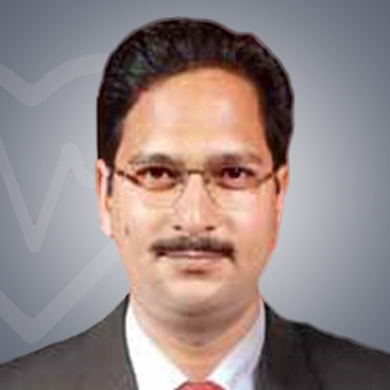
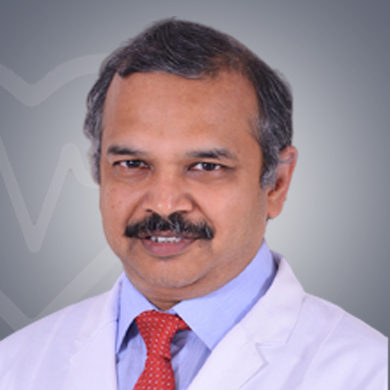
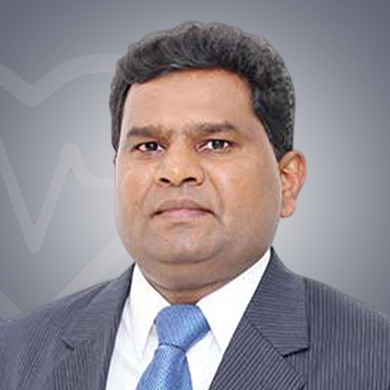
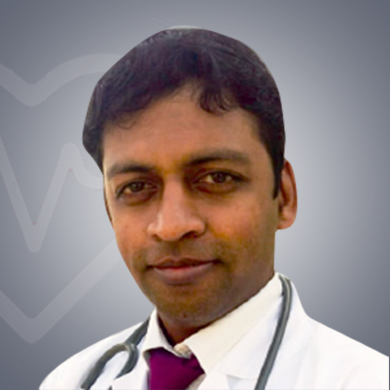
Dr. Rajeev Vijayakumar

Hematologist

, Bangalore, India

20 Years of experience

Speaks: English , kannda ,Hindi , Tamil , Telugu


Dr Rajeev Vijayakumar is one of the most skillful Medical Oncologist in Bengaluru, India. The medical practitioner holds over 10 years of experience and is associated with BGS Gleneagles Global Hospitals.

Qualifications :

  • MBBS
  • DNB - General Medicine
  • DNB - Medical Oncology

Hospital Address :

BGS Gleneagles Global Hospitals, Sunkalpalya, Bengaluru, Karnataka, India

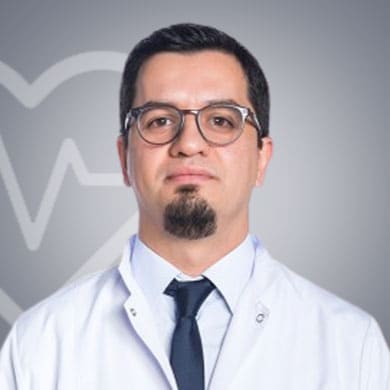
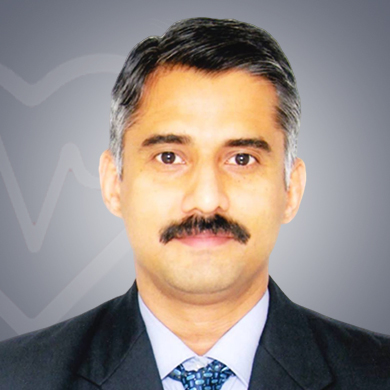
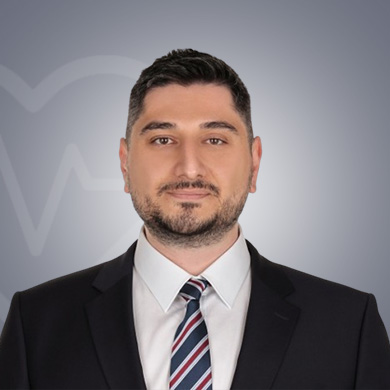
Dr. Ogun Ersen

Surgical Oncologist

, Izmir, Turkey

12 Years of experience

Speaks: Turkish,English


Dr.Ogun Ersen is a specialized Cancer Specialist. And one of the most sought after medical specialists in Turkey. The doctor has 12 of experience and is associated with , one of the best hospitals in Turkey.
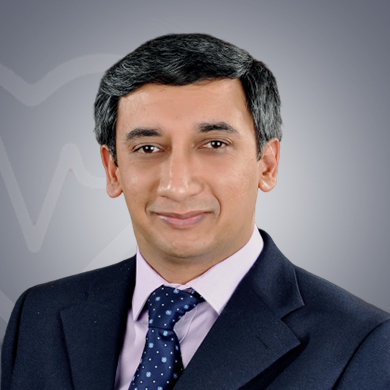
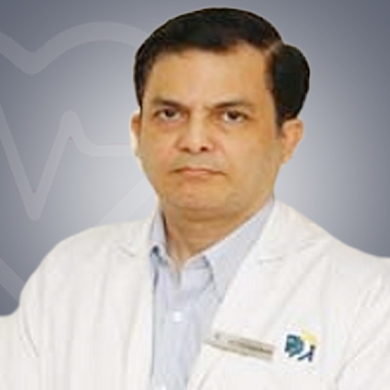
Dr. Duangmani Thanapprapasr

Laparoscopic Surgeon

, Bangkok, Thailand

14 Years of experience

Speaks: English, Thai


Dr. Duangmani Thanapprapasr is a specialized Gynecologist in Thailand. And one of the most sought after medical specialists in Bangkok, Thailand. The doctor has over 18 Years of experience and is associated with Bangkok Hospital.

Association and Memberships Dr. Duangmani Thanapprapasr is part of:

  • European Society of Gynecological Oncology (ESGO)
  • Thai Society for Colposcopy and Cervical Pathology
  • Thai Gynecologic Cancer Society , Thailand
  • Royal College of Obstetricians and Gynecologists of Thailand

Qualifications :

  • Gynecology Oncology , Ramathibodi Hospital Mahidol University, 2008
  • Family Medicine, 2003
  • Obstetrics and Gynecology , Ramathibodi Hospital Mahidol University, 2000
  • Doctor of Medicine (MD) , Ramathibodi Hospital Mahidol University (Medical degree), 1994

Hospital Address :

Bangkok Dusit Medical Services, Nong Prue, Bang Phli, Samut Prakan, Thailand

Do you know?

Using MediGence’s Telemedicine Platform, you can book a personalized video consultation with renowned doctors around the world

Explore Telemedicine Platform
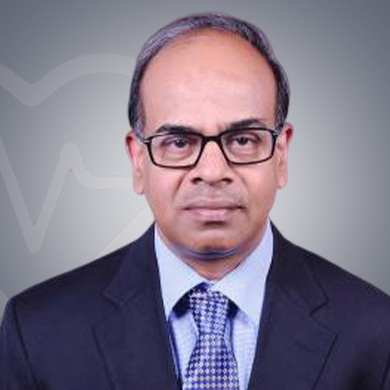
Dr. Jittakarn Mitisubin

Medical Oncologist

, Bangkok, Thailand

17 Years of experience

Speaks: English, Thai


Dr.Jittakarn Mitisubin is a specialized Cancer Specialist. And one of the most sought after medical specialists in Thailand. The doctor has 17 of experience and is associated with , one of the best hospitals in Thailand.
Dr. Tanaphon Maipang

Surgical Oncologist

, Bangkok, Thailand

19 Years of experience

Speaks: English, Thai


Dr.Tanaphon Maipang is a specialized Cancer Specialist. And one of the most sought after medical specialists in Thailand. The doctor has 19 of experience and is associated with , one of the best hospitals in Thailand.
Dr. Chanin Pundee

General Laparoscopic Surgeon

, Bangkok, Thailand

13 Years of experience

Speaks: English, Thai


Dr.Chanin Pundee is a specialized Cancer Specialist. And one of the most sought after medical specialists in Thailand. The doctor has 13 of experience and is associated with , one of the best hospitals in Thailand.
Dr. Prasert Lertsanguansinchai

Radiation Oncologist

, Bangkok, Thailand

39 Years of experience

Speaks: English, Thai


Dr.Prasert Lertsanguansinchai is a specialized Cancer Specialist. And one of the most sought after medical specialists in Thailand. The doctor has 39 of experience and is associated with , one of the best hospitals in Thailand.
Dr. Sakpisid Nawasiri

Radiation Oncologist

, Bangkok, Thailand

37 Years of experience

Speaks: English, Thai


Dr.Sakpisid Nawasiri is a specialized Cancer Specialist. And one of the most sought after medical specialists in Thailand. The doctor has 37 of experience and is associated with , one of the best hospitals in Thailand.
Dr. Kanokpis Townamchai

Radiation Oncologist

, Bangkok, Thailand

17 Years of experience

Speaks: English, Thai


Dr.Kanokpis Townamchai is a specialized Cancer Specialist. And one of the most sought after medical specialists in Thailand. The doctor has 17 of experience and is associated with , one of the best hospitals in Thailand.
Dr. Napapat Amornwichet

Radiation Oncologist

, Bangkok, Thailand

15 Years of experience

Speaks: English, Thai


Dr.Napapat Amornwichet is a specialized Cancer Specialist. And one of the most sought after medical specialists in Thailand. The doctor has 15 of experience and is associated with , one of the best hospitals in Thailand.
Dr. Semih Ayan

Urologist

, Istanbul, Turkey

21 Years of experience

Speaks: Turkish & English


Dr. Semih Ayan is a specialized Urosurgeon in Turkey. And one of the most sought after medical specialists in istanbul, Turkey. The doctor has over of experience and is associated with I.A.U VM Medical Park Florya Hospital.

Association and Memberships Dr. Semih Ayan is part of:

  • Urological Surgery Association
  • European Urology Association Ureology Association
  • American Urology Association
  • United States Medical License (USMLE)
  • Certificate of European Urology Board Certificate

Qualifications :

  • 1997 - Urology Specialist Republican University
  • 1999 - Pediatric Urology Postdoctoral Research
  • Fellow - Harvard University
  • 2003 - Associate Professor of Urology
  • 2009 - Urology Professor
  • 2015 - University of Chicago

Hospital Address :

Beyol, .A.

Dr. Tanomsiri Stithit

Surgical Oncologist

, Bangkok, Thailand

29 Years of experience

Speaks: Thai , English


Dr. Tanomsiri Stithit is a specialized Surgical Oncologist in Thailand. And one of the most sought after medical specialists in Bangkok, Thailand. The doctor has over 21 Years of experience and is associated with Phyathai 2 International Hospital.

Association and Memberships Dr. Tanomsiri Stithit is part of:

  • International Gynecologic Cancer Society

Certifications :

  • Certificate of Visiting Clinician at Mayo Clinic Hospital, USA, 2010
  • Certificate of Visiting Clinician at Seattle Cancer Care Alliance, USA
  • Certificate of Visiting Clinician at New Mexico Cancer Center, USA

Qualifications :

  • MD Faculty of Medicine Ramathibodi Hospital, Mahidol University, Thailand, 1989-1995
  • Diploma of the Thai Board Obstetrics and Gynecology, Bhumibol Adulyadej Hospital, Thailand, 1997-1999
  • Diploma of the Thai Board of Gynecologic Oncology, Bhumibol Adulyadej Hospital, Thailand, 2006-2007

Hospital Address :

Phyathai 2 Hospital, Phahonyothin Road, Phaya Thai, Thailand

Dr. Ashu Abhishek

Oncologist

, Gurgaon, India

21 Years of experience

Speaks: Hindi , English


Dr. Ashu Abhishek is a specialized Radiation Oncologist in India. And one of the most sought after medical specialists in Gurugram, India. The doctor has over of experience and is associated with Fortis Memorial Research Institute.

Association and Memberships Dr. Ashu Abhishek is part of:

  • Delhi Medical Council
  • Haryana Medical Council
  • Medical Council of India
  • Life Member of Indian Medical Association
  • Delhi Medical Association
  • Association of Radiation Oncologists of India
  • Member of AERO (accuray)
  • Affiliate member ESTRO / ASTRO/ ESMO

Certifications :

  • Observership (Aarhus University, Denmark) and skilled training in Liver IGRT (Toronto, Canada)
  • Traning SBRT/ Cyberknife (Boston university and Sunnyvale, USA).

Qualifications :

  • MBBS Graduate (UCMS & GTB Hospital, Delhi)
  • MD (Radiation Oncology) from Maulana Azad Medical College, New Delhi

Hospital Address :

FMRI, Sector 45, Gurugram, Haryana, India

Dr. Kamlesh Mishra

Surgical Oncologist

, Abu Dhabi, United Arab Emirates

30 Years of experience

Speaks: English ,Hindi


Dr. Kamlesh Mishra is a specialized Surgical Oncologist in United Arab Emirates. And one of the most sought after medical specialists in Dubai, United Arab Emirates. The doctor has over of experience and is associated with Burjeel Hospital, Abu Dhabi.

Qualifications :

  • MD in OBG from JNMC in 1992 and Senior Residency from Lady Harding Medical College in 1995 , she did her super-specialty training ( 2 years Fellowship training) in Gynecology Oncology (2007 to 2009 ) from reputed Cancer Teaching Institute Gujarat Cancer & Research Institute , Ahmedabad, India . She is extensively trained at GC&RI, India and at Royal Women’s Hospital, Sydney, Australia and Tata Memorial Cancer Institute, Mumbai in advanced Gynecological Cancer Surgeries. She is also a trained Gynecology laparoscopic and Hysteroscopic surgeon.

Hospital Address :

Burjeel Hospital - Abu Dhabi - United Arab Emirates

Dr. Frea Perdawood

Surgical Oncologist

, Sharjah, United Arab Emirates

27 Years of experience

Speaks: Arabic , Danish , English , Norwegian , Swedish


Dr. Frea Perdawood is a specialized Surgical Oncologist in United Arab Emirates. And one of the most sought after medical specialists in Dubai, United Arab Emirates. The doctor has over of experience and is associated with American Hospital.

Association and Memberships Dr. Frea Perdawood is part of:

  • The danish Breast associaition (DBKS)

Qualifications :

  • M.B:CH:B) in medicin and surgery, Salahadin university, Iraq, 1997,
  • Danish Board in general surgery, Odense university Hospital OUH, Denmark, 2014,
  • Certified Breast oncosurgeon , The danish Breast associaition (DBKS), Denmark, 2018

Hospital Address :

American Hospital 1 - Dubai - United Arab Emirates

Online Appointments with Top Cancer Specialist

About Cancer Specialists

Cancer specialists, also called oncologists, are doctors specialized in the diagnosis, treatment and prevention of cancer. There are different types of cancer specialists based on the specific area or region they specialize in. For example, a cancer specialist who diagnoses treats and prevents the disorders of the blood, bone marrow and lymph nodes are Hematologists. A cancer specialist works in coordination with various healthcare experts for special cancer care.

If cancer is detected in a patient with symptoms of cancer, oncologist designs a treatment plan for you based on his evaluation with the details of the type of cancer you have, what is the stage of the cancer, how fast it is likely to grow and what parts of your body are or likely to get affected.

A cancer specialist manages a patient’s care throughout the course of the treatment starting with the diagnosis, including:

  • Explaining the cancer diagnosis and stage
  • Discussing all the treatment options and his or her preferred choice
  • Helping a patient manage the symptoms and side effects of cancer and cancer treatment

Procedures Performed by Cancer Specialists

  • Cancer Surgery
  • Stem Cell Transplant
  • Chemotherapy (External Beam Radiation or Brachytherapy)
  • Bone marrow transplant
  • Immunotherapy
  • Hormone therapy
  • Targeted drug therapy
  • Cryoablation
  • Radiofrequency ablation
  • Clinical trials
  • Precision Medication

Top Cancer Specialists

DoctorAssociated Hospital
Dr. Valerijus OstapenkoKardiolita Hospital, Vilnius, Vilnius
Dr. Dinesh PendharkarSarvodaya Hospital and Research Centre, Faridabad
Dr. Kaan OysulMedicana Camlica Hospital, Istanbul
Dr. Emel Ceylan GunayLiv Hospital Ulus, Istanbul
Dr. Vedant KabraManipal Hospital, Dwarka, New Delhi
Dr. Meltem Topalgokceli SelamLiv Hospital Ulus, Istanbul
Dr. Ertugrul GaziogluLiv Hospital Ulus, Istanbul
Dr. Rimantas BausysKardiolita Hospital, Vilnius, Vilnius

Reasons to avail Online Consultation with Cancer Specialist

Cancer is a complex condition that puts sufferers in a panicked state. Cancer patients are at a higher risk of infection than the average healthy person due to a weakened immune system that controls their body's defensive mechanism. Early identification, screening, and diagnosis are critical in cancer care. Virtual consultations have been a boon for cancer patients in these continuous epidemic scenarios and in this tech-advanced world. Patients can receive complete assessment and care regardless of their location by requesting an online consultation with an oncology specialist. At MediGence (Telemedicine service), we can help you by providing expert cancer consultation from highly experienced and board-certified cancer specialists in 20+ countries. Following are some more reasons to avail an online consultation with a cancer specialist-

  • The doctor extensively checks the patient's condition and the medical reports are shared online in a video calling consultation, just as they do in face-to-face consultations.
  • Online healthcare is affordable and saves a lot of time.
  • Patients can get qualitative & prompt medical attention, consultation, and second opinions at a single stop
  • It can reduce the distress of cancer patients regarding their course of treatment, complications, medications, follow-up consultations, etc.
  • Onco's virtual care management approach ensures that cancer patients and caregivers receive the best possible guidance and treatment from specialists.
  • It will make you confident about the cancer treatment, with expert validation
  • You won't have to answer the same questions over and over; your medical history will be saved online and may be accessed at any time.
  • Different doctors may recommend varied treatment options. An online cancer consultation before the treatment could assess your condition better, and can give you the hope and assurance that you need in choosing a safe and reliable treatment option that you deserve.
  • You will be offered a better treatment plan that has the potential to prevent a misdiagnosis. And, perhaps even save a life.
  • You can explore various types of treatments, from the available options such as Surgery, Chemotherapy, Radiotherapy, & Hormone therapy
  • You can plan your treatment, travel date, visa application, and further treatment procedures, accordingly
  • Consulting with a doctor online can reduce the chances of catching any new infectious illness
  • Online consultation with a cross-border expert oncologist or cancer specialist via Telemedicine can cost you between 123 USD- 456 USD

About Cancer Specialist

Types of cancer specialists

There are three main types of cancer specialists depending on the nature of cancer treatment, including medicine, radiation, and surgery. Each treatment is handled by different specialists. A person might not need all the three types of treatments. It actually depends on the type of cancer as well as the stage of the cancer.

The three types of cancer specialists are:

  • Radiation oncologist
  • Surgical oncologist
  • Medical Oncologist

About Radiation Oncologist

A radiation oncologist is a physician who specializes in the controlled use of ionizing radiation for the treatment of cancer. Radiation oncology is a branch of oncology, which is often used in combination with the other two branches of medical oncology and surgical oncology to treat a cancer patient.

A radiation oncologist works alongside medical oncologist, surgical oncologist, radiologists, interventional radiologists, internal medicine specialists as well as physicists who form a part of multidisciplinary cancer team at the hospital. The team, based on the patient’s clinical status, develops a comprehensive treatment plan. A radiation oncologist determines the dosage and delivery method of radiation therapy to be given to the patient as per the current clinical status and medical history.

Procedures Performed by Radiation Oncologist

Based on the area of specialization, a radiation oncologist offers procedure not limited to the following:

  • Brachytherapy
  • Internal modulated radiation therapy (IMRT)
  • Stereotactic radiosurgery
  • Stereotactic body radiotherapy (Cyberknife, Gammaknife, X-knife)
  • Proton therapy
  • Radiation therapy
  • 3D conformal radiation
  • Adaptive radiation therapy (ART)
  • Proton therapy
  • Radioactive iodine therapy
  • Radionucleotide therapy

About Surgical Oncologist

A surgical oncologist is a surgeon specialized in treating cancer that requires surgery to remove tumors and other cancerous tissues. He performs surgeries for removing tumor or cancerous tissues and also the nearby susceptible tissues. Surgical oncologists also perform certain types of biopsies to help in the diagnosis of cancer. They work in coordination with other doctors, specialists and clinicians to help in reducing the pain, side effects, clinicians and speed up the recovery after the surgery.

A surgical oncologist is usually the first specialist doctor you will see if your primary care physician suspects that you have cancer. Surgical oncologist then performs biopsies by taking a small portion of the tissues so that it can be checked for the presence of cancer.

If the presence of cancerous cells gets confirmed, the surgical oncologist will perform surgery to remove the tumor or cancerous cells and the surrounding tissues. The surgeon will also help you prepare for and recover from any surgical procedure that you have to undergo during your cancer treatment.

Most of the patients have cancer surgery combined with other treatments like chemotherapy, radiation therapy or hormone therapy. Sometimes, non-surgical treatments (also known as neoadjuvant therapy) or post-surgery treatments (also known as adjuvant therapy) help in the prevention of cancer growth, metastasis or cancer recurrence.

Procedures Performed by Surgical Oncologist

  • Laparoscopy
  • Robotic surgery
  • Appendectomy
  • Bowel resection
  • ERBEJET2
  • Flex Robotic System
  • HIPEC Treatment
  • Vascularized lymph node transfer surgery
  • Lymphaticovenular bypass surgery
  • Pneumonectomy
  • Robotic surgery (da Vinci Surgical System)
  • Thoracotomy
  • Thyroidectomy
  • Tracheoesophageal puncture (TEP)
  • Video-assisted thoracoscopic surgery (VATS)

About Medical Oncologist

A medical oncologist is a physician who specializes in the diagnosis, treatment, and care of patients who have cancer of any tissue or organ. He provides treatment of cancer using systematic therapies- like chemotherapy, targeted therapy, hormone therapy, immunotherapy- and biological agents.

A medical oncologist usually works in conjunction with other multi-disciplinary cancer specialists, for instance, surgical oncologists, radiation oncologists, radiologists or interventional radiologists, to give the best treatment outcomes. Your medical oncologist takes care of your chemotherapy, hormone therapy, and immunotherapy.

Medical Oncologists are the specialist that you are going to visit most often and for the longest period of time in the duration of your cancer treatment. This is because your oncologist is the specialist who will modulate your general care and coordinate your course of treatment with other specialists as well.

Procedures Performed by Medical Oncologist

A medical oncologist performs the below, but not limited to, procedures:

  • Blood tests – to look for the markers of cancer
  • Imaging tests
  • Bone marrow aspirate or biopsy
  • Chemotherapy
  • Hormone therapy
  • Immunotherapy

Which are the countries where we can find Cancer Specialist?

Popular Cancer Specialist in Top Countries are :

Type of Cancer Specialist available Worldwide?

Top Speciality Doctors Worldwide:

  • Surgical Oncologist
  • Medical Oncologist
  • Radiation Oncologist

Top Rated Hospitals Where We Can Find Cancer Specialist Worldwide?

List of Top Rated Hospitals where we can find Cancer Specialist Worldwide are as followed:

Can we get the list of Cancer Specialist worldwide in any other language?

Yes, we provide the list of Cancer Specialist worldwide in the following languages:

Get Insight with our Blogs

Jennifer’s Medical Journey of Overcoming Breast Cancer
Patient Stories

Jennifer’s Medical Journey of Overcoming Breast Cancer

Mrs. Jennifer, a 46-year-old educator from the Philippines, led an active life. She did not give her health any special consideration aside from the typical life responsibilities of work, family, and church.

Published: 28 Jul, 2025
Updated: 28 Jul, 2025
Frequently Asked Questions
Who are the top Cancer Specialists in All offering online consultation?

Here are some of the best rated cancer specialist available for online consultation:

Which are some of the best hospitals Cancer Specialists are associated with?
Who is a Cancer Specialist?

An oncologist is a doctor who specializes in diagnosing and treating cancer. If you have cancer, a cancer specialist will design a treatment plan based on pathology reports that say what type of cancer you have, up to what extent it has developed, how quickly it is likely to spread, and what body parts are affected.

As most cancers are treated through a combination of therapies, you could see several different kinds of cancer specialists during the course of your treatment. The types of cancer specialists include:

Medical oncologists: Medical oncologists treat cancer using hormonal therapies, chemotherapy, biological therapies, and other targeted treatments. People often consider a medical oncologist as their primary cancer doctor.

Radiation oncologists: Radiation oncologists use high-energy photon beams to destroy cancer cells.

Surgical oncologists: A surgical oncologist may be the first doctor you may see if your primary care physician thinks that you have cancer. Surgical oncologists often perform a biopsy, which involves the removal of a small section of tissues to check for cancer cells.

Pediatric oncologists: A pediatric oncologist specializes in certain types of cancer, and conducts research on childhood cancers.

Gynecologic oncologists: Gynecologic oncologists can treat cancers that affect women, such as cervical, ovarian, uterine, vaginal, and vulvar cancers.

Hematologist-oncologist: Doctors who specialize in treating blood cancers likely lymphoma and leukemia are called hematologists, because they may treat blood disorders that are not cancer, like hemophilia and sickle cell anemia.

What are the qualifications of a Cancer Specialist?

A cancer specialist must choose a specific discipline to have expertise in a particular type of procedure. The minimum educational qualification for becoming a cancer specialist is a Bachelor’s Degree or Higher Degree from an accredited university or college.

Students after passing their 12th class in the science stream need to pursue a Bachelor’s Degree from a recognized college or university. Candidates have to appear in entrance tests for getting admission in the very courses related to oncology.

Then go for an MBBS degree, after which you do a three-year:

a) M.S., followed by a three-year M.Ch. Program

b) M.D. (Medicine/ Paediatrics), topped up with a DM (Medical Oncology) qualification

c) M.D. in Radiotherapy. If you can’t do M.S. or M.D., opt for a DNB

A Master’s degree is given more credit in offering jobs or becoming a specialist in Oncology. After passing their graduation candidates can have this post-graduation course from a recognized institute in the country. Here, they are introduced about the details of topics regarding Oncology or other aspects of it which are given below-

Master’s Degree Courses-

M.Ch. (Surgical Oncology)

D.M. (Medical Oncology)

What conditions do Cancer Specialists treat?

Cancer specialistscan treat different types of cancer as given below:

  • Bladder, kidney, and other genitourinary cancers
  • Brain tumors
  • Leukemia and other blood cancers
  • Lung cancer
  • Breast cancer
  • Cervical, uterine, ovarian, and other gynecologic cancers
  • Pancreatic, Colorectal, stomach, and other gastrointestinal cancers
  • Thyroid, Oral, esophageal, and other head and neck cancers
  • Testicular and prostate cancer
  • Skin cancer such as melanoma
What diagnostic tests are required by Cancer Specialist?

A cancer specialist suggests certain diagnostic test(s) to confirm the presence of cancer. Some common tests for cancer detection are as follows:

  • Biopsy: Tissue sample is studied to diagnose cancer.
  • Breast MRI: Imaging test is used to detect breast tissue.
  • Computed Tomography (CT) Scan: It is a type of imaging test used to detect and learn more about cancer.
  • Electrocardiogram (EKG) and Echocardiogram: Tests to find problems with the valves, heart muscle, or rhythm.
  • Mammogram: A mammogram is an X-ray used to detect cancer in breast tissue.
  • Ultrasound: An ultrasound is used to locate tumors by revealing their exact location in the body.
  • Positron Emission Tomography and Computed Tomography (PET-CT) Scans: It is also known as a PET scan, which is a type of diagnostic test used in cancer treatment.
  • Colonoscopy: A colonoscopy is a way to can see the entire large intestine.
  • Bone Scan: It is a test that can help a cancer specialist diagnose problems with your bones.
When should you visit a Cancer Specialist?

Cancer can affect different tissues in the body, producing various signs and symptoms, such as fatigue, weight loss, a persistent cough, and skin changes. Anyone who experiences continuous or worrisome symptoms should consult a cancer specialist immediately. You should visit a cancer specialist if you experience any of the below symptoms:

  • Breast changes: Breast cancer often results in visible changes in the breast tissue.
  • Vaginal bleeding between periods: Irregular vaginal bleeding might signal endometrial or cervical cancers
  • Testicular lumps: A hard, painless lump inside the testicle may indicate testicular cancer.
  • Bowel changes: A persistent change in bowel habits may signal cancers of the rectum or colon, which are collectively referred to as colorectal cancers.
  • Rectal bleeding: Colorectal cancers can lead to bleeding in the digestive system. Stools could contain visible blood or look darker than usual.
  • Urinary changes: Any change in urinary habits is a symptom of both bladder and prostate cancers.
  • Skin cancer: Skin cancer can appear on any part of the skin. However, it mostly appears in areas that have exposure to the sun, like the face, arms, neck, and hands.
  • Lung cancer: Lung cancer may not always produce visible symptoms in its early stages. If symptoms appear, people may mistake them for cold or acute respiratory infections.
What can you expect from your first visit with a Cancer Specialist?

When a patient visits a clinic for the first consultation, the cancer specialist will do a thorough examination. Then, the oncologist will ask some questions and review the patient’s detailed health history. This will include an assessment of the tests and scans the patient might have had beforehand. The cancer specialist can then develop a treatment strategy that suits the patient.

At the first appointment, the cancer specialist will talk to the patient about treatment options. The oncologist will tell which ones are available at present, what the side effects may be, and how effective they are. Then the specialist will recommend a course and then suggest when the treatments should start.

Which are the most common procedures performed by a Cancer Specialist?
  • Immunotherapy
  • Hormone therapy
  • Targeted drug therapy
  • Cryoablation
  • Cancer Surgery
  • Stem Cell Transplant
  • Chemotherapy
  • Clinical trials
  • Precision Medication
  • Bone marrow transplant
  • Radiofrequency ablation

FAQs related to

Who is a Cancer Specialist?

An oncologist is a doctor who specializes in diagnosing and treating cancer. If you have cancer, a cancer specialist will design a treatment plan based on pathology reports that say what type of cancer you have, up to what extent it has developed, how quickly it is likely to spread, and what body parts are affected.

As most cancers are treated through a combination of therapies, you could see several different kinds of cancer specialists during the course of your treatment. The types of cancer specialists include:

Medical oncologists: Medical oncologists treat cancer using hormonal therapies, chemotherapy, biological therapies, and other targeted treatments. People often consider a medical oncologist as their primary cancer doctor.

Radiation oncologists: Radiation oncologists use high-energy photon beams to destroy cancer cells.

Surgical oncologists: A surgical oncologist may be the first doctor you may see if your primary care physician thinks that you have cancer. Surgical oncologists often perform a biopsy, which involves the removal of a small section of tissues to check for cancer cells.

Pediatric oncologists: A pediatric oncologist specializes in certain types of cancer, and conducts research on childhood cancers.

Gynecologic oncologists: Gynecologic oncologists can treat cancers that affect women, such as cervical, ovarian, uterine, vaginal, and vulvar cancers.

Hematologist-oncologist: Doctors who specialize in treating blood cancers likely lymphoma and leukemia are called hematologists, because they may treat blood disorders that are not cancer, like hemophilia and sickle cell anemia.

What are the qualifications of a Cancer Specialist?

A cancer specialist must choose a specific discipline to have expertise in a particular type of procedure. The minimum educational qualification for becoming a cancer specialist is a Bachelor’s Degree or Higher Degree from an accredited university or college.

Students after passing their 12th class in the science stream need to pursue a Bachelor’s Degree from a recognized college or university. Candidates have to appear in entrance tests for getting admission in the very courses related to oncology.

Then go for an MBBS degree, after which you do a three-year:

a) M.S., followed by a three-year M.Ch. Program

b) M.D. (Medicine/ Paediatrics), topped up with a DM (Medical Oncology) qualification

c) M.D. in Radiotherapy. If you can’t do M.S. or M.D., opt for a DNB

A Master’s degree is given more credit in offering jobs or becoming a specialist in Oncology. After passing their graduation candidates can have this post-graduation course from a recognized institute in the country. Here, they are introduced about the details of topics regarding Oncology or other aspects of it which are given below-

Master’s Degree Courses-

M.Ch. (Surgical Oncology)

D.M. (Medical Oncology)

What conditions do Cancer Specialists treat?

Cancer specialistscan treat different types of cancer as given below:

  • Bladder, kidney, and other genitourinary cancers
  • Brain tumors
  • Leukemia and other blood cancers
  • Lung cancer
  • Breast cancer
  • Cervical, uterine, ovarian, and other gynecologic cancers
  • Pancreatic, Colorectal, stomach, and other gastrointestinal cancers
  • Thyroid, Oral, esophageal, and other head and neck cancers
  • Testicular and prostate cancer
  • Skin cancer such as melanoma
What diagnostic tests are required by Cancer Specialist?

A cancer specialist suggests certain diagnostic test(s) to confirm the presence of cancer. Some common tests for cancer detection are as follows:

  • Biopsy: Tissue sample is studied to diagnose cancer.
  • Breast MRI: Imaging test is used to detect breast tissue.
  • Computed Tomography (CT) Scan: It is a type of imaging test used to detect and learn more about cancer.
  • Electrocardiogram (EKG) and Echocardiogram: Tests to find problems with the valves, heart muscle, or rhythm.
  • Mammogram: A mammogram is an X-ray used to detect cancer in breast tissue.
  • Ultrasound: An ultrasound is used to locate tumors by revealing their exact location in the body.
  • Positron Emission Tomography and Computed Tomography (PET-CT) Scans: It is also known as a PET scan, which is a type of diagnostic test used in cancer treatment.
  • Colonoscopy: A colonoscopy is a way to can see the entire large intestine.
  • Bone Scan: It is a test that can help a cancer specialist diagnose problems with your bones.
When should you visit a Cancer Specialist?

Cancer can affect different tissues in the body, producing various signs and symptoms, such as fatigue, weight loss, a persistent cough, and skin changes. Anyone who experiences continuous or worrisome symptoms should consult a cancer specialist immediately. You should visit a cancer specialist if you experience any of the below symptoms:

  • Breast changes: Breast cancer often results in visible changes in the breast tissue.
  • Vaginal bleeding between periods: Irregular vaginal bleeding might signal endometrial or cervical cancers
  • Testicular lumps: A hard, painless lump inside the testicle may indicate testicular cancer.
  • Bowel changes: A persistent change in bowel habits may signal cancers of the rectum or colon, which are collectively referred to as colorectal cancers.
  • Rectal bleeding: Colorectal cancers can lead to bleeding in the digestive system. Stools could contain visible blood or look darker than usual.
  • Urinary changes: Any change in urinary habits is a symptom of both bladder and prostate cancers.
  • Skin cancer: Skin cancer can appear on any part of the skin. However, it mostly appears in areas that have exposure to the sun, like the face, arms, neck, and hands.
  • Lung cancer: Lung cancer may not always produce visible symptoms in its early stages. If symptoms appear, people may mistake them for cold or acute respiratory infections.
What can you expect from your first visit with a Cancer Specialist?

When a patient visits a clinic for the first consultation, the cancer specialist will do a thorough examination. Then, the oncologist will ask some questions and review the patient’s detailed health history. This will include an assessment of the tests and scans the patient might have had beforehand. The cancer specialist can then develop a treatment strategy that suits the patient.

At the first appointment, the cancer specialist will talk to the patient about treatment options. The oncologist will tell which ones are available at present, what the side effects may be, and how effective they are. Then the specialist will recommend a course and then suggest when the treatments should start.

Which are the most common procedures performed by a Cancer Specialist?
  • Immunotherapy
  • Hormone therapy
  • Targeted drug therapy
  • Cryoablation
  • Cancer Surgery
  • Stem Cell Transplant
  • Chemotherapy
  • Clinical trials
  • Precision Medication
  • Bone marrow transplant
  • Radiofrequency ablation