Browse verified doctors or let our care team help you find the doctor best suited to your condition, treatment goals, and budget.

MGM Healthcare offers specialised Total Knee Replacement B/L using modern surgical technology and established orthopaedic treatment protocols. Established in 2016, the NABH, NABL, JCI accredited hospital is situated in Chennai, India, with 400 beds, serving local and international patients.
Bilateral total knee replacement can help patients with severe arthritis or extensive damage in both knee joints regain mobility and reduce chronic pain. During surgery, damaged joint surfaces are replaced with artificial components designed to support normal knee movement. The specialist reviews imaging, joint function, medical history, and overall health before recommending simultaneous or staged bilateral replacement.
MALI Interdisciplinary Hospital offers specialised Total Knee Replacement B/L using modern surgical technology and established orthopaedic treatment protocols. Established in 2021, the NABH, JCI, CBAHI, AACI accredited hospital is situated in Bangkok, Thailand, with 100 beds, serving local and international patients.
Bilateral total knee replacement can help patients with severe arthritis or extensive damage in both knee joints regain mobility and reduce chronic pain. During surgery, damaged joint surfaces are replaced with artificial components designed to support normal knee movement. The specialist reviews imaging, joint function, medical history, and overall health before recommending simultaneous or staged bilateral replacement.
Apollo Hospitals Bannerghatta provides Total Knee Replacement B/L using contemporary joint replacement techniques and evidence-based orthopaedic care. Founded in 2007, the JCI accredited hospital is based in Bangalore, India, with 350 beds and services for domestic and international patients.
Bilateral knee replacement may be considered for patients with advanced osteoarthritis, severe joint degeneration, or significant bilateral knee damage. During surgery, damaged bone and cartilage are removed and replaced with artificial components. Detailed imaging and pre-operative assessment help the specialist select suitable implants and develop an individualised surgical and rehabilitation plan.
With advanced orthopaedic infrastructure, Fortis Hospital offers Bilateral Total Knee Replacement for patients experiencing persistent pain and reduced mobility in both knees. Established in 2001, the NABH, NABL, JCI accredited hospital is located in Bangalore, India, and has 375 beds.
The procedure involves resurfacing the damaged areas of both knee joints with prosthetic implants. Depending on the patient's overall health and condition, surgeons may perform both replacements together or as separate procedures. A comprehensive pre-operative assessment helps determine surgical suitability, while physiotherapy supports mobility and recovery after treatment.
Faridabad, India
Sarvodaya Hospital and Research Centre provides Total Knee Replacement B/L using contemporary joint replacement techniques and evidence-based orthopaedic care. Founded in 1997, the NABH, NABL accredited hospital is based in Faridabad, India, with 500 beds and services for domestic and international patients.
Bilateral knee replacement may be considered for patients with advanced osteoarthritis, severe joint degeneration, or significant bilateral knee damage. During surgery, damaged bone and cartilage are removed and replaced with artificial components. Detailed imaging and pre-operative assessment help the specialist select suitable implants and develop an individualised surgical and rehabilitation plan.
Sharjah, United Arab Emirates
Zulekha Hospital Sharjah offers specialised Total Knee Replacement B/L using modern surgical technology and established orthopaedic treatment protocols. Established in 1992, the JCI accredited hospital is situated in Sharjah, United Arab Emirates, with 185 beds, serving local and international patients.
Bilateral total knee replacement can help patients with severe arthritis or extensive damage in both knee joints regain mobility and reduce chronic pain. During surgery, damaged joint surfaces are replaced with artificial components designed to support normal knee movement. The specialist reviews imaging, joint function, medical history, and overall health before recommending simultaneous or staged bilateral replacement.
Medipol Mega University Hospital offers specialised Total Knee Replacement B/L using modern surgical technology and established orthopaedic treatment protocols. Established in 2012, the JCI accredited hospital is situated in Istanbul, Turkey, with 810 beds, serving local and international patients.
Bilateral total knee replacement can help patients with severe arthritis or extensive damage in both knee joints regain mobility and reduce chronic pain. During surgery, damaged joint surfaces are replaced with artificial components designed to support normal knee movement. The specialist reviews imaging, joint function, medical history, and overall health before recommending simultaneous or staged bilateral replacement.
Fortis Hospital provides Total Knee Replacement B/L using contemporary joint replacement techniques and evidence-based orthopaedic care. Founded in 2011, the NABH, NABL accredited hospital is based in Kolkata, India, with 400 beds and services for domestic and international patients.
Bilateral knee replacement may be considered for patients with advanced osteoarthritis, severe joint degeneration, or significant bilateral knee damage. During surgery, damaged bone and cartilage are removed and replaced with artificial components. Detailed imaging and pre-operative assessment help the specialist select suitable implants and develop an individualised surgical and rehabilitation plan.
Medicover Hungary provides Total Knee Replacement B/L using contemporary joint replacement techniques and evidence-based orthopaedic care. Founded in 2015, the ISO accredited hospital is based in Budapest, Hungary, with 30 beds and services for domestic and international patients.
Bilateral knee replacement may be considered for patients with advanced osteoarthritis, severe joint degeneration, or significant bilateral knee damage. During surgery, damaged bone and cartilage are removed and replaced with artificial components. Detailed imaging and pre-operative assessment help the specialist select suitable implants and develop an individualised surgical and rehabilitation plan.
Quironsalud Torrevieja Hospital offers specialised Total Knee Replacement B/L using modern surgical technology and established orthopaedic treatment protocols. Established in 2006, the ISO accredited hospital is situated in Torrevieja, Spain, with 119 beds, serving local and international patients.
Bilateral total knee replacement can help patients with severe arthritis or extensive damage in both knee joints regain mobility and reduce chronic pain. During surgery, damaged joint surfaces are replaced with artificial components designed to support normal knee movement. The specialist reviews imaging, joint function, medical history, and overall health before recommending simultaneous or staged bilateral replacement.
Medical Park Canakkale Hospital offers advanced Total Knee Replacement B/L (Bilateral Total Knee Replacement) using modern orthopaedic techniques and internationally accepted treatment protocols. Established in 2017, the ISO, JCI accredited hospital is located in Canakkale, Turkey, with 92 beds, providing comprehensive joint replacement care for local and international patients.
Bilateral total knee replacement involves replacing damaged knee joints on both sides with artificial implants to relieve pain and improve mobility. It may be recommended for severe arthritis or advanced joint damage affecting both knees. Depending on the patient's health and surgical suitability, both knees may be replaced in a single surgical session or through staged procedures.
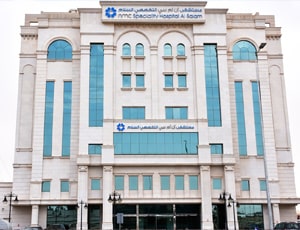
At NMC Specialty Hospital Al Salam, patients can access Bilateral Total Knee Replacement supported by advanced orthopaedic facilities and experienced joint replacement specialists. Established in 1999, the CBAHI accredited hospital is located in Riyadh, Saudi Arabia, and has 100 beds.
The procedure replaces damaged portions of both knee joints with prosthetic components designed to restore alignment, reduce pain, and improve function. Before surgery, the orthopaedic team evaluates joint damage, mobility, bone health, medical history, and overall fitness to determine whether simultaneous or staged knee replacement is more appropriate.
University Hospital Quironsalud Madrid offers specialised Total Knee Replacement B/L using modern surgical technology and established orthopaedic treatment protocols. Established in 2006, the ISO, JCI accredited hospital is situated in Madrid, Spain, with 575 beds, serving local and international patients.
Bilateral total knee replacement can help patients with severe arthritis or extensive damage in both knee joints regain mobility and reduce chronic pain. During surgery, damaged joint surfaces are replaced with artificial components designed to support normal knee movement. The specialist reviews imaging, joint function, medical history, and overall health before recommending simultaneous or staged bilateral replacement.
Dexeus University Hospital offers specialised Total Knee Replacement B/L using modern surgical technology and established orthopaedic treatment protocols. Established in 1973, the JCI accredited hospital is situated in Barcelona, Spain, with 200 beds, serving local and international patients.
Bilateral total knee replacement can help patients with severe arthritis or extensive damage in both knee joints regain mobility and reduce chronic pain. During surgery, damaged joint surfaces are replaced with artificial components designed to support normal knee movement. The specialist reviews imaging, joint function, medical history, and overall health before recommending simultaneous or staged bilateral replacement.
At Medstar Antalya Hospital, patients can access Bilateral Total Knee Replacement supported by advanced orthopaedic facilities and experienced joint replacement specialists. Established in 2009, the JCI accredited hospital is located in Ankara, Turkey, and has 124 beds.
The procedure replaces damaged portions of both knee joints with prosthetic components designed to restore alignment, reduce pain, and improve function. Before surgery, the orthopaedic team evaluates joint damage, mobility, bone health, medical history, and overall fitness to determine whether simultaneous or staged knee replacement is more appropriate.
| Speciality | Orthopedics |
| Procedure | Total Knee Replacement (Bilateral) |
| Success Rate | 90-98% |
| Recovery Time | 3-6 months |
| Treatment Time | 1-2 hours |
| Chances of Recurrence | Low |
Total Knee Replacement Bilateral is a surgery that involves the simultaneous replacement of both knee joints with artificial implants. It is performed to relieve pain, improve mobility, and enhance the function of the knees. During the procedure, the damaged portions of the knee joints are removed, and metal or plastic components are inserted to recreate the joint surfaces.
Total Knee Replacement Bilateral is commonly used to treat medical conditions that affect both knee joints, such as severe osteoarthritis, rheumatoid arthritis, post-traumatic arthritis, and knee deformities. Some common signs and symptoms exhibited by these conditions include chronic pain, stiffness, difficulty walking, and reduced quality of life.
The recovery process after a total knee replacement can take several months. In the initial few days post-surgery, the patient is kept in the hospital under close monitoring to manage pain, monitor vital signs, and begin physical therapy. Full recovery may require dedicated physiotherapy and regular follow-up visits with the surgeon to monitor progress and ensure proper healing. Rehabilitation exercises, pain management, and adherence to post-operative instructions are essential for a successful recovery.

Juliana, a 63-year-old woman from Cameroon, had been living with osteoarthritis that progressively affected her mobility and independence. Persistent knee pain and difficulty walking began to interfere with her everyday activities