4 Hospitals
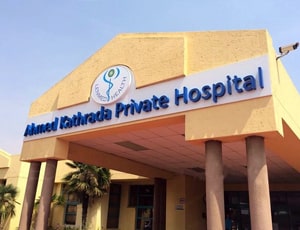
- Best Private Hospital in South Africa, 2020 - Ahmed Kathrada Private Hospital in Johannesburg was named the Best Private Hospital in South Africa in 2020 by the International Healthcare Commission.
- Best Hospital for Cardiology, 2019 - Ahmed Kathrada Private Hospital in Johannesburg was named the Best Hospital for Cardiology in 2019 by the South African Medical Association.
- Best Hospital for Orthopedics, 2019 - Ahmed Kathrada Private Hospital in Johannesburg was named the Best Hospital for Orthopedics in 2019 by the South African Medical Association.
- Best Hospital for Neurology, 2019 - Ahmed Kathrada Private Hospital in Johannesburg was named the Best Hospital for Neurology in 2019 by the South African Medical Association.
- Best Hospital for Pulmonology, 2019 - Ahmed Kathrada Private Hospital in Johannesburg was named the Best Hospital for Pulmonology in 2019 by the South African Medical Association.
- Accreditation


Please Enquire

Life Kingsbury Hospital in South Africa stands out as a premier healthcare facility, particularly renowned for its top-notch orthopaedics department. They offer a comprehensive array of services, tackling everything from joint pain and fractures to sports injuries and spinal issues. With state-of-the-art surgical theatres and cutting-edge diagnostic tools, the hospital guarantees high-quality care and precise treatments. A dedicated team of skilled orthopaedic specialists collaborates closely with physiotherapists to create personalised recovery plans tailored to each patient. With a strong focus on patient-centred care and clinical excellence, Life Kingsbury Hospital has earned its reputation as a trusted hub for orthopaedic care in South Africa, helping patients regain their mobility and enhance their quality of life.

The Netcare Linksfield Hospital's Orthopaedic Department provides skilled diagnosis, care, and rehabilitation for various musculoskeletal illnesses, including fractures, joint injuries, arthritis, spinal disorders, and damage from sports.
Thanks to its state-of-the-art operating rooms, computer-assisted surgery, and current imaging equipment, the department supports minimally invasive and sophisticated orthopaedic treatments, including hip and knee replacements, spinal fusion, and arthroscopy. Care programs incorporate a thorough rehabilitation approach to guarantee healing and return. Collaboration with occupational therapists and physiotherapists ensures a comprehensive strategy.
The department guarantees successful results and improved patient mobility by adhering to the strictest safety and quality norms, which align with the Council for Health Service Accreditation of Southern Africa (COHSASA) standards.
- Accreditation

- Best Hospital in KwaZulu-Natal, 2018, Standard Bank KZN Top Business Awards: eThekwini Hospital and Heart Centre received this award for its outstanding healthcare services in KwaZulu-Natal.
- Best Hospital in Durban, 2019, KZN Health Excellence Awards: This award recognized eThekwini Hospital and Heart Centre for its exceptional healthcare services in Durban.
- Best Private Hospital in South Africa, 2019, KZN Health Excellence Awards: This award recognized eThekwini Hospital and Heart Centre for its outstanding private healthcare services in South Africa.
- Best Hospital in Durban, 2020, KZN Health Excellence Awards: This award recognized eThekwini Hospital and Heart Centre for its exceptional healthcare services in Durban.
- Best Private Hospital in KwaZulu-Natal, 2020, Standard Bank KZN Top Business Awards: This award recognized eThekwini Hospital and Heart Centre for its outstanding private healthcare services in KwaZulu-Natal.
Ask your healthcare adviser for the best multiple options and choose the one that meets your expectations
Request for an Expert Opinion

Patient Stories
More Related Information
Some of the top rated docotrs are:
- Dr. Chris McCready
- Dr. Sujoy Kumar Bhattacharjee
- Dr. Xavier Mir
- Dr. Bhatiprollu S Murthy
- Dr. Manoj Padman
Top rated hospitals in other destinations are:
- Israel
- Herzliya Medical Center, herzliya
- Kaplan Medical Centre, Rehovot
- Assuta Hospital, Tel-Aviv
- Sheba Medical Center, Tel Hashomer
- Lis Maternity Hospital, Tel-Aviv
- Singapore
- Mount Elizabeth Hospital, Mount Elizabeth
- Parkway East Hospital, Joo Chiat Pl
- Thomson Medical Center, Thomson Road
- Farrer Park Hospital, Connexion
- Gleneagles Hospital, Napier Road
- Morocco
- Malaysia
- Tunisia
FAQ's Related to South Africa
The hospitals are bound to provide quality treatment as the government of South Africa has framed strict healthcare rules to ensure there is no quality lapse. The performance of these hospitals have been evaluated on the below parameters:How nursing staff and doctors engage and communicate with patients;How the hospital environment caters to the needs of patientsHow effectively the information about medicines is being shared with patientsHow effectively pain is managed. South Africa has several top-quality hospitals, such as:
- Busamed Paardevlei Private Hospital
- Life Bay View Private Hospital
- Lenmed Shifa Hospital
- Busamed Modderfontein Private Hospital
- Busamed Lowveld Hospital
- Lenmed Ethekwini Hospital and Heart Centre
- Ahmed Al-Kadi Private Hospital
- Busamed Hillcrest Private Hospital
- Busamed Gateway Private Hospital
SafeCare program has been introduced by COHSASA, JCI, and SafeCare Foundation to use internationally recognized standards to improve health care delivery. Joint Commission International (JCI) and Council for Health Service Accreditation of Southern Africa (COHSASA) are two healthcare accreditation bodies in South Africa. COHSASA is responsible for developing and evaluating standards in all sectors and departments of a healthcare facility to ensure hospitals provide integrated and coordinated care. The accreditation bodies ensure that the hospitals are consistent in delivering quality care, so, initially, they grant accreditation to hospitals and clinics only for 2 years which gets extended if the quality is maintained.
Some other factors which contribute to the growth of medical tourism in South Africa are use of cutting-edge technology, new facilities provided by hospitals, doctors trained overseas, and a large number of accredited hospitals. The patient-centric hospitals in South Africa help you with all kinds of organization and administrative tasks and provide a world-class patient experience through all-inclusive care and assistance on a 24/7 basis. South Africa’s recent advancement in stem cell therapy has made it one of the most preferred countries for seeking advanced medical treatment. Affordable healthcare and superior infrastructure are the main reasons for the popularity of South Africa in the medical tourism sector.
Most of the doctors in South Africa are trained in foreign countries like Cuba and Australia which orientate them towards quality health care. South Africa has world-class doctors due to several reasons like their education at reputed colleges, adherence to global standards, patient-centric approach, and incorporation of the human touch in treatment. The highly skilled and well-qualified doctors in South Africa ensure world-class treatment through their deep expertise and subject knowledge. Doctors in South Africa are known for their deep expertise in dental procedures and fertility treatments.
The validity of a visa starts the day it is granted by the High Commission of India and not on the date of departure. Also, visa applications will not be accepted more than 30 days prior to departure. You need to produce the below documents to apply for a medical visa:
- Passport
- Proof of stay in South Africa
- Signed official medical letter from medical institution
- Signed medical letter from a recognized local practitioner
- Passport-sized photographs
- Online Application form
- Full return flight reservation
Besides offering these popular procedures, South Africa also attracts many medical tourists for cosmetic surgery and infertility treatment. Low-cost treatment, fast recovery, use of advanced medical technology, and highly trained doctors are some of the reasons for the popularity of these procedures. South Africa is known to offer some procedures with high success rates, such as total knee replacement, meniscus repairs, hip replacement, anterior cruciate ligament (ACL) reconstruction. Egg donation program is available at the majority of fertility clinics and you can opt for a surgical or non-surgical procedure, with quite low waiting times.
Most of these cities have an efficient public transportation system, cheap accommodation options, and connectivity through airlines. South Africa has a number of modern urban centers, such as Cape Town, Johannesburg, Pretoria, and Durban. Johannesburg’s healthcare system is on par with Great Britain and the city’s public and private healthcare industry works closely with South Africa's medical schools to create internationally recognized medical specialists. Cape Town a major tourist attraction that has a rich culture, world-class doctors, and modern health facilities.
Infants 6 to 11 months old travelling to the country should get 1 dose of measles-mumps-rubella (MMR) vaccine before travel. People staying with friends or relatives or visiting smaller cities or rural areas should get typhoid vaccine. You can connect with your doctor or the hospital in South Africa for the required vaccines. Also, refer to the travel advisory issued by the government. Yes, vaccination is compulsory before visiting South Africa. The vaccines recommended by WHO and the National Travel Health Network and Centre are Rabies and tetanus, hepatitis B, typhoid, cholera, Yellow fever, hepatitis A.