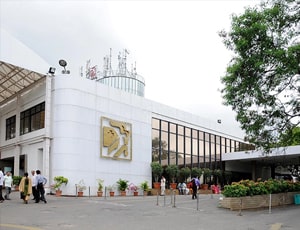
Explore trusted hospitals and care options, or get personalised support to find a suitable option based on your treatment needs, preferences, and budget.
Kuala Lumpur, Malaysia
At Prince Court Medical Centre, CyberKnife Treatment is performed using specialized robotic stereotactic radiation techniques and comprehensive pre-treatment imaging and oncology assessment. Established in 2007, this MSQH accredited hospital in Kuala Lumpur, Malaysia has 277 beds and offers advanced radiation oncology and image-guided treatment services.
CyberKnife Treatment may be considered for selected tumors in locations such as the brain, spine, lung, liver, prostate, and other parts of the body. Before treatment, the radiation oncology team uses diagnostic imaging to define the target and nearby critical structures. During treatment, the robotic system directs multiple radiation beams toward the target while continuously using image guidance to maintain accurate positioning and deliver the prescribed radiation dose.
Delhi, India
At BLK-Max Super Speciality Hospital, CyberKnife Treatment is performed using specialized robotic stereotactic radiation techniques and comprehensive pre-treatment imaging and oncology assessment. Established in 1959, this JCI, NABH accredited hospital in Delhi, India has 650 beds and offers advanced radiation oncology and image-guided treatment services.
CyberKnife Treatment may be considered for selected tumors in locations such as the brain, spine, lung, liver, prostate, and other parts of the body. Before treatment, the radiation oncology team uses diagnostic imaging to define the target and nearby critical structures. During treatment, the robotic system directs multiple radiation beams toward the target while continuously using image guidance to maintain accurate positioning and deliver the prescribed radiation dose.
At Parkway Pantai, CyberKnife Treatment is performed using specialized robotic stereotactic radiation techniques and comprehensive pre-treatment imaging and oncology assessment. Established in 1974, this JCI, MSQH accredited hospital in Kuala Lumpur, Malaysia has 499 beds and offers advanced radiation oncology and image-guided treatment services.
CyberKnife Treatment may be considered for selected tumors in locations such as the brain, spine, lung, liver, prostate, and other parts of the body. Before treatment, the radiation oncology team uses diagnostic imaging to define the target and nearby critical structures. During treatment, the robotic system directs multiple radiation beams toward the target while continuously using image guidance to maintain accurate positioning and deliver the prescribed radiation dose.
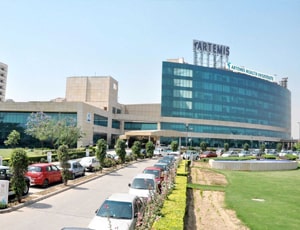
Artemis Health Institute provides specialised CyberKnife Treatment with a focus on precise tumor targeting, advanced image-guided robotic radiation delivery, and individualized cancer treatment planning. Established in 2007, the JCI, NABH accredited hospital is located in Gurgaon, India and operates 750 beds, with modern radiation oncology, imaging, treatment-planning, and supportive-care infrastructure.
CyberKnife Treatment can provide a non-invasive stereotactic radiation option for selected localized tumors, recurrent tumors, or lesions that may be difficult to treat with conventional surgery, depending on the clinical circumstances. Treatment planning considers tumor type, size, location, proximity to critical structures, previous treatments, overall health, and the intended treatment goal. Detailed imaging and multidisciplinary evaluation help the radiation oncology team determine whether CyberKnife is appropriate and establish the optimal radiation dose and treatment schedule.
Sunway Medical Centre provides specialised CyberKnife Treatment with a focus on precise tumor targeting, advanced image-guided robotic radiation delivery, and individualized cancer treatment planning. Established in 1999, the ACHS accredited hospital is located in Kuala Lumpur, Malaysia and operates 724 beds, with modern radiation oncology, imaging, treatment-planning, and supportive-care infrastructure.
CyberKnife Treatment can provide a non-invasive stereotactic radiation option for selected localized tumors, recurrent tumors, or lesions that may be difficult to treat with conventional surgery, depending on the clinical circumstances. Treatment planning considers tumor type, size, location, proximity to critical structures, previous treatments, overall health, and the intended treatment goal. Detailed imaging and multidisciplinary evaluation help the radiation oncology team determine whether CyberKnife is appropriate and establish the optimal radiation dose and treatment schedule.
Bangkok, Thailand
Bangpakok 9 International Hospital offers advanced CyberKnife Treatment using modern robotic stereotactic radiosurgery technology and individualized radiation oncology care plans. Established in 2003, the JCI, GHA accredited hospital is located in Bangkok, Thailand and has 300 beds, providing comprehensive cancer and radiation treatment services for local and international patients.
CyberKnife Treatment is a non-invasive radiation therapy that delivers highly focused beams of radiation to tumors or other abnormal tissue from multiple angles. The robotic system can adjust beam positioning according to the target's location and, for selected tumors, track movement caused by breathing or other physiological motion. Depending on the tumor type, size, location, and treatment objective, CyberKnife may be delivered in a single session or across multiple treatment sessions.
Medipol Bahçelievler Hospital provides specialised CyberKnife Treatment with a focus on precise tumor targeting, advanced image-guided robotic radiation delivery, and individualized cancer treatment planning. Established in 2022, the JCI accredited hospital is located in Istanbul, Turkey and operates 441 beds, with modern radiation oncology, imaging, treatment-planning, and supportive-care infrastructure.
CyberKnife Treatment can provide a non-invasive stereotactic radiation option for selected localized tumors, recurrent tumors, or lesions that may be difficult to treat with conventional surgery, depending on the clinical circumstances. Treatment planning considers tumor type, size, location, proximity to critical structures, previous treatments, overall health, and the intended treatment goal. Detailed imaging and multidisciplinary evaluation help the radiation oncology team determine whether CyberKnife is appropriate and establish the optimal radiation dose and treatment schedule.
At ParkCity Medical Centre, CyberKnife Treatment is performed using specialized robotic stereotactic radiation techniques and comprehensive pre-treatment imaging and oncology assessment. Established in 2012, this JCI accredited hospital in Kuala Lumpur, Malaysia has 300 beds and offers advanced radiation oncology and image-guided treatment services.
CyberKnife Treatment may be considered for selected tumors in locations such as the brain, spine, lung, liver, prostate, and other parts of the body. Before treatment, the radiation oncology team uses diagnostic imaging to define the target and nearby critical structures. During treatment, the robotic system directs multiple radiation beams toward the target while continuously using image guidance to maintain accurate positioning and deliver the prescribed radiation dose.
Kuala Lumpur, Malaysia
Subang Jaya Medical Centre offers advanced CyberKnife Treatment using modern robotic stereotactic radiosurgery technology and individualized radiation oncology care plans. Established in 1985, the JCI accredited hospital is located in Kuala Lumpur, Malaysia and has 442 beds, providing comprehensive cancer and radiation treatment services for local and international patients.
CyberKnife Treatment is a non-invasive radiation therapy that delivers highly focused beams of radiation to tumors or other abnormal tissue from multiple angles. The robotic system can adjust beam positioning according to the target's location and, for selected tumors, track movement caused by breathing or other physiological motion. Depending on the tumor type, size, location, and treatment objective, CyberKnife may be delivered in a single session or across multiple treatment sessions.
Gleneagles Hospital Mumbai provides specialised CyberKnife Treatment with a focus on precise tumor targeting, advanced image-guided robotic radiation delivery, and individualized cancer treatment planning. Established in 1996, the JCI accredited hospital is located in Mumbai, India and operates 450 beds, with modern radiation oncology, imaging, treatment-planning, and supportive-care infrastructure.
CyberKnife Treatment can provide a non-invasive stereotactic radiation option for selected localized tumors, recurrent tumors, or lesions that may be difficult to treat with conventional surgery, depending on the clinical circumstances. Treatment planning considers tumor type, size, location, proximity to critical structures, previous treatments, overall health, and the intended treatment goal. Detailed imaging and multidisciplinary evaluation help the radiation oncology team determine whether CyberKnife is appropriate and establish the optimal radiation dose and treatment schedule.
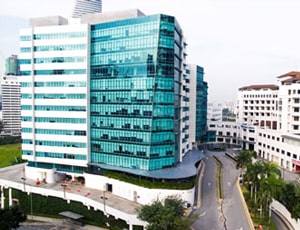
Choosing Indraprastha Apollo Hospital for CyberKnife Treatment gives patients access to experienced radiation oncology specialists, advanced robotic radiosurgery systems, treatment-planning technology, and structured follow-up care. Established in 1996, the JCI accredited hospital in Delhi, India has 710 beds and provides specialized stereotactic radiation services.
CyberKnife Treatment is generally performed without an incision and does not require conventional surgery. The patient is positioned on the treatment system while the robotic arm delivers precisely planned radiation beams from different angles. Depending on the clinical indication, treatment may be completed in one session or several fractions. Patients are monitored during and after treatment for treatment-related effects, which vary according to the treated area and radiation dose.
At Apollo Hospitals, CyberKnife Treatment is performed using specialized robotic stereotactic radiation techniques and comprehensive pre-treatment imaging and oncology assessment. Established in 1988, this JCI accredited hospital in Hyderabad, India has 550 beds and offers advanced radiation oncology and image-guided treatment services.
CyberKnife Treatment may be considered for selected tumors in locations such as the brain, spine, lung, liver, prostate, and other parts of the body. Before treatment, the radiation oncology team uses diagnostic imaging to define the target and nearby critical structures. During treatment, the robotic system directs multiple radiation beams toward the target while continuously using image guidance to maintain accurate positioning and deliver the prescribed radiation dose.
Choosing Rabin Medical Center for CyberKnife Treatment gives patients access to experienced radiation oncology specialists, advanced robotic radiosurgery systems, treatment-planning technology, and structured follow-up care. Established in 1996, the JCI accredited hospital in Petah Tikva, Israel has 1300 beds and provides specialized stereotactic radiation services.
CyberKnife Treatment is generally performed without an incision and does not require conventional surgery. The patient is positioned on the treatment system while the robotic arm delivers precisely planned radiation beams from different angles. Depending on the clinical indication, treatment may be completed in one session or several fractions. Patients are monitored during and after treatment for treatment-related effects, which vary according to the treated area and radiation dose.
VM Medical Park Ankara is a trusted healthcare provider for CyberKnife Treatment, offering precision radiation treatment supported by experienced radiation oncologists, medical physicists, radiation therapists, advanced imaging systems, and multidisciplinary cancer-care teams. Established in 2014, the JCI- accredited hospital is situated in Ankara, Turkey and has 327 beds.
CyberKnife Treatment uses stereotactic radiation technology to deliver concentrated radiation to a defined target while limiting unnecessary exposure to surrounding healthy tissue. The system's robotic arm can approach the target from numerous directions, allowing the treatment team to create a highly conformal radiation plan. Image guidance may also be used throughout treatment to account for changes in patient position or tumor movement, depending on the treatment site.
Medical Park Tokat Hospital provides specialised CyberKnife Treatment with a focus on precise tumor targeting, advanced image-guided robotic radiation delivery, and individualized cancer treatment planning. Established in 2015, the JCI accredited hospital is located in Tokat, Turkey and operates 157 beds, with modern radiation oncology, imaging, treatment-planning, and supportive-care infrastructure.
CyberKnife Treatment can provide a non-invasive stereotactic radiation option for selected localized tumors, recurrent tumors, or lesions that may be difficult to treat with conventional surgery, depending on the clinical circumstances. Treatment planning considers tumor type, size, location, proximity to critical structures, previous treatments, overall health, and the intended treatment goal. Detailed imaging and multidisciplinary evaluation help the radiation oncology team determine whether CyberKnife is appropriate and establish the optimal radiation dose and treatment schedule.
| Speciality | Oncology |
| Procedure | CyberKnife Treatment |
| Success Rate | Varies as per stage, grade and type of cancer |
| Recovery Time | 4 to 6 days |
| Treatment Time | one to five sessions (30-90 minutes each) |
| Chances of Recurrence | Varies as per stage, grade, type and location of cancer |

Over the years, cancer treatment has changed dramatically, and patients with tumors that were once thought to be incurable now have hope thanks to new radiation therapy alternatives.One such innovation is CyberKnife therapy, a state-of-the-art, non-invasive radiation therapy renowned for its accuracy,