Explore trusted hospitals and care options, or get personalised support to find a suitable option based on your treatment needs, preferences, and budget.

Istanbul, Turkey
Medipol Mega University Hospital offers dedicated Thoracic Interbody Fusion supported by experienced spine surgeons, advanced imaging, and modern spinal fixation systems. Established in 2012, the JCI accredited hospital is situated in Istanbul, Turkey and has 810 beds supporting specialized thoracic spine care.
Thoracic Interbody Fusion is designed to stabilize one or more segments of the middle or upper back by promoting bone fusion between adjacent vertebrae. The affected disc is removed and replaced with an interbody device containing or supporting bone graft material. This helps restore disc-space height and provide structural support. The procedure may be combined with decompression when the spinal cord or nerve structures are compressed. Surgical approach and fixation methods depend on the location and underlying spinal condition.
Medicana Haznedar Hospital provides specialized Thoracic Interbody Fusion with a focus on stabilizing the thoracic spine, correcting spinal instability, and relieving symptoms caused by structural abnormalities. Established in 1995, the ISO, JCI accredited hospital is located in Istanbul, Turkey and operates 120 beds with advanced neurosurgical and orthopedic spine facilities.
Thoracic Interbody Fusion is a spinal fusion procedure in which a damaged intervertebral disc is removed and replaced with an implant or cage designed to restore disc height and alignment. Bone graft material is placed around or within the fusion area to encourage the adjacent vertebrae to grow together. The procedure may be considered for conditions such as thoracic disc degeneration, instability, deformity, or selected cases of spinal trauma. Additional screws and rods may be used to provide stability while fusion develops.
Anadolu Medical Center provides specialized Thoracic Interbody Fusion with a focus on stabilizing the thoracic spine, correcting spinal instability, and relieving symptoms caused by structural abnormalities. Established in 2005, the JCI, ISO accredited hospital is located in Kocaeli, Turkey and operates 268 beds with advanced neurosurgical and orthopedic spine facilities.
Thoracic Interbody Fusion is a spinal fusion procedure in which a damaged intervertebral disc is removed and replaced with an implant or cage designed to restore disc height and alignment. Bone graft material is placed around or within the fusion area to encourage the adjacent vertebrae to grow together. The procedure may be considered for conditions such as thoracic disc degeneration, instability, deformity, or selected cases of spinal trauma. Additional screws and rods may be used to provide stability while fusion develops.
Istanbul, Turkey
I.A.U VM Medical Park Florya Hospital provides specialized Thoracic Interbody Fusion with an emphasis on restoring thoracic spinal stability, maintaining alignment, and supporting long-term fusion. Established in 2017, the JCI accredited hospital is based in Istanbul, Turkey and has 300 beds supported by modern neurosurgical and orthopedic facilities.
Thoracic Interbody Fusion involves removing a damaged thoracic intervertebral disc and placing a structural implant between the adjacent vertebrae. Bone graft material is added to facilitate the formation of a solid fusion between the vertebral bodies. Depending on the patient's diagnosis, the procedure may also include decompression of the spinal cord or nerves and posterior fixation with screws and rods. Preoperative MRI, CT, and X-rays help assess spinal alignment, disc damage, bone quality, and the structures requiring treatment.
Istanbul, Turkey
Medical Park Bahcelievler Hospital offers dedicated Thoracic Interbody Fusion supported by experienced spine surgeons, advanced imaging, and modern spinal fixation systems. Established in 2015, the JCI accredited hospital is situated in Istanbul, Turkey and has 242 beds supporting specialized thoracic spine care.
Thoracic Interbody Fusion is designed to stabilize one or more segments of the middle or upper back by promoting bone fusion between adjacent vertebrae. The affected disc is removed and replaced with an interbody device containing or supporting bone graft material. This helps restore disc-space height and provide structural support. The procedure may be combined with decompression when the spinal cord or nerve structures are compressed. Surgical approach and fixation methods depend on the location and underlying spinal condition.
Medical Park Fatih Hospital provides specialized Thoracic Interbody Fusion with an emphasis on restoring thoracic spinal stability, maintaining alignment, and supporting long-term fusion. Established in 2007, the JCI accredited hospital is based in Istanbul, Turkey and has 246 beds supported by modern neurosurgical and orthopedic facilities.
Thoracic Interbody Fusion involves removing a damaged thoracic intervertebral disc and placing a structural implant between the adjacent vertebrae. Bone graft material is added to facilitate the formation of a solid fusion between the vertebral bodies. Depending on the patient's diagnosis, the procedure may also include decompression of the spinal cord or nerves and posterior fixation with screws and rods. Preoperative MRI, CT, and X-rays help assess spinal alignment, disc damage, bone quality, and the structures requiring treatment.
Medical Park Canakkale Hospital offers dedicated Thoracic Interbody Fusion supported by experienced spine surgeons, advanced imaging, and modern spinal fixation systems. Established in 2017, the ISO, JCI accredited hospital is situated in Canakkale, Turkey and has 92 beds supporting specialized thoracic spine care.
Thoracic Interbody Fusion is designed to stabilize one or more segments of the middle or upper back by promoting bone fusion between adjacent vertebrae. The affected disc is removed and replaced with an interbody device containing or supporting bone graft material. This helps restore disc-space height and provide structural support. The procedure may be combined with decompression when the spinal cord or nerve structures are compressed. Surgical approach and fixation methods depend on the location and underlying spinal condition.
Biruni University Hospital provides specialized Thoracic Interbody Fusion with an emphasis on restoring thoracic spinal stability, maintaining alignment, and supporting long-term fusion. Established in 2016, the JCI accredited hospital is based in Istanbul, Turkey and has 617 beds supported by modern neurosurgical and orthopedic facilities.
Thoracic Interbody Fusion involves removing a damaged thoracic intervertebral disc and placing a structural implant between the adjacent vertebrae. Bone graft material is added to facilitate the formation of a solid fusion between the vertebral bodies. Depending on the patient's diagnosis, the procedure may also include decompression of the spinal cord or nerves and posterior fixation with screws and rods. Preoperative MRI, CT, and X-rays help assess spinal alignment, disc damage, bone quality, and the structures requiring treatment.
Choosing Adatip Hospital for Thoracic Interbody Fusion gives patients access to specialist-led thoracic spinal reconstruction, advanced surgical navigation, and coordinated postoperative rehabilitation. Established in 1995, the ISO accredited hospital is located in Sakarya, Turkey and operates 450 beds with modern spine surgery infrastructure.
Thoracic Interbody Fusion may be considered for selected patients with thoracic spinal instability, degenerative disc disease, deformity, trauma, or other conditions requiring structural stabilization. During the procedure, the surgeon removes the affected disc and prepares the space between the vertebrae for an interbody implant. Bone graft is then used to encourage the vertebrae to fuse over time. Screws, rods, or plates may provide additional stability while the fusion heals, depending on the surgical approach.
At Medstar Antalya Hospital, Thoracic Interbody Fusion is performed using advanced spinal reconstruction techniques and individualized surgical planning. Established in 2009, the JCI accredited hospital in Ankara, Turkey has 124 beds and provides comprehensive spine surgery and rehabilitation services.
Thoracic Interbody Fusion may be recommended when disease or injury affecting the thoracic discs causes persistent pain, instability, deformity, or neurological compression. During surgery, the surgeon accesses the affected disc space, removes the damaged disc material, and places an interbody cage or suitable implant between the vertebrae. Bone graft or a graft substitute is used to promote fusion. Depending on the patient's condition, posterior instrumentation with screws and rods may also be performed to maintain alignment during healing.
Medicana Camlica Hospital provides specialized Thoracic Interbody Fusion with an emphasis on restoring thoracic spinal stability, maintaining alignment, and supporting long-term fusion. Established in 1999, the ISO, JCI accredited hospital is based in Istanbul, Turkey and has 113 beds supported by modern neurosurgical and orthopedic facilities.
Thoracic Interbody Fusion involves removing a damaged thoracic intervertebral disc and placing a structural implant between the adjacent vertebrae. Bone graft material is added to facilitate the formation of a solid fusion between the vertebral bodies. Depending on the patient's diagnosis, the procedure may also include decompression of the spinal cord or nerves and posterior fixation with screws and rods. Preoperative MRI, CT, and X-rays help assess spinal alignment, disc damage, bone quality, and the structures requiring treatment.
Choosing Memorial Sisli Hospital for Thoracic Interbody Fusion gives patients access to specialist-led thoracic spinal reconstruction, advanced surgical navigation, and coordinated postoperative rehabilitation. Established in 2000, the JCI, NABH accredited hospital is located in Istanbul, Turkey and operates 252 beds with modern spine surgery infrastructure.
Thoracic Interbody Fusion may be considered for selected patients with thoracic spinal instability, degenerative disc disease, deformity, trauma, or other conditions requiring structural stabilization. During the procedure, the surgeon removes the affected disc and prepares the space between the vertebrae for an interbody implant. Bone graft is then used to encourage the vertebrae to fuse over time. Screws, rods, or plates may provide additional stability while the fusion heals, depending on the surgical approach.
Istanbul, Turkey
At Hisar Intercontinental Hospital, Thoracic Interbody Fusion is performed using advanced spinal reconstruction techniques and individualized surgical planning. Established in 2005, the JCI accredited hospital in Istanbul, Turkey has 170 beds and provides comprehensive spine surgery and rehabilitation services.
Thoracic Interbody Fusion may be recommended when disease or injury affecting the thoracic discs causes persistent pain, instability, deformity, or neurological compression. During surgery, the surgeon accesses the affected disc space, removes the damaged disc material, and places an interbody cage or suitable implant between the vertebrae. Bone graft or a graft substitute is used to promote fusion. Depending on the patient's condition, posterior instrumentation with screws and rods may also be performed to maintain alignment during healing.
Acibadem Kadikoy Hospital provides specialized Thoracic Interbody Fusion with an emphasis on restoring thoracic spinal stability, maintaining alignment, and supporting long-term fusion. Established in 1991, the JCI accredited hospital is based in Istanbul, Turkey and has 138 beds supported by modern neurosurgical and orthopedic facilities.
Thoracic Interbody Fusion involves removing a damaged thoracic intervertebral disc and placing a structural implant between the adjacent vertebrae. Bone graft material is added to facilitate the formation of a solid fusion between the vertebral bodies. Depending on the patient's diagnosis, the procedure may also include decompression of the spinal cord or nerves and posterior fixation with screws and rods. Preoperative MRI, CT, and X-rays help assess spinal alignment, disc damage, bone quality, and the structures requiring treatment.
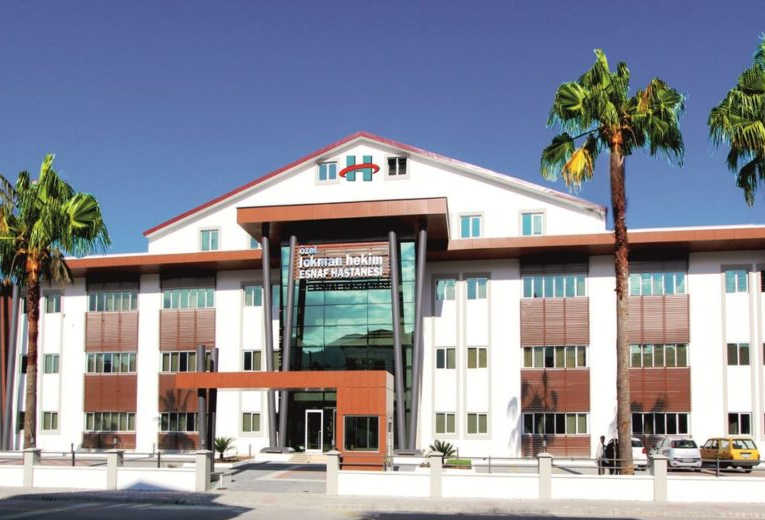
Choosing Lokman Hekim Esnaf Hospital for Thoracic Interbody Fusion gives patients access to specialist-led thoracic spinal reconstruction, advanced surgical navigation, and coordinated postoperative rehabilitation. Established in 1997, the JCI accredited hospital is located in Fethiye, Turkey and operates 75 beds with modern spine surgery infrastructure.
Thoracic Interbody Fusion may be considered for selected patients with thoracic spinal instability, degenerative disc disease, deformity, trauma, or other conditions requiring structural stabilization. During the procedure, the surgeon removes the affected disc and prepares the space between the vertebrae for an interbody implant. Bone graft is then used to encourage the vertebrae to fuse over time. Screws, rods, or plates may provide additional stability while the fusion heals, depending on the surgical approach.

Ms Patience from Uganda travelled to India for cosmetic surgery in May 2017. She got her treatment done in Asian Institute of Medical Sciences in…

Lobna (from Sudan) was diagnosed with meningioma, a form of non-cancerous brain tumor. Her family members decided to take her to one of the most…