Browse verified doctors or let our care team help you find the doctor best suited to your condition, treatment goals, and budget.
Bangpakok 9 International Hospital is a trusted healthcare provider for Laminectomy, offering spinal decompression surgery supported by experienced neurosurgeons, orthopedic spine surgeons, specialised operating facilities, and multidisciplinary care. Established in 2003, the JCI, GHA accredited hospital is situated in Bangkok, Thailand and has 300 beds.
Laminectomy creates additional space within the spinal canal by removing part of the vertebral bone that may be contributing to nerve or spinal cord compression. The procedure can help address symptoms such as back pain, limb pain, numbness, weakness, or difficulty walking when these symptoms are related to spinal compression. Before surgery, the spine specialist evaluates neurological findings, imaging results, spinal stability, and overall health to determine the most appropriate surgical approach.
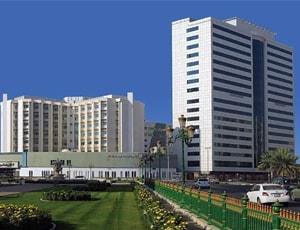
Dubai, United Arab Emirates
Aster DM Healthcare is a trusted healthcare provider for Laminectomy, offering spinal decompression surgery supported by experienced neurosurgeons, orthopedic spine surgeons, specialised operating facilities, and multidisciplinary care. Established in 1987, the JCI, NABH, NABL accredited hospital is situated in Dubai, United Arab Emirates and has 114 beds.
Laminectomy creates additional space within the spinal canal by removing part of the vertebral bone that may be contributing to nerve or spinal cord compression. The procedure can help address symptoms such as back pain, limb pain, numbness, weakness, or difficulty walking when these symptoms are related to spinal compression. Before surgery, the spine specialist evaluates neurological findings, imaging results, spinal stability, and overall health to determine the most appropriate surgical approach.
Medipol Bahçelievler Hospital provides specialised Laminectomy with a focus on precise neural decompression, advanced spinal surgical techniques, and individualised postoperative care. Established in 2022, the JCI accredited hospital is located in Istanbul, Turkey and operates 441 beds, with modern neurosurgical, orthopedic, and rehabilitation infrastructure.
Laminectomy can relieve pressure on the spinal cord or nerve roots by enlarging the available space within the spinal canal. The procedure may be performed in the cervical, thoracic, or lumbar spine depending on the location of the underlying condition. A detailed preoperative assessment helps the spine team evaluate the extent of nerve compression, spinal stability, neurological status, and whether additional procedures such as discectomy or spinal fusion may be required.
Choosing Medanta - The Medicity for Laminectomy gives patients access to experienced spine surgeons, advanced spinal imaging, modern operating facilities, and structured postoperative rehabilitation. Established in 2009, the JCI, NABH accredited hospital in Gurgaon, India has 1250 beds and provides specialised neurosurgical and orthopedic spine services.
Laminectomy is generally performed under general anaesthesia through an incision over the affected portion of the spine. The surgeon carefully exposes the vertebra and removes the required portion of the lamina to relieve pressure on the spinal cord or nerve roots. Depending on spinal stability, decompression may be combined with fusion and instrumentation. After surgery, patients are monitored for neurological function, pain, wound healing, and mobility, with activity and rehabilitation recommendations based on the extent of the procedure.
Sharjah, United Arab Emirates
At NMC Royal Hospital Sharjah, Laminectomy is performed using specialised spinal surgical techniques and comprehensive preoperative neurological assessment. Established in 1981, this JCI accredited hospital in Sharjah, United Arab Emirates has 137 beds and offers advanced neurosurgical and orthopedic spine services.
Laminectomy may be considered for patients experiencing symptoms caused by compression of the spinal cord or nerve roots, particularly when conservative treatments have not provided adequate relief. During the procedure, the surgeon removes the affected portion of the lamina to decompress the neural structures and may also remove other tissue contributing to the compression. MRI or CT imaging is commonly used to identify the affected spinal level and guide surgical planning.
Phyathai 2 International Hospital offers advanced Laminectomy using modern spinal surgical techniques and individualized neurosurgical and orthopedic care plans. Established in 1987, the JCI accredited hospital is located in Bangkok, Thailand and has 550 beds, providing comprehensive spine care for local and international patients.
Laminectomy is a spinal decompression procedure in which part or all of the lamina, the bony portion at the back of a vertebra, is removed to create more space around the spinal cord or nerve roots. It may be performed to relieve pressure caused by conditions such as spinal stenosis, herniated discs, bone spurs, or certain spinal tumours. Depending on the patient's condition, laminectomy may be performed alone or combined with spinal fusion or other procedures.
Choosing ParkCity Medical Centre for Laminectomy gives patients access to experienced spine surgeons, advanced spinal imaging, modern operating facilities, and structured postoperative rehabilitation. Established in 2012, the JCI accredited hospital in Kuala Lumpur, Malaysia has 300 beds and provides specialised neurosurgical and orthopedic spine services.
Laminectomy is generally performed under general anaesthesia through an incision over the affected portion of the spine. The surgeon carefully exposes the vertebra and removes the required portion of the lamina to relieve pressure on the spinal cord or nerve roots. Depending on spinal stability, decompression may be combined with fusion and instrumentation. After surgery, patients are monitored for neurological function, pain, wound healing, and mobility, with activity and rehabilitation recommendations based on the extent of the procedure.
Choosing Florence Nightingale Hospital for Laminectomy gives patients access to experienced spine surgeons, advanced spinal imaging, modern operating facilities, and structured postoperative rehabilitation. Established in 1989, the JCI accredited hospital in Istanbul, Turkey has 804 beds and provides specialised neurosurgical and orthopedic spine services.
Laminectomy is generally performed under general anaesthesia through an incision over the affected portion of the spine. The surgeon carefully exposes the vertebra and removes the required portion of the lamina to relieve pressure on the spinal cord or nerve roots. Depending on spinal stability, decompression may be combined with fusion and instrumentation. After surgery, patients are monitored for neurological function, pain, wound healing, and mobility, with activity and rehabilitation recommendations based on the extent of the procedure.
At Parkway East Hospital, Laminectomy is performed using specialised spinal surgical techniques and comprehensive preoperative neurological assessment. Established in 1942, this JCI accredited hospital in Singapore, Singapore has 143 beds and offers advanced neurosurgical and orthopedic spine services.
Laminectomy may be considered for patients experiencing symptoms caused by compression of the spinal cord or nerve roots, particularly when conservative treatments have not provided adequate relief. During the procedure, the surgeon removes the affected portion of the lamina to decompress the neural structures and may also remove other tissue contributing to the compression. MRI or CT imaging is commonly used to identify the affected spinal level and guide surgical planning.
NPISTANBUL Brain Hospital is a trusted healthcare provider for Laminectomy, offering spinal decompression surgery supported by experienced neurosurgeons, orthopedic spine surgeons, specialised operating facilities, and multidisciplinary care. Established in 2007, the JCI accredited hospital is situated in Istanbul, Turkey and has 160 beds.
Laminectomy creates additional space within the spinal canal by removing part of the vertebral bone that may be contributing to nerve or spinal cord compression. The procedure can help address symptoms such as back pain, limb pain, numbness, weakness, or difficulty walking when these symptoms are related to spinal compression. Before surgery, the spine specialist evaluates neurological findings, imaging results, spinal stability, and overall health to determine the most appropriate surgical approach.
At Gleneagles Hospital Mumbai, Laminectomy is performed using specialised spinal surgical techniques and comprehensive preoperative neurological assessment. Established in 1996, this JCI accredited hospital in Mumbai, India has 450 beds and offers advanced neurosurgical and orthopedic spine services.
Laminectomy may be considered for patients experiencing symptoms caused by compression of the spinal cord or nerve roots, particularly when conservative treatments have not provided adequate relief. During the procedure, the surgeon removes the affected portion of the lamina to decompress the neural structures and may also remove other tissue contributing to the compression. MRI or CT imaging is commonly used to identify the affected spinal level and guide surgical planning.
Subang Jaya Medical Centre provides specialised Laminectomy with a focus on precise neural decompression, advanced spinal surgical techniques, and individualised postoperative care. Established in 1985, the JCI accredited hospital is located in Kuala Lumpur, Malaysia and operates 442 beds, with modern neurosurgical, orthopedic, and rehabilitation infrastructure.
Laminectomy can relieve pressure on the spinal cord or nerve roots by enlarging the available space within the spinal canal. The procedure may be performed in the cervical, thoracic, or lumbar spine depending on the location of the underlying condition. A detailed preoperative assessment helps the spine team evaluate the extent of nerve compression, spinal stability, neurological status, and whether additional procedures such as discectomy or spinal fusion may be required.
Saudi German Hospital is a trusted healthcare provider for Laminectomy, offering spinal decompression surgery supported by experienced neurosurgeons, orthopedic spine surgeons, specialised operating facilities, and multidisciplinary care. Established in 2012, the JCI accredited hospital is situated in Dubai, United Arab Emirates and has 300 beds.
Laminectomy creates additional space within the spinal canal by removing part of the vertebral bone that may be contributing to nerve or spinal cord compression. The procedure can help address symptoms such as back pain, limb pain, numbness, weakness, or difficulty walking when these symptoms are related to spinal compression. Before surgery, the spine specialist evaluates neurological findings, imaging results, spinal stability, and overall health to determine the most appropriate surgical approach.
Choosing Antalya Anadolu Hastanesi for Laminectomy gives patients access to experienced spine surgeons, advanced spinal imaging, modern operating facilities, and structured postoperative rehabilitation. Established in 2006, the accredited hospital in Antalya, Turkey has 114 beds and provides specialised neurosurgical and orthopedic spine services.
Laminectomy is generally performed under general anaesthesia through an incision over the affected portion of the spine. The surgeon carefully exposes the vertebra and removes the required portion of the lamina to relieve pressure on the spinal cord or nerve roots. Depending on spinal stability, decompression may be combined with fusion and instrumentation. After surgery, patients are monitored for neurological function, pain, wound healing, and mobility, with activity and rehabilitation recommendations based on the extent of the procedure.
Ghaziabad, India
Max Super Specialty Hospital, Vaishali provides specialised Laminectomy with a focus on precise neural decompression, advanced spinal surgical techniques, and individualised postoperative care. Established in 2008, the NABL, NABH accredited hospital is located in Ghaziabad, India and operates 370 beds, with modern neurosurgical, orthopedic, and rehabilitation infrastructure.
Laminectomy can relieve pressure on the spinal cord or nerve roots by enlarging the available space within the spinal canal. The procedure may be performed in the cervical, thoracic, or lumbar spine depending on the location of the underlying condition. A detailed preoperative assessment helps the spine team evaluate the extent of nerve compression, spinal stability, neurological status, and whether additional procedures such as discectomy or spinal fusion may be required.
| Speciality | Neurology |
| Procedure | Laminectomy |
| Success Rate | 85-95% |
| Recovery Time | 3-4 weeks |
| Treatment Time | 1-3 hours |
| Chances of Recurrence | 10-20% |
A laminectomy, also known as decompression surgery, is a surgical procedure performed to relieve pressure on the spinal cord or nerves by removing a portion of the vertebral bone called the lamina. The lamina is located at the back of the vertebra and forms the "roof" of the spinal canal. By removing a section of the lamina, the surgeon creates more space in the spinal canal, reducing compression and alleviating symptoms.
Laminectomy is commonly used to treat spinal conditions that cause compression of the spinal cord or nerves. This includes spinal stenosis, herniated discs, bone spurs, and tumors in the spinal canal. These conditions can result in symptoms such as pain, numbness, weakness, and difficulty with motor function.
The recovery process after a laminectomy varies depending on the extent of the procedure and individual factors. In general, patients can expect to stay in the hospital for a few days following the surgery. Pain medications and physical therapy may be prescribed. Full recovery may take several weeks to months, during which time the surgical site heals and the body adjusts to the changes in the spinal canal. Regular follow-up visits are scheduled to monitor the healing process.
Spinal health is integral for good mobility, comfort, and quality of life. When the spine starts to cause chronic pain or neurological dysfunction due to disorders like herniated discs, spinal stenosis, or degenerative changes, surgical treatment may be indicated.