Browse verified doctors or let our care team help you find the doctor best suited to your condition, treatment goals, and budget.

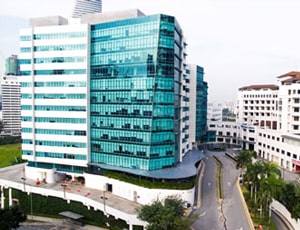
Prince Court Medical Centre is a trusted healthcare provider for Corpus Callosotomy, offering advanced epilepsy surgery supported by experienced neurosurgeons, epileptologists, neurophysiology specialists, pediatric neurologists, and multidisciplinary epilepsy teams. Established in 2007, the MSQH- accredited hospital is situated in Kuala Lumpur, Malaysia and has 277 beds.
Corpus Callosotomy works by interrupting major communication pathways between the brain's two hemispheres, limiting the ability of seizure activity to rapidly spread from one side of the brain to the other. The procedure is primarily intended to reduce seizure burden rather than eliminate the underlying cause of epilepsy. The extent of disconnection is determined according to seizure type, distribution, patient age, neurological status, and other individual factors.
Choosing Kings College Hospital Dubai for Corpus Callosotomy gives patients access to experienced epilepsy surgeons, advanced EEG and neuroimaging systems, intraoperative monitoring, specialized neurosurgical facilities, and structured postoperative rehabilitation. Established in 2019, the JCI accredited hospital in Dubai, United Arab Emirates has 100 beds and provides specialized surgical treatment for complex epilepsy.
Corpus Callosotomy is performed under general anaesthesia through a neurosurgical approach that allows the surgeon to access and divide selected portions of the corpus callosum. The procedure may be performed in stages or as a more extensive disconnection depending on the patient's condition. After surgery, patients are closely monitored for neurological changes, seizures, speech or coordination difficulties, infection, bleeding, and other potential complications. Rehabilitation and follow-up are tailored to individual recovery needs.
Parkway Pantai provides specialised Corpus Callosotomy with a focus on precise seizure-disconnection strategies, advanced epilepsy evaluation, and individualized postoperative neurological care. Established in 1974, the JCI, MSQH accredited hospital is located in Kuala Lumpur, Malaysia and operates 499 beds, with modern epilepsy monitoring, neurosurgical, imaging, intensive-care, and rehabilitation infrastructure.
Corpus Callosotomy can provide a palliative surgical option for selected patients with severe drug-resistant epilepsy, particularly when disabling drop attacks remain frequent despite medical treatment. Treatment planning considers seizure type, frequency, EEG patterns, brain imaging, cognitive and neurological status, previous treatments, and the potential benefits and risks of surgery. A comprehensive multidisciplinary epilepsy evaluation helps determine whether partial or complete corpus callosum disconnection is appropriate and supports individualized postoperative follow-up.
At Sunway Medical Centre, Corpus Callosotomy is performed using specialized epilepsy surgery techniques and comprehensive preoperative neurological assessment. Established in 1999, this ACHS accredited hospital in Kuala Lumpur, Malaysia has 724 beds and offers advanced epilepsy monitoring, neurosurgical, and neurodiagnostic services.
Corpus Callosotomy may be considered for carefully selected patients whose seizures remain uncontrolled despite appropriate antiseizure medications, particularly those experiencing frequent atonic or drop seizures. Before surgery, the epilepsy team typically evaluates seizure characteristics, EEG findings, brain imaging, cognitive function, and previous treatment response. Depending on the clinical situation, the surgeon may perform a partial or complete disconnection of the corpus callosum.
Choosing Bangpakok 9 International Hospital for Corpus Callosotomy gives patients access to experienced epilepsy surgeons, advanced EEG and neuroimaging systems, intraoperative monitoring, specialized neurosurgical facilities, and structured postoperative rehabilitation. Established in 2003, the JCI, GHA accredited hospital in Bangkok, Thailand has 300 beds and provides specialized surgical treatment for complex epilepsy.
Corpus Callosotomy is performed under general anaesthesia through a neurosurgical approach that allows the surgeon to access and divide selected portions of the corpus callosum. The procedure may be performed in stages or as a more extensive disconnection depending on the patient's condition. After surgery, patients are closely monitored for neurological changes, seizures, speech or coordination difficulties, infection, bleeding, and other potential complications. Rehabilitation and follow-up are tailored to individual recovery needs.
Medipol Bahçelievler Hospital offers advanced Corpus Callosotomy using modern epilepsy surgery techniques and individualized neurosurgical care plans. Established in 2022, the JCI accredited hospital is located in Istanbul, Turkey and has 441 beds, providing comprehensive epilepsy and neurosurgical care for local and international patients.
Corpus Callosotomy is a surgical procedure used in selected patients with severe, drug-resistant epilepsy, particularly when seizures frequently cause sudden falls or injuries. The procedure involves partially or completely disconnecting the corpus callosum, the bundle of nerve fibers that connects the two cerebral hemispheres. By limiting the spread of seizure activity between the hemispheres, the procedure may reduce the frequency or severity of certain seizures.
ParkCity Medical Centre offers advanced Corpus Callosotomy using modern epilepsy surgery techniques and individualized neurosurgical care plans. Established in 2012, the JCI accredited hospital is located in Kuala Lumpur, Malaysia and has 300 beds, providing comprehensive epilepsy and neurosurgical care for local and international patients.
Corpus Callosotomy is a surgical procedure used in selected patients with severe, drug-resistant epilepsy, particularly when seizures frequently cause sudden falls or injuries. The procedure involves partially or completely disconnecting the corpus callosum, the bundle of nerve fibers that connects the two cerebral hemispheres. By limiting the spread of seizure activity between the hemispheres, the procedure may reduce the frequency or severity of certain seizures.
Gleneagles Hospital Mumbai is a trusted healthcare provider for Corpus Callosotomy, offering advanced epilepsy surgery supported by experienced neurosurgeons, epileptologists, neurophysiology specialists, pediatric neurologists, and multidisciplinary epilepsy teams. Established in 1996, the JCI- accredited hospital is situated in Mumbai, India and has 450 beds.
Corpus Callosotomy works by interrupting major communication pathways between the brain's two hemispheres, limiting the ability of seizure activity to rapidly spread from one side of the brain to the other. The procedure is primarily intended to reduce seizure burden rather than eliminate the underlying cause of epilepsy. The extent of disconnection is determined according to seizure type, distribution, patient age, neurological status, and other individual factors.
Subang Jaya Medical Centre is a trusted healthcare provider for Corpus Callosotomy, offering advanced epilepsy surgery supported by experienced neurosurgeons, epileptologists, neurophysiology specialists, pediatric neurologists, and multidisciplinary epilepsy teams. Established in 1985, the JCI- accredited hospital is situated in Kuala Lumpur, Malaysia and has 442 beds.
Corpus Callosotomy works by interrupting major communication pathways between the brain's two hemispheres, limiting the ability of seizure activity to rapidly spread from one side of the brain to the other. The procedure is primarily intended to reduce seizure burden rather than eliminate the underlying cause of epilepsy. The extent of disconnection is determined according to seizure type, distribution, patient age, neurological status, and other individual factors.
Delhi, India
Max Super Speciality Hospital, Patparganj provides specialised Corpus Callosotomy with a focus on precise seizure-disconnection strategies, advanced epilepsy evaluation, and individualized postoperative neurological care. Established in 2005, the NABH, NABL, AACI accredited hospital is located in Delhi, India and operates 400 beds, with modern epilepsy monitoring, neurosurgical, imaging, intensive-care, and rehabilitation infrastructure.
Corpus Callosotomy can provide a palliative surgical option for selected patients with severe drug-resistant epilepsy, particularly when disabling drop attacks remain frequent despite medical treatment. Treatment planning considers seizure type, frequency, EEG patterns, brain imaging, cognitive and neurological status, previous treatments, and the potential benefits and risks of surgery. A comprehensive multidisciplinary epilepsy evaluation helps determine whether partial or complete corpus callosum disconnection is appropriate and supports individualized postoperative follow-up.
The London Clinic is a trusted healthcare provider for Corpus Callosotomy, offering advanced epilepsy surgery supported by experienced neurosurgeons, epileptologists, neurophysiology specialists, pediatric neurologists, and multidisciplinary epilepsy teams. Established in , the JCI- accredited hospital is situated in London, United Kingdom and has 234 beds.
Corpus Callosotomy works by interrupting major communication pathways between the brain's two hemispheres, limiting the ability of seizure activity to rapidly spread from one side of the brain to the other. The procedure is primarily intended to reduce seizure burden rather than eliminate the underlying cause of epilepsy. The extent of disconnection is determined according to seizure type, distribution, patient age, neurological status, and other individual factors.
Farrer Park Hospital provides specialised Corpus Callosotomy with a focus on precise seizure-disconnection strategies, advanced epilepsy evaluation, and individualized postoperative neurological care. Established in 2016, the accredited hospital is located in Singapore, Singapore and operates 220 beds, with modern epilepsy monitoring, neurosurgical, imaging, intensive-care, and rehabilitation infrastructure.
Corpus Callosotomy can provide a palliative surgical option for selected patients with severe drug-resistant epilepsy, particularly when disabling drop attacks remain frequent despite medical treatment. Treatment planning considers seizure type, frequency, EEG patterns, brain imaging, cognitive and neurological status, previous treatments, and the potential benefits and risks of surgery. A comprehensive multidisciplinary epilepsy evaluation helps determine whether partial or complete corpus callosum disconnection is appropriate and supports individualized postoperative follow-up.
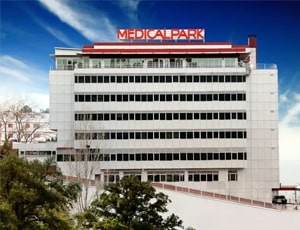
Choosing Medical Park Trabzon Star Hospital for Corpus Callosotomy gives patients access to experienced epilepsy surgeons, advanced EEG and neuroimaging systems, intraoperative monitoring, specialized neurosurgical facilities, and structured postoperative rehabilitation. Established in 2011, the JCI accredited hospital in Trabzon, Turkey has 120 beds and provides specialized surgical treatment for complex epilepsy.
Corpus Callosotomy is performed under general anaesthesia through a neurosurgical approach that allows the surgeon to access and divide selected portions of the corpus callosum. The procedure may be performed in stages or as a more extensive disconnection depending on the patient's condition. After surgery, patients are closely monitored for neurological changes, seizures, speech or coordination difficulties, infection, bleeding, and other potential complications. Rehabilitation and follow-up are tailored to individual recovery needs.
Medical Park Usak Hospital offers advanced Corpus Callosotomy using modern epilepsy surgery techniques and individualized neurosurgical care plans. Established in 2013, the JCI accredited hospital is located in Usak, Turkey and has 106 beds, providing comprehensive epilepsy and neurosurgical care for local and international patients.
Corpus Callosotomy is a surgical procedure used in selected patients with severe, drug-resistant epilepsy, particularly when seizures frequently cause sudden falls or injuries. The procedure involves partially or completely disconnecting the corpus callosum, the bundle of nerve fibers that connects the two cerebral hemispheres. By limiting the spread of seizure activity between the hemispheres, the procedure may reduce the frequency or severity of certain seizures.
Choosing Medical Park Tokat Hospital for Corpus Callosotomy gives patients access to experienced epilepsy surgeons, advanced EEG and neuroimaging systems, intraoperative monitoring, specialized neurosurgical facilities, and structured postoperative rehabilitation. Established in 2015, the JCI accredited hospital in Tokat, Turkey has 157 beds and provides specialized surgical treatment for complex epilepsy.
Corpus Callosotomy is performed under general anaesthesia through a neurosurgical approach that allows the surgeon to access and divide selected portions of the corpus callosum. The procedure may be performed in stages or as a more extensive disconnection depending on the patient's condition. After surgery, patients are closely monitored for neurological changes, seizures, speech or coordination difficulties, infection, bleeding, and other potential complications. Rehabilitation and follow-up are tailored to individual recovery needs.
A Corpus Callosotomy is a surgical procedure in which the bundle of nerve fibers (known as the carpus callosum) that connect the two hemispheres of the brain are disconnected. The procedure is performed on patients suffering from severe epilepsy. The aim of a corpus callosotomy is to reduce or prevent the spread of seizures.
The corpus callosotomy procedure is typically performed to deal with severe epilepsy. This procedure is mostly suggested in cases where seizures are not effectively controlled with medication and originate from both hemispheres, leading to generalized or drop seizures.
The recovery process after a Corpus Callosotomy is long and may take 6 to 8 weeks. It involves a hospital stay initially for wound care and monitoring the patient's overall health. Some discomfort and fatigue following the surgery are common. Medications may be adjusted to manage post-surgery symptoms. Rehabilitation and physical therapy are recommended to assist with recovery and help patients adapt to any changes in cognitive function or motor skills resulting from the procedure. Regular follow-up visits will be necessary to assess the effectiveness of the surgery in controlling seizures.