Browse verified doctors or let our care team help you find the doctor best suited to your condition, treatment goals, and budget.

Choosing Sunway Medical Centre for Brachial Plexus Injuries/Stereotactic Procedures gives patients access to experienced neurosurgeons, peripheral nerve specialists, advanced technology, and comprehensive rehabilitation support. Established in 1999, the ACHS accredited hospital in Kuala Lumpur, Malaysia has 724 beds and provides specialized neurological care.
Brachial Plexus Injury treatment aims to restore or improve nerve function and upper-limb movement when possible. Depending on the injury, surgery may involve repairing a damaged nerve, connecting a nerve graft, or transferring a functioning nerve to restore signals to affected muscles. Treatment decisions are based on neurological examination, imaging, electrodiagnostic testing, and the severity and duration of the injury. For appropriate neurological conditions, Stereotactic Procedures can provide highly targeted treatment using image-guided surgical navigation.
Bangpakok 9 International Hospital offers advanced treatment for Brachial Plexus Injuries / Stereotactic Procedures using modern neurosurgical and nerve-treatment techniques. Established in 2003, the JCI, GHA accredited hospital is located in Bangkok, Thailand and has 300 beds, providing comprehensive care for local and international patients.
Brachial Plexus Injuries affect the network of nerves that carries signals between the spinal cord and the shoulder, arm, and hand. Treatment depends on the severity and location of the nerve injury and may include observation, physiotherapy, nerve repair, nerve grafting, nerve transfer, or other reconstructive procedures. Stereotactic Procedures use advanced imaging and precise navigation to target specific areas when indicated for selected neurological conditions. Detailed neurological examination and imaging are generally performed to guide treatment planning.
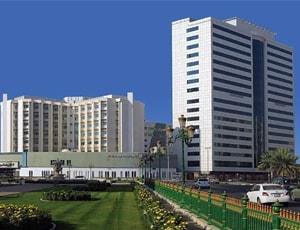
Dubai, United Arab Emirates
Aster DM Healthcare provides specialized Brachial Plexus Injuries/Stereotactic Procedures with a focus on accurate diagnosis, precise treatment, and functional recovery. Established in 1987, the JCI, NABH, NABL accredited hospital is located in Dubai, United Arab Emirates and operates 114 beds with modern neurosurgical infrastructure.
Brachial Plexus Injuries / Stereotactic Procedures require individualized treatment based on the underlying neurological problem. For brachial plexus injuries, specialists assess the affected nerves and may recommend observation, rehabilitation, nerve repair, nerve grafting, or nerve transfer depending on the injury. Stereotactic procedures use detailed imaging, computerized planning, and specialized navigation to accurately target selected areas of the nervous system when clinically indicated. Comprehensive neurological assessment and appropriate imaging help the medical team determine the most suitable treatment strategy.
Medipol Bahçelievler Hospital is a trusted healthcare provider for Brachial Plexus Injuries/Stereotactic Procedures, offering specialized management of complex nerve and neurological conditions supported by experienced specialists and advanced medical infrastructure. Established in 2022, the JCI accredited hospital is situated in Istanbul, Turkey and has 441 beds.
Brachial Plexus Injuries may result from trauma, stretching, compression, or other damage to the nerves supplying the upper limb. Depending on the type and severity of injury, treatment may involve nerve repair, nerve grafting, nerve transfer, tendon or muscle procedures, and rehabilitation. Stereotactic Procedures may be used for selected neurological conditions where highly precise, image-guided intervention is required. Specialists evaluate neurological function and relevant imaging findings before recommending the most suitable treatment.
At Medanta - The Medicity, Brachial Plexus Injuries/Stereotactic Procedures is provided using advanced nerve surgery, image-guided techniques, and individualized treatment plans. Established in 2009, this JCI, NABH accredited hospital in Gurgaon, India has 1250 beds and offers comprehensive neurosurgical and rehabilitation services.
Brachial Plexus Injury treatment is planned according to the extent of nerve damage, symptoms, and the time since injury. Patients may require physiotherapy for mild injuries, while severe nerve damage may require procedures such as nerve grafting, nerve transfer, or direct nerve repair. Where a stereotactic procedure is clinically appropriate, specialized imaging and computer-assisted guidance can help the surgeon accurately target the intended area. Pre-operative neurological assessment and imaging support selection of the appropriate treatment approach.
Sharjah, United Arab Emirates
NMC Royal Hospital Sharjah offers advanced treatment for Brachial Plexus Injuries / Stereotactic Procedures using modern neurosurgical and nerve-treatment techniques. Established in 1981, the JCI accredited hospital is located in Sharjah, United Arab Emirates and has 137 beds, providing comprehensive care for local and international patients.
Brachial Plexus Injuries affect the network of nerves that carries signals between the spinal cord and the shoulder, arm, and hand. Treatment depends on the severity and location of the nerve injury and may include observation, physiotherapy, nerve repair, nerve grafting, nerve transfer, or other reconstructive procedures. Stereotactic Procedures use advanced imaging and precise navigation to target specific areas when indicated for selected neurological conditions. Detailed neurological examination and imaging are generally performed to guide treatment planning.
Phyathai 2 International Hospital is a trusted healthcare provider for Brachial Plexus Injuries/Stereotactic Procedures, offering specialized management of complex nerve and neurological conditions supported by experienced specialists and advanced medical infrastructure. Established in 1987, the JCI accredited hospital is situated in Bangkok, Thailand and has 550 beds.
Brachial Plexus Injuries may result from trauma, stretching, compression, or other damage to the nerves supplying the upper limb. Depending on the type and severity of injury, treatment may involve nerve repair, nerve grafting, nerve transfer, tendon or muscle procedures, and rehabilitation. Stereotactic Procedures may be used for selected neurological conditions where highly precise, image-guided intervention is required. Specialists evaluate neurological function and relevant imaging findings before recommending the most suitable treatment.
At ParkCity Medical Centre, Brachial Plexus Injuries/Stereotactic Procedures is provided using advanced nerve surgery, image-guided techniques, and individualized treatment plans. Established in 2012, this JCI accredited hospital in Kuala Lumpur, Malaysia has 300 beds and offers comprehensive neurosurgical and rehabilitation services.
Brachial Plexus Injury treatment is planned according to the extent of nerve damage, symptoms, and the time since injury. Patients may require physiotherapy for mild injuries, while severe nerve damage may require procedures such as nerve grafting, nerve transfer, or direct nerve repair. Where a stereotactic procedure is clinically appropriate, specialized imaging and computer-assisted guidance can help the surgeon accurately target the intended area. Pre-operative neurological assessment and imaging support selection of the appropriate treatment approach.
Parkway East Hospital is a trusted healthcare provider for Brachial Plexus Injuries/Stereotactic Procedures, offering specialized management of complex nerve and neurological conditions supported by experienced specialists and advanced medical infrastructure. Established in 1942, the JCI accredited hospital is situated in Singapore, Singapore and has 143 beds.
Brachial Plexus Injuries may result from trauma, stretching, compression, or other damage to the nerves supplying the upper limb. Depending on the type and severity of injury, treatment may involve nerve repair, nerve grafting, nerve transfer, tendon or muscle procedures, and rehabilitation. Stereotactic Procedures may be used for selected neurological conditions where highly precise, image-guided intervention is required. Specialists evaluate neurological function and relevant imaging findings before recommending the most suitable treatment.
NPISTANBUL Brain Hospital is a trusted healthcare provider for Brachial Plexus Injuries/Stereotactic Procedures, offering specialized management of complex nerve and neurological conditions supported by experienced specialists and advanced medical infrastructure. Established in 2007, the JCI accredited hospital is situated in Istanbul, Turkey and has 160 beds.
Brachial Plexus Injuries may result from trauma, stretching, compression, or other damage to the nerves supplying the upper limb. Depending on the type and severity of injury, treatment may involve nerve repair, nerve grafting, nerve transfer, tendon or muscle procedures, and rehabilitation. Stereotactic Procedures may be used for selected neurological conditions where highly precise, image-guided intervention is required. Specialists evaluate neurological function and relevant imaging findings before recommending the most suitable treatment.
Choosing Gleneagles Hospital Mumbai for Brachial Plexus Injuries/Stereotactic Procedures gives patients access to experienced neurosurgeons, peripheral nerve specialists, advanced technology, and comprehensive rehabilitation support. Established in 1996, the JCI accredited hospital in Mumbai, India has 450 beds and provides specialized neurological care.
Brachial Plexus Injury treatment aims to restore or improve nerve function and upper-limb movement when possible. Depending on the injury, surgery may involve repairing a damaged nerve, connecting a nerve graft, or transferring a functioning nerve to restore signals to affected muscles. Treatment decisions are based on neurological examination, imaging, electrodiagnostic testing, and the severity and duration of the injury. For appropriate neurological conditions, Stereotactic Procedures can provide highly targeted treatment using image-guided surgical navigation.
Choosing Subang Jaya Medical Centre for Brachial Plexus Injuries/Stereotactic Procedures gives patients access to experienced neurosurgeons, peripheral nerve specialists, advanced technology, and comprehensive rehabilitation support. Established in 1985, the JCI accredited hospital in Kuala Lumpur, Malaysia has 442 beds and provides specialized neurological care.
Brachial Plexus Injury treatment aims to restore or improve nerve function and upper-limb movement when possible. Depending on the injury, surgery may involve repairing a damaged nerve, connecting a nerve graft, or transferring a functioning nerve to restore signals to affected muscles. Treatment decisions are based on neurological examination, imaging, electrodiagnostic testing, and the severity and duration of the injury. For appropriate neurological conditions, Stereotactic Procedures can provide highly targeted treatment using image-guided surgical navigation.
At Saudi German Hospital, Brachial Plexus Injuries/Stereotactic Procedures is provided using advanced nerve surgery, image-guided techniques, and individualized treatment plans. Established in 2012, this JCI accredited hospital in Dubai, United Arab Emirates has 300 beds and offers comprehensive neurosurgical and rehabilitation services.
Brachial Plexus Injury treatment is planned according to the extent of nerve damage, symptoms, and the time since injury. Patients may require physiotherapy for mild injuries, while severe nerve damage may require procedures such as nerve grafting, nerve transfer, or direct nerve repair. Where a stereotactic procedure is clinically appropriate, specialized imaging and computer-assisted guidance can help the surgeon accurately target the intended area. Pre-operative neurological assessment and imaging support selection of the appropriate treatment approach.
Ghaziabad, India
Max Super Specialty Hospital, Vaishali provides specialized Brachial Plexus Injuries/Stereotactic Procedures with a focus on accurate diagnosis, precise treatment, and functional recovery. Established in 2008, the NABL, NABH accredited hospital is located in Ghaziabad, India and operates 370 beds with modern neurosurgical infrastructure.
Brachial Plexus Injuries / Stereotactic Procedures require individualized treatment based on the underlying neurological problem. For brachial plexus injuries, specialists assess the affected nerves and may recommend observation, rehabilitation, nerve repair, nerve grafting, or nerve transfer depending on the injury. Stereotactic procedures use detailed imaging, computerized planning, and specialized navigation to accurately target selected areas of the nervous system when clinically indicated. Comprehensive neurological assessment and appropriate imaging help the medical team determine the most suitable treatment strategy.
Canadian Specialist Hospital is a trusted healthcare provider for Brachial Plexus Injuries/Stereotactic Procedures, offering specialized management of complex nerve and neurological conditions supported by experienced specialists and advanced medical infrastructure. Established in 2006, the JCI accredited hospital is situated in Dubai, United Arab Emirates and has 200 beds.
Brachial Plexus Injuries may result from trauma, stretching, compression, or other damage to the nerves supplying the upper limb. Depending on the type and severity of injury, treatment may involve nerve repair, nerve grafting, nerve transfer, tendon or muscle procedures, and rehabilitation. Stereotactic Procedures may be used for selected neurological conditions where highly precise, image-guided intervention is required. Specialists evaluate neurological function and relevant imaging findings before recommending the most suitable treatment.
| Speciality | Neurology |
| Procedure | Brachial Plexus Injuries/Stereotactic Procedures |
| Success Rate | Varies by condition |
| Recovery Time | Varies by condition |
| Treatment Time | Varies by condition |
| Chances of Recurrence | Varies by condition |
A brachial plexus injury, also known as brachial plexopathy, is a medical condition that occurs in the brachial plexus group of nerves. These nerves are responsible for sending signals from your spine to your shoulder, arm, and hand. A brachial plexus injury occurs when these nerves are compressed, stretched, or, in the most severe cases, ripped apart from the spinal cord. The Stereotactic procedures involve precise imaging and mapping of the affected area to guide the surgeon in delivering the best course of treatment.
Brachial plexus injuries Stereotactic procedures can be used to treat various conditions such as nerve compression, nerve entrapment, or nerve injuries resulting from trauma or accidents.
The recovery process after a stereotactic procedure performed on a brachial plexus injury depends on the specific condition being treated and the extent of the injury. Patients may need post-procedure physical therapy and rehabilitation to regain strength and function in the affected limb. The patient is recommended to avoid strenuous activities, lifting heavy weights or arm movements that can cause stress in the muscles. The overall recovery may take 4 to 8 weeks

MediGence took care of everything from helping in choosing the best hospital to booking hospital appointments. I strongly recommend MediGence to all those who are looking to travel overseas for the surgery.