Browse verified doctors or let our care team help you find the doctor best suited to your condition, treatment goals, and budget.

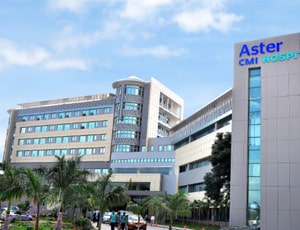
Aster CMI Hospital is a trusted healthcare provider for TAPVC, offering complex congenital heart surgery supported by experienced pediatric cardiac surgeons, specialized operating facilities, and multidisciplinary intensive care. Established in 2014, the JCI, NABH, NABL accredited hospital is situated in Bangalore, India and has 500 beds.
TAPVC can cause significant mixing of oxygenated and deoxygenated blood and may lead to low oxygen levels, rapid breathing, poor feeding, or heart failure, particularly when pulmonary venous drainage is severely obstructed. Surgical correction focuses on creating an unobstructed pathway between the pulmonary veins and left atrium and eliminating the abnormal circulation. Before treatment, the cardiac team evaluates the baby's heart anatomy, oxygenation, ventricular function, and the presence of pulmonary venous obstruction.
At Apollo Hospitals Bannerghatta, TAPVC is performed using specialised pediatric cardiac surgical techniques and comprehensive preoperative cardiovascular assessment. Established in 2007, this JCI accredited hospital in Bangalore, India has 350 beds and offers advanced pediatric and congenital cardiac services.
TAPVC repair may be required in newborns and infants with different forms of abnormal pulmonary venous drainage, including supracardiac, cardiac, infracardiac, and mixed types. During surgery, the cardiac surgeon redirects the pulmonary veins into the left atrium and addresses associated atrial septal defects or other abnormal blood flow pathways. Echocardiography and, when required, additional cardiac imaging help determine the anatomy and guide surgical planning.
Choosing Fortis Hospital for TAPVC gives patients access to experienced pediatric cardiac surgeons, advanced cardiovascular imaging, neonatal intensive care facilities, and structured postoperative management. Established in 2001, the NABH, NABL, JCI accredited hospital in Bangalore, India has 375 beds and provides specialised congenital and cardiothoracic surgical services.
TAPVC repair is performed under general anaesthesia and typically requires open-heart surgery with cardiopulmonary bypass. The surgeon establishes a direct connection between the pulmonary venous confluence and the left atrium and closes the abnormal atrial communication as appropriate. Following surgery, the infant is closely monitored in a neonatal or pediatric cardiac intensive care unit for oxygenation, heart function, rhythm disturbances, pulmonary pressure, and potential postoperative complications.
Faridabad, India
At Sarvodaya Hospital and Research Centre, TAPVC is performed using specialised pediatric cardiac surgical techniques and comprehensive preoperative cardiovascular assessment. Established in 1997, this NABH, NABL accredited hospital in Faridabad, India has 500 beds and offers advanced pediatric and congenital cardiac services.
TAPVC repair may be required in newborns and infants with different forms of abnormal pulmonary venous drainage, including supracardiac, cardiac, infracardiac, and mixed types. During surgery, the cardiac surgeon redirects the pulmonary veins into the left atrium and addresses associated atrial septal defects or other abnormal blood flow pathways. Echocardiography and, when required, additional cardiac imaging help determine the anatomy and guide surgical planning.
At Jaypee Hospital, TAPVC is performed using specialised pediatric cardiac surgical techniques and comprehensive preoperative cardiovascular assessment. Established in 2014, this NABH, JCI accredited hospital in Noida, India has 1200 beds and offers advanced pediatric and congenital cardiac services.
TAPVC repair may be required in newborns and infants with different forms of abnormal pulmonary venous drainage, including supracardiac, cardiac, infracardiac, and mixed types. During surgery, the cardiac surgeon redirects the pulmonary veins into the left atrium and addresses associated atrial septal defects or other abnormal blood flow pathways. Echocardiography and, when required, additional cardiac imaging help determine the anatomy and guide surgical planning.
At Fortis Hospital, Shalimar Bagh, TAPVC is performed using specialised pediatric cardiac surgical techniques and comprehensive preoperative cardiovascular assessment. Established in 2010, this NABH accredited hospital in Delhi, India has 262 beds and offers advanced pediatric and congenital cardiac services.
TAPVC repair may be required in newborns and infants with different forms of abnormal pulmonary venous drainage, including supracardiac, cardiac, infracardiac, and mixed types. During surgery, the cardiac surgeon redirects the pulmonary veins into the left atrium and addresses associated atrial septal defects or other abnormal blood flow pathways. Echocardiography and, when required, additional cardiac imaging help determine the anatomy and guide surgical planning.
Wockhardt Hospital - A new Age Hospital provides specialised TAPVC with a focus on precise anatomical reconstruction, advanced neonatal cardiac techniques, and individualised postoperative care. Established in 2014, the NABH, NABL, JCI accredited hospital is located in Mumbai, India and operates 350 beds, with modern pediatric cardiac surgical and critical-care infrastructure.
TAPVC treatment restores normal pulmonary venous blood flow by connecting the pulmonary veins to the left atrium and correcting associated abnormal pathways. The surgical approach may vary depending on whether the TAPVC is supracardiac, cardiac, infracardiac, or mixed, and whether pulmonary venous obstruction is present. A detailed assessment before treatment helps the cardiac team understand the pulmonary venous anatomy, determine the urgency of repair, and plan the most appropriate surgical strategy.
At Seven Hills Hospital, TAPVC is performed using specialised pediatric cardiac surgical techniques and comprehensive preoperative cardiovascular assessment. Established in 1986, this NABH, NABL, JCI accredited hospital in Mumbai, India has 1500 beds and offers advanced pediatric and congenital cardiac services.
TAPVC repair may be required in newborns and infants with different forms of abnormal pulmonary venous drainage, including supracardiac, cardiac, infracardiac, and mixed types. During surgery, the cardiac surgeon redirects the pulmonary veins into the left atrium and addresses associated atrial septal defects or other abnormal blood flow pathways. Echocardiography and, when required, additional cardiac imaging help determine the anatomy and guide surgical planning.
Chennai, India
Sri Ramachandra Medical Centre offers advanced TAPVC treatment using modern congenital cardiac surgery techniques and individualized cardiovascular care plans. Established in 1985, the JCI, NABH accredited hospital is located in Chennai, India and has 1800 beds, providing comprehensive cardiac care for local and international patients.
Total Anomalous Pulmonary Venous Connection (TAPVC) is a congenital heart defect in which the pulmonary veins do not connect normally to the left atrium. Instead, oxygen-rich blood returns to the right side of the heart through an abnormal pathway. Surgical repair aims to establish a normal connection between the pulmonary veins and left atrium while closing associated abnormal connections that allow blood mixing.
Delhi, India
Max Smart Super Speciality Hospital provides specialised TAPVC with a focus on precise anatomical reconstruction, advanced neonatal cardiac techniques, and individualised postoperative care. Established in 2012, the JCI, NABH accredited hospital is located in Delhi, India and operates 250 beds, with modern pediatric cardiac surgical and critical-care infrastructure.
TAPVC treatment restores normal pulmonary venous blood flow by connecting the pulmonary veins to the left atrium and correcting associated abnormal pathways. The surgical approach may vary depending on whether the TAPVC is supracardiac, cardiac, infracardiac, or mixed, and whether pulmonary venous obstruction is present. A detailed assessment before treatment helps the cardiac team understand the pulmonary venous anatomy, determine the urgency of repair, and plan the most appropriate surgical strategy.
Amrita Hospital provides specialised TAPVC with a focus on precise anatomical reconstruction, advanced neonatal cardiac techniques, and individualised postoperative care. Established in 2022, the NABH accredited hospital is located in Faridabad, India and operates 2600 beds, with modern pediatric cardiac surgical and critical-care infrastructure.
TAPVC treatment restores normal pulmonary venous blood flow by connecting the pulmonary veins to the left atrium and correcting associated abnormal pathways. The surgical approach may vary depending on whether the TAPVC is supracardiac, cardiac, infracardiac, or mixed, and whether pulmonary venous obstruction is present. A detailed assessment before treatment helps the cardiac team understand the pulmonary venous anatomy, determine the urgency of repair, and plan the most appropriate surgical strategy.
Aster Medcity is a trusted healthcare provider for TAPVC, offering complex congenital heart surgery supported by experienced pediatric cardiac surgeons, specialized operating facilities, and multidisciplinary intensive care. Established in 2013, the NABH, JCI accredited hospital is situated in Kochi, India and has 670 beds.
TAPVC can cause significant mixing of oxygenated and deoxygenated blood and may lead to low oxygen levels, rapid breathing, poor feeding, or heart failure, particularly when pulmonary venous drainage is severely obstructed. Surgical correction focuses on creating an unobstructed pathway between the pulmonary veins and left atrium and eliminating the abnormal circulation. Before treatment, the cardiac team evaluates the baby's heart anatomy, oxygenation, ventricular function, and the presence of pulmonary venous obstruction.
Choosing Aakash Healthcare Super Speciality Hospital for TAPVC gives patients access to experienced pediatric cardiac surgeons, advanced cardiovascular imaging, neonatal intensive care facilities, and structured postoperative management. Established in 2011, the NABH, ISO accredited hospital in Delhi, India has 230 beds and provides specialised congenital and cardiothoracic surgical services.
TAPVC repair is performed under general anaesthesia and typically requires open-heart surgery with cardiopulmonary bypass. The surgeon establishes a direct connection between the pulmonary venous confluence and the left atrium and closes the abnormal atrial communication as appropriate. Following surgery, the infant is closely monitored in a neonatal or pediatric cardiac intensive care unit for oxygenation, heart function, rhythm disturbances, pulmonary pressure, and potential postoperative complications.
At Rajagiri Hospital, TAPVC is performed using specialised pediatric cardiac surgical techniques and comprehensive preoperative cardiovascular assessment. Established in 2014, this JCI accredited hospital in Kochi, India it has adequate bed capacity and offers advanced pediatric and congenital cardiac services.
TAPVC repair may be required in newborns and infants with different forms of abnormal pulmonary venous drainage, including supracardiac, cardiac, infracardiac, and mixed types. During surgery, the cardiac surgeon redirects the pulmonary veins into the left atrium and addresses associated atrial septal defects or other abnormal blood flow pathways. Echocardiography and, when required, additional cardiac imaging help determine the anatomy and guide surgical planning.
Marengo Asia Hospitals, Faridabad offers advanced TAPVC treatment using modern congenital cardiac surgery techniques and individualized cardiovascular care plans. Established in 2007, the NABH, NABL accredited hospital is located in Faridabad, India and has 325 beds, providing comprehensive cardiac care for local and international patients.
Total Anomalous Pulmonary Venous Connection (TAPVC) is a congenital heart defect in which the pulmonary veins do not connect normally to the left atrium. Instead, oxygen-rich blood returns to the right side of the heart through an abnormal pathway. Surgical repair aims to establish a normal connection between the pulmonary veins and left atrium while closing associated abnormal connections that allow blood mixing.

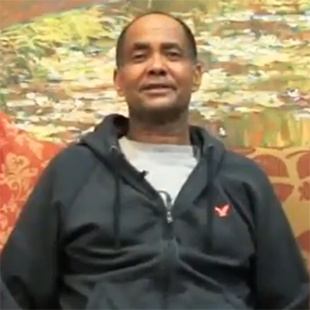
Mr. Hailu Kassa underwent Coronary Artery Bypass Surgery in Vejthani Hospital, Thailand under the supervision of Dr. Piya, Cardio-Thoracic Surgeon

Patient Testimonial: Rod Schaubroeck from United States (U.S.A) underwent heart valve replacement at Fortis Hospital, India
| Speciality | Cardiac Sciences |
| Procedure | TAPVC |
| Success Rate | 90-95% |
| Recovery Time | 5 Days to 1 week |
| Treatment Time | 2 to 5 hours |
| Chances of Recurrence | Low |
Yes, most hospitals in India that perform surgical operations for TAPVC (Total Anomalous Pulmonary Venous Connection) are fully equipped and have advanced technology in the related field. Modern hospitals in India have the latest diagnostic and treatment instruments to manage congenital heart diseases, such as TAPVC.
The best and most renowned hospitals for TAPVC (Total Anomalous Pulmonary Venous Connection) treatment in India comprise surgical specialists such as cardiologists, pediatric cardiologists and cardiac surgeons and use sophisticated technologies such as 3D echocardiography and the cardiac MRI test. These hospitals have ultra-modern surgical services, including minimally invasive surgery, robotic surgery, and specialised newborn child and adolescent health care services.
NABH accreditation is for providing the best quality, and JCI significantly impacts the patient care program. The organisation has a multidisciplinary team with a high success rate. Quality care is concise & patient-centric, enabling a dedicated ICU for post-operative care- these are why these hospitals are the perfect settings for managing TAPVC.
The post-operative mortality of TAPVC surgery in India is usually low, primarily if the operation is performed at some of the largest centres with dedicated cardiovascular teams. TAPVC surgical success rates lie between 85-95 % depending on age, type and severity of the condition, and institutional experience.
Through the patients, MediGence provides the list of certified and recognised doctors in India for TAPVC. At that point, the patient is provided with all the data necessary regarding the expert’s specialisation, experience, success stories, and other crucial experience data. From the list of resources that MediGence offers, patients can quickly get the right doctor and hence have the correct tests done, which are well-recommended and cost-efficient. It is an ideal connection source to help you consult and find needed treatment only with reputable and experienced providers.
A few of the best hospitals for TAPVC in India are as follows:
The cost of a TAPVC in India typically ranges from (USD 7000 - 8500), depending on the hospital location, surgeon's expertise, and the procedure's complexity.
TAPVC in India includes complete treatment solutions for overseas visitors. Numerous healthcare organisations nationwide are conversant with medical tourism and have individual services to cater to international clients. These services often include:
Total Anomalous Pulmonary Venous Connection (TAPVC) is an uncommon congenital cardiopathy diagnosed early in life. The pulmonary veins drain into other veins or right-sided structures rather than into the left atrium. This can lead to several health complications, all of which can be life-threatening if left undiagnosed or discovered at a later stage. The following risks are associated with TAPVC:
The time to recovery following TAPVC surgery in India ranges between three to six months. First, in the case of severe encephalitis, the child is placed in an intensive care unit for one to two weeks and then released to home care. In the first 2-6 weeks, the child is to be less active; however, follow-up visits with a pediatric cardiologist are essential.
Most patients should be able to get well within 3-6 months while returning to normal activities, which is dependent on the doctor’s advice. That is, the availability and type of healthcare facilities and follow-up care, including potential adverse effects such as infections or heart problems, affect the time to recovery.
To receive a teleconsultation with a cardiologist before planning your trip to India to undergo the TAPVC, use the Medigence platform. All it takes is a callback from a specialist, a diagnosis, and learning about treatments and procedures available to you from the comfort of your home. This way, you can make the right choices and may not doubt your treatment choice.
Managing patients who have gone through the closure of TAPVC in India is crucial. It plays a significant role in preventing complications soon after the surgery. Here's what patients can generally expect:
India is a popular choice for TAPVC because of several factors:
First, the patient will be asked to complete an online contact form on our site. Once submitted, MediGence will contact you to help fix your TAPVC in India. With us, you will know which hospital to go to, you will see a doctor of your choice, and we will support you step by step. Enrollment is our guideline, with the help of which we help you receive the required documents and coordinate your treatment schedule so you can have comfort all the time from the day of registration up to the day of discharge from the hospital.
If a child with TAPVC is admitted to a hospital in India, he or she will be diagnosed, a course of treatment will be drawn up, and surgery will be performed if necessary. Here's what families can typically expect:
In India, surgical intervention is the mainstay and most efficient intervention for TAPVC. However, other treatments can be used in some circumstances, and supportive care might also be recommended as a treatment option when an early diagnosis has not been made or the patient cannot qualify for surgery.
Most patients and their families should consider the following measures before undergoing TAPVC surgery at centres in India. Whether you’re preparing for the initial diagnosis, the surgery itself, or postoperative care, here’s a comprehensive guide to help you through the process: