Browse verified doctors or let our care team help you find the doctor best suited to your condition, treatment goals, and budget.

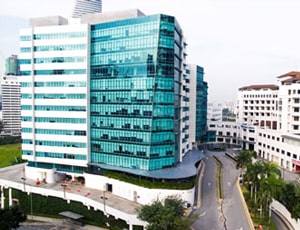
Prince Court Medical Centre offers advanced TAPVC treatment using modern congenital cardiac surgery techniques and individualized cardiovascular care plans. Established in 2007, the MSQH accredited hospital is located in Kuala Lumpur, Malaysia and has 277 beds, providing comprehensive cardiac care for local and international patients.
Total Anomalous Pulmonary Venous Connection (TAPVC) is a congenital heart defect in which the pulmonary veins do not connect normally to the left atrium. Instead, oxygen-rich blood returns to the right side of the heart through an abnormal pathway. Surgical repair aims to establish a normal connection between the pulmonary veins and left atrium while closing associated abnormal connections that allow blood mixing.
Parkway Pantai is a trusted healthcare provider for TAPVC, offering complex congenital heart surgery supported by experienced pediatric cardiac surgeons, specialized operating facilities, and multidisciplinary intensive care. Established in 1974, the JCI, MSQH accredited hospital is situated in Kuala Lumpur, Malaysia and has 499 beds.
TAPVC can cause significant mixing of oxygenated and deoxygenated blood and may lead to low oxygen levels, rapid breathing, poor feeding, or heart failure, particularly when pulmonary venous drainage is severely obstructed. Surgical correction focuses on creating an unobstructed pathway between the pulmonary veins and left atrium and eliminating the abnormal circulation. Before treatment, the cardiac team evaluates the baby's heart anatomy, oxygenation, ventricular function, and the presence of pulmonary venous obstruction.
ParkCity Medical Centre offers advanced TAPVC treatment using modern congenital cardiac surgery techniques and individualized cardiovascular care plans. Established in 2012, the JCI accredited hospital is located in Kuala Lumpur, Malaysia and has 300 beds, providing comprehensive cardiac care for local and international patients.
Total Anomalous Pulmonary Venous Connection (TAPVC) is a congenital heart defect in which the pulmonary veins do not connect normally to the left atrium. Instead, oxygen-rich blood returns to the right side of the heart through an abnormal pathway. Surgical repair aims to establish a normal connection between the pulmonary veins and left atrium while closing associated abnormal connections that allow blood mixing.
At Subang Jaya Medical Centre, TAPVC is performed using specialised pediatric cardiac surgical techniques and comprehensive preoperative cardiovascular assessment. Established in 1985, this JCI accredited hospital in Kuala Lumpur, Malaysia has 442 beds and offers advanced pediatric and congenital cardiac services.
TAPVC repair may be required in newborns and infants with different forms of abnormal pulmonary venous drainage, including supracardiac, cardiac, infracardiac, and mixed types. During surgery, the cardiac surgeon redirects the pulmonary veins into the left atrium and addresses associated atrial septal defects or other abnormal blood flow pathways. Echocardiography and, when required, additional cardiac imaging help determine the anatomy and guide surgical planning.
At Ara Damansara Medical Centre, TAPVC is performed using specialised pediatric cardiac surgical techniques and comprehensive preoperative cardiovascular assessment. Established in 2012, this JCI, MSQH accredited hospital in Kuala Lumpur, Malaysia has 220 beds and offers advanced pediatric and congenital cardiac services.
TAPVC repair may be required in newborns and infants with different forms of abnormal pulmonary venous drainage, including supracardiac, cardiac, infracardiac, and mixed types. During surgery, the cardiac surgeon redirects the pulmonary veins into the left atrium and addresses associated atrial septal defects or other abnormal blood flow pathways. Echocardiography and, when required, additional cardiac imaging help determine the anatomy and guide surgical planning.
At Bukit Tinggi Medical Centre, TAPVC is performed using specialised pediatric cardiac surgical techniques and comprehensive preoperative cardiovascular assessment. Established in 2016, this MSQH accredited hospital in Kuala Lumpur, Malaysia has 171 beds and offers advanced pediatric and congenital cardiac services.
TAPVC repair may be required in newborns and infants with different forms of abnormal pulmonary venous drainage, including supracardiac, cardiac, infracardiac, and mixed types. During surgery, the cardiac surgeon redirects the pulmonary veins into the left atrium and addresses associated atrial septal defects or other abnormal blood flow pathways. Echocardiography and, when required, additional cardiac imaging help determine the anatomy and guide surgical planning.

Mr. Hailu Kassa underwent Coronary Artery Bypass Surgery in Vejthani Hospital, Thailand under the supervision of Dr. Piya, Cardio-Thoracic Surgeon

Patient Testimonial: Rod Schaubroeck from United States (U.S.A) underwent heart valve replacement at Fortis Hospital, India
| Speciality | Cardiac Sciences |
| Procedure | TAPVC |
| Success Rate | 90-95% |
| Recovery Time | 5 Days to 1 week |
| Treatment Time | 2 to 5 hours |
| Chances of Recurrence | Low |
Total Anomalous Pulmonary Venous Connection (TAPVC) is a congenital heart defect in which the pulmonary veins, responsible for carrying oxygenated blood from the lungs to the heart, are not connected to the left atrium in the way that they should. Instead, they are connected to other veins or the right atrium, leading to abnormal blood flow. TAPVC repair corrects this abnormal connection and redirects the pulmonary veins to the left atrium, restoring normal blood flow and improving oxygenation.
TAPVC repair is performed exclusively to surgically correct and restore normal blood circulation that happens due to a total anomalous pulmonary venous connection. During the procedure, the surgeon creates a connection to redirect the oxygenated blood to its proper route. This improves oxygen levels in the body and helps with signs like breathlessness, chest pain, etc.
The TAPVC repair is typically performed in infants, and the recovery process involves closely monitoring the child in the cardiac intensive care unit (ICU). The recovery may take weeks to months based on the child’s overall health state. A child may need respiratory support and medication to stabilize their condition. After discharge, the doctor will schedule follow-up visits to check for proper recovery and growth.
The ranking of hospitals according to the procedure is based on a number of elements. In Malaysia, hospitals that do TAPVCs are ranked according to the mentioned factors- Availability of the Procedure, Popularity of the procedure & hospital, Infrastructure, Pricing structure, Experienced Medical Professionals, Technology Employed, Facilities Available for the Patients & Visitors, Success Rate of the Hospital.
With MediGence, you can avail quality healthcare along with convenience and cost-savings. By using our unmatched care services, you can have the best and hassle-free medical experience abroad. Dedicated Case Manager, Video Consultation, Hotel stays or Accommodation, Recovery packages, round-the-clock assistance, and personalized packages with discounts of up to 30% are some of the best caregiving services offered. To help you receive top-notch medical treatment, we also provide a number of additional benefits.
Yes. You can avail a video consultation with a specialist before you plan your medical travel. While talking to one of our experts, you can request a video consultation appointment. Our expert will cross-check with the specialist about his/her availability and send you a payment link for the confirmation of the appointment.
Due to the country's cutting-edge healthcare system and high success rate, many people have begun traveling to Malaysia for TAPVC. There are many additional factors making Malaysia the preferred choice for TAPVC including:
The recovery time for a procedure varies based on the condition of the patient and the complexity of the surgery. Rehabilitation and post-operative care play an important role in speeding up the recovery time and helping the patient to get back to their healthier self. Following surgery, patients must return for follow-up appointments to ensure proper healing and to expedite the healing process.