Browse verified doctors or let our care team help you find the doctor best suited to your condition, treatment goals, and budget.

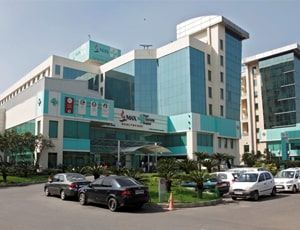
Max Super Speciality Hospital, Saket is a trusted healthcare provider for CABG - Redo, offering specialized repeat coronary bypass surgery supported by experienced cardiothoracic surgeons and advanced cardiac-care facilities. Established in 2006, the JCI, NABH accredited hospital is situated in Delhi, India and has 539 beds.
Redo CABG is performed for selected patients who have previously undergone CABG but later develop recurrent or progressive coronary artery disease. The repeat procedure may involve using arterial or venous conduits to establish alternative routes around newly narrowed or previously bypassed coronary arteries. Since scar tissue from the earlier operation can make re-entry and dissection more challenging, surgeons carefully review previous surgical records and current imaging before proceeding. Recovery includes close cardiac monitoring, medication management, and rehabilitation.
Gurgaon, India
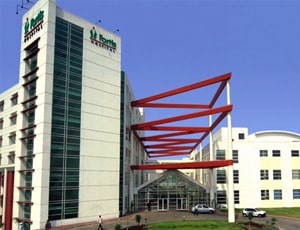
Choosing Fortis Memorial Research Institute for CABG - Redo gives patients access to experienced cardiac surgeons, advanced coronary imaging, intensive cardiac monitoring, and comprehensive rehabilitation support. Established in 2013, the JCI, NABH, NABL accredited hospital in Gurgaon, India has 311 beds and provides specialized coronary revascularization services.
CABG – Redo may be required when previous bypass grafts have failed or when progressive disease affects other coronary vessels. Doctors first determine whether medication, angioplasty, stenting, or repeat surgery is the most appropriate option. If redo CABG is selected, surgeons develop a detailed plan to identify usable graft vessels and safely access the heart despite previous surgical scarring. The number and location of new bypasses depend on the coronary blockages and the condition of existing grafts.
Choosing Asian Institute of Medical Sciences for CABG - Redo gives patients access to experienced cardiac surgeons, advanced coronary imaging, intensive cardiac monitoring, and comprehensive rehabilitation support. Established in 2010, the NABL, NABH accredited hospital in Faridabad, India has 425 beds and provides specialized coronary revascularization services.
CABG – Redo may be required when previous bypass grafts have failed or when progressive disease affects other coronary vessels. Doctors first determine whether medication, angioplasty, stenting, or repeat surgery is the most appropriate option. If redo CABG is selected, surgeons develop a detailed plan to identify usable graft vessels and safely access the heart despite previous surgical scarring. The number and location of new bypasses depend on the coronary blockages and the condition of existing grafts.
Choosing Manipal Hospital, Gurugram for CABG - Redo gives patients access to experienced cardiac surgeons, advanced coronary imaging, intensive cardiac monitoring, and comprehensive rehabilitation support. Established in 2008, the NABL, NABH accredited hospital in Gurgaon, India has 380 beds and provides specialized coronary revascularization services.
CABG – Redo may be required when previous bypass grafts have failed or when progressive disease affects other coronary vessels. Doctors first determine whether medication, angioplasty, stenting, or repeat surgery is the most appropriate option. If redo CABG is selected, surgeons develop a detailed plan to identify usable graft vessels and safely access the heart despite previous surgical scarring. The number and location of new bypasses depend on the coronary blockages and the condition of existing grafts.
Metro Hospital provides specialized CABG - Redo with a focus on complex coronary revascularization, careful surgical planning, and patient safety. Established in 1997, the NABL, NABH, ISO accredited hospital is located in Noida, India and operates 289 beds with modern cardiothoracic surgery infrastructure.
CABG – Redo is a complex repeat operation intended to improve blood flow to the heart in patients who have previously undergone coronary bypass surgery. The need for repeat revascularization can arise from deterioration of older grafts, progression of coronary artery disease, or development of new coronary blockages. Comprehensive evaluation may include coronary angiography, CT imaging in selected cases, echocardiography, and assessment of existing grafts. During surgery, the team may use available arterial or venous vessels to create new bypasses. After the operation, patients require careful monitoring and a structured recovery program to support cardiovascular health.
Sharda Hospital provides specialized CABG - Redo with a focus on complex coronary revascularization, careful surgical planning, and patient safety. Established in 2005, the NABH accredited hospital is located in Noida, India and operates 1200 beds with modern cardiothoracic surgery infrastructure.
CABG – Redo is a complex repeat operation intended to improve blood flow to the heart in patients who have previously undergone coronary bypass surgery. The need for repeat revascularization can arise from deterioration of older grafts, progression of coronary artery disease, or development of new coronary blockages. Comprehensive evaluation may include coronary angiography, CT imaging in selected cases, echocardiography, and assessment of existing grafts. During surgery, the team may use available arterial or venous vessels to create new bypasses. After the operation, patients require careful monitoring and a structured recovery program to support cardiovascular health.
Chennai, India
The Madras Institute of Orthopedics and Traumatology is a trusted healthcare provider for CABG - Redo, offering specialized repeat coronary bypass surgery supported by experienced cardiothoracic surgeons and advanced cardiac-care facilities. Established in 1999, the JCI, NABH accredited hospital is situated in Chennai, India and has 1000 beds.
Redo CABG is performed for selected patients who have previously undergone CABG but later develop recurrent or progressive coronary artery disease. The repeat procedure may involve using arterial or venous conduits to establish alternative routes around newly narrowed or previously bypassed coronary arteries. Since scar tissue from the earlier operation can make re-entry and dissection more challenging, surgeons carefully review previous surgical records and current imaging before proceeding. Recovery includes close cardiac monitoring, medication management, and rehabilitation.
At Manipal Hospital, Ghaziabad, CABG - Redo is performed using advanced cardiac imaging, surgical planning, and specialized revascularization techniques. Established in 2010, this NABH, NABL accredited hospital in Ghaziabad, India has 9500 beds and offers comprehensive cardiovascular and post-operative care.
CABG – Redo may be considered when recurrent coronary artery disease causes significant narrowing and cannot be adequately managed with medication or catheter-based treatment. Before repeat bypass surgery, cardiologists and cardiac surgeons evaluate the patient's previous grafts, coronary anatomy, heart function, and other medical conditions. During the operation, new grafts are connected to bypass diseased coronary segments and restore blood flow to areas of the heart muscle. The surgical plan is tailored to the patient's previous operation and current coronary anatomy.
VPS Lakeshore Hospital is a trusted healthcare provider for CABG - Redo, offering specialized repeat coronary bypass surgery supported by experienced cardiothoracic surgeons and advanced cardiac-care facilities. Established in 2003, the NABH, ISO accredited hospital is situated in Kochi, India and has 350 beds.
Redo CABG is performed for selected patients who have previously undergone CABG but later develop recurrent or progressive coronary artery disease. The repeat procedure may involve using arterial or venous conduits to establish alternative routes around newly narrowed or previously bypassed coronary arteries. Since scar tissue from the earlier operation can make re-entry and dissection more challenging, surgeons carefully review previous surgical records and current imaging before proceeding. Recovery includes close cardiac monitoring, medication management, and rehabilitation.
At Apollo Multispecialty Hospitals, CABG - Redo is performed using advanced cardiac imaging, surgical planning, and specialized revascularization techniques. Established in 2003, this JCI, ISO accredited hospital in Kolkata, India has 700 beds and offers comprehensive cardiovascular and post-operative care.
CABG – Redo may be considered when recurrent coronary artery disease causes significant narrowing and cannot be adequately managed with medication or catheter-based treatment. Before repeat bypass surgery, cardiologists and cardiac surgeons evaluate the patient's previous grafts, coronary anatomy, heart function, and other medical conditions. During the operation, new grafts are connected to bypass diseased coronary segments and restore blood flow to areas of the heart muscle. The surgical plan is tailored to the patient's previous operation and current coronary anatomy.
Apollo Hospital is a trusted healthcare provider for CABG - Redo, offering specialized repeat coronary bypass surgery supported by experienced cardiothoracic surgeons and advanced cardiac-care facilities. Established in 1983, the JCI accredited hospital is situated in Chennai, India and has 550 beds.
Redo CABG is performed for selected patients who have previously undergone CABG but later develop recurrent or progressive coronary artery disease. The repeat procedure may involve using arterial or venous conduits to establish alternative routes around newly narrowed or previously bypassed coronary arteries. Since scar tissue from the earlier operation can make re-entry and dissection more challenging, surgeons carefully review previous surgical records and current imaging before proceeding. Recovery includes close cardiac monitoring, medication management, and rehabilitation.
Fortis Hospital offers advanced CABG – Redo using specialized cardiac surgical techniques and individualized treatment planning. Established in 2004, the NABH, NABL accredited hospital is located in Noida, India and has 400 beds, providing comprehensive cardiac care for local and international patients.
Redo CABG is a repeat coronary artery bypass operation performed when a patient who has previously undergone bypass surgery develops significant coronary artery disease again. Existing grafts may have narrowed or become blocked, or new blockages may develop in native coronary arteries. The procedure involves creating new bypass pathways using suitable blood vessels. Because repeat surgery can be technically more complex due to previous surgical changes, detailed coronary imaging and careful assessment of the heart and existing grafts are important before treatment.
Manipal Hospital, Dwarka provides specialized CABG - Redo with a focus on complex coronary revascularization, careful surgical planning, and patient safety. Established in 2018, the NABH accredited hospital is located in Delhi, India and operates 380 beds with modern cardiothoracic surgery infrastructure.
CABG – Redo is a complex repeat operation intended to improve blood flow to the heart in patients who have previously undergone coronary bypass surgery. The need for repeat revascularization can arise from deterioration of older grafts, progression of coronary artery disease, or development of new coronary blockages. Comprehensive evaluation may include coronary angiography, CT imaging in selected cases, echocardiography, and assessment of existing grafts. During surgery, the team may use available arterial or venous vessels to create new bypasses. After the operation, patients require careful monitoring and a structured recovery program to support cardiovascular health.
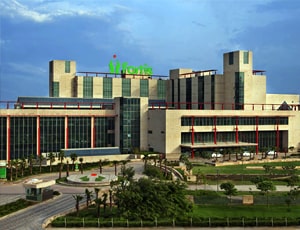
At Dr. Rela Institute and Medical Centre, CABG - Redo is performed using advanced cardiac imaging, surgical planning, and specialized revascularization techniques. Established in 2018, this NABH, NABL accredited hospital in Chennai, India has 450 beds and offers comprehensive cardiovascular and post-operative care.
CABG – Redo may be considered when recurrent coronary artery disease causes significant narrowing and cannot be adequately managed with medication or catheter-based treatment. Before repeat bypass surgery, cardiologists and cardiac surgeons evaluate the patient's previous grafts, coronary anatomy, heart function, and other medical conditions. During the operation, new grafts are connected to bypass diseased coronary segments and restore blood flow to areas of the heart muscle. The surgical plan is tailored to the patient's previous operation and current coronary anatomy.
Choosing Yatharth hospital for CABG - Redo gives patients access to experienced cardiac surgeons, advanced coronary imaging, intensive cardiac monitoring, and comprehensive rehabilitation support. Established in 2008, the JCI, NABH, NABL accredited hospital in Delhi, India has 400 beds and provides specialized coronary revascularization services.
CABG – Redo may be required when previous bypass grafts have failed or when progressive disease affects other coronary vessels. Doctors first determine whether medication, angioplasty, stenting, or repeat surgery is the most appropriate option. If redo CABG is selected, surgeons develop a detailed plan to identify usable graft vessels and safely access the heart despite previous surgical scarring. The number and location of new bypasses depend on the coronary blockages and the condition of existing grafts.

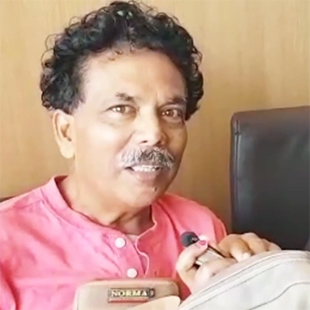
This is the testimonial of Mr. Prithiviraj Bhurtun, a heart patient from Mauritius. He had already undergone a Heart Bypass surgery. The patient Prithviraj Bhurtun…
| Speciality | Cardiac Sciences |
| Procedure | CABG - Redo |
| Success Rate | 70-85% |
| Recovery Time | 4 to 6 weeks |
| Treatment Time | 3 to 6 hours |
| Chances of Recurrence | 5-15% |
Yes, most of the hospitals in India are equipped with modern medical technology to ensure that every procedure and surgery related to CABG-Redo and other heart diseases are carried out effectively and the success rate of surgery is reasonable. India has many internationally accredited cardiac care hospitals with fully facilitated latest equipment and professional teams.
The hospitals for CABG-Redo surgery in India boast the best cardiac surgeons, modern equipment, reusable technology, and successful results. These centres offer in-depth evaluations before and after surgery, correct diagnosis and staging, and modern Intensive Care unit facilities for patient recovery.
Various international standards and bodies recognise them and provide client-oriented services, including rehabilitation and price schedules. Also, they accept overseas patients who need help with transportation, housing, and translation services, amongst others, since the process is smooth.
The success of CABG-Redo surgery in India is mostly very high, with most centres in the country recording high success rates of about 90-95%. These rates are standard with other developing nations due to India’s top-notch medical equipment, highly trained cardiac surgeons, and well-equipped hospitals. Several factors influence success, such as the patient’s physiological status, the type of surgery, and the status of the heart and vessels or the centre.
It also offers a list of listed CABG redo providers in India with verified and accredited healthcare facilities through the MediGence platform providing quality treatment. Also, resources for learning expertise, success rates and other information about cardiologists will be provided. It gives comprehensive information that helps patients to be referred to the right cardiologist, thus mapping them to a highly informed and efficient healthcare experience.
A few of the best hospitals for CABG-Redo in India are as follows:
The cost of CABG-Redo in India typically ranges from (USD 3600 - 4500), depending on the hospital, location, and the complexity of the procedure.
CABG-Redo in India includes complete treatment solutions for overseas visitors. Numerous healthcare organisations nationwide are conversant with medical tourism and have individual services to cater to international clients. These services often include:
CABG-Redo usually is done when previous bypass grafting fails or new stenoses occur like CABG-Redo (Coronary Artery Bypass Grafting Revision), as does any major surgery: of course, it will be accompanied by certain risks. However, the risks also depend on the quality of the healthcare provider's medical facilities, the website surgeon, and the patient's overall health status. Key risks include:
The duration of recovery following this surgery is 90 to 180 days. The first hospitalisation usually lasts 5-10 days, and the subsequent 2-3 weeks constitute complete bed rest and restricted activity. Returning to work may be done for light activities after 4 to 6 weeks, while heavy activities should not be done for 3 months. Recovery takes the form of building upper strength, and cardiac rehabilitation lasts 6-12 weeks. Recovery time depends on each person’s condition, and patients should have follow-up appointments with cardiologists.
To receive a teleconsultation with a cardiologist before planning your trip to India to undergo the CABG-Redo, use the Medigence platform. All it takes is a callback from a specialist, getting a diagnosis, and learning about treatments and the procedures available to you from the comfort of your home. This way, you can make the right choices and may not doubt your choice of treatment.
The management, monitoring, and education after the CABG-Redo surgery in India are critical to avoid complications and encourage stable healing. The care typically involves the following steps:
India is a popular choice for CABG-Redo because of several factors:
First, the patient will be asked to complete an online contact form on our site. Once submitted, MediGence will contact you to help fix your CABG-Redo in India. With us, you will know which hospital to go to, you will see a doctor of your choice, and we will support you step by step. Enrollment is our guideline, with the help of which we help you receive the required documents and coordinate your schedule of treatments so you can have comfort all the time from the day of registration up to the day of discharge from the hospital.
CABG-Redo in India during a hospital visit is likely to be followed by several procedure-related procedures before and after the procedure. These are mainly aimed at providing the operation safety, comfort, and success. Here’s what patients should anticipate:
there are other options to CABG-Redo in India, which are decided based on the patient’s history, the nature and extent of the heart disease or circumstances around previous bypass graft failure. Some alternatives include:
The steps to follow that help achieve the best result possible whilst promoting a smooth recovery during a CABG-Redo in India are as follows. Here’s a guide on how to prepare: