Browse verified doctors or let our care team help you find the doctor best suited to your condition, treatment goals, and budget.

Meliva Kardiolita Hospital, Vilnius provides specialized CABG - Redo with a focus on complex coronary revascularization, careful surgical planning, and patient safety. Established in 1998, the JCI accredited hospital is located in Vilnius, Lithuania and operates 36 beds with modern cardiothoracic surgery infrastructure.
CABG – Redo is a complex repeat operation intended to improve blood flow to the heart in patients who have previously undergone coronary bypass surgery. The need for repeat revascularization can arise from deterioration of older grafts, progression of coronary artery disease, or development of new coronary blockages. Comprehensive evaluation may include coronary angiography, CT imaging in selected cases, echocardiography, and assessment of existing grafts. During surgery, the team may use available arterial or venous vessels to create new bypasses. After the operation, patients require careful monitoring and a structured recovery program to support cardiovascular health.
At Meliva Kardiolita Hospital, Kaunas, CABG - Redo is performed using advanced cardiac imaging, surgical planning, and specialized revascularization techniques. Established in 1998, this JCI accredited hospital in Kaunas, Lithuania has 8 beds and offers comprehensive cardiovascular and post-operative care.
CABG – Redo may be considered when recurrent coronary artery disease causes significant narrowing and cannot be adequately managed with medication or catheter-based treatment. Before repeat bypass surgery, cardiologists and cardiac surgeons evaluate the patient's previous grafts, coronary anatomy, heart function, and other medical conditions. During the operation, new grafts are connected to bypass diseased coronary segments and restore blood flow to areas of the heart muscle. The surgical plan is tailored to the patient's previous operation and current coronary anatomy.

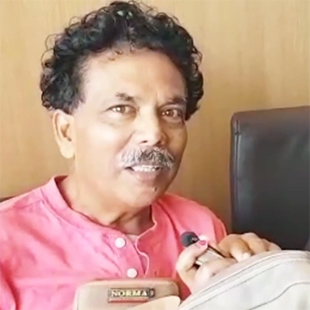
This is the testimonial of Mr. Prithiviraj Bhurtun, a heart patient from Mauritius. He had already undergone a Heart Bypass surgery. The patient Prithviraj Bhurtun…
| Speciality | Cardiac Sciences |
| Procedure | CABG - Redo |
| Success Rate | 70-85% |
| Recovery Time | 4 to 6 weeks |
| Treatment Time | 3 to 6 hours |
| Chances of Recurrence | 5-15% |
CABG - Redo stands for Coronary Artery Bypass Grafting - Redo, which is a surgical procedure performed when a previous CABG surgery requires revision. It is recommended when the initial bypass grafts develop blockages or complications. During the procedure, a skilled cardiac surgeon creates new pathways for blood flow to the heart muscle by bypassing blocked or narrowed coronary arteries. During this procedure, the doctor may use healthy blood vessels from the patient's chest or leg to create new grafts. CABG - Redo allows improved blood flow and oxygen supply to the heart.
CABG - Redo is primarily used to rectify coronary artery disease when the previous bypass grafts have failed or developed certain issues. Conditions such as graft blockages, graft failure, recurrent angina (chest pain), or new blockages in other coronary arteries may require a redo procedure. Patients with severe coronary artery disease or those at high risk of heart attacks are suggested to undergo this procedure.
The recovery process after a CABG - Redo is similar to the initial CABG recovery. In the immediate postoperative period, the patient is closely monitored in the hospital's cardiac intensive care unit. They are gradually mobilized and encouraged to perform breathing exercises and physical therapy. Pain management and wound care are essential during recovery. Full recovery may take several weeks or months. During this period, the patient should undergo cardiac rehabilitation, maintain a healthy diet, and take medications as advised by their healthcare team. Regular follow-up visits with the surgeon are crucial to monitor progress and ensure proper healing.
A number of determining factors can be used to rank hospitals for your suitable procedure. To rank these hospitals in Lithuania for CABG - Redo, take the following aspects into account- Infrastructure, Availability of the Procedure, Popularity for the procedure, Technology Used, Qualified & Experienced Specialists, Cost, Facilities provided, Success Rate
MediGence puts forth a lot of effort to make your medical travel of the finest quality, convenient, and affordable for you. We provide a set of unmatched services to assist you in your medical journey to different countries in the world. Dedicated Case Manager, Video Consultation, Hotel stays or Accommodation, Recovery packages, round-the-clock assistance, and personalized packages with discounts of up to 30% are some of the best caregiving services offered. Furthermore, we have alot more other benefits for you to recieve top-notch medical care.
Yes, you can avail a video consultation with the specialist before travelling to Lithuania. You can place your request to our patient advisors for scheduling your online consultation with the specialist. They will check the doctor's availability for the consultation. Once confirmed, you will be sent a payment link to book your online consultation.
Many people around the world consider CABG - Redo in Lithuania to be trustworthy due to the high success rate and excellent hospital infrastructure. CABG - Redo is the best option when it comes to Lithuania for a variety of reasons including:
The time of recovery after treatment depends on the patient’s overall health as well as the criticality of the treatment. Other than that, rehabilitation post-treatment also plays a crucial role in reducing the healing time and aiding in proper recovery. It is recommended that the patient maintain regular contact with their surgeon for a few months after surgery to speed up recovery.