Your Notifications
All done, no notifications

31 Specialists

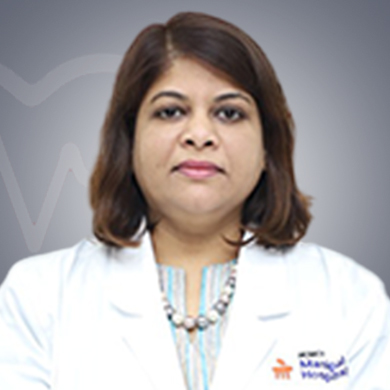
Dr. Sufla Saxena

Bariatric Surgeon

, Delhi, India

22 Years of experience

Speaks: Hindi , English


Dr Sufla Saxena is one of the best Gastroenterologist in New Delhi, India. The clinician holds over 19 years of experience and is associated with Manipal Hospital, Dwarka.

Association and Memberships Dr. Sufla Saxena is part of:

  • Member of British Society of Paediatric
  • Member of European Society of Paediatric
  • Member of Indian Society of Paediatric
  • Member of Royal College of Paediatrics and Child Health(RCPCH)
  • Member of Indian Academy of Paediatrics (IAP)

Certifications :

  • Fellowship in Paediatric Gastroenterology and Hepatology (UK)
  • Fellowship Paediatric Gastroenterolgy ?? Royal Manchester Children's Hospital (UK)
  • Fellowship Paediatric Hepatology -Birmingham Children's Hospital UK

Qualifications :

  • MBBS
  • DNB (Paediatrics)
  • MRCPCH (UK)

Hospital Address :

Manipal Hospital Dwarka, Palam Vihar, Sector 6 Dwarka, Dwarka, New Delhi, Delhi, India

Medical Expertise of Dr. Sufla Saxena

  • Expertise in GERD, Cholecystitis, Pancreatitis, Viral Hepatitis, Cholestasis, Inflammatory bowel disease, Autoimmune Hepatitis, and Liver Transplant etc.
  • MBBS, DNB (Paediatrics), MRCPCH (UK), and Fellowship In Paediatric Gastroenterology And Hepatology (UK).
  • Fellowships are Fellow Paediaric gastroenterology Royal Manchester Children’s Hospital UK, Fellow Paediatric Hepatology Birmingham Children’s Hospital UK.
  • She is a member of BSPGHAN, ESPGHAN, ISPGHAN, RCPCH, and IAP.
  • Founded Indore’s first Celiac illness support group and being the first to open "Yellow Baby Clinic," for newborns with jaundice are some of her achievements.
  • Published case study in Journal of Nutrition, has published pieces for newspapers on Celiac disease, abdominal discomfort in children, unusual case reports, etc.

Online Gastroenterologist Consultations in the India

About Gastroenterologists

Gastroenterology is the branch of medicine that addresses the diagnosis, treatment and prevention of the diseases and disorders of the digestive system or the gastrointestinal (GI) tract and the doctor specialized in Gastroenterology is called a Gastroenterologist.

Gastroenterologists perform endoscopic procedures by using specialized instruments to view and examine the GI tract and make a diagnosis. Although they don’t perform surgery, they work very closely with the GI surgeon.

Your physician will as you to visit a Gastroenterologist if he observes any risk or disorder in your digestive system, some of the most common ones being:

  • Abdominal pain and discomfort
  • Stomach upset, nausea, vomiting
  • Ulcers
  • Bleeding in the digestive tract
  • Inflammation in the digestive tract (e.g., gastritis)
  • Cancer in the stomach [gastric], pancreas, liver, rectum etc.
  • Constipation and diarrhea
  • Difficulty in swallowing
  • Gallbladder disease
  • Liver disease (e.g., hepatitis, jaundice)
  • Malabsorption disorders (e.g., celiac disease, lactose intolerance)
  • Hemorrhoids
  • Hiatal hernias
  • Heartburn and gastroesophageal reflux disease (GERD)
  • Diverticular disease and other diseases related to the colon
  • Unexplained weight loss

Procedures Performed

Gastroenterologists perform a range of nonsurgical procedures that help in the evaluation, diagnosis and treatment of the gastrointestinal tract or digestive system, below are some of the major ones:

  • Endoscopic ultrasounds
  • Colonoscopy to detect colon cancer or colon polyps
  • Endoscopic retrograde cholangiopancreatography
  • Sigmoidoscopy
  • Liver biopsy to assess inflammation and fibrosis
  • Capsule endoscopy
  • Double balloon enteroscopy

Top Gastroenterologists in India

DoctorAssociated Hospital
Dr. Rashmi PyasiFortis Memorial Research Institute, Gurugram
Dr. Ajay KumarBLK-Max Super Speciality Hospital, New Delhi
Dr. Neelam MohanMedanta - The Medicity, Gurugram
Dr. Aashish ShahFortis Hospital, Bengaluru
Dr. Srinivas MGlobal Health City, Chennai
Dr. Prasanna Kumar ReddyApollo Hospital, Chennai
Dr. Ram Chandra SoniAsian Institute of Medical Sciences, Faridabad
Dr. Rohan BadaveManipal Hospitals Goa, Dona Paula, Panjim

About Gastroenterologist India

Which are the countries where we can find Weight Loss Specialist?

Popular Weight Loss Specialist in Top Countries are :

Type of Weight Loss Specialist available in India?

Top Speciality Doctors in India:

Top Rated Hospitals Where We Can Find Weight Loss Specialist in India?

List of Top Rated Hospitals where we can find Weight Loss Specialist in India are as followed:

Can we get the list of Weight Loss Specialist in India in any other language?

Yes, we provide the list of Weight Loss Specialist in India in the following languages:

Frequently Asked Questions
Who are the top Gastroenterologists in India offering online consultation?

Listed below are some of the top gastroenterologists available for online consultation in India:

Which are some of the procedures performed by Gastroenterologists in India?

Most common procedures performed by gastroenterologists in India are:

Which are some of the conditions treated by Gastroenterologist in India?

Most common conditions performed by gastroenterologists in India are:

  • Celiac Disease
  • Abdominal Pain
  • Gastrointestinal Cancer
  • Pancreatic Cancer
  • Crohn's Disease
  • Inflammatory Bowel Diseases
  • Esophageal Varices
  • Jaundice
  • Ulcer
  • Pancreatitis
  • Gastrointestinal Bleeding
  • Bile Duct Cancer
  • Liver Cancer
Who is a Gastroenterologist?

Gastroenterologists are doctors who are highly trained in diagnosing and treating problems in your gastrointestinal tract and liver. They also perform routine procedures such as colonoscopy, to look inside the colon. They have 5-6 years of specialized education and training after medical school.

An individual might consult a gastroenterologist for health concerns with their:

  • Esophagus
  • stomach
  • Rectum
  • Stomach
  • Small intestine
  • Colon
  • Pancreas
  • Liver
  • Gallbladder
  • Bile ducts

Gastroenterologists are generally trained in managing GI conditions. If a primary care physician has found an issue involving the GI tract, they will more likely recommend you visit a gastroenterologist for a more detailed evaluation of the issue. A gastroenterologist also performs endoscopic procedures, in which they use special instruments to see the GI tract and then make a diagnosis. They don’t do surgery, though in certain cases, they may work very closely with a GI surgeon. Gastroenterologists generally work in clinic or hospital settings.

What are the qualifications of a Gastroenterologist?

The steps to become a gastroenterologist include:

  • a five-and-a-half year-year MBBS degree
  • a postgraduate MD degree in gastroenterology
  • a 3-year training program, also called a residency, in internal medicine, which involves working with experienced gastroenterologists

After a student completes their residency, they must complete a 2- or 3-year fellowship to receive more specialized training in the field. This includes extensive training in endoscopy, a nonsurgical procedure doctors use to see the GI tract. Once the aspiring gastroenterologist has completed their training, they must clear a specialty certification exam for gastroenterologists.

What conditions do Gastroenterologists treat?

Gastroenterologists are trained to have knowledge of the normal movement of food through the intestine and stomach, the absorption of food, and the way waste is eliminated from the body. They can treat a wide variety of conditions, including:

  • Gastroesophageal reflux
  • Colitis
  • Gallbladder and biliary tract diseases
  • Colon polyps
  • Gastroesophageal reflux disease
  • Hepatitis
  • Peptic ulcers
  • Nutritional issues
  • Irritable bowel syndrome
  • Pancreatitis
  • Inflammatory Bowel Diseases
  • Esophageal Varices
  • Jaundice
  • Gastrointestinal Bleeding
  • Bile Duct Cancer
  • Celiac Disease
  • Abdominal Pain
  • Gastrointestinal Cancer
  • Pancreatic Cancer
  • Crohn's Disease
  • Liver Cancer
What diagnostic tests are required by a Gastroenterologist?

A Gastroenterologist can order the below-listed diagnostic tests to detect conditions related to the stomach:

  • Endoscopic Retrograde Cholangiopancreatography
  • Pancreas Scan
  • Liver Scan
  • Barium Swallow
  • Barium Enema
  • Upper Gastrointestinal Series
  • Upper GI Endoscopy
  • Abdominal X-ray
  • Abdominal Ultrasound
  • CT Scan of the Abdomen
  • Liver Biopsy
  • Colonoscopy
  • PEG Tube Placement
  • Sigmoidoscopy
  • CT Scan of the Liver and Biliary Tract
  • Virtual Colonoscopy
  • Colectomy
  • Proctectomy
  • CT Scan of the Pancreas
  • Laparoscopy
When should you visit a Gastroenterologist?

Your primary care doctor may refer you to a gastroenterologist if you show the following signs and symptoms:

  • Food coming back up after you swallow
  • Chronic or severe diarrhea
  • Swallowing
  • Heartburn
  • Rectal bleeding
  • Abdominal pain and bloating
  • Presence of gweight loss specialisttones
  • Excessive gas or belching
  • Esophageal pain
  • Vomiting
  • Loss of appetite or weight
  • Lethargy
  • Changes in bowel habits
  • Pale-colored stools
  • Dark urine
  • Bowel movement urges that are hard to control
  • Diarrhea
What can you expect from your first visit with a Gastroenterologist?

A primary care doctor might refer you to a gastroenterologist for further evaluation of your condition. You may see the doctor in an outpatient clinic or hospital. The first appointment will take about 30 minutes to an hour to finish. During the first visit with the gastroenterologist, they may ask you about your family and personal health history, previous treatments, symptoms, and medications.

In order to make the most out of your first visit, make sure you bring all the necessary documents about your health history. Also, prepare questions you wish to ask the gastroenterologist and always remember to take notes.

Which are the most common procedures performed by a Gastroenterologist?
  • Endoscopic ultrasounds
  • Colonoscopy to detect colon cancer
  • Endoscopic retrograde cholangiopancreatography
  • Sigmoidoscopy
  • Liver biopsy
  • Capsule endoscopy
  • Double balloon enteroscopy
  • Polypectomy
  • Esophageal dilation

FAQs related to India