Our Platform Features

Dr. Ilgaz Dogusoy
Acibadem Altunizade Hospital, Turkey, Istanbul
Surgical Oncologist • 40 years experience
Turkish EnglishIlgaz Dogusoy, 1990 - Dr. Siyami Ersek Chest, Cardiovascular Surgery Training and Research Hospital Thoracic Surgery, is a Surgical Oncologist based in Istanbul, Turkey. The doctor has 40 years of professional experience. Ilgaz Dogusoy areas of expertise include Pancreatic Cancer, Primitive Neuroectodermal Tumors, Ovarian Cancer, Lung Cancer, Cervical Cancer.
Work Experiences
- 2000 - Dr. Siyami Ersek Chest, Cardiovascular Surgery Hospital / Chest Surgery Clinic Chief
- 1991 - 1992 - Texas Medical Center, Houston, USA / MD Anderson Cancer Center, Thoracic Surgery Fellowship
- 1991 - Currently Acıbadem Healthcare Group

Dr. Ahmet Demirkaya
Acibadem University Hospital Atakent, Turkey, Istanbul
Surgical Oncologist • 28 years experience
Turkish EnglishAhmet Demirkaya, 2005 - Istanbul University Istanbul Medical Faculty Thoracic Surgery, is a Surgical Oncologist based in Istanbul, Turkey. The doctor has 28 years of professional experience. Ahmet Demirkaya areas of expertise include Oral or Mouth Cancer, Meningiomas, Ovarian Cancer, Primitive Neuroectodermal Tumors, Lung Cancer.
Work Experiences
- Currently working at Acibadem University Hospital Atakent
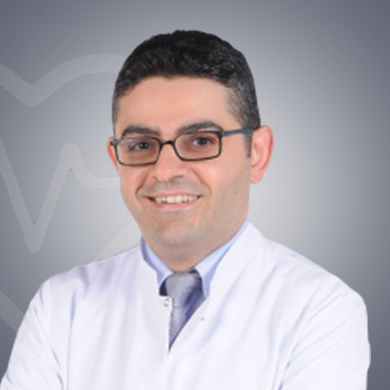
Dr. Gokhan Boyraz
Istinye University Bahcesehir - LIV Hospital, Turkey, Istanbul
Endocrinologist • 14 years experience
Turkish EnglishGokhan Boyraz, 2008: Ankara University Faculty of Medicine; Doctor of Medicine , is a Reproductive Endocrinologist based in Istanbul, Turkey. The doctor has 14 years of professional experience. Gokhan Boyraz areas of expertise include False.
Work Experiences
- 2019: Obstetrician and Gynecology Associate Professor Experience
- 2014-2017: Gynecologic Oncology Surgery Subsidiary Assistant, Hacettepe University Faculty of Medicine, Department of Obstetrics and Gynecology, Ankara, Turkey
- 2014-2017: European Gynecologic Oncology Association Certificate Program in 2017 as a result of 'Avupa Gynecologic Oncological Oncology Surgery Specialist' diploma.
- 2016: Clinically Essen Mitte Gynecological Oncology Department, Essen, Germany
- 2017-2019 Gynecological Oncology Surgery Specialist, Etlik Zübeyde Hanım Gynecology Training and Research Hospital, Ankara, Turkey
Do you know?
Using MediGence’s Telemedicine Platform, you can book a personalized video consultation with renowned doctors around the world

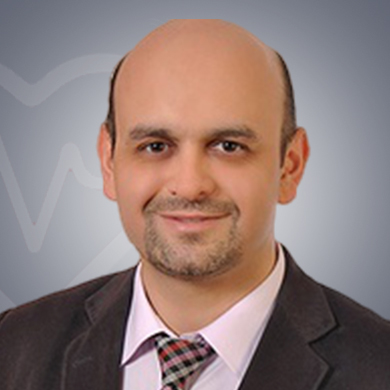
Dr. Ersin Gunay
VM Medical Park Ankara, Turkey, Ankara
Surgical Oncologist • 21 years experience
Turkish EnglishErsin Gunay, 2003 - Hacettepe University , is a Surgical Oncologist based in Ankara, Turkey. The doctor has 21 years of professional experience. Ersin Gunay areas of expertise include Colorectal or Colon Cancer, Mixed Gliomas, Prostate Cancer, Oligodendrogliomas, Primitive Neuroectodermal Tumors.
Work Experiences
- 2003 - 2008 - Ankara Ataturk Chest Diseases and Thoracic Surgery Training and Research Hospital
- 2007 - Sahlgrenska University Hospital (Allergy Clinic, Lung Transplantation Clinic and Bronchology Unit) , Goreborg and Skaraborg Hospital (Sleep Laboratory), Skovde, Sweden (Oberserver)
- 2008 - 2011 - Ankara Ataturk Chest Diseases and Thoracic Surgery Training and Research Hospital
- 2009 - 2010 - Girne Asker Hospital
- 2011 - 2011 - Igdır State Hospital
- 2011 - 2014 - Afyon Kocatepe University Faculty of Medicine, Department of Chest Diseases
- 2014 -2019 - Afyon Kocatepe University Faculty of Medicine Chest Diseases Department
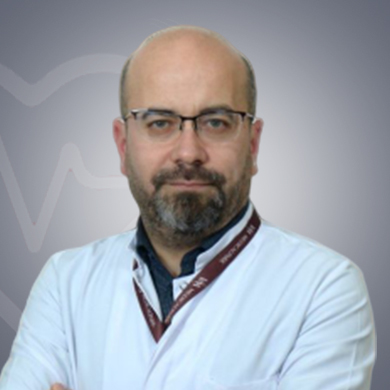
Dr. Huseyin Melek
VM Medical Park Bursa Hospital, Turkey, Bursa
Surgical Oncologist • 25 years experience
Turkish EnglishHuseyin Melek, 1993 - 1999 - Faculty of Medicine Uludag University , is a Surgical Oncologist based in Bursa, Turkey. The doctor has 25 years of professional experience. Huseyin Melek areas of expertise include Oligodendrogliomas, Cervical Cancer, Stomach Cancer, Oral or Mouth Cancer, Meningiomas.
Work Experiences
- 2001 - 2007 Research Assistant Yedikule Chest Hospital. and Thoracic Surgery EAH
- 2007 - 2009Um. Doctor Bingol State Hospital
- 2009 - Exp. Doctor Yedikule Chest Hospital. and Chest Surgery EAH
- 2010 - Medical Doctor Gülhane Military Medical Faculty
- 2010 - 2013 Specialist Uludag University School of Medicine, Department of Chest Surgery
- 2013 - 2014 Assistant Professor Uludag University School of Medicine, Department of Chest Surgery
- 2014 - Associate Professor Doctor Uludag University School of Medicine, Chest Surgery Department
- 2019 - Associate Professor Leuven University, Department of Thoracic Surgery, Lung Transplantation Center

D V Singh, Medical Education - Maulana Azad Medical College, Delhi - 1980, is a Kidney Transplant Surgeon based in Delhi, India. The doctor has 42 years of professional experience. D V Singh areas of expertise include Polycystic Kidneys, Symptomatic Hydronephrosis, Chronic Kidney Disease, End-Stage Renal Disease, Bladder Cancer.
Work Experiences
- Senior Consultant at the Institute of Liver and Biliary Sciences (ILBS), New Delhi
- Senior Consultant, Professor and Head of the Departments of Urology and Renal Transplantation at the premier Army Hospital R and R Delhi, AFMC Pune and Base Hospital Delhi Cantt

Nitesh Jain, MBBS - Manipal Academy Of Higher Education, Manipal, India, 2002, is a Urosurgeon based in Chennai, India. The doctor has 22 years of professional experience. Nitesh Jain areas of expertise include To restore Fertility in Males, Male Sterilization or Contraception, Benign Prostatic Hyperplasia, Bladder Cancer, Prostate Cancer.
Work Experiences
- 2010 - 2014 Consultant Urologist at Apollo Hospital
- 2007 - 2010 Senior Registrar Urology at B J Medical College
- 2002 - 2005 Registrar General Surgery at S P Medical College

Dr. Hasbey Hakan Koyuncu
Medicana International Istanbul, Turkey, Istanbul
Urologist • 14 years experience
Turkish EnglishHasbey Hakan Koyuncu, Medical School - Ankara University School of Medicine, 2001, is a Urosurgeon based in Istanbul, Turkey. The doctor has 14 years of professional experience. Hasbey Hakan Koyuncu areas of expertise include Bladder Cancer, To restore Fertility in Males, Prostate Cancer, Male Sterilization or Contraception, Benign Prostatic Hyperplasia.
Work Experiences
- Urology Specialist-Van State Hospital 2006-2008
- Urology Specialist-Yeditepe University School of Medicine Urology Department 2008-2009
- Yeditepe University School of Medicine Urology Department-2009-2015
- Yeditepe University School of Medicine Urology Department 2015-2018
- Florence Nightingale Hospitals (Ä°stanbul / Sisli / AtaÅehir) 2018
- Private Reyap Istanbul Hospital 2018-2019

Dr. Adem Fazlioglu
Istinye University Medical Park Gaziosmanpasa Hospital, Turkey, Istanbul
Urologist • 35 years experience
Turkish EnglishAdem Fazlioglu, Istanbul University Istanbul Medical Faculty - Medical Education, is a Urosurgeon based in Istanbul, Turkey. The doctor has 35 years of professional experience. Adem Fazlioglu areas of expertise include Benign Prostatic Hyperplasia, To restore Fertility in Males, Prostate Cancer, Male Sterilization or Contraception, Bladder Cancer.
Work Experiences
- Belgrade Medical Faculty / Yugoslavia, Internal Medicine Clinic (Cardiology-Endocrine) August -September 1989 (with International Student Exchange Program)
- University of Missouri / USA - Urology and Nephrology Clinics, Research Fellow July-September 1992
- Nijmegen University / Netherlands-Endourology Course November1995
- Royal Marsden Hospital / London-England Urooncology , Research Fellow September-October 1996
- Cleveland Clinic Foundation / USA-Urology, International Visitor, April-May 2003
- Berlin Charite Universitatmedizin / Germany-Laparoscopic Urology Course 26-27 March 2007, Berlin, Germany

Dr. Bulent Alagol
Acibadem International Hospital, Turkey, Istanbul
Urologist • 43 years experience
Turkish EnglishBulent Alagol, Trakya University Faculty of Medicine, Department of Urology / Professor, 2003, is a Urosurgeon based in Istanbul, Turkey. The doctor has 43 years of professional experience. Bulent Alagol areas of expertise include Benign Prostatic Hyperplasia, To restore Fertility in Males, Male Sterilization or Contraception, Prostate Cancer, Bladder Cancer.
Work Experiences
- 1990 - 1991, Cankırı and Edirne State Hospital
- 1989 - 1990, GATA HaydarpaÅa Training Hospital
- 1981 - 1983, German Hospital / General Practitioner

Dr. Norbert W Dreier
Burjeel Hospital, Abu Dhabi, United Arab Emirates, Abu Dhabi
Radiation oncologist • 27 years experience
German EnglishNorbert W Dreier, Dr. Norbert completed his Doctorate in Medicine (MD) in 1995 from the University of Dusseldorf Medical School, Germany. He is also a Diplomate of the German National Board of Medical Examiners (1995) and a Diplomate of Internal Medicine (2001). Subsequently, he went on to acquire a Diploma from the German National Board of Medical Examiners, specializing in Hematology and Internal Oncology in 2002., is a Medical Oncologist based in Abu Dhabi, United Arab Emirates. The doctor has 27 years of professional experience. Norbert W Dreier areas of expertise include Ovarian Cancer, Oligodendrogliomas, Stomach Cancer, Brain Cancer, Colon Cancer.
Work Experiences
- In 2004, he moved to Abu Dhabi where he was the Head of Department of Oncology at a reputed government military hospital. During his tenure, Dr Norbert focused on developing Chemotherapy treatment for different types of malignant tumors and hematological malignancies .He was also instrumental in setting up the Oncology wing at the hospital.

Dr. Ali Erol
Medical Park Goztepe Hospital, Turkey, Istanbul
Urologist • 36 years experience
Turkish EnglishAli Erol, 1977 - 1983 - Istanbul University Medicine Faculty - Medical Education, is a Urosurgeon based in Istanbul, Turkey. The doctor has 36 years of professional experience. Ali Erol areas of expertise include Prostate Cancer, Male Sterilization or Contraception, To restore Fertility in Males, Bladder Cancer, Benign Prostatic Hyperplasia.
Work Experiences
- 2008 - 2013 - Professor of Urology, Medical Park Hospital, Goztepe
- 2003 - 2008 - Consultant Urologist, Hattat Uro-Andrology Hospital, Istanbul
- 2006 - 2008 - Professor of Urology, Head of Urology Department, Düzce University Faculty of Medicine
- 2001 - 2006 - Professor of Urology, Urology Head of Department, Abant İzzet Baysal University, Düzce Faculty of Medicine
- 1998 - 2001 - Urology Associate Professor, Head of Department of Urology, Abant Ä°zzet Baysal University, Duzce Faculty of Medicine
- 1999 - Scholarship Researcher, Department of Pediatric Urology, University of California, San Francisco School of Medicine
- 1996 - 1997 - Scholarship Researcher, Department of Pediatric Urology, University of California, San Francisco School of Medicine, - Urology Associate Professor, HaydarpaÅa Numune Training and Research Hospital, Urology Clinic, Istanbul
- 1994 - 1995 - Urology Specialist, HaydarpaÅa Numune Training and Research Hospital, Urology Clinic, Istanbul
- 1991 - 1994 - Urology specialist, Chief intern, Turkey High Specialization Hospital, Ankara
- 1989 - 1991 - Urology specialist (Military Position) 600 Air Force Hospital, EskiÅehi
- 1984 - 1985 - General Practitioner, Compulsory Service, Yenimahalle Health Center, Ankara
- 1983 - 1984 - General Practitioner, Compulsory Service, Digor Health Center, Kars"
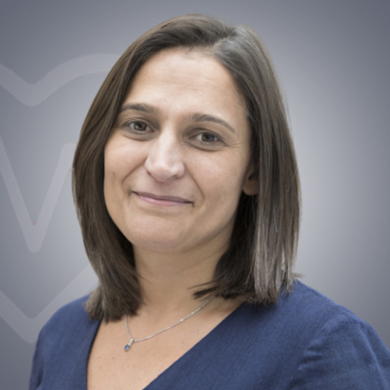
Dr. Susan Lalondrelle
Cancer Centre London, United Kingdom, London
Radiation oncologist • 21 years experience
EnglishSusan Lalondrelle, MD , is a Medical Oncologist based in London, United Kingdom. The doctor has 21 years of professional experience. Susan Lalondrelle areas of expertise include Breast and Prostate Cancer, Rectal Cancer, Oral or Mouth Cancer, Cervical Cancer, Colorectal or Colon Cancer.
Work Experiences
- Royal Marsden NHS Foundation Trust

Dr. Cazip Ustun
Medicana International Samsun Hospital, Turkey, Samsun
Surgical Oncologist • 45 years experience
Turkish EnglishCazip Ustun, 1979 Department and year of Specialization: Ondokuz May University Faculty of Medicine , is a Surgical Oncologist based in Samsun, Turkey. The doctor has 45 years of professional experience. Cazip Ustun areas of expertise include Cervical Cancer, Stomach Cancer, Ovarian Cancer, Oligodendrogliomas, Skin Cancer.
Work Experiences
- 1985-1988 SSK Samsun Hospital
- 1988-1990 OMU Medical Fak. She's Hast. And on the U.S. 1990-2011
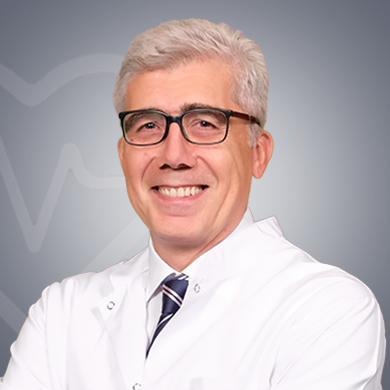
Dr. Mete Gungor
Acibadem Maslak Hospital, Turkey, Istanbul
Surgical Oncologist • 26 years experience
Turkish EnglishMete Gungor, 2006 Ankara University Faculty of Medicine Obstetrics and Gynecology / Professor, is a Surgical Oncologist based in Istanbul, Turkey. The doctor has 26 years of professional experience. Mete Gungor areas of expertise include Oral or Mouth Cancer, Colorectal or Colon Cancer, Brain Cancers- Astrocytoma, Primitive Neuroectodermal Tumors, Mixed Gliomas.
Work Experiences
- 2009 - Currently Acibadem Health Group
- 1999 - 2000 Mayo Clinic, Gynecological Oncology, Rochester, U.S.
- 1997 - 2009 Ankara University Faculty of Medicine / Obstetrics and Gynecology, Specialist Physician
- 1994 - 1997 Dr. Zekai Tahir Burak Obstetrics Training and Research Hospital / Obstetrician and Gynecologist
- 1991 - 1992 Milwaukee Medical College, Wisconsin, U.S.
- 1988 - 1994 Ankara University Faculty of Medicine Obstetrics and Gynecology


