Browse verified doctors or let our care team help you find the doctor best suited to your condition, treatment goals, and budget.

Prince Court Medical Centre offers specialised Ovarian Cancer Treatment using modern surgical and medical oncology technologies and established treatment protocols. Established in 2007, the MSQH accredited hospital is situated in Kuala Lumpur, Malaysia, with 277 beds, serving local and international patients.
Ovarian cancer treatment may involve surgery followed by chemotherapy, although the sequence can vary depending on the stage and clinical circumstances. Targeted medicines may also be considered for eligible patients based on tumour characteristics or genetic findings. Before treatment, the multidisciplinary team conducts comprehensive imaging, pathology, staging, and health assessments to create a personalised treatment plan.
Acibadem International Hospital provides Ovarian Cancer Treatment using contemporary gynaecologic oncology techniques and evidence-based cancer care. Founded in 1989, the JCI accredited hospital is based in Istanbul, Turkey, with 112 beds and services for domestic and international patients.
The treatment approach depends on the cancer stage, tumour type, extent of spread, and molecular characteristics. Surgery may be combined with chemotherapy, while targeted therapies may be considered for selected patients. Before treatment, specialists conduct imaging, tissue diagnosis, staging, and relevant molecular or genetic assessments to determine the most appropriate treatment strategy.
With advanced gynaecologic oncology infrastructure, Mount Elizabeth Novena Hospital offers Ovarian Cancer Treatment for patients requiring specialised cancer care. Established in 2012, the JCI accredited hospital is located in Novena, Singapore, and has 313 beds.
Depending on the patient's diagnosis, treatment may include debulking surgery, chemotherapy, targeted therapy, or a combination of treatments. In selected cases, additional procedures may be performed to remove cancer that has spread within the abdomen. A multidisciplinary team evaluates tumour stage, pathology, imaging findings, and overall health before recommending treatment.
Asan Medical Centre provides Ovarian Cancer Treatment using contemporary gynaecologic oncology techniques and evidence-based cancer care. Founded in 1989, the ISO accredited hospital is based in Seoul, South Korea, with 2700 beds and services for domestic and international patients.
The treatment approach depends on the cancer stage, tumour type, extent of spread, and molecular characteristics. Surgery may be combined with chemotherapy, while targeted therapies may be considered for selected patients. Before treatment, specialists conduct imaging, tissue diagnosis, staging, and relevant molecular or genetic assessments to determine the most appropriate treatment strategy.
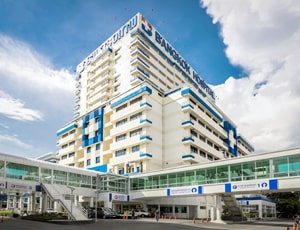
Bangkok Hospital offers specialised Ovarian Cancer Treatment using modern surgical and medical oncology technologies and established treatment protocols. Established in 1972, the JCI accredited hospital is situated in Bangkok, Thailand, with 580 beds, serving local and international patients.
Ovarian cancer treatment may involve surgery followed by chemotherapy, although the sequence can vary depending on the stage and clinical circumstances. Targeted medicines may also be considered for eligible patients based on tumour characteristics or genetic findings. Before treatment, the multidisciplinary team conducts comprehensive imaging, pathology, staging, and health assessments to create a personalised treatment plan.
Mount Elizabeth Hospital offers advanced Ovarian Cancer Treatment using modern oncology techniques and internationally accepted treatment protocols. Established in 1979, the JCI accredited hospital is located in Singapore, Singapore, with 345 beds, providing comprehensive cancer care for local and international patients.
Ovarian cancer treatment is planned based on the type, stage, extent, and biological characteristics of the cancer. Treatment may include surgery, chemotherapy, targeted therapy, or a combination of these approaches. Depending on the case, surgery may involve removal of the ovaries, fallopian tubes, uterus, and affected surrounding tissues. Detailed imaging, biopsy, and staging help guide treatment planning.
Delhi, India
BLK-Max Super Speciality Hospital provides Ovarian Cancer Treatment using contemporary gynaecologic oncology techniques and evidence-based cancer care. Founded in 1959, the JCI, NABH accredited hospital is based in Delhi, India, with 650 beds and services for domestic and international patients.
The treatment approach depends on the cancer stage, tumour type, extent of spread, and molecular characteristics. Surgery may be combined with chemotherapy, while targeted therapies may be considered for selected patients. Before treatment, specialists conduct imaging, tissue diagnosis, staging, and relevant molecular or genetic assessments to determine the most appropriate treatment strategy.
Parkway Pantai offers advanced Ovarian Cancer Treatment using modern oncology techniques and internationally accepted treatment protocols. Established in 1974, the JCI, MSQH accredited hospital is located in Kuala Lumpur, Malaysia, with 499 beds, providing comprehensive cancer care for local and international patients.
Ovarian cancer treatment is planned based on the type, stage, extent, and biological characteristics of the cancer. Treatment may include surgery, chemotherapy, targeted therapy, or a combination of these approaches. Depending on the case, surgery may involve removal of the ovaries, fallopian tubes, uterus, and affected surrounding tissues. Detailed imaging, biopsy, and staging help guide treatment planning.
Vejthani Hospital offers advanced Ovarian Cancer Treatment using modern oncology techniques and internationally accepted treatment protocols. Established in 1994, the JCI accredited hospital is located in Bangkok, Thailand, with 263 beds, providing comprehensive cancer care for local and international patients.
Ovarian cancer treatment is planned based on the type, stage, extent, and biological characteristics of the cancer. Treatment may include surgery, chemotherapy, targeted therapy, or a combination of these approaches. Depending on the case, surgery may involve removal of the ovaries, fallopian tubes, uterus, and affected surrounding tissues. Detailed imaging, biopsy, and staging help guide treatment planning.
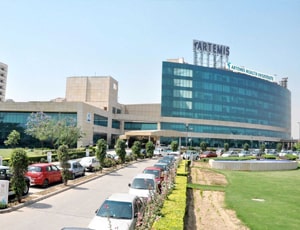
At Artemis Health Institute, patients can access comprehensive Ovarian Cancer Treatment supported by advanced diagnostic, surgical, and oncology facilities. Established in 2007, the JCI, NABH accredited hospital is located in Gurgaon, India, and has 750 beds.
Treatment may involve cytoreductive surgery, chemotherapy, targeted medicines, or other systemic therapies, depending on the disease and the patient's health. Surgery aims to remove as much visible cancer as safely possible when appropriate. The oncology team reviews imaging, pathology, tumour markers, and staging information before developing an individualised treatment plan.
Gleneagles Hospital offers specialised Ovarian Cancer Treatment using modern surgical and medical oncology technologies and established treatment protocols. Established in 1959, the JCI accredited hospital is situated in Singapore, Singapore, with 258 beds, serving local and international patients.
Ovarian cancer treatment may involve surgery followed by chemotherapy, although the sequence can vary depending on the stage and clinical circumstances. Targeted medicines may also be considered for eligible patients based on tumour characteristics or genetic findings. Before treatment, the multidisciplinary team conducts comprehensive imaging, pathology, staging, and health assessments to create a personalised treatment plan.
At International St. Mary's Hospital, patients can access comprehensive Ovarian Cancer Treatment supported by advanced diagnostic, surgical, and oncology facilities. Established in 2014, the JCI accredited hospital is located in Seoul, South Korea, and has 808 beds.
Treatment may involve cytoreductive surgery, chemotherapy, targeted medicines, or other systemic therapies, depending on the disease and the patient's health. Surgery aims to remove as much visible cancer as safely possible when appropriate. The oncology team reviews imaging, pathology, tumour markers, and staging information before developing an individualised treatment plan.
Sunway Medical Centre provides Ovarian Cancer Treatment using contemporary gynaecologic oncology techniques and evidence-based cancer care. Founded in 1999, the ACHS accredited hospital is based in Kuala Lumpur, Malaysia, with 724 beds and services for domestic and international patients.
The treatment approach depends on the cancer stage, tumour type, extent of spread, and molecular characteristics. Surgery may be combined with chemotherapy, while targeted therapies may be considered for selected patients. Before treatment, specialists conduct imaging, tissue diagnosis, staging, and relevant molecular or genetic assessments to determine the most appropriate treatment strategy.
Bangpakok 9 International Hospital offers specialised Ovarian Cancer Treatment using modern surgical and medical oncology technologies and established treatment protocols. Established in 2003, the JCI, GHA accredited hospital is situated in Bangkok, Thailand, with 300 beds, serving local and international patients.
Ovarian cancer treatment may involve surgery followed by chemotherapy, although the sequence can vary depending on the stage and clinical circumstances. Targeted medicines may also be considered for eligible patients based on tumour characteristics or genetic findings. Before treatment, the multidisciplinary team conducts comprehensive imaging, pathology, staging, and health assessments to create a personalised treatment plan.
Dubai, United Arab Emirates
Aster DM Healthcare provides Ovarian Cancer Treatment using contemporary gynaecologic oncology techniques and evidence-based cancer care. Founded in 1987, the JCI, NABH, NABL accredited hospital is based in Dubai, United Arab Emirates, with 114 beds and services for domestic and international patients.
The treatment approach depends on the cancer stage, tumour type, extent of spread, and molecular characteristics. Surgery may be combined with chemotherapy, while targeted therapies may be considered for selected patients. Before treatment, specialists conduct imaging, tissue diagnosis, staging, and relevant molecular or genetic assessments to determine the most appropriate treatment strategy.
| Speciality | Oncology |
| Procedure | Ovarian Cancer Treatment |
| Success Rate | Varies as per stage, grade and type of cancer |
| Recovery Time | Few weeks to several months |
| Treatment Time | Varies based on treatment approach (typically 6 cycles of chemotherapy over several months) |
| Chances of Recurrence | Varies as per stage, grade, type and location of cancer |
Ovarian cancer treatment is usually a combination of chemotherapy and surgery. The specific treatment plan depends on factors such as the stage of cancer, the patient's overall health, and individual preferences. Treatment options may include surgery, chemotherapy, radiation therapy, targeted therapy, and hormone therapy. The goal is to eliminate or control the cancer, alleviate symptoms, and improve the patient's quality of life.
Ovarian cancer treatment is primarily for the management of different stages of ovarian cancer, including early-stage (localized) and advanced-stage (spread to other parts of the body) diseases. The treatment may also be recommended to reduce the risk of cancer recurrence after initial treatment or to alleviate cancer-related symptoms in cases where a cure is not possible.
The recovery process after ovarian cancer treatment can vary depending on the specific treatment modalities used and the individual's response to treatment. Surgery often requires a period of healing and recovery, with the length depending on the extent of the procedure. Chemotherapy may involve several cycles administered over several months, with potential side effects and recovery periods between cycles. Radiation therapy, targeted therapy, and hormone therapy may also have associated recovery periods and ongoing monitoring. After treatment, follow-up appointments will be scheduled to monitor for recurrence and address any potential long-term effects or concerns.
.jpg)
One of the most complicated and challenging cancers to treat is ovarian cancer. International options such as Singapore are increasingly appealing to many patients in the United States