Browse verified doctors or let our care team help you find the doctor best suited to your condition, treatment goals, and budget.
At Vinmec Central Park International Hospital, Brain Tumour Treatment is provided using advanced brain imaging, microsurgical techniques, and individualized treatment strategies. Established in 2015, this JCI accredited hospital in Ho Chi Minh, Vietnam has 178 beds and offers specialized neurosurgery and neuro-oncology services.
Brain Tumour Treatment may involve observation, surgery, radiation therapy, chemotherapy, targeted therapy, or a combination of these approaches. When surgery is required, the neurosurgical team aims to obtain a diagnosis and remove the tumour while preserving important brain functions. Depending on the tumour's type and molecular features, additional treatment may be recommended after surgery. Patients may also receive supportive care to manage symptoms such as seizures, headaches, swelling, or neurological deficits.
IRCCS Ospedale San Raffaele offers advanced Brain Tumour Treatment using modern neurosurgical, radiation, and medical oncology techniques. Established in 1971, the SSN accredited hospital is located in milan, Italy and has 1350 beds, providing comprehensive neuro-oncology care for local and international patients.
Brain Tumour Treatment depends on factors such as the tumour type, size, location, grade, growth pattern, and the patient's overall health. Some slow-growing or asymptomatic tumours may be monitored with regular imaging, while others require active treatment. Surgery may be performed to remove as much of the tumour as safely possible, followed by radiation therapy or medicines when indicated. Treatment planning may also include molecular and pathological testing to identify the specific characteristics of the tumour.
Memorial Atasehir Hospital offers advanced Brain Tumour Treatment using modern neurosurgical, radiation, and medical oncology techniques. Established in 2010, the JCI accredited hospital is located in Istanbul, Turkey and has 144 beds, providing comprehensive neuro-oncology care for local and international patients.
Brain Tumour Treatment depends on factors such as the tumour type, size, location, grade, growth pattern, and the patient's overall health. Some slow-growing or asymptomatic tumours may be monitored with regular imaging, while others require active treatment. Surgery may be performed to remove as much of the tumour as safely possible, followed by radiation therapy or medicines when indicated. Treatment planning may also include molecular and pathological testing to identify the specific characteristics of the tumour.
Medicana Konya Hospital provides specialized Brain Tumour Treatment with a focus on accurate tumour assessment, preservation of neurological function, and personalized treatment planning. Established in 2012, the JCI accredited hospital is located in Konya, Turkey and operates 223 beds with modern neurosurgical and neuro-oncology infrastructure.
Brain Tumour Treatment begins with detailed evaluation to identify the tumour's location, size, biological characteristics, and potential effect on surrounding brain tissue. Some tumours can be managed through active surveillance, whereas growing or symptomatic lesions may require surgery, radiation, or medication. Surgical procedures may include tumour resection or biopsy, while selected patients may benefit from focused radiation techniques. For malignant tumours, treatment can be guided by histopathology and molecular testing. Ongoing neurological assessment and follow-up imaging help specialists monitor disease control and manage long-term effects.
Choosing Shanti Mukand Hospital for Brain Tumour Treatment gives patients access to experienced neurosurgical teams, advanced neuro-navigation systems, radiation facilities, and comprehensive rehabilitation services. Established in 1995, the NABH, NABL accredited hospital in Delhi, India has 200 beds and provides specialized neuro-oncology care.
Brain Tumour Treatment may be recommended when a tumour causes neurological symptoms, increases in size, or has features that require intervention. The treatment approach is based on imaging findings, biopsy or surgical pathology where appropriate, tumour grade, and its relationship to critical brain structures. Depending on the case, treatment can include craniotomy, minimally invasive tumour surgery, radiation therapy, or drug-based treatment. Rehabilitation may be incorporated when the tumour or its treatment affects speech, movement, cognition, or other neurological functions.
NMC Specialty Hospital - Al Ain offers advanced Brain Tumour Treatment using modern neurosurgical, radiation, and medical oncology techniques. Established in 2007, the JCI accredited hospital is located in Abu Dhabi, United Arab Emirates and has 100 beds, providing comprehensive neuro-oncology care for local and international patients.
Brain Tumour Treatment depends on factors such as the tumour type, size, location, grade, growth pattern, and the patient's overall health. Some slow-growing or asymptomatic tumours may be monitored with regular imaging, while others require active treatment. Surgery may be performed to remove as much of the tumour as safely possible, followed by radiation therapy or medicines when indicated. Treatment planning may also include molecular and pathological testing to identify the specific characteristics of the tumour.
Dubai, United Arab Emirates
Choosing NMC Royal Hospital, DIP for Brain Tumour Treatment gives patients access to experienced neurosurgical teams, advanced neuro-navigation systems, radiation facilities, and comprehensive rehabilitation services. Established in 2020, the JCI accredited hospital in Dubai, United Arab Emirates has 73 beds and provides specialized neuro-oncology care.
Brain Tumour Treatment may be recommended when a tumour causes neurological symptoms, increases in size, or has features that require intervention. The treatment approach is based on imaging findings, biopsy or surgical pathology where appropriate, tumour grade, and its relationship to critical brain structures. Depending on the case, treatment can include craniotomy, minimally invasive tumour surgery, radiation therapy, or drug-based treatment. Rehabilitation may be incorporated when the tumour or its treatment affects speech, movement, cognition, or other neurological functions.
VPS Lakeshore Hospital offers advanced Brain Tumour Treatment using modern neurosurgical, radiation, and medical oncology techniques. Established in 2003, the NABH, ISO accredited hospital is located in Kochi, India and has 350 beds, providing comprehensive neuro-oncology care for local and international patients.
Brain Tumour Treatment depends on factors such as the tumour type, size, location, grade, growth pattern, and the patient's overall health. Some slow-growing or asymptomatic tumours may be monitored with regular imaging, while others require active treatment. Surgery may be performed to remove as much of the tumour as safely possible, followed by radiation therapy or medicines when indicated. Treatment planning may also include molecular and pathological testing to identify the specific characteristics of the tumour.
Medeor 24X7 Hospital provides specialized Brain Tumour Treatment with a focus on accurate tumour assessment, preservation of neurological function, and personalized treatment planning. Established in 2007, the JCI accredited hospital is located in Dubai, United Arab Emirates and operates 100 beds with modern neurosurgical and neuro-oncology infrastructure.
Brain Tumour Treatment begins with detailed evaluation to identify the tumour's location, size, biological characteristics, and potential effect on surrounding brain tissue. Some tumours can be managed through active surveillance, whereas growing or symptomatic lesions may require surgery, radiation, or medication. Surgical procedures may include tumour resection or biopsy, while selected patients may benefit from focused radiation techniques. For malignant tumours, treatment can be guided by histopathology and molecular testing. Ongoing neurological assessment and follow-up imaging help specialists monitor disease control and manage long-term effects.
Abu Dhabi, United Arab Emirates
Medeor 24X7 International Hospital, Al Ain provides specialized Brain Tumour Treatment with a focus on accurate tumour assessment, preservation of neurological function, and personalized treatment planning. Established in 2007, the JCI accredited hospital is located in Abu Dhabi, United Arab Emirates and operates 250 beds with modern neurosurgical and neuro-oncology infrastructure.
Brain Tumour Treatment begins with detailed evaluation to identify the tumour's location, size, biological characteristics, and potential effect on surrounding brain tissue. Some tumours can be managed through active surveillance, whereas growing or symptomatic lesions may require surgery, radiation, or medication. Surgical procedures may include tumour resection or biopsy, while selected patients may benefit from focused radiation techniques. For malignant tumours, treatment can be guided by histopathology and molecular testing. Ongoing neurological assessment and follow-up imaging help specialists monitor disease control and manage long-term effects.
Apollo Multispecialty Hospitals is a trusted healthcare provider for Brain Tumour Treatment, offering multidisciplinary brain tumour management supported by experienced neurosurgeons, neurologists, radiation oncologists, and medical specialists. Established in 2003, the JCI, ISO accredited hospital is situated in Kolkata, India and has 700 beds.
Brain Tumour Treatment is tailored to whether the tumour is benign or malignant and whether it is located in an area that can be safely accessed. Surgical removal or biopsy may be performed to establish the diagnosis and reduce tumour burden. Radiation techniques such as stereotactic radiosurgery or fractionated radiotherapy may be used for selected tumours. Certain malignant brain tumours may also require systemic medicines. Regular MRI or other imaging is used to evaluate treatment response and monitor for recurrence or progression.
Apollo Hospital is a trusted healthcare provider for Brain Tumour Treatment, offering multidisciplinary brain tumour management supported by experienced neurosurgeons, neurologists, radiation oncologists, and medical specialists. Established in 1983, the JCI accredited hospital is situated in Chennai, India and has 550 beds.
Brain Tumour Treatment is tailored to whether the tumour is benign or malignant and whether it is located in an area that can be safely accessed. Surgical removal or biopsy may be performed to establish the diagnosis and reduce tumour burden. Radiation techniques such as stereotactic radiosurgery or fractionated radiotherapy may be used for selected tumours. Certain malignant brain tumours may also require systemic medicines. Regular MRI or other imaging is used to evaluate treatment response and monitor for recurrence or progression.
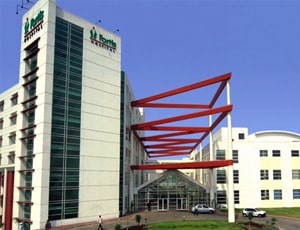
At Fortis Hospital, Brain Tumour Treatment is provided using advanced brain imaging, microsurgical techniques, and individualized treatment strategies. Established in 2004, this NABH, NABL accredited hospital in Noida, India has 400 beds and offers specialized neurosurgery and neuro-oncology services.
Brain Tumour Treatment may involve observation, surgery, radiation therapy, chemotherapy, targeted therapy, or a combination of these approaches. When surgery is required, the neurosurgical team aims to obtain a diagnosis and remove the tumour while preserving important brain functions. Depending on the tumour's type and molecular features, additional treatment may be recommended after surgery. Patients may also receive supportive care to manage symptoms such as seizures, headaches, swelling, or neurological deficits.
Choosing Manipal Hospital, Yeshwantpur for Brain Tumour Treatment gives patients access to experienced neurosurgical teams, advanced neuro-navigation systems, radiation facilities, and comprehensive rehabilitation services. Established in 2022, the JCI, NABH, NABL accredited hospital in Bangalore, India has 250 beds and provides specialized neuro-oncology care.
Brain Tumour Treatment may be recommended when a tumour causes neurological symptoms, increases in size, or has features that require intervention. The treatment approach is based on imaging findings, biopsy or surgical pathology where appropriate, tumour grade, and its relationship to critical brain structures. Depending on the case, treatment can include craniotomy, minimally invasive tumour surgery, radiation therapy, or drug-based treatment. Rehabilitation may be incorporated when the tumour or its treatment affects speech, movement, cognition, or other neurological functions.
BGS Gleneagles Global Hospitals offers advanced Brain Tumour Treatment using modern neurosurgical, radiation, and medical oncology techniques. Established in 2007, the NABH, NABL accredited hospital is located in Bangalore, India and has 500 beds, providing comprehensive neuro-oncology care for local and international patients.
Brain Tumour Treatment depends on factors such as the tumour type, size, location, grade, growth pattern, and the patient's overall health. Some slow-growing or asymptomatic tumours may be monitored with regular imaging, while others require active treatment. Surgery may be performed to remove as much of the tumour as safely possible, followed by radiation therapy or medicines when indicated. Treatment planning may also include molecular and pathological testing to identify the specific characteristics of the tumour.
| Speciality | Neurology |
| Procedure | Brain Tumour Treatment |
| Success Rate | Varies by condition |
| Recovery Time | Varies by condition |
| Treatment Time | Varies by condition |
| Chances of Recurrence | Varies by condition |
Brain tumor treatment is a combination of various medical interventions aimed at treating abnormal growths or tumors in the brain. The treatment approach depends on the type, size, location, and grade of the tumor, as well as the overall health of the patient. Treatment options may include surgery, radiation therapy, chemotherapy, targeted therapy, immunotherapy, and supportive care. Surgery, the most common treatment method, involves the removal of the tumor mass to relieve pressure on the brain.
Brain tumor treatment is primarily used to treat various types of brain tumors, including both benign (non-cancerous) and malignant (cancerous) tumors. These can include gliomas, meningiomas, pituitary tumors, medulloblastomas, astrocytomas, and many others. The treatment approach depends on the specific type and characteristics of the tumor.
The recovery process after brain tumor treatment varies depending on several factors, including the type and extent of treatment received, the location and size of the tumor, and the individual's overall health. Recovery may involve a combination of physical rehabilitation, occupational therapy, speech therapy, and psychological support to address any physical and cognitive changes resulting from the tumor and its treatment. Follow-up care includes regular imaging tests and check-ups.

When Mac Antonio began experiencing dizziness and a loss of balance, he knew something was not right. At 47, the Madagascar-based patient wanted to understand the cause of these troubling symptoms and find the right medical care.