Explore trusted hospitals and care options, or get personalised support to find a suitable option based on your treatment needs, preferences, and budget.

Vinmec Hai Phong offers dedicated Polycystic Ovarian Syndrome (PCOS) Treatment with experienced gynecologists, endocrinologists, and advanced diagnostic support. Established in 2018, the JCI accredited hospital is situated in Ha noi, Vietnam and has 200 beds supporting comprehensive women's health and reproductive care.
Polycystic Ovarian Syndrome (PCOS) Treatment varies according to whether the primary concern is menstrual irregularity, unwanted hair growth, acne, metabolic health, or difficulty becoming pregnant. A specialist may evaluate menstrual history, clinical signs of androgen excess, blood tests, and other possible causes of irregular cycles. Treatment can include lifestyle interventions, medicines for cycle regulation, and fertility-focused therapies when pregnancy is desired.
Vinmec Ha Long Hospital provides specialized Polycystic Ovarian Syndrome (PCOS) Treatment with an emphasis on individualized hormonal care, fertility planning, and management of associated metabolic concerns. Established in 2018, the JCI accredited hospital is based in Ha noi, Vietnam and has 500 beds supported by modern gynecology and reproductive health facilities.
Polycystic Ovarian Syndrome (PCOS) Treatment is selected according to the patient's age, symptoms, menstrual pattern, metabolic profile, and plans for pregnancy. Doctors may recommend regular physical activity and nutritional changes, along with medicines to manage irregular periods, androgen-related symptoms, or insulin resistance. For patients trying to conceive, ovulation-inducing medicines may be considered after appropriate fertility evaluation. Ongoing consultations help adjust treatment as symptoms and reproductive goals change.
Ho Chi Minh, Vietnam
Vinmec Central Park International Hospital provides specialized Polycystic Ovarian Syndrome (PCOS) Treatment with a focus on personalized hormonal management, symptom control, and long-term reproductive health. Established in 2015, the JCI accredited hospital is located in Ho Chi Minh, Vietnam and operates 178 beds with modern gynecology, endocrinology, and diagnostic facilities.
Polycystic Ovarian Syndrome (PCOS) Treatment is tailored according to symptoms, reproductive goals, metabolic health, and individual hormonal needs. Management may include lifestyle modifications, weight management when appropriate, medicines to regulate menstrual cycles, treatment for acne or excess hair, or medications to support ovulation in women seeking pregnancy. Doctors may assess hormone levels, blood glucose, lipid profile, and ovarian features to develop an appropriate treatment plan.
Choosing IRCCS Ospedale San Raffaele for Polycystic Ovarian Syndrome (PCOS) Treatment gives patients access to specialist-led PCOS management, modern diagnostic facilities, and coordinated long-term care. Established in 1971, the SSN accredited hospital is located in milan, Italy and operates 1350 beds with advanced gynecology and reproductive medicine infrastructure.
Polycystic Ovarian Syndrome (PCOS) Treatment aims to control symptoms and reduce health risks associated with the condition rather than provide a single universal cure. Depending on individual requirements, treatment may involve lifestyle adjustments, hormonal therapy to regulate periods, medicines for insulin resistance, or fertility medicines to stimulate ovulation. Patients may also be monitored for blood pressure, blood sugar, cholesterol, and other metabolic factors.
At Wockhardt Hospital, Umrao, Polycystic Ovarian Syndrome (PCOS) Treatment is provided through individualized gynecological and endocrine care based on the patient's symptoms and treatment objectives. Established in 2014, the NABH accredited hospital in Mumbai, India has 350 beds and offers comprehensive women's healthcare services.
Polycystic Ovarian Syndrome (PCOS) Treatment focuses on managing irregular periods, androgen-related symptoms, metabolic concerns, and fertility difficulties associated with the condition. Depending on the patient's needs, doctors may recommend lifestyle changes, hormonal contraceptives, medicines that improve insulin sensitivity, or ovulation-inducing treatment. Regular follow-up helps monitor menstrual health, metabolic parameters, and response to therapy.
At Apollo Hospital, Polycystic Ovarian Syndrome (PCOS) Treatment is provided through individualized gynecological and endocrine care based on the patient's symptoms and treatment objectives. Established in 1983, the JCI accredited hospital in Chennai, India has 550 beds and offers comprehensive women's healthcare services.
Polycystic Ovarian Syndrome (PCOS) Treatment focuses on managing irregular periods, androgen-related symptoms, metabolic concerns, and fertility difficulties associated with the condition. Depending on the patient's needs, doctors may recommend lifestyle changes, hormonal contraceptives, medicines that improve insulin sensitivity, or ovulation-inducing treatment. Regular follow-up helps monitor menstrual health, metabolic parameters, and response to therapy.
Apollo Multispecialty Hospitals offers dedicated Polycystic Ovarian Syndrome (PCOS) Treatment with experienced gynecologists, endocrinologists, and advanced diagnostic support. Established in 2003, the JCI, ISO accredited hospital is situated in Kolkata, India and has 700 beds supporting comprehensive women's health and reproductive care.
Polycystic Ovarian Syndrome (PCOS) Treatment varies according to whether the primary concern is menstrual irregularity, unwanted hair growth, acne, metabolic health, or difficulty becoming pregnant. A specialist may evaluate menstrual history, clinical signs of androgen excess, blood tests, and other possible causes of irregular cycles. Treatment can include lifestyle interventions, medicines for cycle regulation, and fertility-focused therapies when pregnancy is desired.
BGS Gleneagles Global Hospitals offers dedicated Polycystic Ovarian Syndrome (PCOS) Treatment with experienced gynecologists, endocrinologists, and advanced diagnostic support. Established in 2007, the NABH, NABL accredited hospital is situated in Bangalore, India and has 500 beds supporting comprehensive women's health and reproductive care.
Polycystic Ovarian Syndrome (PCOS) Treatment varies according to whether the primary concern is menstrual irregularity, unwanted hair growth, acne, metabolic health, or difficulty becoming pregnant. A specialist may evaluate menstrual history, clinical signs of androgen excess, blood tests, and other possible causes of irregular cycles. Treatment can include lifestyle interventions, medicines for cycle regulation, and fertility-focused therapies when pregnancy is desired.
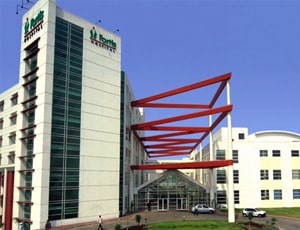
At Fortis Hospital, Polycystic Ovarian Syndrome (PCOS) Treatment is provided through individualized gynecological and endocrine care based on the patient's symptoms and treatment objectives. Established in 2004, the NABH, NABL accredited hospital in Noida, India has 400 beds and offers comprehensive women's healthcare services.
Polycystic Ovarian Syndrome (PCOS) Treatment focuses on managing irregular periods, androgen-related symptoms, metabolic concerns, and fertility difficulties associated with the condition. Depending on the patient's needs, doctors may recommend lifestyle changes, hormonal contraceptives, medicines that improve insulin sensitivity, or ovulation-inducing treatment. Regular follow-up helps monitor menstrual health, metabolic parameters, and response to therapy.
Fortis La Femme, Greater Kailash II provides specialized Polycystic Ovarian Syndrome (PCOS) Treatment with an emphasis on individualized hormonal care, fertility planning, and management of associated metabolic concerns. Established in 2004, the NABH accredited hospital is based in Delhi, India and has 38 beds supported by modern gynecology and reproductive health facilities.
Polycystic Ovarian Syndrome (PCOS) Treatment is selected according to the patient's age, symptoms, menstrual pattern, metabolic profile, and plans for pregnancy. Doctors may recommend regular physical activity and nutritional changes, along with medicines to manage irregular periods, androgen-related symptoms, or insulin resistance. For patients trying to conceive, ovulation-inducing medicines may be considered after appropriate fertility evaluation. Ongoing consultations help adjust treatment as symptoms and reproductive goals change.
Choosing Memorial Atasehir Hospital for Polycystic Ovarian Syndrome (PCOS) Treatment gives patients access to specialist-led PCOS management, modern diagnostic facilities, and coordinated long-term care. Established in 2010, the JCI accredited hospital is located in Istanbul, Turkey and operates 144 beds with advanced gynecology and reproductive medicine infrastructure.
Polycystic Ovarian Syndrome (PCOS) Treatment aims to control symptoms and reduce health risks associated with the condition rather than provide a single universal cure. Depending on individual requirements, treatment may involve lifestyle adjustments, hormonal therapy to regulate periods, medicines for insulin resistance, or fertility medicines to stimulate ovulation. Patients may also be monitored for blood pressure, blood sugar, cholesterol, and other metabolic factors.
At Medicana Bahcelievler Hospital, Polycystic Ovarian Syndrome (PCOS) Treatment is provided through individualized gynecological and endocrine care based on the patient's symptoms and treatment objectives. Established in 2004, the JCI accredited hospital in Istanbul, Turkey has 89 beds and offers comprehensive women's healthcare services.
Polycystic Ovarian Syndrome (PCOS) Treatment focuses on managing irregular periods, androgen-related symptoms, metabolic concerns, and fertility difficulties associated with the condition. Depending on the patient's needs, doctors may recommend lifestyle changes, hormonal contraceptives, medicines that improve insulin sensitivity, or ovulation-inducing treatment. Regular follow-up helps monitor menstrual health, metabolic parameters, and response to therapy.
Shanti Mukand Hospital provides specialized Polycystic Ovarian Syndrome (PCOS) Treatment with a focus on personalized hormonal management, symptom control, and long-term reproductive health. Established in 1995, the NABH, NABL accredited hospital is located in Delhi, India and operates 200 beds with modern gynecology, endocrinology, and diagnostic facilities.
Polycystic Ovarian Syndrome (PCOS) Treatment is tailored according to symptoms, reproductive goals, metabolic health, and individual hormonal needs. Management may include lifestyle modifications, weight management when appropriate, medicines to regulate menstrual cycles, treatment for acne or excess hair, or medications to support ovulation in women seeking pregnancy. Doctors may assess hormone levels, blood glucose, lipid profile, and ovarian features to develop an appropriate treatment plan.
Choosing VPS Lakeshore Hospital for Polycystic Ovarian Syndrome (PCOS) Treatment gives patients access to specialist-led PCOS management, modern diagnostic facilities, and coordinated long-term care. Established in 2003, the NABH, ISO accredited hospital is located in Kochi, India and operates 350 beds with advanced gynecology and reproductive medicine infrastructure.
Polycystic Ovarian Syndrome (PCOS) Treatment aims to control symptoms and reduce health risks associated with the condition rather than provide a single universal cure. Depending on individual requirements, treatment may involve lifestyle adjustments, hormonal therapy to regulate periods, medicines for insulin resistance, or fertility medicines to stimulate ovulation. Patients may also be monitored for blood pressure, blood sugar, cholesterol, and other metabolic factors.
At Acibadem Maslak Hospital, Polycystic Ovarian Syndrome (PCOS) Treatment is provided through individualized gynecological and endocrine care based on the patient's symptoms and treatment objectives. Established in 2009, the JCI accredited hospital in Istanbul, Turkey has 364 beds and offers comprehensive women's healthcare services.
Polycystic Ovarian Syndrome (PCOS) Treatment focuses on managing irregular periods, androgen-related symptoms, metabolic concerns, and fertility difficulties associated with the condition. Depending on the patient's needs, doctors may recommend lifestyle changes, hormonal contraceptives, medicines that improve insulin sensitivity, or ovulation-inducing treatment. Regular follow-up helps monitor menstrual health, metabolic parameters, and response to therapy.
| Speciality | Gynecology |
| Procedure | Polycystic Ovarian Syndrome (PCOS) Treatment |
| Success Rate | NA |
| Recovery Time | NA |
| Treatment Time | NA |
| Chances of Recurrence | NA |
Polycystic Ovarian Syndrome (PCOS) treatment entails a multifaceted approach to managing symptoms and hormonal imbalances. It includes lifestyle changes such as dietary changes and exercise that aid in weight management and insulin regulation. Medications such as hormonal birth control and insulin-sensitizing drugs are used to treat hormone imbalances and insulin resistance. In certain cases, surgery may be considered. The goal is to reduce symptoms, regulate menstrual cycles, and boost fertility.
Polycystic Ovarian Syndrome (PCOS) treatment primarily targets the symptoms associated with the condition. These include irregular menstrual cycles, excessive hair growth, acne, and fertility issues. Additionally, it addresses the underlying hormonal imbalances and insulin resistance that are often linked with PCOS. By managing these aspects, PCOS treatment can significantly improve a patient's quality of life.
The recovery process following Polycystic Ovarian Syndrome (PCOS) treatment differs depending on the approach used. Lifestyle changes and medication adjustments are required consistently over time to achieve the desired outcomes. Recovery from surgical procedures may take a few weeks. Because PCOS is a chronic condition, the recovery process is ongoing, requiring regular check-ins, symptom tracking, and potential changes to treatment plans to maintain symptom control and overall well-being.