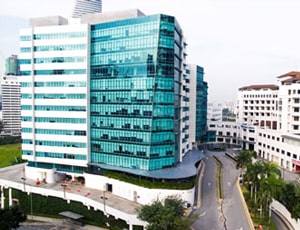
Kuala Lumpur, Malaysia
Number of Beds: 277
Year of Establishment: 2007
Medical Tourism Hospital of the Year 2024
Clinical Service Initiative of the Year 2024
Best in Community Involvement of the Year 2023
Brand of the Year in Healthcare of the Year 2023
Orthopaedic Service Provider of the Year 2023
Clinical Service Initiative of the Year 2023
Medical Tourism Hospital of the Year of the Year 2023
Top Children’s Hospital of the Year 2022
MRO Service Star of the Year 2022


Awarded by: Confederation of Indian Industry (CII)
Awarded by: Quality Council of India, in association with the Ministry of Health & Family Welfare
Awarded by: Federation of Indian Chambers of Commerce & Industry (FICCI)
Awarded by: Indian Excellence Awards
Awarded by: World Health Organization (WHO)


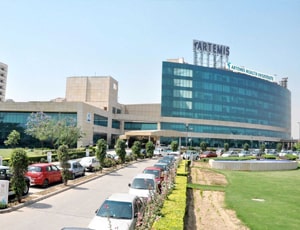
Kuala Lumpur, Malaysia
Number of Beds: 724
Year of Establishment: 1999
Frost & Sullivan: 2024 Malaysian Hospital Market Leadership Award
College of American Pathologists (CAP) Accreditation
Healthcare Asia Awards 2024: Hospital of the Year (Malaysia)
Healthcare Asia Awards 2024: Health Promotion Initiative of the Year
Reader’s Digest Trusted Brand 2024
Newsweek World’s Best Hospitals 2024
World Stroke Organisation (WSO) Angels Awards 2023 - Gold Award (Q4)
World Stroke Organisation (WSO) Angels Awards 2023 - Gold Award (Q3)


Istanbul, Turkey
Number of Beds: 441
Year of Establishment: 2022


2023, Best Specialized Hospital Asia Pacific – Endocrinology
2023, Best Specialized Hospital Asia Pacific – Cardiology
2022, GlobalHealth Asia Pacific Child Development and Paediatric Service Provider of the Year in Asia Pacific
2022, Frost & Sullivan – Malaysia Emerging Hospital Company of the year award
2022, Malaysian Healthcare Tourism Corporation (MHTC) Elite member (Jan 2022 - Dec 2022)
2022, Malaysian Society for Quality in Health (MSQH) - (2020-2024)
2019, Healthcare Infection Control Management Resources (HICMR)
2018, The Brand Laureate Best Brand – Brand leadership Award (2018-2019)

Ask your healthcare adviser for the best multiple options and choose the one that meets your expectations

| Speciality | Gynecology |
| Procedure | Polycystic Ovarian Syndrome (PCOS) Treatment |
| Success Rate | NA |
| Recovery Time | NA |
| Treatment Time | NA |
| Chances of Recurrence | NA |
Polycystic Ovarian Syndrome (PCOS) treatment entails a multifaceted approach to managing symptoms and hormonal imbalances. It includes lifestyle changes such as dietary changes and exercise that aid in weight management and insulin regulation. Medications such as hormonal birth control and insulin-sensitizing drugs are used to treat hormone imbalances and insulin resistance. In certain cases, surgery may be considered. The goal is to reduce symptoms, regulate menstrual cycles, and boost fertility.
Polycystic Ovarian Syndrome (PCOS) treatment primarily targets the symptoms associated with the condition. These include irregular menstrual cycles, excessive hair growth, acne, and fertility issues. Additionally, it addresses the underlying hormonal imbalances and insulin resistance that are often linked with PCOS. By managing these aspects, PCOS treatment can significantly improve a patient's quality of life.
The recovery process following Polycystic Ovarian Syndrome (PCOS) treatment differs depending on the approach used. Lifestyle changes and medication adjustments are required consistently over time to achieve the desired outcomes. Recovery from surgical procedures may take a few weeks. Because PCOS is a chronic condition, the recovery process is ongoing, requiring regular check-ins, symptom tracking, and potential changes to treatment plans to maintain symptom control and overall well-being.