Browse verified doctors or let our care team help you find the doctor best suited to your condition, treatment goals, and budget.

Choosing Prince Court Medical Centre for ERCP (Diagnostic) gives patients access to experienced gastroenterology specialists, modern endoscopy suites, and fluoroscopic imaging technology. Established in 2007, the MSQH accredited hospital in Kuala Lumpur, Malaysia has 277 beds and provides comprehensive digestive and hepatobiliary care.
ERCP (Diagnostic) is primarily used to investigate disorders involving the bile and pancreatic ducts when detailed duct imaging is clinically necessary. Before the procedure, doctors review the patient's symptoms, laboratory findings, and previous imaging to determine whether ERCP is appropriate. During the examination, contrast is injected into the ducts through the endoscope and X-ray images are obtained. Although it can provide valuable diagnostic information, ERCP is invasive and may cause complications such as pancreatitis, bleeding, infection, or perforation, so careful patient selection is important.
Delhi, India
BLK-Max Super Speciality Hospital provides specialized ERCP (Diagnostic) with a focus on accurate ductal assessment, advanced endoscopic visualization, and patient safety. Established in 1959, the JCI, NABH accredited hospital is located in Delhi, India and operates 650 beds with modern gastroenterology and endoscopy infrastructure.
Diagnostic ERCP is an endoscopic imaging technique that allows specialists to examine the anatomy of the biliary and pancreatic ducts from inside the digestive tract. It may be used in selected cases involving suspected obstruction, ductal narrowing, bile leakage, or other abnormalities. The procedure involves advancing an endoscope to the duodenum, locating the duct opening, and injecting contrast for fluoroscopic imaging. Modern clinical practice generally favors non-invasive imaging for diagnosis when sufficient, while ERCP is particularly valuable when a therapeutic procedure may also be required.
Parkway Pantai offers advanced ERCP (Diagnostic) using modern endoscopic equipment and specialized gastrointestinal techniques. Established in 1974, the JCI, MSQH accredited hospital is located in Kuala Lumpur, Malaysia and has 499 beds, providing comprehensive gastroenterology care for local and international patients.
Diagnostic ERCP is an endoscopic procedure used to examine the bile ducts and pancreatic duct when specific abnormalities need evaluation. A flexible endoscope is guided through the mouth into the duodenum, where contrast material can be introduced into the ducts and X-ray imaging is used to visualize their structure. It may help investigate suspected bile duct obstruction, strictures, leaks, or selected pancreatic duct abnormalities. Because ERCP carries procedure-related risks, non-invasive tests such as MRCP or ultrasound are often considered first when appropriate.
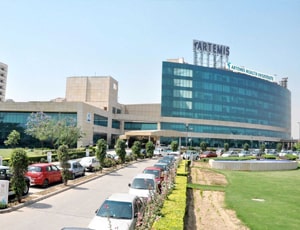
Artemis Health Institute is a trusted healthcare provider for ERCP (Diagnostic), offering specialized endoscopic evaluation supported by experienced gastroenterologists and advanced imaging facilities. Established in 2007, the JCI, NABH accredited hospital is situated in Gurgaon, India and has 750 beds.
Diagnostic ERCP provides detailed imaging of the biliary and pancreatic ducts and may be considered for selected patients with suspected ductal abnormalities. It can assist in evaluating conditions such as bile duct narrowing, unexplained duct dilation, bile leaks, and certain structural abnormalities. The patient is generally sedated or given anesthesia, and the endoscope is advanced to the duodenum to access the duct openings. Contrast imaging is then performed to identify abnormalities and guide further management.
Sunway Medical Centre offers advanced ERCP (Diagnostic) using modern endoscopic equipment and specialized gastrointestinal techniques. Established in 1999, the ACHS accredited hospital is located in Kuala Lumpur, Malaysia and has 724 beds, providing comprehensive gastroenterology care for local and international patients.
Diagnostic ERCP is an endoscopic procedure used to examine the bile ducts and pancreatic duct when specific abnormalities need evaluation. A flexible endoscope is guided through the mouth into the duodenum, where contrast material can be introduced into the ducts and X-ray imaging is used to visualize their structure. It may help investigate suspected bile duct obstruction, strictures, leaks, or selected pancreatic duct abnormalities. Because ERCP carries procedure-related risks, non-invasive tests such as MRCP or ultrasound are often considered first when appropriate.
Bangpakok 9 International Hospital offers advanced ERCP (Diagnostic) using modern endoscopic equipment and specialized gastrointestinal techniques. Established in 2003, the JCI, GHA accredited hospital is located in Bangkok, Thailand and has 300 beds, providing comprehensive gastroenterology care for local and international patients.
Diagnostic ERCP is an endoscopic procedure used to examine the bile ducts and pancreatic duct when specific abnormalities need evaluation. A flexible endoscope is guided through the mouth into the duodenum, where contrast material can be introduced into the ducts and X-ray imaging is used to visualize their structure. It may help investigate suspected bile duct obstruction, strictures, leaks, or selected pancreatic duct abnormalities. Because ERCP carries procedure-related risks, non-invasive tests such as MRCP or ultrasound are often considered first when appropriate.
At Medipol Bahçelievler Hospital, ERCP (Diagnostic) is performed using advanced endoscopic visualization, fluoroscopic imaging, and individualized diagnostic planning. Established in 2022, this JCI accredited hospital in Istanbul, Turkey has 441 beds and offers specialized hepatobiliary and pancreatic services.
ERCP (Diagnostic) may be used when doctors need detailed information about the biliary or pancreatic duct system that cannot be adequately obtained through routine imaging. During the procedure, an endoscope is passed through the upper digestive tract to the opening of the bile and pancreatic ducts. A contrast agent may then be introduced, allowing the ducts to be visualized under fluoroscopy. Depending on the findings, the same procedure may sometimes be used for therapeutic interventions such as stone removal or stent placement.
At Medanta - The Medicity, ERCP (Diagnostic) is performed using advanced endoscopic visualization, fluoroscopic imaging, and individualized diagnostic planning. Established in 2009, this JCI, NABH accredited hospital in Gurgaon, India has 1250 beds and offers specialized hepatobiliary and pancreatic services.
ERCP (Diagnostic) may be used when doctors need detailed information about the biliary or pancreatic duct system that cannot be adequately obtained through routine imaging. During the procedure, an endoscope is passed through the upper digestive tract to the opening of the bile and pancreatic ducts. A contrast agent may then be introduced, allowing the ducts to be visualized under fluoroscopy. Depending on the findings, the same procedure may sometimes be used for therapeutic interventions such as stone removal or stent placement.
ParkCity Medical Centre provides specialized ERCP (Diagnostic) with a focus on accurate ductal assessment, advanced endoscopic visualization, and patient safety. Established in 2012, the JCI accredited hospital is located in Kuala Lumpur, Malaysia and operates 300 beds with modern gastroenterology and endoscopy infrastructure.
Diagnostic ERCP is an endoscopic imaging technique that allows specialists to examine the anatomy of the biliary and pancreatic ducts from inside the digestive tract. It may be used in selected cases involving suspected obstruction, ductal narrowing, bile leakage, or other abnormalities. The procedure involves advancing an endoscope to the duodenum, locating the duct opening, and injecting contrast for fluoroscopic imaging. Modern clinical practice generally favors non-invasive imaging for diagnosis when sufficient, while ERCP is particularly valuable when a therapeutic procedure may also be required.
Choosing Gleneagles Hospital Mumbai for ERCP (Diagnostic) gives patients access to experienced gastroenterology specialists, modern endoscopy suites, and fluoroscopic imaging technology. Established in 1996, the JCI accredited hospital in Mumbai, India has 450 beds and provides comprehensive digestive and hepatobiliary care.
ERCP (Diagnostic) is primarily used to investigate disorders involving the bile and pancreatic ducts when detailed duct imaging is clinically necessary. Before the procedure, doctors review the patient's symptoms, laboratory findings, and previous imaging to determine whether ERCP is appropriate. During the examination, contrast is injected into the ducts through the endoscope and X-ray images are obtained. Although it can provide valuable diagnostic information, ERCP is invasive and may cause complications such as pancreatitis, bleeding, infection, or perforation, so careful patient selection is important.
Subang Jaya Medical Centre offers advanced ERCP (Diagnostic) using modern endoscopic equipment and specialized gastrointestinal techniques. Established in 1985, the JCI accredited hospital is located in Kuala Lumpur, Malaysia and has 442 beds, providing comprehensive gastroenterology care for local and international patients.
Diagnostic ERCP is an endoscopic procedure used to examine the bile ducts and pancreatic duct when specific abnormalities need evaluation. A flexible endoscope is guided through the mouth into the duodenum, where contrast material can be introduced into the ducts and X-ray imaging is used to visualize their structure. It may help investigate suspected bile duct obstruction, strictures, leaks, or selected pancreatic duct abnormalities. Because ERCP carries procedure-related risks, non-invasive tests such as MRCP or ultrasound are often considered first when appropriate.
Antalya Anadolu Hastanesi offers advanced ERCP (Diagnostic) using modern endoscopic equipment and specialized gastrointestinal techniques. Established in 2006, the accredited hospital is located in Antalya, Turkey and has 114 beds, providing comprehensive gastroenterology care for local and international patients.
Diagnostic ERCP is an endoscopic procedure used to examine the bile ducts and pancreatic duct when specific abnormalities need evaluation. A flexible endoscope is guided through the mouth into the duodenum, where contrast material can be introduced into the ducts and X-ray imaging is used to visualize their structure. It may help investigate suspected bile duct obstruction, strictures, leaks, or selected pancreatic duct abnormalities. Because ERCP carries procedure-related risks, non-invasive tests such as MRCP or ultrasound are often considered first when appropriate.
Ghaziabad, India
Max Super Specialty Hospital, Vaishali is a trusted healthcare provider for ERCP (Diagnostic), offering specialized endoscopic evaluation supported by experienced gastroenterologists and advanced imaging facilities. Established in 2008, the NABL, NABH accredited hospital is situated in Ghaziabad, India and has 370 beds.
Diagnostic ERCP provides detailed imaging of the biliary and pancreatic ducts and may be considered for selected patients with suspected ductal abnormalities. It can assist in evaluating conditions such as bile duct narrowing, unexplained duct dilation, bile leaks, and certain structural abnormalities. The patient is generally sedated or given anesthesia, and the endoscope is advanced to the duodenum to access the duct openings. Contrast imaging is then performed to identify abnormalities and guide further management.
Max Hospital, Gurgaon provides specialized ERCP (Diagnostic) with a focus on accurate ductal assessment, advanced endoscopic visualization, and patient safety. Established in 2007, the ISO, NABH, NABL accredited hospital is located in Gurgaon, India and operates 104 beds with modern gastroenterology and endoscopy infrastructure.
Diagnostic ERCP is an endoscopic imaging technique that allows specialists to examine the anatomy of the biliary and pancreatic ducts from inside the digestive tract. It may be used in selected cases involving suspected obstruction, ductal narrowing, bile leakage, or other abnormalities. The procedure involves advancing an endoscope to the duodenum, locating the duct opening, and injecting contrast for fluoroscopic imaging. Modern clinical practice generally favors non-invasive imaging for diagnosis when sufficient, while ERCP is particularly valuable when a therapeutic procedure may also be required.
Dubai, United Arab Emirates
Zulekha Hospital Dubai offers advanced ERCP (Diagnostic) using modern endoscopic equipment and specialized gastrointestinal techniques. Established in 2004, the JCI accredited hospital is located in Dubai, United Arab Emirates and has 179 beds, providing comprehensive gastroenterology care for local and international patients.
Diagnostic ERCP is an endoscopic procedure used to examine the bile ducts and pancreatic duct when specific abnormalities need evaluation. A flexible endoscope is guided through the mouth into the duodenum, where contrast material can be introduced into the ducts and X-ray imaging is used to visualize their structure. It may help investigate suspected bile duct obstruction, strictures, leaks, or selected pancreatic duct abnormalities. Because ERCP carries procedure-related risks, non-invasive tests such as MRCP or ultrasound are often considered first when appropriate.
| Speciality | Gastroenterology |
| Procedure | ERCP (Diagnostic) |
| Success Rate | 90-95% |
| Recovery Time | 2-7 days |
| Treatment Time | 30 minutes - 1 hour |
| Chances of Recurrence | NA |