Browse verified doctors or let our care team help you find the doctor best suited to your condition, treatment goals, and budget.

At Vinmec Times City, EPS & RFA is performed using advanced cardiac mapping and catheter-based techniques with personalized treatment plans. Established in 2012, this JCI accredited hospital in Ha noi, Vietnam has 500 beds and offers comprehensive cardiovascular services.
EPS & RFA may be recommended for patients with recurrent or symptomatic abnormal heart rhythms, particularly when medication does not adequately control the condition. EPS helps cardiologists identify the type and location of the arrhythmia by studying the heart's electrical signals. When ablation is appropriate, RFA uses heat energy delivered through a catheter to create small areas of scar tissue that block abnormal electrical signals and help restore a more regular heart rhythm.
Choosing Casa di Cura La Madonnina for EPS & RFA gives patients access to experienced electrophysiologists, advanced cardiac technology, and comprehensive medical care. Established in 1958, the SSN accredited hospital in milan, Italy has 560 beds and provides specialized cardiovascular services.
EPS & RFA can be used in the management of several types of arrhythmias, including certain supraventricular tachycardias and other rhythm disorders that are suitable for catheter ablation. During EPS, specialized catheters record electrical activity within the heart and may help reproduce the abnormal rhythm under controlled conditions. Once the source is identified, RFA can be used to deliver thermal energy to the targeted tissue. Follow-up care helps assess heart rhythm and recovery after treatment.
Ruby Hall Clinic offers advanced EPS & RFA using modern electrophysiology technology and internationally accepted treatment protocols. Established in 1959, the NABH, NABL accredited hospital is located in Pune, India and has 600 beds, providing comprehensive cardiac care for local and international patients.
EPS & RFA is commonly used to diagnose and treat certain abnormal heart rhythms, known as arrhythmias. During an electrophysiology study (EPS), thin catheters are inserted through a blood vessel to record the heart's electrical activity and identify the source of the abnormal rhythm. If appropriate, radiofrequency ablation (RFA) may then be performed using controlled heat energy to destroy the small area of heart tissue responsible for the arrhythmia.
At Yashoda Hospital, Malakpet, EPS & RFA is performed using advanced cardiac mapping and catheter-based techniques with personalized treatment plans. Established in 1989, this NABH, NABL accredited hospital in Hyderabad, India has 404 beds and offers comprehensive cardiovascular services.
EPS & RFA may be recommended for patients with recurrent or symptomatic abnormal heart rhythms, particularly when medication does not adequately control the condition. EPS helps cardiologists identify the type and location of the arrhythmia by studying the heart's electrical signals. When ablation is appropriate, RFA uses heat energy delivered through a catheter to create small areas of scar tissue that block abnormal electrical signals and help restore a more regular heart rhythm.
Choosing Assuta Hospital for EPS & RFA gives patients access to experienced electrophysiologists, advanced cardiac technology, and comprehensive medical care. Established in 1934, the JCI accredited hospital in Tel Aviv, Israel has 300 beds and provides specialized cardiovascular services.
EPS & RFA can be used in the management of several types of arrhythmias, including certain supraventricular tachycardias and other rhythm disorders that are suitable for catheter ablation. During EPS, specialized catheters record electrical activity within the heart and may help reproduce the abnormal rhythm under controlled conditions. Once the source is identified, RFA can be used to deliver thermal energy to the targeted tissue. Follow-up care helps assess heart rhythm and recovery after treatment.
Kalra Hospital is a trusted healthcare provider for EPS & RFA, offering modern electrophysiology services supported by experienced cardiologists and advanced cardiac infrastructure. Established in 1987, the NABH accredited hospital is situated in Delhi, India and has 110 beds.
EPS & RFA combines an electrophysiology study with catheter ablation to evaluate and treat selected heart rhythm disorders. The electrophysiology study helps specialists determine how electrical signals travel through the heart and locate the source of an abnormal rhythm. If the identified rhythm is suitable for ablation, radiofrequency energy is applied to the responsible tissue to interrupt the abnormal electrical pathway. Patients are assessed before the procedure and monitored during recovery.
At Thomson Medical Centre, EPS & RFA is performed using advanced cardiac mapping and catheter-based techniques with personalized treatment plans. Established in 1979, this accredited hospital in Singapore, Singapore has 190 beds and offers comprehensive cardiovascular services.
EPS & RFA may be recommended for patients with recurrent or symptomatic abnormal heart rhythms, particularly when medication does not adequately control the condition. EPS helps cardiologists identify the type and location of the arrhythmia by studying the heart's electrical signals. When ablation is appropriate, RFA uses heat energy delivered through a catheter to create small areas of scar tissue that block abnormal electrical signals and help restore a more regular heart rhythm.
Anadolu Medical Center is a trusted healthcare provider for EPS & RFA, offering modern electrophysiology services supported by experienced cardiologists and advanced cardiac infrastructure. Established in 2005, the JCI, ISO accredited hospital is situated in Kocaeli, Turkey and has 268 beds.
EPS & RFA combines an electrophysiology study with catheter ablation to evaluate and treat selected heart rhythm disorders. The electrophysiology study helps specialists determine how electrical signals travel through the heart and locate the source of an abnormal rhythm. If the identified rhythm is suitable for ablation, radiofrequency energy is applied to the responsible tissue to interrupt the abnormal electrical pathway. Patients are assessed before the procedure and monitored during recovery.
I.A.U VM Medical Park Florya Hospital offers advanced EPS & RFA using modern electrophysiology technology and internationally accepted treatment protocols. Established in 2017, the JCI accredited hospital is located in Istanbul, Turkey and has 300 beds, providing comprehensive cardiac care for local and international patients.
EPS & RFA is commonly used to diagnose and treat certain abnormal heart rhythms, known as arrhythmias. During an electrophysiology study (EPS), thin catheters are inserted through a blood vessel to record the heart's electrical activity and identify the source of the abnormal rhythm. If appropriate, radiofrequency ablation (RFA) may then be performed using controlled heat energy to destroy the small area of heart tissue responsible for the arrhythmia.
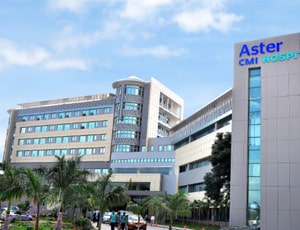
Choosing Aster CMI Hospital for EPS & RFA gives patients access to experienced electrophysiologists, advanced cardiac technology, and comprehensive medical care. Established in 2014, the JCI, NABH, NABL accredited hospital in Bangalore, India has 500 beds and provides specialized cardiovascular services.
EPS & RFA can be used in the management of several types of arrhythmias, including certain supraventricular tachycardias and other rhythm disorders that are suitable for catheter ablation. During EPS, specialized catheters record electrical activity within the heart and may help reproduce the abnormal rhythm under controlled conditions. Once the source is identified, RFA can be used to deliver thermal energy to the targeted tissue. Follow-up care helps assess heart rhythm and recovery after treatment.
Durban, South Africa
Choosing Lenmed Ethekwini Hospital and Heart Centre for EPS & RFA gives patients access to experienced electrophysiologists, advanced cardiac technology, and comprehensive medical care. Established in 2002, the accredited hospital in Durban, South Africa has 353 beds and provides specialized cardiovascular services.
EPS & RFA can be used in the management of several types of arrhythmias, including certain supraventricular tachycardias and other rhythm disorders that are suitable for catheter ablation. During EPS, specialized catheters record electrical activity within the heart and may help reproduce the abnormal rhythm under controlled conditions. Once the source is identified, RFA can be used to deliver thermal energy to the targeted tissue. Follow-up care helps assess heart rhythm and recovery after treatment.
Choosing Czech Medical Center for EPS & RFA gives patients access to experienced electrophysiologists, advanced cardiac technology, and comprehensive medical care. Established in 1996, the JCI accredited hospital in Brno, Czechia it has adequate bed capacity and provides specialized cardiovascular services.
EPS & RFA can be used in the management of several types of arrhythmias, including certain supraventricular tachycardias and other rhythm disorders that are suitable for catheter ablation. During EPS, specialized catheters record electrical activity within the heart and may help reproduce the abnormal rhythm under controlled conditions. Once the source is identified, RFA can be used to deliver thermal energy to the targeted tissue. Follow-up care helps assess heart rhythm and recovery after treatment.
At Burjeel Medical City, EPS & RFA is performed using advanced cardiac mapping and catheter-based techniques with personalized treatment plans. Established in 2017, this ISO accredited hospital in Abu Dhabi, United Arab Emirates has 350 beds and offers comprehensive cardiovascular services.
EPS & RFA may be recommended for patients with recurrent or symptomatic abnormal heart rhythms, particularly when medication does not adequately control the condition. EPS helps cardiologists identify the type and location of the arrhythmia by studying the heart's electrical signals. When ablation is appropriate, RFA uses heat energy delivered through a catheter to create small areas of scar tissue that block abnormal electrical signals and help restore a more regular heart rhythm.
Biruni University Hospital is a trusted healthcare provider for EPS & RFA, offering modern electrophysiology services supported by experienced cardiologists and advanced cardiac infrastructure. Established in 2016, the JCI accredited hospital is situated in Istanbul, Turkey and has 617 beds.
EPS & RFA combines an electrophysiology study with catheter ablation to evaluate and treat selected heart rhythm disorders. The electrophysiology study helps specialists determine how electrical signals travel through the heart and locate the source of an abnormal rhythm. If the identified rhythm is suitable for ablation, radiofrequency energy is applied to the responsible tissue to interrupt the abnormal electrical pathway. Patients are assessed before the procedure and monitored during recovery.
At MGM Healthcare, EPS & RFA is performed using advanced cardiac mapping and catheter-based techniques with personalized treatment plans. Established in 2016, this NABH, NABL, JCI accredited hospital in Chennai, India has 400 beds and offers comprehensive cardiovascular services.
EPS & RFA may be recommended for patients with recurrent or symptomatic abnormal heart rhythms, particularly when medication does not adequately control the condition. EPS helps cardiologists identify the type and location of the arrhythmia by studying the heart's electrical signals. When ablation is appropriate, RFA uses heat energy delivered through a catheter to create small areas of scar tissue that block abnormal electrical signals and help restore a more regular heart rhythm.
| Speciality | Cardiac Sciences |
| Procedure | EPS & RFA |
| Success Rate | 90-95% |
| Recovery Time | 1 Day |
| Treatment Time | 1 to 2 hours |
| Chances of Recurrence | 5-10% |
EPS (Electrophysiological Study) and RFA (Radiofrequency Ablation) are specialized cardiac procedures used to diagnose and treat abnormal heart rhythms, also known as arrhythmias. During an EPS procedure, small electrodes are placed inside the heart to study the electrical signals. This procedure can identify the source of the arrhythmia. RFA involves using radiofrequency energy to create small scars on the heart tissue, eliminating the abnormal electrical pathways that cause the arrhythmia.
EPS & RFA are commonly used to treat various arrhythmias, including atrial fibrillation, atrial flutter, supraventricular tachycardia (SVT), and some types of ventricular arrhythmias.
The recovery process after EPS and RFA is generally smooth. Patients are usually monitored closely for a few hours after the procedure. Discharge from the hospital occurs on the same day or the next day in most cases. Patients generally experience mild discomfort or soreness at the catheter insertion site. However, this typically resolves within a few days. Normal activities are usually resumed after a week after the surgery. The doctor advises specific restrictions on heavy lifting or strenuous exercise. Regular follow-up appointments are scheduled to assess the effectiveness of the procedure and monitor the heart's rhythm.

MediGence took care of everything from helping in choose the right hospital to manage hospital appointments. Strongly recommend MediGence to everyone looking to travel overseas for the surgery.