Browse verified doctors or let our care team help you find the doctor best suited to your condition, treatment goals, and budget.

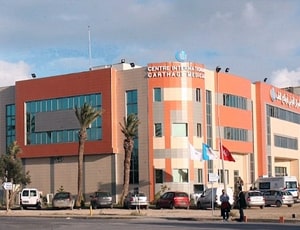
Carthage International Medical Center provides specialised Balloon Angioplasty with a focus on precise vascular treatment, advanced catheter-based technology, and individualised cardiovascular care. Established in 2014, the JCI accredited hospital is located in Monastir, Tunisia and operates 120 beds, with modern interventional cardiology and critical-care infrastructure.
Balloon Angioplasty can improve blood flow through arteries narrowed by atherosclerotic plaque or other forms of vascular obstruction. Treatment planning considers the location, length, severity, and characteristics of the arterial narrowing, as well as the patient's overall cardiovascular health. A detailed assessment using angiography and other appropriate investigations helps the interventional cardiology team determine whether balloon angioplasty alone or angioplasty combined with stent placement or another intervention is most suitable.
At NMC Chronic Care Specialized Hospital, Balloon Angioplasty is performed using specialised catheter-based techniques and comprehensive pre-procedure cardiovascular assessment. Established in 2013, this CBAHI accredited hospital in Jeddah, Saudi Arabia has 120 beds and offers advanced interventional cardiology services.
Balloon Angioplasty may be considered for patients with significant arterial narrowing that restricts blood flow and causes symptoms such as chest discomfort or reduced exercise tolerance. During the procedure, a catheter is introduced through a blood vessel, commonly in the wrist or groin, and guided toward the affected artery. The balloon is positioned across the narrowing and inflated to restore vessel diameter. Coronary angiography and other cardiovascular assessments help identify the location and severity of the blockage before treatment.
Werndale Hospital provides specialised Balloon Angioplasty with a focus on precise vascular treatment, advanced catheter-based technology, and individualised cardiovascular care. Established in 1991, the accredited hospital is located in Carmarthen, United Kingdom and operates 19 beds, with modern interventional cardiology and critical-care infrastructure.
Balloon Angioplasty can improve blood flow through arteries narrowed by atherosclerotic plaque or other forms of vascular obstruction. Treatment planning considers the location, length, severity, and characteristics of the arterial narrowing, as well as the patient's overall cardiovascular health. A detailed assessment using angiography and other appropriate investigations helps the interventional cardiology team determine whether balloon angioplasty alone or angioplasty combined with stent placement or another intervention is most suitable.
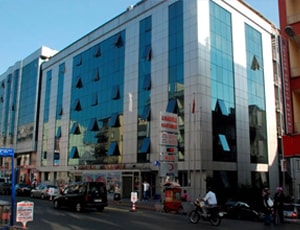
Choosing Ekol for Balloon Angioplasty gives patients access to experienced interventional cardiologists, advanced angiography systems, modern catheterization laboratories, and structured post-procedure monitoring. Established in 2000, the ISO accredited hospital in Izmir, Turkey it has adequate bed capacity and provides specialized cardiovascular intervention services.
Balloon Angioplasty is generally performed under local anaesthesia with sedation when required. A catheter is advanced through the vascular system to the affected artery, where the balloon is inflated to improve the passage of blood. Patients are monitored afterward for bleeding at the catheter insertion site, changes in heart rhythm, chest discomfort, and other potential complications. Depending on the treated artery and clinical condition, patients may require antiplatelet medicines and follow-up cardiovascular care.
Arab Medical Center provides specialised Balloon Angioplasty with a focus on precise vascular treatment, advanced catheter-based technology, and individualised cardiovascular care. Established in 1997, the JCI accredited hospital is located in Amman, Jordan and operates 243 beds, with modern interventional cardiology and critical-care infrastructure.
Balloon Angioplasty can improve blood flow through arteries narrowed by atherosclerotic plaque or other forms of vascular obstruction. Treatment planning considers the location, length, severity, and characteristics of the arterial narrowing, as well as the patient's overall cardiovascular health. A detailed assessment using angiography and other appropriate investigations helps the interventional cardiology team determine whether balloon angioplasty alone or angioplasty combined with stent placement or another intervention is most suitable.
Ara Damansara Medical Centre offers advanced Balloon Angioplasty using modern interventional cardiology techniques and individualized cardiovascular care plans. Established in 2012, the JCI, MSQH accredited hospital is located in Kuala Lumpur, Malaysia and has 220 beds, providing comprehensive cardiac care for local and international patients.
Balloon Angioplasty is a minimally invasive procedure used to widen narrowed or blocked blood vessels, most commonly the coronary arteries. During the procedure, a thin catheter with a small balloon at its tip is guided to the narrowed section of the artery. The balloon is then inflated to compress the obstructing plaque and improve blood flow. A coronary stent may also be placed when clinically indicated to help keep the artery open.
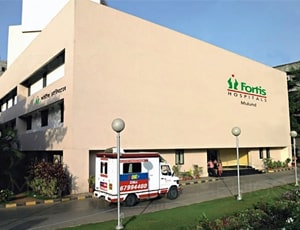
Fortis Hospital, Mulund is a trusted healthcare provider for Balloon Angioplasty, offering minimally invasive vascular treatment supported by experienced interventional cardiologists, advanced catheterization laboratories, and multidisciplinary cardiac care. Established in 2002, the JCI, NABH- accredited hospital is situated in Mumbai, India and has 315 beds.
Balloon Angioplasty works by mechanically expanding a narrowed artery to improve blood circulation to the heart or another affected area. In coronary angioplasty, the catheter is guided to the site of arterial narrowing under real-time imaging, and the balloon is inflated for a controlled period before being deflated and removed. Depending on the characteristics of the blockage, additional techniques or stent placement may be used to maintain adequate blood flow.
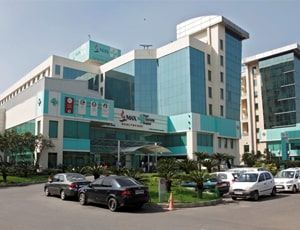
Max Super Speciality Hospital, Saket provides specialised Balloon Angioplasty with a focus on precise vascular treatment, advanced catheter-based technology, and individualised cardiovascular care. Established in 2006, the JCI, NABH accredited hospital is located in Delhi, India and operates 539 beds, with modern interventional cardiology and critical-care infrastructure.
Balloon Angioplasty can improve blood flow through arteries narrowed by atherosclerotic plaque or other forms of vascular obstruction. Treatment planning considers the location, length, severity, and characteristics of the arterial narrowing, as well as the patient's overall cardiovascular health. A detailed assessment using angiography and other appropriate investigations helps the interventional cardiology team determine whether balloon angioplasty alone or angioplasty combined with stent placement or another intervention is most suitable.
Gurgaon, India
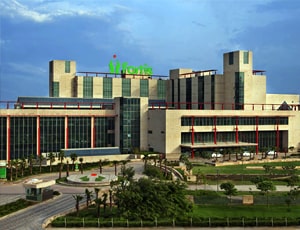
Fortis Memorial Research Institute offers advanced Balloon Angioplasty using modern interventional cardiology techniques and individualized cardiovascular care plans. Established in 2013, the JCI, NABH, NABL accredited hospital is located in Gurgaon, India and has 311 beds, providing comprehensive cardiac care for local and international patients.
Balloon Angioplasty is a minimally invasive procedure used to widen narrowed or blocked blood vessels, most commonly the coronary arteries. During the procedure, a thin catheter with a small balloon at its tip is guided to the narrowed section of the artery. The balloon is then inflated to compress the obstructing plaque and improve blood flow. A coronary stent may also be placed when clinically indicated to help keep the artery open.
Iranian Hospital is a trusted healthcare provider for Balloon Angioplasty, offering minimally invasive vascular treatment supported by experienced interventional cardiologists, advanced catheterization laboratories, and multidisciplinary cardiac care. Established in 1970, the - accredited hospital is situated in Dubai, United Arab Emirates and has 220 beds.
Balloon Angioplasty works by mechanically expanding a narrowed artery to improve blood circulation to the heart or another affected area. In coronary angioplasty, the catheter is guided to the site of arterial narrowing under real-time imaging, and the balloon is inflated for a controlled period before being deflated and removed. Depending on the characteristics of the blockage, additional techniques or stent placement may be used to maintain adequate blood flow.
Choosing VPS Rockland Hospital for Balloon Angioplasty gives patients access to experienced interventional cardiologists, advanced angiography systems, modern catheterization laboratories, and structured post-procedure monitoring. Established in 2013, the NABH, NABL accredited hospital in Gurgaon, India has 345 beds and provides specialized cardiovascular intervention services.
Balloon Angioplasty is generally performed under local anaesthesia with sedation when required. A catheter is advanced through the vascular system to the affected artery, where the balloon is inflated to improve the passage of blood. Patients are monitored afterward for bleeding at the catheter insertion site, changes in heart rhythm, chest discomfort, and other potential complications. Depending on the treated artery and clinical condition, patients may require antiplatelet medicines and follow-up cardiovascular care.
Asian Institute of Medical Sciences provides specialised Balloon Angioplasty with a focus on precise vascular treatment, advanced catheter-based technology, and individualised cardiovascular care. Established in 2010, the NABL, NABH accredited hospital is located in Faridabad, India and operates 425 beds, with modern interventional cardiology and critical-care infrastructure.
Balloon Angioplasty can improve blood flow through arteries narrowed by atherosclerotic plaque or other forms of vascular obstruction. Treatment planning considers the location, length, severity, and characteristics of the arterial narrowing, as well as the patient's overall cardiovascular health. A detailed assessment using angiography and other appropriate investigations helps the interventional cardiology team determine whether balloon angioplasty alone or angioplasty combined with stent placement or another intervention is most suitable.
Choosing Metro Hospital for Balloon Angioplasty gives patients access to experienced interventional cardiologists, advanced angiography systems, modern catheterization laboratories, and structured post-procedure monitoring. Established in 1997, the NABL, NABH, ISO accredited hospital in Noida, India has 289 beds and provides specialized cardiovascular intervention services.
Balloon Angioplasty is generally performed under local anaesthesia with sedation when required. A catheter is advanced through the vascular system to the affected artery, where the balloon is inflated to improve the passage of blood. Patients are monitored afterward for bleeding at the catheter insertion site, changes in heart rhythm, chest discomfort, and other potential complications. Depending on the treated artery and clinical condition, patients may require antiplatelet medicines and follow-up cardiovascular care.
Bai Jerbai Wadia Hospital for Children provides specialised Balloon Angioplasty with a focus on precise vascular treatment, advanced catheter-based technology, and individualised cardiovascular care. Established in 1929, the AACI accredited hospital is located in Mumbai, India and operates 350 beds, with modern interventional cardiology and critical-care infrastructure.
Balloon Angioplasty can improve blood flow through arteries narrowed by atherosclerotic plaque or other forms of vascular obstruction. Treatment planning considers the location, length, severity, and characteristics of the arterial narrowing, as well as the patient's overall cardiovascular health. A detailed assessment using angiography and other appropriate investigations helps the interventional cardiology team determine whether balloon angioplasty alone or angioplasty combined with stent placement or another intervention is most suitable.
Eregli Anadolu Hospital provides specialised Balloon Angioplasty with a focus on precise vascular treatment, advanced catheter-based technology, and individualised cardiovascular care. Established in 1998, the JCI accredited hospital is located in Zonguldak, Turkey and operates 75 beds, with modern interventional cardiology and critical-care infrastructure.
Balloon Angioplasty can improve blood flow through arteries narrowed by atherosclerotic plaque or other forms of vascular obstruction. Treatment planning considers the location, length, severity, and characteristics of the arterial narrowing, as well as the patient's overall cardiovascular health. A detailed assessment using angiography and other appropriate investigations helps the interventional cardiology team determine whether balloon angioplasty alone or angioplasty combined with stent placement or another intervention is most suitable.
Balloon angioplasty is a minimally invasive procedure used to open narrowed or blocked blood vessels. During the procedure, a skilled interventional radiologist inserts a small, deflated balloon through a catheter. This is placed at the site of the blockage. The balloon is then inflated with the aim of pushing blockages (the plaque) in the artery against the artery walls. This procedure helps widen the vessel to restore normal blood flow.
Balloon angioplasty is commonly used to treat conditions such as coronary artery disease (CAD), peripheral artery disease (PAD), and renal artery stenosis, among others. It is particularly effective in improving blood flow to the heart, legs, and kidneys.
After a balloon angioplasty, patients usually stay in the hospital for a short observation period and are generally discharged the same day. Recovery is relatively quick, with minimal discomfort at the insertion site. It may take just a day or two. Patients are advised to take it easy for a few days. Medications are prescribed to prevent blood clots and manage any post-procedure symptoms. Your healthcare team might also suggest lifestyle modifications, such as adopting a heart-healthy diet and exercising.