Your Notifications
All done, no notifications

18 Specialists

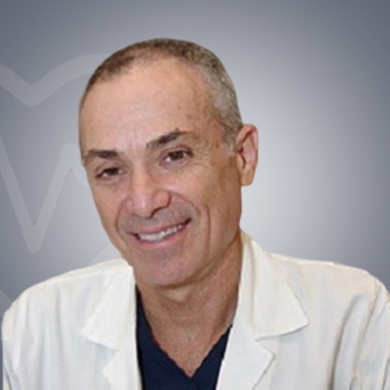
Dr. Michael Peer

Cardiac enterologist

, Tel Aviv, Israel

21 Years of experience

Speaks: Hebrew , English


Dr. Michael Peer is a specialized Cardiac Surgeon in Israel. And one of the most sought after medical specialists in Tel Aviv, Israel. The doctor has over 21 Years of experience and is associated with Tel Aviv Sourasky Medical Center -Ichilov Hospital.

Association and Memberships Dr. Michael Peer is part of:

  • International Society of Minimally Invasive Cardiothoracic Surgery
  • Reviewer of the ""Innovations"" journal
  • Israeli and European Associations for Endoscopic Surgery
  • Israel Society of Thoracic Surgeons
  • European Society of Thoracic Surgeons

Qualifications :

  • 1995 - Graduated from Tbilisi State Medical University, MD (Republic of Georgia)
  • 2007 - Residency in thoracic surgery at Assaf Harofeh Medical Center
  • 2008 - Thoracoscopic advanced lung surgery at the Cedars-Sinai Hospital, Los Angeles, USA
  • 2012 - Thoracoscopic esophageal surgery observer at the Cedars-Sinai Hospital, Los Angeles, USA
  • 2013 - Robotic thymectomy observer at the Charite Hospital, Berlin, Germany
  • 2013 - a course in the da Vinci training center, EEC (Ecole Européenne de Chirurgie), Paris, France
  • 2015 - course of surgical controversies in thoracic surgery, a course at the endoscopic training center, ESTS, Hamburg, Germany

Hospital Address :

Tel Aviv Medical Center, Retsif Herbert Samuel Street, Tel Aviv-Yafo, Israel

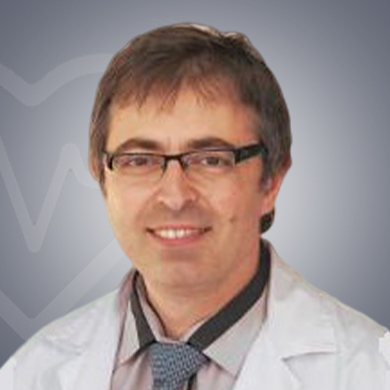
Dr. Alon Ben Nun

Surgical Oncologist

, Ramat Gan, Israel

25 Years of experience

Speaks: Hebrew , English


Dr. Alon Ben Nun is a specialized Surgical Oncologist in Israel. And one of the most sought after medical specialists in Tel Hashomer, Israel. The doctor has over 25 Years of experience and is associated with Sheba Medical Center.

Association and Memberships Dr. Alon Ben Nun is part of:

  • Israel Association of Physicians
  • Israeli Surgical Association
  • European Association for Endoscopic Surgery
  • American Association for Thoracic Surgery

Qualifications :

  • MD and PhD in Medicine from the Medical School, Ben- Gurion University of the Negev

Hospital Address :

Sheba Medical Center, Derech Sheba, Ramat Gan, Israel

Dr. Gal Keren Paz

Urologist

, Tel Aviv, Israel

20 Years of experience

Speaks: Hebrew , English


Dr. Gal Keren Paz is a specialized Urosurgeon in Israel. And one of the most sought after medical specialists in Tel Aviv, Israel. The doctor has over 20 Years of experience and is associated with Tel Aviv Sourasky Medical Center -Ichilov Hospital.

Association and Memberships Dr. Gal Keren Paz is part of:

  • European Association of Urology
  • Israel Medical Association
  • Israel Urological Association
  • American Urological Association

Qualifications :

  • Medical School - Ben-Gurion University of the Negev, Beer-Sheva, 1996-2003
  • Urologic Oncology at Memorial Sloan-Kettering Cancer Center, New York, USA, 2011-2014

Hospital Address :

Tel Aviv Medical Center, Retsif Herbert Samuel Street, Tel Aviv-Yafo, Israel
Do you know?

Using MediGence’s Telemedicine Platform, you can book a personalized video consultation with renowned doctors around the world

Explore Telemedicine Platform

Featured Telemedicine Doctors

Online Surgical Oncologist Consultations in the Israel

About Surgical Oncologist

A surgical oncologist is a surgeon specialized in treating cancer that requires surgery to remove tumors and other cancerous tissues. He performs surgeries for removing tumor or cancerous tissues and also the nearby susceptible tissues. Surgical oncologists also perform certain types of biopsies to help in the diagnosis of cancer. They work in coordination with other doctors, specialists and clinicians to help in reducing the pain, side effects, clinicians and speed up the recovery after the surgery.

A surgical oncologist is usually the first specialist doctor you will see if your primary care physician suspects that you have cancer. Surgical oncologist then performs biopsies by taking a small portion of the tissues so that it can be checked for the presence of cancer.

If the presence of cancerous cells gets confirmed then the surgical oncologist will perform surgery to remove the tumor or cancerous cells and the surrounding tissues. The surgeon will also help you prepare for and recover from any surgical procedure that you have to undergo during your cancer treatment.

Most of the patients have cancer surgery combined with other treatments like chemotherapy, radiation therapy or hormone therapy. Sometimes nonsurgical treatments (also known as neoadjuvant therapy) or post-surgery (also known as adjuvant therapy) to help in the prevention of cancer growth, metastasis or recurrence.

Procedures Performed

  • Laparoscopy
  • Robotic surgery
  • Appendectomy
  • Bowel resection
  • ERBEJET2
  • Flex Robotic System
  • HIPEC Treatment
  • Vascularized lymph node transfer surgery
  • Lymphaticovenular bypass surgery
  • Pneumonectomy
  • Robotic surgery (da Vinci® Surgical System)
  • Thoracotomy
  • Thyroidectomy
  • Tracheoesophageal puncture (TEP)
  • Video-assisted thoracoscopic surgery (VATS)

Top Surgical Oncologists in Israel

DoctorAssociated Hospital
Dr. Ziv TsafrirHerzliya Medical Center, Herzliya
Dr. Eyal FenigHerzliya Medical Center, Herzliya
Dr. David KakiashviliHerzliya Medical Center, Herzliya
Dr. Jacob KorachSheba Medical Center, Tel-Hashomer
Dr. Ami FishmanHerzliya Medical Center, Herzliya
Dr. Alon Ben NunSheba Medical Center, Tel-Hashomer
Dr. Itay VardiHerzliya Medical Center, Herzliya
Dr. Eitan FriedmanSheba Medical Center, Tel-Hashomer

About Surgical Oncologist Israel

Which are the countries where we can find Cancer Specialist?

Popular Cancer Specialist in Top Countries are :

Type of Cancer Specialist available in Israel?

Top Speciality Doctors in Israel:

Top Rated Hospitals Where We Can Find Cancer Specialist in Israel?

List of Top Rated Hospitals where we can find Cancer Specialist in Israel are as followed:

Can we get the list of Cancer Specialist in Israel in any other language?

Yes, we provide the list of Cancer Specialist in Israel in the following languages:

Frequently Asked Questions
Who are some of the top Surgical Oncologists from other countries?
Which are some of the best hospitals in Israel, Surgical Oncologist are associated with?

Following are some of the best clinics in Israel with whom surgical oncologists are associated with:

Which are some of the conditions treated by Surgical Oncologist in Israel?

Listed below are some of the most common conditions performed by surgical oncologists in Israel are:

  • Brain Cancers- Astrocytoma
  • Pancreatic Cancer
  • Acoustic Neuroma
  • Cervical Cancer
  • Kidney Cancer
  • Brain Tumor - Glioblastoma
  • Ovarian Cancer
  • Brain Tumor
  • Uterine cancer
  • Stomach Cancer
  • Skin Cancer
  • Oligodendrogliomas
  • Larynx Cancer
  • Colon Cancer and Bowel Diseases
  • Brain Abscess
  • Pancreatic or Duodenal Trauma
  • Pituitary Adenoma
  • Lung Cancer
  • Chronic Pancreatitis
  • Breast Cancer
  • Ependymomas
  • Meningioma
  • Crohn's Disease Or Severe Diverticulitis
  • Primitive Neuroectodermal Tumors
  • Cerebral Edema
  • Pancreatic Head Cancer
  • Glioma
  • Brain Infection
  • Arteriovenous Malformation
  • Mixed Gliomas
  • Prostate Cancer
  • Astrocytoma
  • Oral or Mouth Cancer
  • Meningiomas
  • Aneurysm
  • Colorectal or Colon Cancer
  • Traumatic Head Injury
  • Brain Cancers
Who is a Surgical Oncologist?

Surgical oncologists are also general surgeons with training in procedures for diagnosing, staging (finding the stage of cancer), and removing any cancerous growths. The most common procedures done by a surgical oncologist are surgery for cancerous growth removal and biopsies. These surgeons can also perform surgery to find the stage of cancer and determine the areas cancer has spread. Under some circumstances, surgical oncologists might also do preventive surgeries. In some specific cases, surgery might be the only treatment you may need. In other cases, you may have surgery as well as get additional treatments like chemotherapy or radiation. In such cases, a surgical oncologist might be an important part of the cancer care team.

To diagnose cancer, a surgical oncologist can perform biopsies. Biopsy procedures might include:

  • Needle biopsies like fine-needle aspiration and core biopsies
  • Abdominal surgery/laparotomy
  • Laparoscopic or endoscopic (surgery using a scope)
  • Excisional (removing a suspicious area, like a mole/tumor)
  • Skin biopsy
  • Incisional (removing a portion of the suspicious area)

After a biopsy, a surgical oncologist will send all tissue samples to a pathologist, who looks for cancer cells. In case cancer is present, you can see a surgical oncologist again to have a tumor removed. A surgical oncologist might also choose to do a staging surgery to determine the size of a tumor and find if cancer has spread.

What are the qualifications of a Surgical Oncologist?

Surgical oncologists are medical doctors who are trained in surgery with a focus on cancer treatments and diagnosis. Similar to other types of surgeons and doctors, surgical oncologists complete medical school as well as pass an exam to practice medicine.

Becoming a surgical oncologist involves the below educational steps:

  • Obtain five-and-half-year MBBS degree
  • Complete MS course.
  • Finish a residency in general surgery
  • Optionally compete General Surgery Certifying Examination
  • Pursue a fellowship in surgical oncology
  • Some surgical oncologists prefer to specialize in their area with additional research into specific types of cancer, such as skin, gynecological, or gastrointestinal. A surgical oncologist’s specialties could also be in particular age groups, like pediatrics.
What conditions do Surgical oncologists treat?

Surgical oncologists treat a wide variety of conditions as given below:

  • Ovarian Cancer
  • Brain Tumor
  • Uterine cancer
  • Stomach Cancer
  • Skin Cancer
  • Brain Cancers
  • Brain Tumor
  • Larynx Cancer
  • Pancreatic Cancer
  • Acoustic Neuroma
  • Cervical Cancer
  • Kidney Cancer
  • Brain Abscess
  • Pancreatic/Duodenal Trauma
  • Pituitary Adenoma
  • Meningioma
  • Crohn's Disease
  • Lung Cancer
  • Chronic Pancreatitis
  • Breast Cancer
  • Ependymomas
  • Primitive Neuroectodermal Tumors
  • Pancreatic Head Cancer
  • Arteriovenous Malformation
  • Mixed Gliomas
  • Prostate Cancer
  • Mouth Cancer
  • Meningioma
  • Aneurysm
  • Colon Cancer
  • Traumatic Head Injury
  • Brain Cancers
What diagnostic tests are required by Surgical Oncologist?

Different diagnostic tests are recommended by a surgical oncologist to detect cancer. Depending on the symptoms you have, you may have other tests, too. Some common tests are:

  • CT scan
  • MRI
  • Nuclear scan
  • Bone scan
  • PET scan
  • Ultrasound
  • X-ray
  • Biopsy
When should you visit a Surgical Oncologist?

You might see a surgical oncologist if you have a tumor. If a primary care doctor suspects you have cancer, they may refer you to a surgical oncologist for biopsy. If you have been already diagnosed with cancer, the doctor might refer you to a surgical oncologist to get advice on your cancer treatment.

Consult a surgical oncologist if you experience any of the below-given signs and symptoms:

  • Unexplained weight change
  • Persistent cough
  • Skin changes
  • Neurological issues
  • Lumps and bumps
  • Breast changes
  • Chronic headache
  • Difficulty swallowing
  • Excessive bruising
  • Fatigue
  • Stomach pain or nausea
  • Postmenopausal bleeding
What can you expect from your first visit with a Surgical Oncologist?

When a patient visits for the first consultation, a surgical oncologist will perform a thorough examination. The oncologist will ask various questions and also review the patient’s health history. It will include an assessment of all the tests and scans the person may have had beforehand. Besides this, the oncologist can design a treatment plan that suits the patient.

The surgical oncologist plays an important role in the patient’s welfare and ensures the patient feels comfortable. They will hear the patient’s concerns and answer all questions the patient may have about the treatment and procedures. Both will have a detailed conversation about the patient’s needs. They may also discuss any fears and anxiety the patient may have.

Which are the most common procedures performed by a Surgical Oncologist?

Surgical procedures used will differ based on the purpose of the surgical procedures and the area of the body and the size of the tissues affected. A surgical oncologist can perform open surgery or minimally invasive procedures as listed below:

  • Laparoscopy
  • Microscopically controlled surgery
  • Cryosurgery (freezing of cells and skin)
  • Robotic surgery
  • Appendectomy
  • Bowel resection
  • ERBEJET2
  • Flex Robotic System
  • HIPEC Treatment
  • Vascularized lymph node transfer surgery
  • Lymphaticovenular bypass surgery
  • PneumonectomyRobotic surgery (da Vinci Surgical System)
  • Thoracotomy
  • Thyroidectomy
  • Tracheoesophageal puncture
  • Video-assisted thoracoscopic surgery
  • Laser surgery
  • Hyperthermia (heating of tissue)

FAQs related to Israel

How to avail online consultation with some of the top doctors in Israel?

Telemedicine is a fantastic way for incorporating technology into healthcare. It makes clinical care so simple to adopt and progress with in order to identify better ways to treat patients and return them to excellent health and optimum parameters. It is a system for virtual care consultations for a variety of ailments.

How to access Telemedicine by MediGence?

Exploring & Booking an appointment with the specialist in 3 simple steps-

  • Choose a suitable Doctor based on your symptoms or condition
  • Schedule an appointment with the doctor of your choice

Our Telemedicine offering makes things simple via its user-friendly interface.

  • On-demand Scheduled Appointments
  • Data Security Guaranteed with HIPAA Compliance
  • Video Interaction with Top Medical Experts across borders
  • Video Recording Option for Patient’s convenience
  • Private video consultations can be downloaded within 72 hours
  • Clinical notes & prescriptions
  • Secured & Easy Payment Options- E-receipt is generated & sent automatically to the patient.
How to choose some of the best rated doctors in Israel?

The majority of people believe they do have a broad understanding of what a "good" doctor can accomplish or haven't given it any thought. If you're searching for a new doctor or a specialist, you might have a few extra questions about what to look for in a medical professional. Knowing what makes a good doctor can aid in the diagnosis and get you the care you want without having to worry about anything.

  • Domain Knowledge - A qualified doctor should understand how the entire body works as a unit and what one must do to keep their complete health. They should keep up with all of the newest developments in the industry and share their knowledge in an easy-to-understand manner. Patients will become more likely to follow this advice correctly and trust the doctor when there is an issue if doctors provide a wide range of facts and clearly state why they consider a given style of medical care to be good.
  • Doctor’s Reputation - Doctors are frequently chosen by word of mouth, but when looking for a new doctor, it is crucial to consider your sources. Ask a few different people and watch whose name keeps coming up. You can also get useful information by asking your primary care physician about specialists and others in the region. Several people nowadays look for reviews of new doctors on the internet, but this information might be skewed. To gain a better idea about what a doctor is like, look for consistency in remarks regarding them, both favorable and negative.
  • Credentials of the Doctor - A good school education or other credentials may not guarantee that a doctor will deliver exceptional care, but it is a fine place to begin. If the doctor's credentials or affiliations within the field are lacking, this is a red flag. Check to see if the doctor is board certified and has fulfilled all licensure criteria. Knowing the hospital they are linked with or what qualifications other members of their practice have can give you an idea of the kind of care one will receive if they require extra treatment.
  • Empathy and Sincerity of the Doctor - The doctor's demeanor can put you at ease during the appointments. A patient wishes to feel that their doctor actually cares about them and their family so that one can openly discuss any questions or concerns they may have. It is not a bad idea to switch doctors if one does not feel emotionally connected to their current one. Seek someone who is friendly and attentive, and who encourages their patients to express themselves freely. To make someone comfortable and make it simpler for them to follow treatments effectively, the doctor must explain what they are doing and the reasoning behind it.
  • Good Communication Skills - A physician must be able to communicate effectively with their patients, which entails both listening to them and presenting information in an understandable way. Patients who can communicate effectively with their doctors are more likely to comply with their treatment regimen and reveal any extra health issues they could be facing. This will assist clinicians in identifying potentially harmful trends that the patient might be experiencing and intervening to ensure that therapies are effective.

Reference:

The Lancet

Which are the most common Medical Specialities available in Israel