Your Notifications
All done, no notifications

Top General Surgeon in Israel

Explore trusted hospitals and care options, or get personalised support to find a suitable option based on your treatment needs, preferences, and budget.

9
Verified Doctors
1,00,000+
Global Patients Assisted
Enquire Now
+
JCI/ISO 100,000+ Patients 24X7 Coordinator Visa & Travel handled

Our Platform Features
100,000+
Consultations Completed
HIPAA
Compliant Secure & Encrypted
24-48 Hours
Expert Medical Opinion
End-to-End Support
Dedicated Care Manager
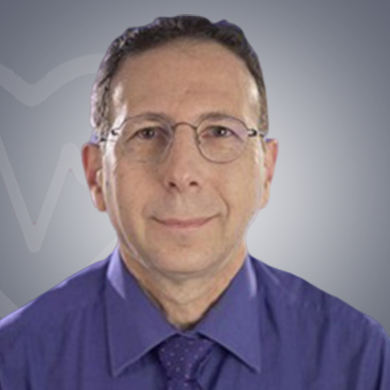
Dr. Danny Rosin

, Israel, Ramat Gan

Laparoscopic Surgeon • 33 years experience

Hebrew English
View Telemedicine Doctors

Danny Rosin, Sackler School of Medicine in Tel Aviv University, Israel, is a General Laparoscopic Surgeon based in Tel Hashomer, Israel. The doctor has 33 years of professional experience. Danny Rosin areas of expertise include Colon Cancer and Bowel Diseases, Complicated Acute Appendicitis, Inguinal Hernia (in Groin), Pancreatic or Duodenal Trauma, Chronic Pancreatitis.

Work Experiences

  • Lecturer in general surgery at Sheba Medical Center and Tel Aviv University
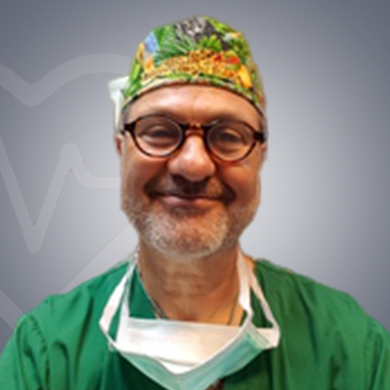
Dr. Amir Szold

, Israel, Tel Aviv

Laparoscopic Surgeon • 45 years experience

Hebrew English
View Telemedicine Doctors

Amir Szold, Higher medical education, he graduated from the Medical Faculty of the Hebrew University of Jerusalem, Israel, is a General Laparoscopic Surgeon based in Tel Aviv, Israel. The doctor has 45 years of professional experience. Amir Szold areas of expertise include Pancreatic Head Cancer, Chronic Pancreatitis, Colon Cancer and Bowel Diseases, Crohn's Disease Or Severe Diverticulitis, Gallstones that are Causing Pain and Infection.

Work Experiences

  • General surgeon, specialist in laparoscopic surgery at the medical center “Ichilov” them. Sourasky Tel Aviv
  • Senior Lecturer, Bee's Medicine U. S. Sackler, Tel Aviv University
  • Director and partner of the surgical center “Assia Medical Group” in hospital “Assuta” Tel Aviv
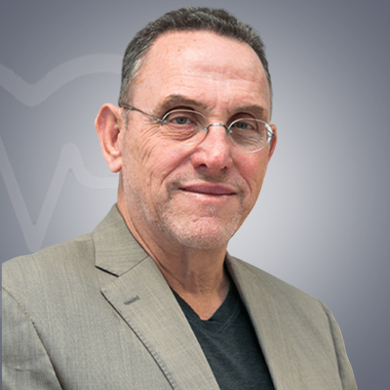
Dr. Franklin Greif

, Israel, Petah Tikva

Laparoscopic Surgeon • 35 years experience

Hebrew English
View Telemedicine Doctors

Franklin Greif, Doctor of Medicine, University Padova, Italy, 1975., is a General Laparoscopic Surgeon based in Petah Tikva, Israel. The doctor has 35 years of professional experience. Franklin Greif areas of expertise include Pancreatic Head Cancer, Cholecystitis (Inflammation of the Gall Bladder), Crohn's Disease Or Severe Diverticulitis, Complicated Acute Appendicitis, Inguinal Hernia (in Groin).

Work Experiences

  • Senior lecturer Tel Aviv University School Medicine, 2000—2008
  • Head department surgery Rabin Medical Center, Petah Tikva, Israel, since 2000
  • Consultant general surgery Assuta Medical Center, Tel Aviv, 1987 - 2008.

Do you know?

Using MediGence’s Telemedicine Platform, you can book a personalized video consultation with renowned doctors around the world

Explore Telemedicine Platform

Featured Telemedicine Doctors

Dr. Kashuk Jeffrey Yosef

, Israel, Herzliya

Laparoscopic Surgeon • 38 years experience

View Telemedicine Doctors

Kashuk Jeffrey Yosef, BA, Chemistry, Cum Laude (Honors), 1975 Lawrence University, Appleton, Wisconsin, is a General Laparoscopic Surgeon based in Herzliya, Israel. The doctor has 38 years of professional experience. Kashuk Jeffrey Yosef areas of expertise include Inguinal Hernia (in Groin), Complicated Acute Appendicitis, Crohn's Disease Or Severe Diverticulitis, Colon Cancer and Bowel Diseases, Chronic Pancreatitis.

Work Experiences

  • Senior Physician - Assuta Intensive Care Unit, Soldier's Level
Dr. Lotan Gad

, Israel, Tel Aviv

Laparoscopic Surgeon • 28 years experience

Hebrew English French
View Telemedicine Doctors

Lotan Gad, Graduated of the School of Medicine Tel Aviv University, is a General Laparoscopic Surgeon based in Tel Aviv, Israel. The doctor has 28 years of professional experience. Lotan Gad areas of expertise include Complicated Acute Appendicitis, Colon Cancer and Bowel Diseases, Cholecystitis (Inflammation of the Gall Bladder), Chronic Pancreatitis, Pancreatic Head Cancer.

Work Experiences

  • General Surgeon - Tel Hashomer Hospital
  • Head of General Surgery - Assaf Harofeh Hospital children
  • Head of pediatric surgery department, Dana-Dwek Children Hospital

Dr. Nir Wasserberg

, Israel, Herzliya

Laparoscopic Surgeon • 30 years experience

Hebrew English
View Telemedicine Doctors

Nir Wasserberg, 1994 - graduated from the Faculty of Medicine, Tel Aviv University, is a General Laparoscopic Surgeon based in Herzliya, Israel. The doctor has 30 years of professional experience. Nir Wasserberg areas of expertise include Cholecystitis (Inflammation of the Gall Bladder), Gallstones that are Causing Pain and Infection, Crohn's Disease Or Severe Diverticulitis, Complicated Acute Appendicitis, Inguinal Hernia (in Groin).

Work Experiences

  • Director division of colorectal surgery, Department of Surgery, Beilinson Campus, Rabin Medical Center
  • Senior surgeon at the University Hospital of Los Angeles, USA
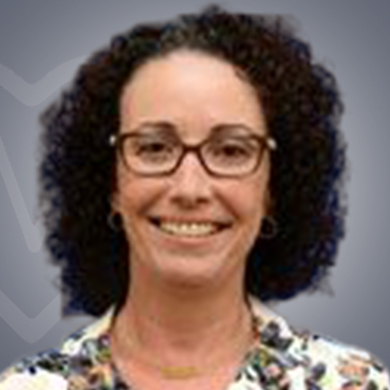
Dr. Hagit Tulchinsky

, Israel, Tel Aviv

Laparoscopic Surgeon • 33 years experience

Hebrew English
View Telemedicine Doctors

Hagit Tulchinsky, Medical School - Sackler School of Medicine, Tel Aviv University, is a General Laparoscopic Surgeon based in Tel Aviv, Israel. The doctor has 33 years of professional experience. Hagit Tulchinsky areas of expertise include Gallstones that are Causing Pain and Infection, Colon Cancer and Bowel Diseases, Pancreatic Head Cancer, Crohn's Disease Or Severe Diverticulitis, Complicated Acute Appendicitis.

Work Experiences

  • Head of the Colorectal Unit in the Division of Surgery, TASMC.
Dr. Joseph Klausner

, Israel, Tel Aviv

Laparoscopic Surgeon • 49 years experience

Hebrew English
View Telemedicine Doctors

Joseph Klausner, Sackler faculty of Medicine, Tel Aviv University, 1968‑1975 , is a General Laparoscopic Surgeon based in Tel Aviv, Israel. The doctor has 49 years of professional experience. Joseph Klausner areas of expertise include Gallstones that are Causing Pain and Infection, Inguinal Hernia (in Groin), Pancreatic or Duodenal Trauma, Colon Cancer and Bowel Diseases, Pancreatic Head Cancer.

Work Experiences

  • 1975, Subintern at the New York University, Bellview Hospital, General Surgery
  • 1975-1976 Rotating internship, Tel Aviv Medical Center
  • 1977-1982 Resident in general surgery, Hadassah Hospital, Tel Aviv
  • 1983 Certification Israel Board of Surgery magna cum laude
  • 1983-1986 Fulltime attending surgeon, Department of Surgery, Hadassah Hospital, Tel Aviv
  • 1988-1989 Senior surgeon, Department of Surgery, Hadassah Hospital, Tel Aviv.
  • 1989 Deputy Director, Dept. of Surgery, Hadassah Hospital, Tel Aviv.
  • 1991- 1992 Director of Surgery, Dept. of Surgery, Hadassah Hospital, Tel Aviv Medical
  • 1989 Director of Surgery, Dept. of Surgery Tel Aviv Sourasky Medical Center
  • 1994 Director of Surgery, Depts. of Surgery Tel Aviv Medical Center
  • 1996- Chairman of Surgery, Tel Aviv Medical Center.
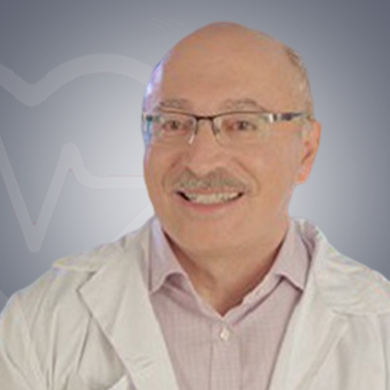
Dr. Alexander Lebedyev

, Israel, Ramat Gan

Laparoscopic Surgeon • 15 years experience

Hebrew English
View Telemedicine Doctors

Alexander Lebedyev, MD/ PHD studies in medical centers in Ukraine, is a General Laparoscopic Surgeon based in Tel Hashomer, Israel. The doctor has 15 years of professional experience. Alexander Lebedyev areas of expertise include Chronic Pancreatitis, Pancreatic Head Cancer, Pancreatic or Duodenal Trauma, Complicated Acute Appendicitis, Inguinal Hernia (in Groin).

Work Experiences

  • Currently working at Sheba Medical Center
Frequently Asked Questions
Who are the top General Surgeons from other countries?
Which are some of the best hospitals in Israel, All are associated with?
Who is a General Surgeon?

General surgeons are doctors who specialize in surgical procedures to treat conditions related to various body parts. A general surgeon is part of a surgical team that includes nurses, an anesthesiologist, and surgical technicians. A general surgeon has specialized knowledge of different surgical processes, from the initial evaluation through preparation and post-operative management.

A general surgeon understands all the below-given basic areas of surgery:

  • The endocrine system
  • Surgical management of traumatic injuries
  • Care of critically ill patients with surgical needs
  • The digestive tract
  • Surgical treatment of cancer
  • The abdomen and its contents
  • The skin and soft tissues, such as the breasts
  • The head and neck
  • The blood vessels, heart

Today, most general surgeons are familiar with minimally invasive procedures like laparoscopy. Laparoscopic surgeries make use of much smaller tools, including small cameras that allow the surgeon to see what is going on inside the body. These specialized instruments will help the surgeon make much smaller cuts than they could with conventional procedures.

General surgeons have a broad knowledge of different diseases and conditions. They will tell you whether you require surgery and what kind of surgery would be best for you. As general surgeon treats a variety of conditions, they need to meet unique needs.

What are the qualifications of a General Surgeon?

Anyone interested in becoming a general surgeon needs to go through a long period of medical education for acquiring board certification and licensure. After completing 10+2 with PCB, a candidate can continue your further studies towards becoming a general surgeon.

These doctors have special training in the field of general surgery. They have to earn an MBBS degree before focusing on their specialty area.

After obtaining an MBBS degree, the next step is to pursue the PG course, MS, which is one of the most popular PG courses after MBBS. This degree makes you eligible for practicing as a general surgeon. A surgeon's residency program includes at least 48 weeks of full-time work with patients.

Some of the specialization areas for a prospective general surgeon are:

  • General surgery
  • Gynecologic oncology
  • Ophthalmic
  • Orthopedic
  • Pediatric
  • Urology
  • Colon and rectal
  • Cardiothoracic
  • Gynaecology, Obstetrics
  • Neurological
What conditions do General Surgeons treat?

General surgeons provide medical as well as surgical care. They focus on injuries and conditions affecting the breasts, abdomen, digestive system, skin, and endocrine system. They also evaluate imaging tests, lab tests, and biopsies as part of delivering care. Surgeons treat people of all ages, with a wide range of conditions.

Here are some common conditions they treat:

  • Abdominal pain
  • Gallbladder Inflammation and Ggeneral surgeontones
  • Gastrointestinal (GI) Diseases: gastroesophageal reflux disease, liver cirrhosis, ulcers, gastritis, pancreatitis, and inflammatory bowel disease
  • Hernia, cancer
  • Thyroid disorders: thyroid cancer, hyperthyroidism, goiter, and non-cancerous thyroid tumors, cysts, or nodules
  • Varicose veins
What diagnostic tests are required by General Surgeon?

Many general surgeons recommend routine laboratory tests before admission to the hospital, or before some outpatient procedures, to identify exact problems that may complicate surgery if not detected and treated early. A general surgeon may tell you to get the below tests done to identify your condition and design a treatment plan accordingly.

  • Electrocardiogram (ECG)
  • Chest X-rays
  • Urinalysis
  • White blood count
  • CT scan, MRI scan
  • Ultrasound
  • Positron Emission Tomography (PET) Scan
  • Endoscopy
  • Biopsy
  • Coloscopy
  • Bronchoscopy
  • Colonoscopy
  • Colposcopy
  • Echocardiogram
When should you visit a General Surgeon?

Your doctor/general physician may refer you to a general surgeon depending on the diagnostic reports and the complexity of your condition. General physicians and other doctors work very closely with general surgeons in case the treatment plan requires an invasive approach. It may be because the medications are not working and there’s a disease that needs to be removed surgically by a general surgeon.

Below are some symptoms which suggest that you need to consult a general surgeon to discuss your problem and get treatment options.

  • Skin lesions
  • Breast lumps
  • Consistent pain in the abdomen
  • Gallbladder disease or ggeneral surgeontone
  • Hernia
  • Intestinal obstruction or perforation
  • Gastrointestinal problem
  • Inflammation in internal organs
  • Uncontrolled internal bleeding
  • Appendicitis
  • Gunshot wound
What can you expect from your first visit with a General Surgeon?

When you visit with a general surgeon, they will thoroughly evaluate your health in order to make sure that surgery is the right option for you. The surgeon will also explain the procedure and answer your queries about the procedure.

Your first visit with a surgeon typically is a consultation designed to assess your medical history and tests, review how the problem may be affecting you, and completely examine you to collect the necessary information that will help in deciding the next steps together. Sometimes, we might need more information like additional tests and discussions with your PCP to ensure that all of the medical issues have been addressed.

Your general surgeon will tell you how to get ready for the operation, including:

  • If you need to take any medications
  • If you need to take any tests
  • Whether you have to avoid drinking or eating before the procedure

The surgeon will tell you what to expect during your recovery. If your surgery needs a hospital stay, they will tell you how long you could expect to stay in the hospital and what you will require once you are discharged.

Which are the most common procedures performed by a General Surgeon?

Some common procedures performed by a general surgeon include:

  • Laparoscopic / Open Appendicectomy
  • Minimal Invasive Haemrrhoidectomy (Stapled hemorrhoidectomy)
  • Laparoscopic / Open Cholecystectomy
  • Surgery for Gynaecomastia
  • Modified Radical Mastectomy
  • Pilonidal Sinus Excision
  • Appendectomy
  • Cesarean section
  • Carotid endarterectomy
  • Hemorrhoidectomy
  • Hysterectomy
  • Inguinal hernia repairs
  • Tonsillectomy
  • Ambulatory Phlebectomy
  • Breast Biopsy, Core
  • Breast Biopsy, Open/Lumpetomy
  • Colon Cancer Surgery
  • Hemorrhoids
  • Hemorrhoids (Advanced)
  • Colon Resection
  • Laparoscopic Ventral Hernia Repair
  • Lung Surgery
  • Sclerotherapy
  • Thyroid Surgery
  • Varicose Veins
  • Vinus Closure

FAQs related to Israel

How to avail online consultation with some of the top doctors in Israel?

Telemedicine is a fantastic way for incorporating technology into healthcare. It makes clinical care so simple to adopt and progress with in order to identify better ways to treat patients and return them to excellent health and optimum parameters. It is a system for virtual care consultations for a variety of ailments.

How to access Telemedicine by MediGence?

Exploring & Booking an appointment with the specialist in 3 simple steps-

  • Choose a suitable Doctor based on your symptoms or condition
  • Schedule an appointment with the doctor of your choice

Our Telemedicine offering makes things simple via its user-friendly interface.

  • On-demand Scheduled Appointments
  • Data Security Guaranteed with HIPAA Compliance
  • Video Interaction with Top Medical Experts across borders
  • Video Recording Option for Patient’s convenience
  • Private video consultations can be downloaded within 72 hours
  • Clinical notes & prescriptions
  • Secured & Easy Payment Options- E-receipt is generated & sent automatically to the patient.
How to choose some of the best rated doctors in Israel?

The majority of people believe they do have a broad understanding of what a "good" doctor can accomplish or haven't given it any thought. If you're searching for a new doctor or a specialist, you might have a few extra questions about what to look for in a medical professional. Knowing what makes a good doctor can aid in the diagnosis and get you the care you want without having to worry about anything.

  • Domain Knowledge - A qualified doctor should understand how the entire body works as a unit and what one must do to keep their complete health. They should keep up with all of the newest developments in the industry and share their knowledge in an easy-to-understand manner. Patients will become more likely to follow this advice correctly and trust the doctor when there is an issue if doctors provide a wide range of facts and clearly state why they consider a given style of medical care to be good.
  • Doctor’s Reputation - Doctors are frequently chosen by word of mouth, but when looking for a new doctor, it is crucial to consider your sources. Ask a few different people and watch whose name keeps coming up. You can also get useful information by asking your primary care physician about specialists and others in the region. Several people nowadays look for reviews of new doctors on the internet, but this information might be skewed. To gain a better idea about what a doctor is like, look for consistency in remarks regarding them, both favorable and negative.
  • Credentials of the Doctor - A good school education or other credentials may not guarantee that a doctor will deliver exceptional care, but it is a fine place to begin. If the doctor's credentials or affiliations within the field are lacking, this is a red flag. Check to see if the doctor is board certified and has fulfilled all licensure criteria. Knowing the hospital they are linked with or what qualifications other members of their practice have can give you an idea of the kind of care one will receive if they require extra treatment.
  • Empathy and Sincerity of the Doctor - The doctor's demeanor can put you at ease during the appointments. A patient wishes to feel that their doctor actually cares about them and their family so that one can openly discuss any questions or concerns they may have. It is not a bad idea to switch doctors if one does not feel emotionally connected to their current one. Seek someone who is friendly and attentive, and who encourages their patients to express themselves freely. To make someone comfortable and make it simpler for them to follow treatments effectively, the doctor must explain what they are doing and the reasoning behind it.
  • Good Communication Skills - A physician must be able to communicate effectively with their patients, which entails both listening to them and presenting information in an understandable way. Patients who can communicate effectively with their doctors are more likely to comply with their treatment regimen and reveal any extra health issues they could be facing. This will assist clinicians in identifying potentially harmful trends that the patient might be experiencing and intervening to ensure that therapies are effective.

Reference:

The Lancet

Which are the most common Medical Specialities available in Israel

Top General Surgeon in Israel

About General Surgeon

A general surgeon is a doctor specialized in the diagnosis and treatment of the patient including pre-operative, operative, and post-operative management of patient care. Surgery requires knowledge, training and experience of human anatomy, emergency and intensive care, immunology, metabolism, nutrition, pathology, physiology, shock and resuscitation and wound healing. Some of the general surgeons perform laparoscopic surgery (a surgical technique in which short tubes are inserted into the abdomen), and they are known as laparoscopic surgeons (explained below).

General surgeon is trained to provide surgical care to the patient which includes examining the patient and his medical reports, diagnosing the disorder or condition requiring surgery, pre-operative, operative and post-operative management of the patient care, and the surgical treatment of the:

  • Alimentary tract (esophagus and related organs)
  • Abdomen and its contents
  • Breast, skin, and soft tissue
  • Endocrine system

Procedures Performed by General Surgeon in Israel

  • Ambulatory Phlebectomy
  • Breast Biopsy, Core
  • Breast Biopsy, Open/Lumpetomy
  • Colon Cancer Surgery
  • Hemorrhoids
  • Hemorrhoids (Advanced)
  • Laparoscopic Cholecystectomy
  • Laparoscopic Colon Resection
  • Laparoscopic Nissen Fundoplication
  • Laparoscopic Ventral Hernia Repair
  • Lung Surgery
  • Sclerotherapy and Ultrasound-Guided Sclerotherapy
  • Thyroid Surgery
  • Ultrasound
  • Varicose Veins
  • VINUS Closure

Top General Surgeons in Israel

DoctorAssociated Hospital
Dr. Hagit TulchinskyTel Aviv Sourasky Medical Center -Ichilov Hospital, Tel-Aviv
Dr. Nir WasserbergHerzliya Medical Center, Herzliya
Dr. Franklin GreifRabin Medical Center, Petah Tikva
Dr. Joseph Jeffry KashukHerzliya Medical Center, Herzliya
Dr. Alexander LebedyevSheba Medical Center, Tel-Hashomer
Dr. Danny RosinSheba Medical Center, Tel-Hashomer
Dr. Lotan GadAssuta Hospital, Tel-Aviv
Dr. Joseph KlausnerTel Aviv Sourasky Medical Center -Ichilov Hospital, Tel-Aviv

Top General Surgery Experts in Israel Hospitals

About Laparoscopic Surgeon

A general laparoscopic surgeon is a doctor specialized in performing laparoscopic surgeries. Laparoscopic surgery, also known as keyhole surgery, is a surgical procedure performed through a small incision, made for the surgery, and passing a small tube with a video camera to the body cavity to look inside the body and pinpoint the area of operation.

General surgeons are trained to operate on the:

  • Alimentary tract i.e. esophagus and related organs
  • Abdomen and parts constituting it
  • Breast, skin and soft tissue
  • Endocrine system

In addition to that, general surgeons are trained and experienced in providing patient care before, during, and after surgery, including:

  • Surgical critical care
  • Surgical oncology
  • Trauma

When should you consider visiting a Laparoscopic Surgeon?

There are various reason that your physician might ask you to visit a laparoscopic surgery, some of them includes:

  • Need to undergo the procedure but want to avoid major risks associated with traditional open surgery.
  • Treatment requiring only simple procedures.
  • Having an existing medical condition that make an open surgery risky
  • Require a diagnostic examination of the internal organs and/or a biopsy

What are some of the problems diagnosed and treated with Laparoscopy?

Laparoscopy is used to diagnose and treat many problems including:

  • Female infertility
  • Problems of the female reproductive system
  • Ectopic pregnancy
  • Adhesions
  • Diseases of the urinary system
  • Cancers of the internal organs
  • Ascites
  • Hernia

Procedures Performed by General Laparoscopic Surgeon in Israel

  • Removal of diseased organs such as the gallbladder or appendix
  • Removal or repair of diseased parts of the colon or stomach (digestive system)
  • Removal or repair of the bladder, ureters, or kidneys (urinary system)
  • Removal or repair of women's reproductive organs, such as the uterus or fallopian tubes
  • Tubal ligation
  • Removal of a kidney in a living donor
  • Weight-reduction procedures, such as gastric bypass
  • Repair of a hernia
  • View the liver and pancreas for the presence of cancer tumors
  • View the abdomen for signs of disease that has been difficult to diagnose (exploratory surgery)
  • View a tumor in the abdomen
  • Check the source of abdominal pain or removal of scar tissue
  • Look for the source of internal bleeding or fluid build-up if the patient has a normal blood pressure
  • View injury following trauma or an accident
  • Some of the gastrointestinal procedures performed by laparoscopy are Proctosigmoidectomy, Right colectomy, Total abdominal colectomy, Proctocolectomy and Abdominoperineal resection
  • Some of the gynecological procedures performed by laparoscopy are Ovarian cyst removal, Tubal ligation, Hysterectomy, Myomectomy and Laparoscopic removal of endometriosis
  • Some of the urological procedures performed by laparoscopy are Nephrectomy, Renal cyst removal, Renal biopsy, Pyeloplasty, Ureteropyeloscopy and Adrenalectomy

Which are the countries where we can find General Surgeon?

Popular General Surgeon in Top Countries are :

Type of General Surgeon available in Israel?

Top Speciality Doctors in Israel:

Top Rated Hospitals Where We Can Find General Surgeon in Israel?

List of Top Rated Hospitals where we can find General Surgeon in Israel are as followed:

Can we get the list of General Surgeon in Israel in any other language?

Yes, we provide the list of General Surgeon in Israel in the following languages: