Our Platform Features
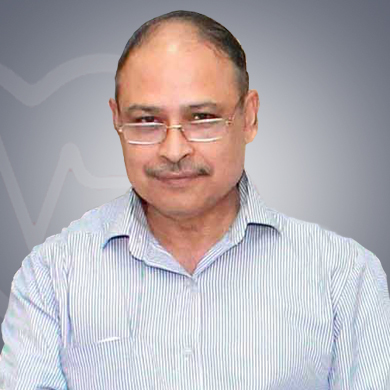
Dr Ashis Pathak is one of the most skillful Spine & Neurosurgeon in Mohali, India. The medical practitioner holds over 33 years of experience and is associated with Fortis Hospital.
Association and Memberships Dr. Ashis Pathak is part of:
- Indian Medical Association
- National Academy of Medical Sciences
- Neurological Society of India
- Neurotrauma Society of India
- Association of Spine Surgeons of India
- Indian Society for Pediatric Neurosurgery
- Indian Society for the Study of Pain
- Indian Society of Cerebrovascular Surgery
- Skull Base Surgery Society of India
Qualifications :
- MBBS
- MS (Neurosurgery)
- MCh (Neurosurgery)
Hospital Address :
Fortis Hospital Mohali, Sector 62, Sahibzada Ajit Singh Nagar, Punjab, India
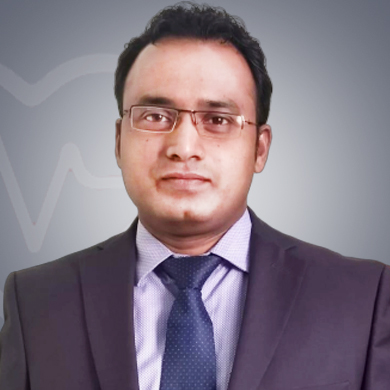
Dr. Pandurang Reddy M
Wockhardt Hospital, Umrao, India, Mumbai
Neurosurgeon • 23 years experience
Hindi EnglishDr Pandurang Reddy M is one of the foremost Neurosurgeon in Mumbai, India. The doctor holds over 15 years of experience and is associated with Wockhardt Hospital, Umrao.
Association and Memberships Dr. Pandurang Reddy M is part of:
- Congress of Neurological Surgeons (CNS)
- European Society for Minimally Invasive Neurological Therapy (ESMINT)
- Society of Neurovascular Interventions (SNVI)
- Indian Society of Cerebrovascular Surgeries
- Bombay Neuroscience's Association (BNA)
Certifications :
- Fellowship in Interventional Neuroradiology, University Hospital, Zurich (Switzerland)
Qualifications :
- MBBS
- DNB (Neurosurgery)
- MS (General Surgery)
Hospital Address :
Wockhardt Umrao Multy Speciality Hospital, Bharti Nagar, Mira Road East, Thane, Maharashtra, India
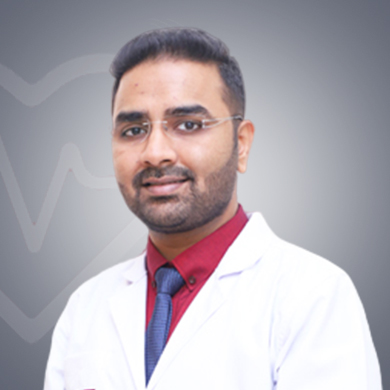
Dr. Abhishek A Karadkar
nanavati Super Speciality Hospital, India, Mumbai
Neurosurgeon • 16 years experience
Hindi EnglishDr Abhishek A Karadkar is one of the foremost Orthopaedics & Spine Surgeon in Mumbai, India. The medical specialist holds over 15 years of experience and is associated with Nanavati Super Speciality Hospital.
Association and Memberships Dr. Abhishek A Karadkar is part of:
- AO Spine
- Association of Spine Surgeons of India
- Bombay Spine Society
- Bombay Orthopaedic Society
- Association of Medical Consultants, Mumbai
Certifications :
- Advanced Training Course in Minimally Invasive Spine Surgery and ALIF, Clinique du Parc, Montpellier, France ·
- International Spine Surgeon Training Course in MIS and Endoscopic Spine Surgery, Wooridul Hospital, Seoul, South Korea
- Fellowship in Deformity Correction and Reconsructive Spinal Surgery, Seoul National University Bundang Hospital, South Korea
Qualifications :
- MS - Orthopaedics - Lokmanya Tilak Municipal Medical College, Sion,Mumbai, 2015
- MBBS - Lokmanya Tilak Municipal Medical College, Sion,Mumbai, 2008
- Fellowship training in Spine Surgery (M.U.H.S. Accredited Mentor),
- Fellowship in Minimally Invasive Spine Surgery, Kokilaben Dhirubai Ambani Hospital, Mumbai ·
- Fellowship in Spinal Surgery (Paediatric and Adult Deformity), Rigshospitalet, Copenhagen, Denmark ·
- Fellowship in Spinal Surgery (Paediatric and Adult Deformity), Royal National Orthopaedic Hospital (NHS), Stanmore, United Kingdom
Hospital Address :
Nanavati Super Speciality Hospital, LIC Colony, Suresh Colony, Vile Parle West, Mumbai, Maharashtra, India
Do you know?
Using MediGence’s Telemedicine Platform, you can book a personalized video consultation with renowned doctors around the world

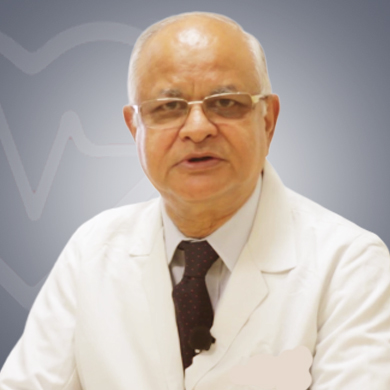
Dr. Pradeep Sharma
BLK-Max Super Speciality Hospital, India, Delhi
Bone and Joint Specialist • 30 years experience
Hindi EnglishDr Pradeep Sharma is one of the most skillful Orthopaedics & Joint Replacement Surgeon in New Delhi, India. The doctor holds over 35 years of experience and is associated with BLK-Max Super Speciality Hospital.
Association and Memberships Dr. Pradeep Sharma is part of:
- India Orthopedic Association
Certifications :
- Arthroplasty Fellowships - Sindelfingen, Germany and Sentinal Hospital, Los Angeles, U.S.A.
- Trauma Fellowship - Davos,Switzerland,Paediatric Orthopaedics - Alder Hey Childrenâs Hospital, Liverpool, U.K.
- Adult Reconstruction Surgery- Royal Liverpool Hospital & Joint Replacements Queen Mary Hospital, U.K.
Qualifications :
- MBBS
- MS (Ortho)
- MCh. (Ortho)
Hospital Address :
BLK Super Speciality Hospital, Prasad Nagar, Rajinder Nagar, New Delhi, Delhi, India
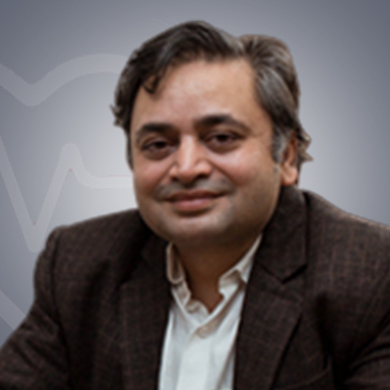
Dr Dewaker Sharma is one of the foremost Neurosurgeon in New Delhi, India. The clinician holds over 16 years of experience and is associated with IBS Hospital.
Association and Memberships Dr. Dewaker Sharma is part of:
- Delhi Medical Council
Qualifications :
- MBBS,DNB
Hospital Address :
IBS Hospital Lajpat Nagar, Block L, Lajpat Nagar III, Lajpat Nagar, New Delhi, Delhi
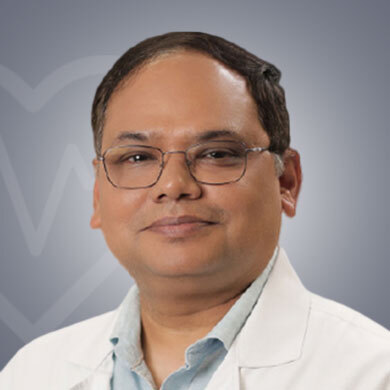
Dr Vikas Gupta is one of the most sought after Neurosurgeon in New Delhi, India. The medical specialist holds over 20 years of experience and is associated with IBS Hospital.
Association and Memberships Dr. Vikas Gupta is part of:
- Neurological Society of India
- Delhi Neurological Association
- Member of AO Spine
Qualifications :
- MCh
- MBBS
- MS
Hospital Address :
IBS Hospital Lajpat Nagar, Block L, Lajpat Nagar III, Lajpat Nagar, New Delhi, Delhi

Dr. Pradeep Sharma
Manipal Hospital, Dwarka, India, Delhi
Neurosurgeon • 40 years experience
Hindi EnglishDr Pradeep Sharma is one of the best Neurosurgeon in New Delhi, India. The medical practitioner holds over 10 years of experience and is associated with Manipal Hospital, Dwarka.
Association and Memberships Dr. Pradeep Sharma is part of:
- Delhi Neurological Association
- Neurological Society of India
- AO spine society
Certifications :
- Arthroplasty Fellowships - Sindelfingen, Germany and Sentinal Hospital, Los Angeles, U.S.A.
- Trauma Fellowship - Davos,Switzerland,Paediatric Orthopaedics - Alder Hey Childrens Hospital, Liverpool, U.K.
- Adult Reconstruction Surgery- Royal Liverpool Hospital & Joint Replacements Queen Mary Hospital, U.K.
Qualifications :
- MBBS
- MS
- MCh
Hospital Address :
Manipal Hospital Dwarka, Palam Vihar, Sector 6 Dwarka, Dwarka, New Delhi, Delhi, India
Medical Expertise of Dr. Pradeep Sharma
- Dr. Pradeep Sharma is a master of Neurosurgery
- His medical expertise includes Cerebrovascular Neurosurgery, Minimally invasive spine sub-specialities of neurosurgery, Cranio-vertebral Junction anomalies, Odontoid fractures, Pituitary tumors, Trigeminal neuralgia with the endoscopic approach, Neuro-oncology: surgery for brain tumours, Epilepsy surgery, and Pediatric Neuro-Surgery
- Dr. Pradeep Sharma is an efficient and reputed Neurosurgeon in Delhi
- He was a Gold Medalist in his Masters in General Surgery from University College of Medical Science & Guru Teg Bahadur Hospital
- Dr. Pradeep sharma is a member of AO spine society and life member of the Delhi Neurological Association and Neurological Society of India
- He is an expert in cerebrovascular neurosurgery, minimally invasive spine sub-specialties of neurosurgery, craniovertebral junction anomalies, odontoid fractures, and pituitary tumors
- He has the passion to build trust provide the highest standards of medical excellence, scientific knowledge, and patient care

Dr. Saurabh Verma
Manipal Hospital, Dwarka, India, Delhi
Neurosurgeon • 19 years experience
Hindi EnglishDr Saurabh Verma is one of the top Neurosurgeon in New Delhi, India. The medical specialist holds over 15 years of experience and is associated with Manipal Hospital, Dwarka.
Association and Memberships Dr. Saurabh Verma is part of:
- Asia Pacific Orthopaedics Association
- Association of Spine Surgeons of India
- Indian Orthopaedic Association
- Delhi Orthopedic Association
- Indian Science Communication Society(ISCOS)
Certifications :
- Fellowship In Spine Surgery NUH, Singapore
- Fellowship In SPINE, New Delhi D.N.B. (Orthopaedic Surgery)
- Fellowship - Lok Nayak Hospital, 2006 - 2006
- FNB - Spine Surgery - Indian Spinal Injury Center, 2017
Qualifications :
- MS
- Diploma (Anesthesiology)
- MBBS
Hospital Address :
Manipal Hospital Dwarka, Palam Vihar, Sector 6 Dwarka, Dwarka, New Delhi, Delhi, India
Medical Expertise of Dr. Saurabh Verma
- Dr. Saurabhâs medical interests lies in managing and treating all forms of Orthopedic Trauma Surgeries and Spine Ailments. He specializes in Spine & Pain Surgery, Pain Management, and Joint Replacement Surgery.
- Treatments provided by him are Acetabular Fixation, Cemented & Cementless Total Hip Replacement, BHR with stem, BMHR, Minimally Invasive Hip Resurfacing, ACL Reconstruction, High Tibial Osteotomy, PCL Reconstruction, Arthrodesis, Meniscal Repair, Knee Meniscectomy, Ankle & Shoulder Arthroscopy, and many others.
- Dr. Saurabh has been known to be a well-experienced Spine surgeon
- He has received training from one of the top medical institutions - Indian Spinal Injuries Center, New Delhi.
- He is qualified & prestigious member of Asia Pacific Orthopaedics Association, Association of Spine Surgeons of India, Indian Orthopaedic Association, Delhi Orthopedic Association, ISCoS, Organizing Committee of ISSICON, and lifetime member of ISKSSA
- Dr. Saurabh has been authored in various spine deformities-related articles
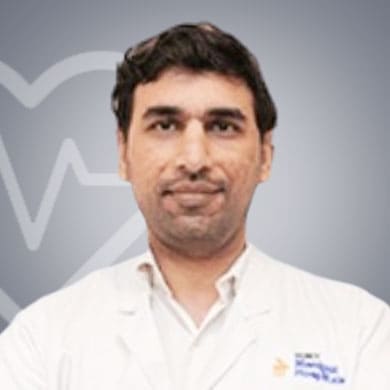
Dr. Amit Kumar Singh
Manipal Hospital, Dwarka, India, Delhi
Neurosurgeon • 13 years experience
Hindi EnglishDr Amit Kumar Singh is one of the most skillful Neurosurgeon in New Delhi, India. The doctor holds over 13 years of experience and is associated with Manipal Hospital, Dwarka.
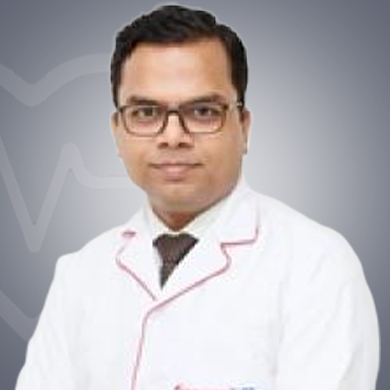
Dr. Aaditya Kashikar
Wockhardt Hospital, Umrao, India, Mumbai
Neurosurgeon • 14 years experience
Hindi EnglishDr Aaditya Kashikar is one of the leading Orthopaedics & Spine Surgeon in Thane, India. The medical specialist holds over 14 years of experience and is associated with Wockhardt Hospital, Umrao.
Association and Memberships Dr. Aaditya Kashikar is part of:
- Association of Spine Surgeons Of India (ASSI)
- North American Spine Society (NASS)
- Bombay Spine Club (BSC)
- Bombay Orthopaedic Society (BOS)
Certifications :
- pine Fellowhip under the able guidance of Dr. S.Y.Bhojraj.
Qualifications :
- MS
- DNB
- MBBS
Hospital Address :
Wockhardt Umrao Multy Speciality Hospital, Bharti Nagar, Mira Road East, Thane, Maharashtra, India
Medical Expertise of Dr. Aaditya Kashikar
- Medical expertise of Dr. Aaditya Kashikar is in Spine Surgery and General Orthopaedics.
- Spine degeneration, deformity, tuberculosis & other spinal infections, tumours & traumatic fractures of the spine are his specialties.
- Resolution of Back pain, sciatica, neck pain, radiating limb pain, walking issues, weakness in limbs, claudication & bowel-bladder issues related to spine.
- Spine Foundation Fellowship, Mumbai, International Fellowship in Minimally Invasive Spine Surgery from Rush University and Medical Centre, Chicago, USA and other Short term fellowships.
- He has been associated with Lilavati hospital, VN Desai hospital, Breach Candy hospital and Wockhardt hospital, Mumbai.â
- He has been a member of BOS, BSC, ASSI, NASS, AO SPINE for a long time.
- Dr. Aaditya Kashikar has national and international presentations & publications in the field of Spine to his credit and has undertaken philanthropic commitments.
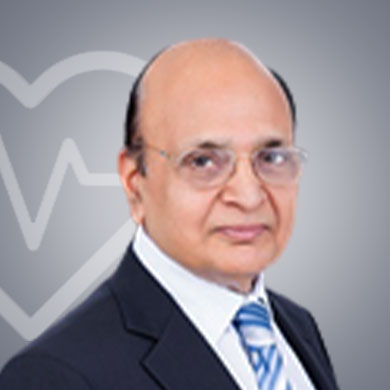
Dr. Santosh Sharma
NMC Royal Hospital, DIP, United Arab Emirates, Dubai
Neurosurgeon • 30 years experience
English HindiSantosh Sharma is a specialized Brain and Spine Specialist. And one of the most sought after medical specialists in United Arab Emirates. The doctor has 30 Years of experience and is associated with , one of the best hospitals in Dubai, United Arab Emirates.
What is the medical expertise of Dr Santosh Sharma?
- Dr Santosh Sharma has more than 30 years of experience as a neurosurgeon. His areas of expertise include hydrocephalus, stroke, neuroimaging, Parkinson's disease, brain surgery, Alzheimer's and meningitis.
- He is a part of organizations such as the Neurological Society of India and the Emirates Neuroscience Society. Dr Sharma is an associate member of the American Association of Neurological Surgeons.
- Dr Sharma is a Fellow of the Royal College of Surgeons of Edinburgh, UK.
- Over the course of his career, Dr Sharma has published many research papers in national and international journals of repute. Some publications include:
- Hazarika P, Zachariah PK, Victor J, Punnoose SE, Sharma S, Devi C. Frontal sinus osteoma: a difficult surgical decision in the era of endoscopic sinus surgery. Am J Otolaryngol. 2011 Nov-Dec;32(6):611-4.
- Ljunggren B, al Refai M, Sharma S, Fodstad H, Hutchings R. Functional recovery after a near complete traumatic deficit of the cervical cord lasting more than 24 h. Br J Neurosurg. 1992;6(4):375-80.
- He has also authored several books such as "History and epidemiology of SAH & cerebrovascular malformations in New Trends in Management of cerebrovascular malformations" Springer Verlag Publishers.
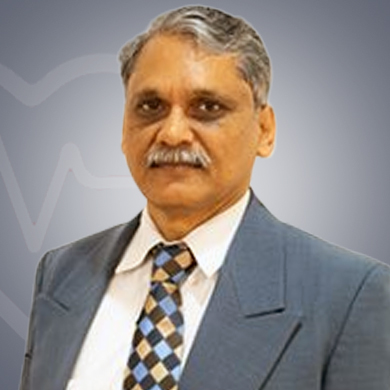
Dr. Shanti Shankar Praharaj
Fortis Hospital, India, Bangalore
Neurosurgeon • 39 years experience
English KannadaDr. Shanti Shankar Praharaj is one of the top Spine & Neurosurgeon in Bengaluru, India. The clinician holds over 29 years of experience and is associated with Fortis Hospital.
Association and Memberships Dr. Shanti Shankar Praharaj is part of:
- Neurological Society of India
- Neuro-Otological Society India
- Asian Congress of Neurosurgeons
Qualifications :
- MBBS
- MS (General Surgery)
- DNB (Neurology)
- MCh (Neuro Surgery)
Hospital Address :
Fortis Hospital, Sahyadri Layout, Panduranga Nagar, Bangalore, Karnataka, India
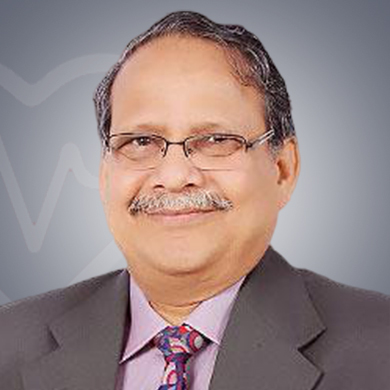
Dr. Prathap Kumar Pani
BGS Gleneagles Global Hospitals, India, Bangalore
Neurosurgeon • 42 years experience
Kannada EnglishDr Prathap Kumar Pani is one of the leading Spine & Neurosurgeon in Bengaluru, India. The doctor holds over 30 years of experience and is associated with BGS Gleneagles Global Hospitals.
Association and Memberships Dr. Prathap Kumar Pani is part of:
- Neurological Society of India
Qualifications :
- MBBS
- MS
- MCh
Hospital Address :
BGS Gleneagles Global Hospitals, Sunkalpalya, Bengaluru, Karnataka, India
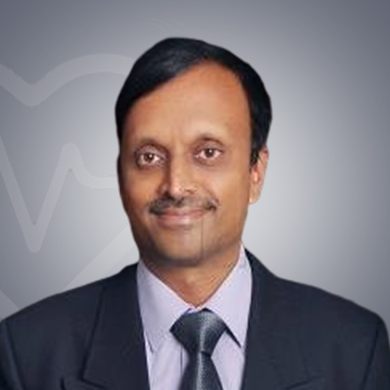
Dr. Satish Sathyanarayana
Fortis Hospital, India, Bangalore
Neurosurgeon • 35 years experience
Kannada EnglishDr Satish Sathyanarayana is one of the most skillful Spine & Neurosurgeon in Bengaluru, India. The clinician holds over 32 years of experience and is associated with Fortis Hospital.
Association and Memberships Dr. Satish Sathyanarayana is part of:
- Neurological Society of India
- Skull Base Society of India
- Indian Medical Association (IMA)
Qualifications :
- MBBS - Bangalore Medical College and Research Institute, Bangalore, 1989
- MCh - Neuro Surgery - National Institute of Mental Health and Neurosciences (NIMHANS), 1988
- DNB - Neurosurgery - National Board Of Examination, 1995
Hospital Address :
Fortis Hospital, Sahyadri Layout, Panduranga Nagar, Bangalore, Karnataka, India
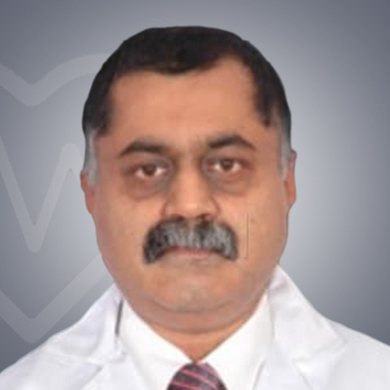
Dr. Ganesh K Murthy
Apollo Hospitals Bannerghatta, India, Bangalore
Neurosurgeon • 34 years experience
Kannada EnglishDr Ganesh K Murthy is one of the foremost Spine & Neurosurgeon in Bengaluru, India. The clinician holds over 30 years of experience and is associated with Apollo Hospitals Bannerghatta.
Association and Memberships Dr. Ganesh K Murthy is part of:
- Medical Council of India (MCI)
Qualifications :
- DNB
- MS
- MBBS
Hospital Address :
Apollo Hospitals Bannerghatta Road - Best Hospital in bangalore, Krishnaraju Layout, Amalodbhavi Nagar, Panduranga Nagar, Bengaluru, Karnataka, India