Your Notifications
All done, no notifications

Best Hospitals for Transplants in Malaysia

7 Hospitals

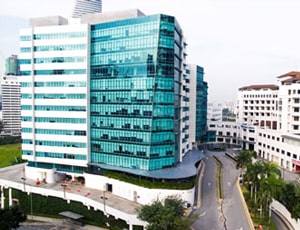
Prince Court Medical Centre: Top Doctors, and Reviews

Kuala Lumpur, Malaysia

Number of Beds: 277

Year of Establishment: 2007

Average
Average

The Transplant Department in Prince Court Medical Centre in Malaysia offers organ transplantation procedures, including kidney, liver, heart, lung, pancreas, and intestinal transplants. It involves evaluating recipients, matching suitable donors (living or deceased), and performing complex surgeries followed by lifelong immunosuppressive therapy to prevent rejection. A multidisciplinary team includes transplant surgeons, hepatologists, nephrologists, immunologists, and coordinators.

Post-transplant monitoring in Malaysia is critical to detect complications like organ rejection, infection, and medication side effects. The transplant department also handles ABO-incompatible and pediatric transplants using advanced techniques. Innovations like robotic surgery, desensitisation protocols, and organ preservation methods have improved success rates.


    Accreditation

Please Enquire

Required | alphabets and spaces
Required | A valid, working email address
Required | A valid contact
Parkway Pantai: Top Doctors, and Reviews

Kuala Lumpur, Malaysia

Average
Average
Awards
  • Excellence in Healthcare Services in 2019 - Awarded by APAC Insider for Parkway Pantai's exceptional healthcare services and high patient satisfaction.
  • Best Healthcare Brand in 2018 - Awarded by Influential Brands for Parkway Pantai's contribution to the healthcare industry and patient care.
  • Best Hospital Group in 2017 - Awarded by HR Asia for Parkway Pantai's commitment to employee welfare and development, which ultimately benefits the patients.
  • Best Private Healthcare Provider in Asia-Pacific in 2016 - Awarded by Global Health and Travel for Parkway Pantai's exceptional healthcare services and facilities.
  • Best Healthcare Provider in Southeast Asia in 2015 - Awarded by MIMS for Parkway Pantai's exceptional medical services, innovative technology, and patient care

    Accreditation
  • Joint Commission International, or JCI
Sunway Medical Centre: Top Doctors, and Reviews

Kuala Lumpur, Malaysia

Number of Beds: 724

Year of Establishment: 1999

Average
Average

Kuala Lumpur's Sunway Medical Centre provides various transplant services, including stem cell and kidney transplants.

With a 90% 10-year survival record for recipients of living donor transplants, the Kidney Transplant Centre offers both living and deceased donor choices. The Bone Marrow Transplant Centre uses a cutting-edge haematology facility with sophisticated equipment for processing and storing stem cells, and specialises in both autologous and allogeneic stem cell transplants.

The hospital's dedication to providing top-notch care following international standards is demonstrated by its accreditation by the Malaysian Society for Quality in Health (MSQH) and the Australian Council on Healthcare Standards (ACHS). Its proficiency in various medical specialisations has also been highlighted by its recognition in Newsweek's Asia's Top Private Hospitals 2025 rating.


    Accreditation
  • The Australian Council on Healthcare Standards (ACHS)
ParkCity Medical Centre: Top Doctors, and Reviews

Kuala Lumpur, Malaysia

Average
Average

Parkcity Medical Centre in Kuala Lumpur is a leading private hospital in Malaysia, renowned for its pioneering work in transplant medicine. It was the first private hospital in the country to perform a bone marrow transplant in 1999 and has since built a strong BMT program for adults and children. Parkcity Medical Centre also performed Malaysia’s first open-heart surgery and pediatric liver transplants. Equipped with advanced technology and staffed by experienced specialists, the hospital offers a range of transplant services, including stem cell transplants. Parkcity Medical Centre is known for its clinical excellence, innovation, and multidisciplinary approach, making it a leader in Malaysian healthcare.

ParkCity Medical Centre in Kuala Lumpur has been JCI-accredited. It also holds MSQH accreditation. The centre maintains high standards of care and offers treatment for vascular and thoracic conditions, ensuring quality outcomes and patient satisfaction.


    Accreditation
  • Joint Commission International, or JCI
Subang Jaya Medical Centre: Top Doctors, and Reviews

Kuala Lumpur, Malaysia

Number of Beds: 442

Year of Establishment: 1985

Average
Average

Subang Jaya Medical Centre (SJMC) in Kuala Lumpur is a leading private hospital in Malaysia, renowned for its pioneering work in transplant medicine. It was the first private hospital in the country to perform a bone marrow transplant in 1999 and has since built a strong BMT program for adults and children. SJMC also performed Malaysia’s first open-heart surgery and pediatric liver transplants. Equipped with advanced technology and staffed by experienced specialists, the hospital offers various transplant services, including stem cell transplants. SJMC is known for its clinical excellence, innovation, and multidisciplinary approach, making it a leader in Malaysian healthcare.

Subang Jaya Medical Centre (SJMC) in Kuala Lumpur is accredited by Joint Commission International (JCI) and ISO, reflecting its commitment to global healthcare standards.


    Accreditation
  • Joint Commission International, or JCI

Please Enquire

Required | alphabets and spaces
Required | A valid, working email address
Required | A valid contact
Ara Damansara Medical Centre: Top Doctors, and Reviews

Kuala Lumpur, Malaysia

Average
Average

The Transplant Department in Ara Damansara Medical Centre in Malaysia offers organ transplantation procedures, including kidney, liver, heart, lung, pancreas, and intestinal transplants. It involves evaluating recipients, matching suitable donors (living or deceased), and performing complex surgeries followed by lifelong immunosuppressive therapy to prevent rejection. A multidisciplinary team includes transplant surgeons, hepatologists, nephrologists, immunologists, and coordinators.

Post-transplant monitoring in Malaysia is critical to detect complications like organ rejection, infection, and medication side effects. The transplant department also handles ABO-incompatible and pediatric transplants using advanced techniques. Innovations like robotic surgery, desensitisation protocols, and organ preservation methods have improved success rates.


    Accreditation
  • Joint Commission International, or JCI
Bukit Tinggi Medical Centre: Top Doctors, and Reviews

Kuala Lumpur, Malaysia

Number of Beds: 171

Year of Establishment: 2016

Average
Average

Bukit Tinggi Medical Centre in Kuala Lumpur is a leading private hospital in Malaysia renowned for its pioneering work in transplant medicine. The Hospital also performed Malaysia’s first open-heart surgery and pediatric liver transplants. Equipped with advanced technology and staffed by experienced specialists, the hospital offers various transplant services, including stem cell transplants. Bukit Tinggi Medical Centre is known for its clinical excellence, innovation, and multidisciplinary approach, making it a leader in Malaysian healthcare.

Bukit Tinggi Medical Centre (BTMC) is accredited by the Malaysian Society for Quality in Health (MSQH), reflecting adherence to national healthcare standards.


    Accreditation

Ask your healthcare adviser for the best multiple options and choose the one that meets your expectations

Request for an Expert Opinion

Required | alphabets and spaces
Required | A valid, working email address
Required | A valid contact

Featured Telemedicine Doctors

Transplant care in Malaysia is known for its skilled doctors and modern hospitals. Patients receive safe, high-quality treatment using advanced medical tools, whether it's a kidney, liver, or bone marrow transplant. The country follows strict safety protocols to ensure procedures are conducted correctly.

People from other countries choose Malaysia because the costs are significantly lower than in the US or Europe. Hospitals also offer comprehensive support, including assistance with travel, language, and recovery. With friendly care teams and clean, well-equipped centres, patients feel supported every step of the way.

Why Choose a Transplant Hospital in Malaysia?

Here are some simple reasons why you should go to a Transplant hospital in Malaysia:

  • Skilled and Experienced Doctors: Transplant surgeons are highly trained, often with international experience, and follow global safety and care standards.
  • Advanced Medical Technology: Hospitals have modern tools and systems for complex transplants.
  • Affordable Treatment Without Quality Loss: Patients can save up to 60% compared to US or European prices, while still receiving the same high level of medical attention and safety.
  • High Success Rates and Compassionate Care: Transplant centres in Malaysia focus on safety, comfort, and long-term recovery.
  • Shorter Waiting Times: Unlike in some countries, patients typically experience minimal delays for transplant procedures, allowing for timely treatment.
  • Clean and Comfortable Facilities: Hospitals offer clean, well-equipped rooms and recovery areas to ensure patients and their families feel safe and cared for.

Common Transplant Treatments

International Patient Support for Transplant in Malaysia

Leading Transplant hospitals in Malaysia give special care to international patients, making the journey smooth and stress-free. These services include:

  • Easy Rides to the Hospital: Friendly drivers ensure you arrive at the hospital safely and without stress, and return home without incident.
  • Clear Communication with Doctors: Language helpers (translators) can help you and your doctor understand each other well.
  • Support Every Step of the Way: A caring team is with you from your first check-up to your full recovery.
  • Travel and Visa Assistance: Our staff will guide you through travel plans and handle visa paperwork to save you time and worry.
  • Cosy Places to Stay: Hospitals often offer relaxing rooms or can help book nearby hotels, ensuring you and your family are well taken care of.
  • Check-ins After Surgery: Even after you go home, doctors or nurses will continue to check on you online or by phone to monitor your recovery.
  • Quick Appointments: No long waiting! Special slots are available so you can get tests or check-ups more quickly.
  • Caring Follow-Up Calls: Your care doesn’t stop at the hospital—doctors call later to see how you're doing.

Patient Stories

FAQ's Related to Malaysia

Which are the popular multispecialty hospital groups in Malaysia?

The popular hospital groups in Malaysia are Beverly Wilshire Medical Group, Kuala Lumpur; Parkway Pantai, Kuala Lumpur; Gleneagles Hospital, Kuala Lumpur; and KPJ Ampang Puteri Specialist Hospital, Ampang. Malaysian Hospitals, with well-trained staff and excellent facilities, are on par with well-developed countries and have shown significant improvement in the last ten years. These hospitals are more focused on providing quality treatment and are supported by the latest medical technologies and excellent infrastructure. The Malaysian government extends large support to hospitals through boosting investments in medical infrastructure.

What healthcare accreditation standards are followed in Malaysia?

The process of receiving healthcare accreditation in Malaysia is very stringent and the hospitals are strictly evaluated on quality parameters. MSQH is focusing on strengthening the quality of healthcare by partnering with Malaysia’s Ministry of Health, Association of Private Hospitals Malaysia and Malaysian Medical Association. Total 12 hospitals in Malaysia have JCI certification and each of them complies with the global standards. The hospitals in Malaysia follow the healthcare standards set by Malaysian Society for Quality in Health (MSQH) and JCI.

Why should I opt for healthcare in Malaysia?

An emerging global giant in medical tourism, Malaysia has one of the most strong healthcare systems in the world supported by solid governmental participation in the market and public-private healthcare collaboration. Malaysia has achieved high success rates in fertility treatments and cardiology with world-class hospitals. Malaysia not only offers world-class, affordable treatment to medical tourists but also enhances their overall wellbeing through its food, cultural diversity, and heritage spots. Malaysia has received worldwide recognition for its excellent healthcare system mainly attributed to advanced technology, modern infrastructure, and highly trained medical professionals.

How is the quality of doctors in Malaysia?

Malaysia has a very stringent evaluation process for doctor’s certification and all medical professionals have to complete three years of service in the public sector to ensure they have achieved an extreme level of professionalism. Medical professionals in Malaysia have received education and training as per modern-day best practices in healthcare, with most of them having studied in world-class universities abroad. The doctors in Malaysia have deep expertise in their specialty area and most of them are trained internationally before they start work in their home country. Doctors in Malaysia have received worldwide recognition for their high success rates in IVF and cardiac procedures.

How to obtain a medical visa in Malaysia?

Below things are required for obtaining an eVisa:

  • Two recent passport size photographs
  • Valid passport
  • Two blank pages on the passport
  • Medical certificate issued by the registered medical practitioner
  • Details of the person travelling
  • Civil status certificate
  • Travelling and accommodation details
Malaysian Healthcare Travellers Program (MHTP) allows all medical tourists to apply for eVISA for traveling to Malaysia and residing there for a period of 30 days. eVISA remains valid for 3 months and it can be availed through online platforms. Two attendants can accompany the patient to Malaysia under Medical Attendant Visa.
What are the popular procedures available in Malaysia?

Hospitals and clinics in Malaysia are equipped with the latest technology to perform Assisted Reproductive Technique (ART) procedures such as In Vitro Fertilization (IVF), which has a marvelous success rate of 55 to 60. Cancer treatment through gene therapy is becoming popular in Malaysia as this novel technique guarantees reduced treatment costs, shorter treatment time, minimal adverse effects of current chemo-drugs. With recent advancements in orthopedic technologies, Malaysia offers some effective procedures such as hip replacement, shoulder replacement, knee replacement surgery. Malaysia is known for providing some popular procedures, with high success rates, such as prostate surgery, cosmetic surgery, dental work, vitiligo treatment, cancer care, discectomy.

Which are the most popular cities in Malaysia for medical treatments?

Both Penang and Kuala Lumpur are the centres of attraction for medical tourists as they are serviced by airlines from around the world; have a number of reasonably-priced hotel rooms and an excellent public transportation system. Malaysia has some top cities having world-class hospitals, such as Kuala Lumpur, Ampang, Penang, Malacca, and Kota Kinabalu. Backed by world-class hospitals with highly professional and talented hospitals and modern infrastructure, Malaysia delivers unmatched treatment. A large number of hospitals, scenic value, rich culture, availability of translators, and safety of tourists also contribute to the popularity of these cities in medical tourism.

Is it mandatory to take vaccinations before going to Malaysia?

Before a trip to Malaysia, you can get pre-exposure vaccination against rabies. Children are more vulnerable. If you are coming from a country with a high risk of Yellow Fever, you might need an International Certificate of Vaccination. The vaccines which are recommended before travel to Malaysia are:

  • Hepatitis A,
  • Covid
  • Hepatitis B,
  • Typhoid
  • Yellow fever
  • Japanese encephalitis
  • Rabies
  • Meningitis
  • Polio
  • Measles
It is always suggested that a person traveling to Malaysia get Japanese encephalitis vaccination.