Browse verified doctors or let our care team help you find the doctor best suited to your condition, treatment goals, and budget.
Prince Court Medical Centre provides specialised Proton Therapy with a focus on precise radiation delivery, advanced treatment planning, and individualized cancer care. Established in 2007, the MSQH accredited hospital is located in Kuala Lumpur, Malaysia and operates 277 beds, with modern proton therapy, radiation oncology, imaging, treatment-planning, and supportive-care infrastructure.
Proton Therapy can be an appropriate radiation treatment option for selected patients when the physical characteristics of proton beams may provide a dosimetric advantage over conventional radiation. Treatment planning considers tumor type, size, location, proximity to sensitive organs, previous treatments, age, overall health, and the intended treatment goal. A detailed multidisciplinary evaluation and comparative radiation planning help determine whether Proton Therapy offers a meaningful clinical advantage and establish the appropriate treatment schedule.
At Mount Elizabeth Novena Hospital, Proton Therapy is performed using specialized proton beam technology and comprehensive pre-treatment imaging and radiation oncology assessment. Established in 2012, this JCI accredited hospital in Novena, Singapore has 313 beds and offers advanced radiation oncology and multidisciplinary cancer-care services.
Proton Therapy may be considered for selected tumors where reducing radiation exposure to nearby critical structures is clinically important. It can be used in the treatment of certain pediatric cancers and tumors involving the brain, spine, head and neck, and other areas depending on the diagnosis. Before treatment, imaging is used to precisely define the tumor and surrounding organs, allowing the radiation oncology team to develop an individualized proton treatment plan.
Parkway Pantai offers advanced Proton Therapy using modern proton beam radiation technology and individualized radiation oncology care plans. Established in 1974, the JCI, MSQH accredited hospital is located in Kuala Lumpur, Malaysia and has 499 beds, providing comprehensive cancer treatment services for local and international patients.
Proton Therapy is an advanced form of external beam radiation therapy that uses high-energy protons to deliver radiation to tumors. Unlike conventional photon radiation, protons can be planned to release most of their energy within the targeted area, with a reduced exit dose beyond the tumor. This physical property may help limit radiation exposure to surrounding healthy tissues in appropriately selected patients.
Bangpakok 9 International Hospital is a trusted healthcare provider for Proton Therapy, offering precision radiation treatment supported by experienced radiation oncologists, medical physicists, radiation therapists, dosimetrists, advanced imaging specialists, and multidisciplinary cancer teams. Established in 2003, the JCI, GHA- accredited hospital is situated in Bangkok, Thailand and has 300 beds.
Proton Therapy delivers a controlled dose of radiation using charged proton particles directed toward a defined treatment target. Treatment planning takes advantage of the characteristic depth-dose distribution of protons to concentrate radiation within the tumor while potentially reducing unnecessary dose to nearby healthy tissue. The potential benefits depend on tumor location, anatomy, treatment plan, and the patient's individual clinical circumstances.
At Medipol Bahçelievler Hospital, Proton Therapy is performed using specialized proton beam technology and comprehensive pre-treatment imaging and radiation oncology assessment. Established in 2022, this JCI accredited hospital in Istanbul, Turkey has 441 beds and offers advanced radiation oncology and multidisciplinary cancer-care services.
Proton Therapy may be considered for selected tumors where reducing radiation exposure to nearby critical structures is clinically important. It can be used in the treatment of certain pediatric cancers and tumors involving the brain, spine, head and neck, and other areas depending on the diagnosis. Before treatment, imaging is used to precisely define the tumor and surrounding organs, allowing the radiation oncology team to develop an individualized proton treatment plan.
Choosing ParkCity Medical Centre for Proton Therapy gives patients access to experienced radiation oncology specialists, advanced proton beam equipment, computerized treatment planning, image-guided radiation technology, and structured follow-up care. Established in 2012, the JCI accredited hospital in Kuala Lumpur, Malaysia has 300 beds and provides specialized precision radiation treatment services.
Proton Therapy is delivered using a specialized treatment system that accelerates protons to therapeutic energies and directs them toward the treatment area. Patients typically undergo simulation and imaging before treatment to determine the appropriate positioning and radiation dose. Depending on the diagnosis and treatment plan, therapy may be delivered over multiple sessions. Patients are monitored for treatment-related effects, which vary according to the treated site, radiation dose, and other therapies received.
At Gleneagles Hospital Mumbai, Proton Therapy is performed using specialized proton beam technology and comprehensive pre-treatment imaging and radiation oncology assessment. Established in 1996, this JCI accredited hospital in Mumbai, India has 450 beds and offers advanced radiation oncology and multidisciplinary cancer-care services.
Proton Therapy may be considered for selected tumors where reducing radiation exposure to nearby critical structures is clinically important. It can be used in the treatment of certain pediatric cancers and tumors involving the brain, spine, head and neck, and other areas depending on the diagnosis. Before treatment, imaging is used to precisely define the tumor and surrounding organs, allowing the radiation oncology team to develop an individualized proton treatment plan.
At Subang Jaya Medical Centre, Proton Therapy is performed using specialized proton beam technology and comprehensive pre-treatment imaging and radiation oncology assessment. Established in 1985, this JCI accredited hospital in Kuala Lumpur, Malaysia has 442 beds and offers advanced radiation oncology and multidisciplinary cancer-care services.
Proton Therapy may be considered for selected tumors where reducing radiation exposure to nearby critical structures is clinically important. It can be used in the treatment of certain pediatric cancers and tumors involving the brain, spine, head and neck, and other areas depending on the diagnosis. Before treatment, imaging is used to precisely define the tumor and surrounding organs, allowing the radiation oncology team to develop an individualized proton treatment plan.
Delhi, India
Max Super Speciality Hospital, Patparganj provides specialised Proton Therapy with a focus on precise radiation delivery, advanced treatment planning, and individualized cancer care. Established in 2005, the NABH, NABL, AACI accredited hospital is located in Delhi, India and operates 400 beds, with modern proton therapy, radiation oncology, imaging, treatment-planning, and supportive-care infrastructure.
Proton Therapy can be an appropriate radiation treatment option for selected patients when the physical characteristics of proton beams may provide a dosimetric advantage over conventional radiation. Treatment planning considers tumor type, size, location, proximity to sensitive organs, previous treatments, age, overall health, and the intended treatment goal. A detailed multidisciplinary evaluation and comparative radiation planning help determine whether Proton Therapy offers a meaningful clinical advantage and establish the appropriate treatment schedule.
Hospital Quironsalud Barcelona provides specialised Proton Therapy with a focus on precise radiation delivery, advanced treatment planning, and individualized cancer care. Established in 1944, the JCI, ISO accredited hospital is located in Barcelona, Spain and operates 165 beds, with modern proton therapy, radiation oncology, imaging, treatment-planning, and supportive-care infrastructure.
Proton Therapy can be an appropriate radiation treatment option for selected patients when the physical characteristics of proton beams may provide a dosimetric advantage over conventional radiation. Treatment planning considers tumor type, size, location, proximity to sensitive organs, previous treatments, age, overall health, and the intended treatment goal. A detailed multidisciplinary evaluation and comparative radiation planning help determine whether Proton Therapy offers a meaningful clinical advantage and establish the appropriate treatment schedule.
Farrer Park Hospital provides specialised Proton Therapy with a focus on precise radiation delivery, advanced treatment planning, and individualized cancer care. Established in 2016, the accredited hospital is located in Singapore, Singapore and operates 220 beds, with modern proton therapy, radiation oncology, imaging, treatment-planning, and supportive-care infrastructure.
Proton Therapy can be an appropriate radiation treatment option for selected patients when the physical characteristics of proton beams may provide a dosimetric advantage over conventional radiation. Treatment planning considers tumor type, size, location, proximity to sensitive organs, previous treatments, age, overall health, and the intended treatment goal. A detailed multidisciplinary evaluation and comparative radiation planning help determine whether Proton Therapy offers a meaningful clinical advantage and establish the appropriate treatment schedule.
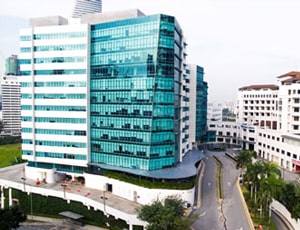
Medical Park Tokat Hospital offers advanced Proton Therapy using modern proton beam radiation technology and individualized radiation oncology care plans. Established in 2015, the JCI accredited hospital is located in Tokat, Turkey and has 157 beds, providing comprehensive cancer treatment services for local and international patients.
Proton Therapy is an advanced form of external beam radiation therapy that uses high-energy protons to deliver radiation to tumors. Unlike conventional photon radiation, protons can be planned to release most of their energy within the targeted area, with a reduced exit dose beyond the tumor. This physical property may help limit radiation exposure to surrounding healthy tissues in appropriately selected patients.
VM Medical Park Samsun Hospital is a trusted healthcare provider for Proton Therapy, offering precision radiation treatment supported by experienced radiation oncologists, medical physicists, radiation therapists, dosimetrists, advanced imaging specialists, and multidisciplinary cancer teams. Established in 2017, the JCI- accredited hospital is situated in Samsun, Turkey and has 300 beds.
Proton Therapy delivers a controlled dose of radiation using charged proton particles directed toward a defined treatment target. Treatment planning takes advantage of the characteristic depth-dose distribution of protons to concentrate radiation within the tumor while potentially reducing unnecessary dose to nearby healthy tissue. The potential benefits depend on tumor location, anatomy, treatment plan, and the patient's individual clinical circumstances.
At VM Medical Park Ankara, Proton Therapy is performed using specialized proton beam technology and comprehensive pre-treatment imaging and radiation oncology assessment. Established in 2014, this JCI accredited hospital in Ankara, Turkey has 327 beds and offers advanced radiation oncology and multidisciplinary cancer-care services.
Proton Therapy may be considered for selected tumors where reducing radiation exposure to nearby critical structures is clinically important. It can be used in the treatment of certain pediatric cancers and tumors involving the brain, spine, head and neck, and other areas depending on the diagnosis. Before treatment, imaging is used to precisely define the tumor and surrounding organs, allowing the radiation oncology team to develop an individualized proton treatment plan.
At Ekol, Proton Therapy is performed using specialized proton beam technology and comprehensive pre-treatment imaging and radiation oncology assessment. Established in 2000, this ISO accredited hospital in Izmir, Turkey it has adequate bed capacity and offers advanced radiation oncology and multidisciplinary cancer-care services.
Proton Therapy may be considered for selected tumors where reducing radiation exposure to nearby critical structures is clinically important. It can be used in the treatment of certain pediatric cancers and tumors involving the brain, spine, head and neck, and other areas depending on the diagnosis. Before treatment, imaging is used to precisely define the tumor and surrounding organs, allowing the radiation oncology team to develop an individualized proton treatment plan.
| Speciality | Oncology |
| Procedure | Proton Therapy |
| Success Rate | Varies as per stage, grade and type of cancer |
| Recovery Time | 4 to 6 weeks |
| Treatment Time | Several minutes per session (typically 5-7 weeks of treatment) |
| Chances of Recurrence | Varies as per stage, grade, type and location of cancer |

Cancer can be one of the most overwhelming traumatic events for a family, especially for families with children who have been diagnosed. If you are looking for world-class care, Singapore is one of Asia's leading centres