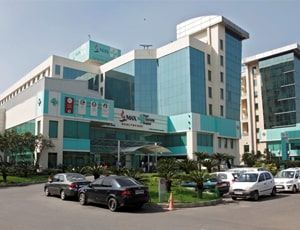
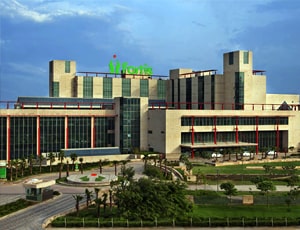
Burjeel Hospital in Abu Dhabi has an oncology department that is equipped with modern medical technology and world-class clinical expertise to provide comprehensive care for kidney cancer. Cancer patients are treated by oncologists and a multidisciplinary team of specialists from diagnosis to remission, from outpatient chemotherapy treatments to inpatient care. Chemotherapy (including biologically targeted therapy), hormone therapy, immunotherapy, or a combination of these treatments are available for kidney cancer.
Burjeel Hospital in Abu Dhabi has expert Nephrologists who specialize in all types of kidney problems, including cancer, and have advanced medical skills. Modern HD machines, advanced CT scans, Mri, and other diagnostic technologies are available at the center. The hospital provides the most effective kidney cancer treatment and has a team of experienced oncologists who specialize in this disease. They excellent technology and equipment to achieve the best possible results. Dr. Norbert W Dreier, Dr. Mohanad Diab, and Dr. Urfan Ul Haq are some of the oncology specialists at the hospital.


Ask your healthcare adviser for the best multiple options and choose the one that meets your expectations

| Speciality | Oncology |
| Procedure | Kidney Cancer Treatment |
| Success Rate | Varies as per stage, grade and type of cancer |
| Recovery Time | Few weeks to several months |
| Treatment Time | 2 and 3 hours |
| Chances of Recurrence | Varies as per stage, grade, type and location of cancer |
Kidney cancer treatment involves approaches like surgery, targeted therapy, immunotherapy, or a combination of these treatments. Radiation therapy and chemotherapy are also occasionally applied. Patients suffering from metastatic kidney cancer often receive multiple lines of therapy. Surgery is the most common form of kidney cancer treatment. Various types of surgeries include radical nephrectomy, partial nephrectomy, and laparoscopic and robotic nephrectomy.
Kidney cancer treatment is primarily focused on addressing renal cell carcinoma, which is the most common type of kidney cancer. Other medical conditions that can be treated through kidney cancer treatment include Wilms' tumor (a type of kidney cancer that primarily affects children), transitional cell carcinoma, and rare types of kidney tumors.
The recovery process after kidney cancer treatment varies depending on the treatment received and the individual patient. After surgery, patients may need weeks or months to heal and recover, and they may experience temporary discomfort or pain. Follow-up appointments and monitoring are important to detect any recurrence or new developments in the kidneys. In some cases, additional treatments or medications may be required to prevent or manage any potential complications.

Receiving a kidney cancer diagnosis is a life-altering moment, filled with a whirlwind of emotions and a daunting list of questions. Foremost among them is often, "What happens next?