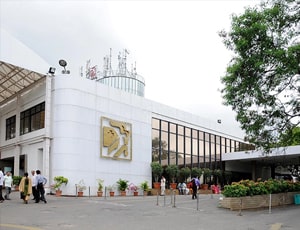
Wockhardt Hospital's team recommends regular screening tests and biopsies to ensure a timely diagnosis of kidney cancer. For the treatment of kidney cancer, there are several options available. Wockhardt Hospital's oncologists and oncosurgeons, along with a nephrologist, will review your case details, including any previous illnesses, prescription drugs, and comorbidities, and then devise the most effective treatment plan for you. The options include ablation therapy, biological therapy, radiation, hormone therapy, etc. The diagnostic techniques include CT scans, ultrasound, biopsy, etc.
If cancer is detected early, there are more treatment options available that may be minimally invasive and easily resolvable; however, surgery is considered the best treatment option in the later stages of cancer. If cancer has progressed to the stage of malignancy, doctors may recommend a combination of radiation therapy, chemotherapy, and surgery. The oncology center at Wockhardt Hospital's main goal is to protect kidney function and help patients return to a normal life after being treated for kidney cancer.

The cancer department at Global Health City offers comprehensive and individualized kidney cancer care for all patients. The diagnostic techniques for kidney cancer at the Global Health City include urinalysis, cytology, culture and sensitivity, renal function tests, blood tests, CT renal scanning, MRI or ultrasound, intravenous urogram (IVU), cystoscopy, renal angiography, CXR/ CT chest or PET CT, and renal biopsy.
Surgery is the primary treatment modality for renal cancers. The surgical options available at Global Health City include partial/ radical nephrectomy, minimally invasive procedures like radiofrequency (RF) ablation, cryoablation, microwave ablation, laser ablation and high-intensity focused ultrasound ablation, Chemotherapy, immunotherapy, or molecular therapy in case of advanced renal cell cancer. Global Health City also has laparoscopic and open surgery options for renal cell carcinoma (kidney cancer) such as Radical nephrectomy, Partial nephrectomy, and Radical nephroureterectomy. Dr. M.P. Ram Prabu and Dr. S. Rajasundaram are the renowned names associated with Global Health City for delivering excellent and successful cancer treatments.


The Medicana International Istanbul Hospital is renowned throughout the medical community for its top-notch kidney cancer care. One of the standout features of Medicana International Istanbul Hospital is its advanced cancer treatment capabilities. Providing state-of-the-art in-patient and outpatient services is a priority for the hospital. The hospital offers a variety of cutting-edge diagnostic tools and technologies, such as imaging tests like Multi-Slice CT, PET-CT, MRI, biopsy, and Ultrasound.
The Hospital offers a variety of kidney cancer treatment options, such as chemotherapy, radiation therapy, robot-assisted nephrectomy, immunotherapy, and more. Along with numerous other radiology procedures, the hospital also uses cyberknife technology to treat kidney cancer. The hospital provides robotic or minimally invasive laparoscopic nephrectomy. A keyhole approach to kidney removal surgery. The da Vinci robotic system can be used for kidney removal surgery. Robotic arms and 3D images are used by the surgeon during kidney surgery to ensure accuracy. The team of specialists at Medicana International Hospital has acquired years of practical training. The hospital offers excellent care to local and international patients alike. Prof. Cüneyt Erdoğan and Prof. Deniz Arslan are some of the oncologists in the hospital.

Kidney cancer treatment is provided at Memorial Antalya Hospital using the latest technology, global medical standards, and a patient-centered approach. The hospital offers innovative diagnostic facilities, including MR and CT rooms, path labs, etc., designed for the comfort of patients during radiological examinations. It has a 144-bed capacity and a contemporary campus measuring 22,000 m2. The hospital specializes in robotic and laparoscopic minimally invasive procedures, as well as kidney transplant surgery.
The hospital offers treatment options like targeted drug and molecule therapies and immunotherapy in addition to conventional chemotherapy, increasing success rates and enhancing quality of life after kidney cancer. The Nuclear Medicine Department at Memorial Health Group uses cutting-edge PET-CT technology for accurate imaging. The kidney cancer treatment program at Memorial Antalya Hospital is comprehensive and compassionate, and it is committed to excellence. Prof. Mustafa ?ZDOĞAN is a known medical oncologist working at Memorial Antalya Hospital.

The oncology division at the Medicana International Samsum Hospital is well-known in the medical community. The hospital is a cutting-edge location for kidney cancer treatment because it is furnished with all contemporary oncology technologies. The hospital's cutting-edge in-patient and outpatient services draw patients from all over the world, including those who live nearby. The hospital provides a wide range of state-of-the-art diagnostic equipment, including imaging tests like Multi-Slice CT, PET-CT, MRI, biopsy, and ultrasound.
Chemotherapy, radiation therapy, robot-assisted nephrectomy, and immunotherapy are just a few of the kidney cancer treatments available at Medicana International Samsun Hospital. These may be applied individually or in combination. The hospital also offers robotic minimally invasive technology, laparoscopic nephrectomy, and cyberknife technology. When there is a large tumor, experts will occasionally remove the entire kidney through a keyhole. Kidney transplant surgery might be necessary in some kidney cancer cases. The hospital houses the Da Vinci robotic system, which can be used for kidney removal surgery. The surgeon uses robotic arms and 3D images during surgery to ensure precision. Prof. İdris Yücel and Yusuf Günaydın are some of the oncology specialists at Medicana International Samsun Hospital.

The Oncology Care Centre at the NMC Royal Hospital is a full-service Oncology Care Centre committed to providing high-quality cancer care through a distinctive multi-specialty approach. Patients will have a pleasant treatment experience owing to the comprehensive and focused approach, as well as the advanced facilities. There are numerous cancer diagnoses and medical/surgical treatment options. An expert team of board-certified Oncology Consultants is supported by a strong multi-disciplinary team of specialists from relevant departments.
Each patient's treatment plan is reviewed by a board of specialists from various fields, which is unique among cancer centers in the region. To ensure that all patients receive excellent care, the hospital strives to incorporate new technologies such as X-Rays, CT scans, MRIs, and ultrasounds. Laparoscopic, minimally invasive, and general tumor removal surgeries are available at the hospital, which is fully equipped with latest technology. Dr. Gokul Sathyarathnam and Dr. Mohamad Azzam Ziade are the onco specialists at the hospital.

The oncology department at Medicana Ankara Hospital is well-known in the medical community for both its state-of-the-art modern technology and its excellent success rates in treating cancer. People travel from all over the world to Medicana Ankara for the advanced oncology treatments available there. Imaging tests like Multi-Slice CT, PET-CT, MRI, biopsy, and ultrasound are among the diagnostic methods offered by the hospital. Chemotherapy, radiation therapy, surgery, and immunotherapy are possible treatment modalities. To develop a personalized treatment plan, the doctors carefully review every patient report.
Additionally, the patient is given the choice between laparoscopic and minimally invasive treatment options by the hospital. In addition, patients have access to keyhole nephrectomy surgery, robotic surgery, and cyberknife technology. Your surgeon may determine the best course of action for you based on the size of the tumor and the area of invasion. This might entail removing the kidney in its entirety, just the tumor, or some portion of it. A patient may require a transplant in extreme circumstances. To ensure accuracy, the surgeon performs surgery with robotic arms and 3D images. Assist. Prof. Furkan Sarıcı and Prof. İbrahim Tek are some of the oncologists at the hospital.


Ask your healthcare adviser for the best multiple options and choose the one that meets your expectations

| Speciality | Oncology |
| Procedure | Kidney Cancer Treatment |
| Success Rate | Varies as per stage, grade and type of cancer |
| Recovery Time | Few weeks to several months |
| Treatment Time | 2 and 3 hours |
| Chances of Recurrence | Varies as per stage, grade, type and location of cancer |
Kidney cancer treatment involves approaches like surgery, targeted therapy, immunotherapy, or a combination of these treatments. Radiation therapy and chemotherapy are also occasionally applied. Patients suffering from metastatic kidney cancer often receive multiple lines of therapy. Surgery is the most common form of kidney cancer treatment. Various types of surgeries include radical nephrectomy, partial nephrectomy, and laparoscopic and robotic nephrectomy.
Kidney cancer treatment is primarily focused on addressing renal cell carcinoma, which is the most common type of kidney cancer. Other medical conditions that can be treated through kidney cancer treatment include Wilms' tumor (a type of kidney cancer that primarily affects children), transitional cell carcinoma, and rare types of kidney tumors.
The recovery process after kidney cancer treatment varies depending on the treatment received and the individual patient. After surgery, patients may need weeks or months to heal and recover, and they may experience temporary discomfort or pain. Follow-up appointments and monitoring are important to detect any recurrence or new developments in the kidneys. In some cases, additional treatments or medications may be required to prevent or manage any potential complications.

Receiving a kidney cancer diagnosis is a life-altering moment, filled with a whirlwind of emotions and a daunting list of questions. Foremost among them is often, "What happens next?