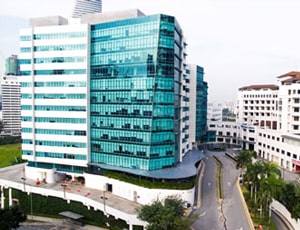
Kuala Lumpur, Malaysia
Number of Beds: 277
Year of Establishment: 2007
Medical Tourism Hospital of the Year 2024
Clinical Service Initiative of the Year 2024
Best in Community Involvement of the Year 2023
Brand of the Year in Healthcare of the Year 2023
Orthopaedic Service Provider of the Year 2023
Clinical Service Initiative of the Year 2023
Medical Tourism Hospital of the Year of the Year 2023
Top Children’s Hospital of the Year 2022
MRO Service Star of the Year 2022


Kuala Lumpur, Malaysia
Number of Beds: 724
Year of Establishment: 1999
Frost & Sullivan: 2024 Malaysian Hospital Market Leadership Award
College of American Pathologists (CAP) Accreditation
Healthcare Asia Awards 2024: Hospital of the Year (Malaysia)
Healthcare Asia Awards 2024: Health Promotion Initiative of the Year
Reader’s Digest Trusted Brand 2024
Newsweek World’s Best Hospitals 2024
World Stroke Organisation (WSO) Angels Awards 2023 - Gold Award (Q4)
World Stroke Organisation (WSO) Angels Awards 2023 - Gold Award (Q3)

2023, Best Specialized Hospital Asia Pacific – Endocrinology
2023, Best Specialized Hospital Asia Pacific – Cardiology
2022, GlobalHealth Asia Pacific Child Development and Paediatric Service Provider of the Year in Asia Pacific
2022, Frost & Sullivan – Malaysia Emerging Hospital Company of the year award
2022, Malaysian Healthcare Tourism Corporation (MHTC) Elite member (Jan 2022 - Dec 2022)
2022, Malaysian Society for Quality in Health (MSQH) - (2020-2024)
2019, Healthcare Infection Control Management Resources (HICMR)
2018, The Brand Laureate Best Brand – Brand leadership Award (2018-2019)

Kuala Lumpur, Malaysia
Number of Beds: 442
Year of Establishment: 1985
Healthcare Asia Awards 2024, Subang Jaya Medical Centre wins ESG Program of the Year
Frost & Sullivan, Subang Jaya Medical Centre wins Best Practices Award, Malaysian Best Hospital Company of the Year
GlobalHealth Asia-Pacific Awards, Subang Jaya Medical Centre wins Hospital of the Year in Asia-Pacific
GlobalHealth Asia-Pacific Awards, Subang Jaya Medical Centre wins Advanced Genetic Centre Provider of the Year in Asia-Pacific
GlobalHealth Asia-Pacific Awards, Subang Jaya Medical Centre wins Diabetes Service Provider of the Year in Asia-Pacific
GlobalHealth Asia-Pacific Awards, Subang Jaya Medical Centre wins Multi-Disciplinary Oncology Service Provider of the Year in Asia-Pacific
GlobalHealth Asia-Pacific Awards, Subang Jaya Medical Centre wins CSR Service of the Year in Asia-Pacific
GlobalHealth MedTech Awards, Subang Jaya Medical Centre wins the Excellence in Digital Health Innovation of the Year

Global Health Asia Pacific Awards 2023, Sports Rehabilitation and Physiotherapy Service Provider Of The Year In Asia Pacific
Newsweek Best Specialized Hospital APAC 2023, Paediatrics
Healthcare Asia Awards 2023, Vaccination Delivery of the Year - Malaysia
Malaysian Healthcare & Wellness Excellence Award 2023

Kuala Lumpur, Malaysia
Number of Beds: 171
Year of Establishment: 2016
Ask your healthcare adviser for the best multiple options and choose the one that meets your expectations

| Speciality | Neurology |
| Procedure | Deep Brain Stimulation |
| Success Rate | 85-95% |
| Recovery Time | 3-4 weeks |
| Treatment Time | 2-6 hours |
| Chances of Recurrence | 10-20% |
Deep Brain Stimulation (DBS) is a surgical procedure that involves the implantation of electrodes in specific areas of the brain to deliver electrical impulses. During the procedure, thin wires called leads are placed in precise brain regions, and a device known as a neurostimulator is implanted under the skin in the chest or abdomen. The neurostimulator sends electrical signals to the targeted brain areas, modulating abnormal brain activity and helping to relieve symptoms.
Deep Brain Stimulation is primarily used to treat movement disorders such as Parkinson's disease, essential tremor, and dystonia. It can also be beneficial for certain psychiatric conditions like obsessive-compulsive disorder (OCD) and Tourette syndrome. In these conditions, DBS helps to regulate and modulate abnormal brain activity, reducing symptoms such as tremors, rigidity, involuntary movements, and obsessive or compulsive behaviors.
The recovery process after Deep Brain Stimulation can vary depending on individual factors and the specific condition being treated. Typically, patients will need some time to adjust to the presence of the implanted device and may experience temporary discomfort or soreness at the surgical sites. Physical therapy, occupational therapy, and speech therapy may be recommended to help regain movement, coordination, and speech abilities. Regular follow-up visits with the healthcare team are recommended. Overall, it may take around a month for the patient to adjust to normal life after the procedure.
The ranking of hospitals according to the procedure is determined by a variety of parameters. In Malaysia, Hospitals for Deep Brain Stimulation are ranked on the basis of the following factors- Popularity of the procedure, Infrastructure, Availability of the treatment, Skilled Medical Professionals, Technology employed, Cost, Facilities Offered, and Success Rate.
MediGence provides you with a combination of cost-savings, convenience, and quality healthcare. All of this is made possible by the exceptional services we offer you, which make your healthcare experience comfortable, hassle-free, and budget-friendly. Some of the best caregiving services are Online consultation, Hotel Stays or Accommodation, Case Manager, Recovery Packages, 24/7 assistance, and Individually-crafted Packages with upto 30% savings. We also provide several additional advantages to help you receive first-rate medical care.
Yes, it's simple to do that. To schedule your online consultation with the specialist, you can reach one of our patient counselors. Upon your request, our experts will check the doctor's availability, and send you the payment link to finalize the appointment.
People from around the world are increasingly choosing to travel to Malaysia for Deep Brain Stimulation due to its modern infrastructure and high success rate. When it comes to Malaysia, many factors contribute to make Deep Brain Stimulation the ideal choice. This includes:
The recovery time for a procedure varies based on the condition of the patient and the complexity of the surgery. Additionally, post-treatment rehabilitation is crucial for accelerating recovery and cutting down on recovery time. It is recommended that the patient maintain regular contact with their surgeon for a few months after surgery to speed up recovery.