Browse verified doctors or let our care team help you find the doctor best suited to your condition, treatment goals, and budget.

At IBS Hospital, craniotomy is performed using modern neurosurgical techniques and evidence-based practices. IBS Hospital, founded in 2011, is located in Delhi, India, and has 50 beds and both domestic and international patients.
Craniotomy is a surgical process through which a section of the skull is temporarily removed to obtain access to the brain. Craniotomy is useful in managing conditions such as brain tumours, vascular malformations, bleeding, and other neurological disorders. The neurosurgical team assesses the diagnostic imaging, past medical history, and neurologic status of each patient to decide on the best surgical technique.
At Clear Medi Hospital, Karkardooma, the Craniotomy procedure is performed with cutting-edge neurosurgical technology and skilled personnel. Established in 2017, the hospital has gained NABH, NABL accreditation and is located in Delhi, India with 100 beds.
Craniotomy is a temporary process of removing a section of the skull, allowing the doctor to reach and operate on the brain. Depending on the patient, various procedures may be implemented related to the brain, such as tumor removal, treatment of bleeding, aneurysm surgeries, etc. Prior to the surgical operation, the patient's brain is subjected to several imaging and neurological tests to determine the optimal course of action and reduce associated risks.
At VPS Rockland Hospital, craniotomy is performed using modern neurosurgical techniques and evidence-based practices. VPS Rockland Hospital, founded in 2013, is located in Gurgaon, India, and has 345 beds and both domestic and international patients.
Craniotomy is a surgical process through which a section of the skull is temporarily removed to obtain access to the brain. Craniotomy is useful in managing conditions such as brain tumours, vascular malformations, bleeding, and other neurological disorders. The neurosurgical team assesses the diagnostic imaging, past medical history, and neurologic status of each patient to decide on the best surgical technique.
At American Oncology Institute, craniotomy is performed using modern neurosurgical techniques and evidence-based practices. American Oncology Institute, founded in 2013, is located in Hyderabad, India, and has 150 beds and both domestic and international patients.
Craniotomy is a surgical process through which a section of the skull is temporarily removed to obtain access to the brain. Craniotomy is useful in managing conditions such as brain tumours, vascular malformations, bleeding, and other neurological disorders. The neurosurgical team assesses the diagnostic imaging, past medical history, and neurologic status of each patient to decide on the best surgical technique.
At Bai Jerbai Wadia Hospital for Children, craniotomy is performed using modern neurosurgical techniques and evidence-based practices. Bai Jerbai Wadia Hospital for Children, founded in 1929, is located in Mumbai, India, and has 350 beds and both domestic and international patients.
Craniotomy is a surgical process through which a section of the skull is temporarily removed to obtain access to the brain. Craniotomy is useful in managing conditions such as brain tumours, vascular malformations, bleeding, and other neurological disorders. The neurosurgical team assesses the diagnostic imaging, past medical history, and neurologic status of each patient to decide on the best surgical technique.
Chennai, India
At The Madras Institute of Orthopedics and Traumatology, craniotomy is performed using modern neurosurgical techniques and evidence-based practices. The Madras Institute of Orthopedics and Traumatology, founded in 1999, is located in Chennai, India, and has 1000 beds and both domestic and international patients.
Craniotomy is a surgical process through which a section of the skull is temporarily removed to obtain access to the brain. Craniotomy is useful in managing conditions such as brain tumours, vascular malformations, bleeding, and other neurological disorders. The neurosurgical team assesses the diagnostic imaging, past medical history, and neurologic status of each patient to decide on the best surgical technique.
The highly reputed hospital Sanar International Hospital specialises in Craniotomy, performed using state-of-the-art surgical equipment and standardised neurosurgical procedures. Established in 2018, this NABH, JCI, AACI awarded hospital is located in Gurugram, India and offers 150 beds for local as well as international patients.
Craniotomy is performed to allow surgical procedures on the brain for diagnosing and treating various neurological disorders. In some cases, it involves removing a tumor from the brain, treating bleeding inside the brain, fixing a suspected vascular problem, and reducing the pressure inside the skull. Prior to the Craniotomy surgery, the specialists conducted appropriate imaging and/or neurological tests needed for careful monitoring and prompt post-operative recovery.
At Manipal Hospital, Ghaziabad, the Craniotomy procedure is performed with cutting-edge neurosurgical technology and skilled personnel. Established in 2010, the hospital has gained NABH, NABL accreditation and is located in Ghaziabad, India with 9500 beds.
Craniotomy is a temporary process of removing a section of the skull, allowing the doctor to reach and operate on the brain. Depending on the patient, various procedures may be implemented related to the brain, such as tumor removal, treatment of bleeding, aneurysm surgeries, etc. Prior to the surgical operation, the patient's brain is subjected to several imaging and neurological tests to determine the optimal course of action and reduce associated risks.
Shanti Mukand Hospital provides specialised Craniotomy using contemporary neurosurgical technology and evidence-based clinical practices. Founded in 1995, the NABH, NABL accredited hospital is based in Delhi, India, with 200 beds and services for domestic and international patients.
A craniotomy creates surgical access to the brain by temporarily removing a section of the skull. The procedure can be used for conditions such as brain tumours, vascular abnormalities, bleeding, and certain neurological disorders. The neurosurgical team reviews diagnostic scans, medical history, and neurological status before determining the appropriate surgical technique. Patients receive close monitoring during recovery.
At VPS Lakeshore Hospital, the Craniotomy procedure is performed with cutting-edge neurosurgical technology and skilled personnel. Established in 2003, the hospital has gained NABH, ISO accreditation and is located in Kochi, India with 350 beds.
Craniotomy is a temporary process of removing a section of the skull, allowing the doctor to reach and operate on the brain. Depending on the patient, various procedures may be implemented related to the brain, such as tumor removal, treatment of bleeding, aneurysm surgeries, etc. Prior to the surgical operation, the patient's brain is subjected to several imaging and neurological tests to determine the optimal course of action and reduce associated risks.
At Apollo Multispecialty Hospitals, the Craniotomy procedure is performed with cutting-edge neurosurgical technology and skilled personnel. Established in 2003, the hospital has gained JCI, ISO accreditation and is located in Kolkata, India with 700 beds.
Craniotomy is a temporary process of removing a section of the skull, allowing the doctor to reach and operate on the brain. Depending on the patient, various procedures may be implemented related to the brain, such as tumor removal, treatment of bleeding, aneurysm surgeries, etc. Prior to the surgical operation, the patient's brain is subjected to several imaging and neurological tests to determine the optimal course of action and reduce associated risks.
Apollo Hospital provides specialised Craniotomy using contemporary neurosurgical technology and evidence-based clinical practices. Founded in 1983, the JCI accredited hospital is based in Chennai, India, with 550 beds and services for domestic and international patients.
A craniotomy creates surgical access to the brain by temporarily removing a section of the skull. The procedure can be used for conditions such as brain tumours, vascular abnormalities, bleeding, and certain neurological disorders. The neurosurgical team reviews diagnostic scans, medical history, and neurological status before determining the appropriate surgical technique. Patients receive close monitoring during recovery.
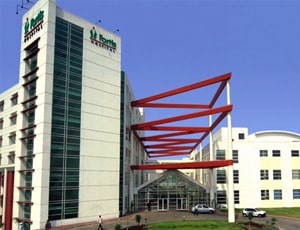
Fortis Hospital provides specialised Craniotomy using contemporary neurosurgical technology and evidence-based clinical practices. Founded in 2004, the NABH, NABL accredited hospital is based in Noida, India, with 400 beds and services for domestic and international patients.
A craniotomy creates surgical access to the brain by temporarily removing a section of the skull. The procedure can be used for conditions such as brain tumours, vascular abnormalities, bleeding, and certain neurological disorders. The neurosurgical team reviews diagnostic scans, medical history, and neurological status before determining the appropriate surgical technique. Patients receive close monitoring during recovery.
At Manipal Hospital, Yeshwantpur, the Craniotomy procedure is performed with cutting-edge neurosurgical technology and skilled personnel. Established in 2022, the hospital has gained JCI, NABH, NABL accreditation and is located in Bangalore, India with 250 beds.
Craniotomy is a temporary process of removing a section of the skull, allowing the doctor to reach and operate on the brain. Depending on the patient, various procedures may be implemented related to the brain, such as tumor removal, treatment of bleeding, aneurysm surgeries, etc. Prior to the surgical operation, the patient's brain is subjected to several imaging and neurological tests to determine the optimal course of action and reduce associated risks.
The highly reputed hospital BGS Gleneagles Global Hospitals specialises in Craniotomy, performed using state-of-the-art surgical equipment and standardised neurosurgical procedures. Established in 2007, this NABH, NABL awarded hospital is located in Bangalore, India and offers 500 beds for local as well as international patients.
Craniotomy is performed to allow surgical procedures on the brain for diagnosing and treating various neurological disorders. In some cases, it involves removing a tumor from the brain, treating bleeding inside the brain, fixing a suspected vascular problem, and reducing the pressure inside the skull. Prior to the Craniotomy surgery, the specialists conducted appropriate imaging and/or neurological tests needed for careful monitoring and prompt post-operative recovery.

Mauritius patient suffering from Pituitary Gland Tumor underwent successful Craniotomy Surgery in India.

Mahajabin Aktar, a 42-year-old from Bangladesh, was diagnosed with a suprasellar brain tumor and hydrocephalus. She traveled to Prince Court Medical Centre, Malaysia, where Dr.…
A craniotomy is a surgical procedure that involves the temporary removal of a portion of the skull to access the brain. During the procedure, the surgeon carefully opens the skull to perform treatment and then closes the skull using special materials like plates or screws. During some craniotomies, computer systems and imaging techniques like magnetic resonance imaging (MRI) or computerized tomography (CT) scans may be used to precisely locate the part of the brain that needs to be treated.
A craniotomy can be used to treat a wide range of medical conditions related to the brain, including brain tumors (both benign and malignant), arteriovenous malformations (AVMs), cerebral aneurysms, traumatic brain injuries, intracranial hemorrhages, infections, epilepsy, and certain neurological disorders that require surgical intervention.
The recovery process after a craniotomy varies depending on the specific condition being treated, the extent of the surgery, and individual factors. After the procedure, the patient is closely monitored in the hospital's intensive care unit (ICU). The recovery period may involve pain management, monitoring for potential complications, physical and occupational therapy, and rehabilitation programs tailored to the patient's needs. The duration of recovery can vary, but it typically involves a combination of rest, medications, and follow-up appointments to monitor progress and ensure proper healing. Regular follow-up visits are scheduled to assess the patient's recovery and address any concerns or complications that may arise.
Yes, the Indian hospitals equipped with Craniotomy are well equipped with the latest technologies in medical health.
These facilities exercise the advanced diagnostic methods of employing CT scans, MRIs, and ultrasound imaging to plan and implement Craniotomy properly.
Moreover, 3D imaging and real-time imaging are modern technologies that guarantee exact tumour targeting while avoiding damage to surrounding normal tissues.
MediGence connects you with some of the best hospitals in India while offering them access to the most modern technology and eminent medical care during the Craniotomy procedure.
The best hospitals for Craniotomy in India are characterised by:
The success rate of craniotomy varies based on the condition to be treated in the brain, the patient's general health, and the surgical procedure's complexity. Brain tumours, epilepsy surgery, and vascular conditions will have a range of 70% to 90% for localised accessible cases. Early interventions and more sophisticated surgical techniques contribute to a good outcome.
MediGence allows you to connect to India's top-notch hospitals where the correct treatment could guarantee the most feasible chance of recovery from the operation.
To find a hospital with the best neurosurgeon for Craniotomy in India, you can use the MediGence platform. MediGence will connect you with reputable hospitals and skilled neurosurgeons to guarantee excellent treatment.
You can read patient testimonials, look through complete doctor profiles, and receive recommendations that meet your needs. For a smooth treatment experience in India, MediGence also helps schedule appointments, accommodation, and travel.
Some of the best hospitals listed for Craniotomyin India are:
The cost of Craniotomy in India typically ranges from (USD 6000 - 8000), depending on the hospital, location, and the complexity of the procedure.
Yes, Craniotomy in India is available for international patients. With modern medical technology, skilled neurosurgeons, and a wide range of treatment options, top hospitals in India offer specialised care to patients from overseas.
For patients seeking treatment in India, MediGence provides comprehensive support with travel planning, visa assistance, accommodations, and seamless medical coordination, guaranteeing a stress-free and easy experience.
The risks associated with craniotomy in India are similar to those found globally and include:
MediGence ensures you receive proper monitoring and support from leading hospitals in India to manage these risks and improve treatment outcomes.
For recovery from a craniotomy in India, it depends on the complexity of the procedure and the general health of the patient:
MediGence will ensure that you are given proper post-operative care and support for effective recovery during your stay in India.
Yes, you can speak with Neurosurgeon before going to India to receive treatment for Craniotomy.
You can have virtual consultations with a skilled doctor via the MediGence platform, who can evaluate your condition, review treatment choices, and assist you in getting ready for your journey.
This guarantees you are informed and prepared for treatment before arriving in India.
Post-operative care after a craniotomy in India focuses on monitoring recovery and managing any potential complications. Key aspects include:
MediGence ensures expert post-operative care to support a smooth and effective recovery process during your stay in India.
India is a popular destination for Craniotomy due to several key factors:
These factors make India attractive for those seeking high-quality, cost-effective treatment options.
The period that you may spend in India for craniotomy surgery depends on the kind of surgery and recovery process.
MediGence always sees that both the treatment and the stay are smooth experiences. They assist with medical needs, travel arrangements, and recovery support in India.
Yes, there are alternative treatments to craniotomy in India, depending on the type and location of the brain condition being treated:
MediGence helps you explore all treatment options and connects you with top hospitals in India for the best care tailored to your needs.
To prepare for Craniotomy in India, it's essential to follow a few key steps for a smooth process:
MediGence ensures smooth coordination of your treatment and travel plans in India.