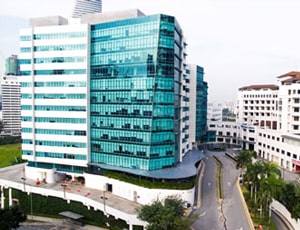
Kuala Lumpur, Malaysia
Number of Beds: 277
Year of Establishment: 2007
Medical Tourism Hospital of the Year 2024
Clinical Service Initiative of the Year 2024
Best in Community Involvement of the Year 2023
Brand of the Year in Healthcare of the Year 2023
Orthopaedic Service Provider of the Year 2023
Clinical Service Initiative of the Year 2023
Medical Tourism Hospital of the Year of the Year 2023
Top Children’s Hospital of the Year 2022
MRO Service Star of the Year 2022


Kuala Lumpur, Malaysia
Number of Beds: 724
Year of Establishment: 1999
Frost & Sullivan: 2024 Malaysian Hospital Market Leadership Award
College of American Pathologists (CAP) Accreditation
Healthcare Asia Awards 2024: Hospital of the Year (Malaysia)
Healthcare Asia Awards 2024: Health Promotion Initiative of the Year
Reader’s Digest Trusted Brand 2024
Newsweek World’s Best Hospitals 2024
World Stroke Organisation (WSO) Angels Awards 2023 - Gold Award (Q4)
World Stroke Organisation (WSO) Angels Awards 2023 - Gold Award (Q3)

2023, Best Specialized Hospital Asia Pacific – Endocrinology
2023, Best Specialized Hospital Asia Pacific – Cardiology
2022, GlobalHealth Asia Pacific Child Development and Paediatric Service Provider of the Year in Asia Pacific
2022, Frost & Sullivan – Malaysia Emerging Hospital Company of the year award
2022, Malaysian Healthcare Tourism Corporation (MHTC) Elite member (Jan 2022 - Dec 2022)
2022, Malaysian Society for Quality in Health (MSQH) - (2020-2024)
2019, Healthcare Infection Control Management Resources (HICMR)
2018, The Brand Laureate Best Brand – Brand leadership Award (2018-2019)

Kuala Lumpur, Malaysia
Number of Beds: 442
Year of Establishment: 1985
Healthcare Asia Awards 2024, Subang Jaya Medical Centre wins ESG Program of the Year
Frost & Sullivan, Subang Jaya Medical Centre wins Best Practices Award, Malaysian Best Hospital Company of the Year
GlobalHealth Asia-Pacific Awards, Subang Jaya Medical Centre wins Hospital of the Year in Asia-Pacific
GlobalHealth Asia-Pacific Awards, Subang Jaya Medical Centre wins Advanced Genetic Centre Provider of the Year in Asia-Pacific
GlobalHealth Asia-Pacific Awards, Subang Jaya Medical Centre wins Diabetes Service Provider of the Year in Asia-Pacific
GlobalHealth Asia-Pacific Awards, Subang Jaya Medical Centre wins Multi-Disciplinary Oncology Service Provider of the Year in Asia-Pacific
GlobalHealth Asia-Pacific Awards, Subang Jaya Medical Centre wins CSR Service of the Year in Asia-Pacific
GlobalHealth MedTech Awards, Subang Jaya Medical Centre wins the Excellence in Digital Health Innovation of the Year

Global Health Asia Pacific Awards 2023, Sports Rehabilitation and Physiotherapy Service Provider Of The Year In Asia Pacific
Newsweek Best Specialized Hospital APAC 2023, Paediatrics
Healthcare Asia Awards 2023, Vaccination Delivery of the Year - Malaysia
Malaysian Healthcare & Wellness Excellence Award 2023

Kuala Lumpur, Malaysia
Number of Beds: 171
Year of Establishment: 2016
Ask your healthcare adviser for the best multiple options and choose the one that meets your expectations

A craniotomy is a surgical procedure that involves the temporary removal of a portion of the skull to access the brain. During the procedure, the surgeon carefully opens the skull to perform treatment and then closes the skull using special materials like plates or screws. During some craniotomies, computer systems and imaging techniques like magnetic resonance imaging (MRI) or computerized tomography (CT) scans may be used to precisely locate the part of the brain that needs to be treated.
A craniotomy can be used to treat a wide range of medical conditions related to the brain, including brain tumors (both benign and malignant), arteriovenous malformations (AVMs), cerebral aneurysms, traumatic brain injuries, intracranial hemorrhages, infections, epilepsy, and certain neurological disorders that require surgical intervention.
The recovery process after a craniotomy varies depending on the specific condition being treated, the extent of the surgery, and individual factors. After the procedure, the patient is closely monitored in the hospital's intensive care unit (ICU). The recovery period may involve pain management, monitoring for potential complications, physical and occupational therapy, and rehabilitation programs tailored to the patient's needs. The duration of recovery can vary, but it typically involves a combination of rest, medications, and follow-up appointments to monitor progress and ensure proper healing. Regular follow-up visits are scheduled to assess the patient's recovery and address any concerns or complications that may arise.
Numerous factors can be considered to rank the hospitals on the basis of the procedure. While categorizing hospitals for Craniotomy in Malaysia, some of the important factors are Popularity for the procedure, Infrastructure, Availability of the Procedure, Experienced doctors, Technology used, Cost, Facilities provided, Success Rate
MediGence integrates convenience, high-quality medical care, and cost savings. We make sure that your healthcare journey should be easy and hassle-free while receiving treatment overseas. Our value-based services include airport transfers, accommodation, 24/7 assistance, Virtual consultation, case manager, and prenegotiated treatment packages with upto a 30% discount. We also provide several additional advantages to help you receive first-rate medical care.
Definitely Yes. You can get an expert medical opinion via online consultation before you decide to travel. When one of our patient advisors contacts you about your inquiry, you can demand an online consultation with the specialist. They will finalize your appointment after confirming the doctor's availability and sending the payment link.
Many people around the world consider Craniotomy in Malaysia to be trustworthy due to the high success rate and excellent hospital infrastructure. Additional factors make Malaysia the ideal option for Craniotomy. These include:
The recovery time of the patients can be determined based on the patient’s overall health and the criticality of the procedure undergone. Additionally, post-treatment rehabilitation is crucial for accelerating recovery and cutting down on recovery time. Patients must go back for follow-up appointments after surgery in order to ensure proper healing and speed up the healing process.