Explore trusted hospitals and care options, or get personalised support to find a suitable option based on your treatment needs, preferences, and budget.

Delhi, India
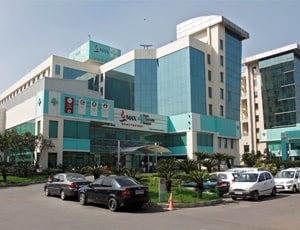
Choosing Max Super Speciality Hospital, Patparganj for Fibroid Removal Surgery gives patients access to specialist-led fibroid management, modern surgical technology, and coordinated postoperative care. Established in 2005, the NABH, NABL, AACI accredited hospital is located in Delhi, India and operates 400 beds with advanced gynecological infrastructure.
Fibroid Removal Surgery is considered when uterine fibroids produce persistent symptoms or affect a woman's quality of life despite medical management. Before surgery, specialists assess the number, size, and position of the fibroids using ultrasound or other imaging methods. Depending on these findings, fibroids may be removed through minimally invasive surgery or an abdominal approach. After treatment, follow-up focuses on healing, symptom improvement, and reproductive health when relevant.
At The London Clinic, Fibroid Removal Surgery is performed using advanced gynecological techniques and treatment plans tailored to the patient's symptoms, fibroid characteristics, and reproductive goals. Established in , the JCI accredited hospital in London, United Kingdom has 234 beds and provides comprehensive women's healthcare services.
Fibroid Removal Surgery involves surgically removing non-cancerous growths that develop in the muscular wall or other areas of the uterus. A myomectomy may be considered when fibroids cause significant symptoms or interfere with fertility. Small fibroids projecting into the uterine cavity may be removed hysteroscopically, while larger or deeper fibroids may require laparoscopic or open surgery. Imaging before treatment helps determine the most appropriate surgical approach.
Farrer Park Hospital offers dedicated Fibroid Removal Surgery supported by experienced gynecological surgeons, advanced imaging, and modern operating facilities. Established in 2016, the accredited hospital is situated in Singapore, Singapore and has 220 beds supporting specialized women's health services.
Fibroid Removal Surgery can help manage symptomatic uterine fibroids associated with prolonged or heavy periods, pelvic discomfort, abdominal fullness, or pressure on nearby organs. The surgical technique is selected according to the fibroid's location and size. Myomectomy removes the fibroids while retaining the uterus, making it an option for some women who wish to preserve their reproductive potential. Recovery time depends on the surgical method used.
Sharjah, United Arab Emirates
Burjeel Specialty Hospital, Sharjah provides specialized Fibroid Removal Surgery with an emphasis on accurate fibroid assessment, uterus-preserving treatment, and personalized recovery planning. Established in 2019, the JCI accredited hospital is based in Sharjah, United Arab Emirates and has 75 beds supported by modern gynecology and reproductive medicine facilities.
Fibroid Removal Surgery may be performed when fibroids cause troublesome bleeding, pelvic pain, pressure symptoms, or difficulties with conception. The procedure commonly involves a myomectomy, in which the surgeon removes the fibroids while leaving the uterus intact. Depending on their location, fibroids can be removed through the vagina and cervix using hysteroscopy, through small abdominal incisions using laparoscopy, or through a larger abdominal incision when necessary. The choice of technique depends on the patient's individual anatomy and clinical needs.
Choosing Cloudnine Hospital for Fibroid Removal Surgery gives patients access to specialist-led fibroid management, modern surgical technology, and coordinated postoperative care. Established in 2015, the NABH accredited hospital is located in Noida, India and operates 40 beds with advanced gynecological infrastructure.
Fibroid Removal Surgery is considered when uterine fibroids produce persistent symptoms or affect a woman's quality of life despite medical management. Before surgery, specialists assess the number, size, and position of the fibroids using ultrasound or other imaging methods. Depending on these findings, fibroids may be removed through minimally invasive surgery or an abdominal approach. After treatment, follow-up focuses on healing, symptom improvement, and reproductive health when relevant.
Choosing Medicover Fertility Dwarka for Fibroid Removal Surgery gives patients access to specialist-led fibroid management, modern surgical technology, and coordinated postoperative care. Established in 2016, the accredited hospital is located in Delhi, India and operates beds with advanced gynecological infrastructure.
Fibroid Removal Surgery is considered when uterine fibroids produce persistent symptoms or affect a woman's quality of life despite medical management. Before surgery, specialists assess the number, size, and position of the fibroids using ultrasound or other imaging methods. Depending on these findings, fibroids may be removed through minimally invasive surgery or an abdominal approach. After treatment, follow-up focuses on healing, symptom improvement, and reproductive health when relevant.
Choosing Ekol for Fibroid Removal Surgery gives patients access to specialist-led fibroid management, modern surgical technology, and coordinated postoperative care. Established in 2000, the ISO accredited hospital is located in Izmir, Turkey and operates beds with advanced gynecological infrastructure.
Fibroid Removal Surgery is considered when uterine fibroids produce persistent symptoms or affect a woman's quality of life despite medical management. Before surgery, specialists assess the number, size, and position of the fibroids using ultrasound or other imaging methods. Depending on these findings, fibroids may be removed through minimally invasive surgery or an abdominal approach. After treatment, follow-up focuses on healing, symptom improvement, and reproductive health when relevant.
Choosing Woodlands Hospital for Fibroid Removal Surgery gives patients access to specialist-led fibroid management, modern surgical technology, and coordinated postoperative care. Established in 2001, the accredited hospital is located in Darlington, United Kingdom and operates 38 beds with advanced gynecological infrastructure.
Fibroid Removal Surgery is considered when uterine fibroids produce persistent symptoms or affect a woman's quality of life despite medical management. Before surgery, specialists assess the number, size, and position of the fibroids using ultrasound or other imaging methods. Depending on these findings, fibroids may be removed through minimally invasive surgery or an abdominal approach. After treatment, follow-up focuses on healing, symptom improvement, and reproductive health when relevant.
Werndale Hospital provides specialized Fibroid Removal Surgery with a focus on precise fibroid removal, preservation of healthy uterine tissue, and individualized gynecological care. Established in 1991, the accredited hospital is located in Carmarthen, United Kingdom and operates 19 beds with modern gynecology and minimally invasive surgical facilities.
Fibroid Removal Surgery may be recommended for women experiencing heavy menstrual bleeding, pelvic pressure, pain, frequent urination, or fertility problems caused by uterine fibroids. Depending on the number, size, and location of the fibroids, surgeons may perform a myomectomy through hysteroscopy, laparoscopy, or an open abdominal approach. The procedure aims to remove fibroids while preserving the uterus when clinically appropriate.
At Cloudnine Hospital Gurugram, Fibroid Removal Surgery is performed using advanced gynecological techniques and treatment plans tailored to the patient's symptoms, fibroid characteristics, and reproductive goals. Established in 2007, the NABH, NABL accredited hospital in Gurugram, India has 250 beds and provides comprehensive women's healthcare services.
Fibroid Removal Surgery involves surgically removing non-cancerous growths that develop in the muscular wall or other areas of the uterus. A myomectomy may be considered when fibroids cause significant symptoms or interfere with fertility. Small fibroids projecting into the uterine cavity may be removed hysteroscopically, while larger or deeper fibroids may require laparoscopic or open surgery. Imaging before treatment helps determine the most appropriate surgical approach.
Birla Fertility & IVF provides specialized Fibroid Removal Surgery with an emphasis on accurate fibroid assessment, uterus-preserving treatment, and personalized recovery planning. Established in 2020, the accredited hospital is based in Delhi, India and it has adequate bed capacity supported by modern gynecology and reproductive medicine facilities.
Fibroid Removal Surgery may be performed when fibroids cause troublesome bleeding, pelvic pain, pressure symptoms, or difficulties with conception. The procedure commonly involves a myomectomy, in which the surgeon removes the fibroids while leaving the uterus intact. Depending on their location, fibroids can be removed through the vagina and cervix using hysteroscopy, through small abdominal incisions using laparoscopy, or through a larger abdominal incision when necessary. The choice of technique depends on the patient's individual anatomy and clinical needs.
Arab Medical Center provides specialized Fibroid Removal Surgery with an emphasis on accurate fibroid assessment, uterus-preserving treatment, and personalized recovery planning. Established in 1997, the JCI accredited hospital is based in Amman, Jordan and has 243 beds supported by modern gynecology and reproductive medicine facilities.
Fibroid Removal Surgery may be performed when fibroids cause troublesome bleeding, pelvic pain, pressure symptoms, or difficulties with conception. The procedure commonly involves a myomectomy, in which the surgeon removes the fibroids while leaving the uterus intact. Depending on their location, fibroids can be removed through the vagina and cervix using hysteroscopy, through small abdominal incisions using laparoscopy, or through a larger abdominal incision when necessary. The choice of technique depends on the patient's individual anatomy and clinical needs.
Kuala Lumpur, Malaysia
Ara Damansara Medical Centre provides specialized Fibroid Removal Surgery with a focus on precise fibroid removal, preservation of healthy uterine tissue, and individualized gynecological care. Established in 2012, the JCI, MSQH accredited hospital is located in Kuala Lumpur, Malaysia and operates 220 beds with modern gynecology and minimally invasive surgical facilities.
Fibroid Removal Surgery may be recommended for women experiencing heavy menstrual bleeding, pelvic pressure, pain, frequent urination, or fertility problems caused by uterine fibroids. Depending on the number, size, and location of the fibroids, surgeons may perform a myomectomy through hysteroscopy, laparoscopy, or an open abdominal approach. The procedure aims to remove fibroids while preserving the uterus when clinically appropriate.
Delhi, India
Max Super Speciality Hospital, Saket offers dedicated Fibroid Removal Surgery supported by experienced gynecological surgeons, advanced imaging, and modern operating facilities. Established in 2006, the JCI, NABH accredited hospital is situated in Delhi, India and has 539 beds supporting specialized women's health services.
Fibroid Removal Surgery can help manage symptomatic uterine fibroids associated with prolonged or heavy periods, pelvic discomfort, abdominal fullness, or pressure on nearby organs. The surgical technique is selected according to the fibroid's location and size. Myomectomy removes the fibroids while retaining the uterus, making it an option for some women who wish to preserve their reproductive potential. Recovery time depends on the surgical method used.
Medeor Hospital provides specialized Fibroid Removal Surgery with an emphasis on accurate fibroid assessment, uterus-preserving treatment, and personalized recovery planning. Established in 2007, the NABH, NABL accredited hospital is based in Delhi, India and has 100 beds supported by modern gynecology and reproductive medicine facilities.
Fibroid Removal Surgery may be performed when fibroids cause troublesome bleeding, pelvic pain, pressure symptoms, or difficulties with conception. The procedure commonly involves a myomectomy, in which the surgeon removes the fibroids while leaving the uterus intact. Depending on their location, fibroids can be removed through the vagina and cervix using hysteroscopy, through small abdominal incisions using laparoscopy, or through a larger abdominal incision when necessary. The choice of technique depends on the patient's individual anatomy and clinical needs.
| Speciality | Gynecology |
| Procedure | Fibroid Removal Surgery |
| Success Rate | 85-95% |
| Recovery Time | 4-8 weeks |
| Treatment Time | 1-2 hours |
| Chances of Recurrence | 5-10% |
Fibroid removal surgery, also known as myomectomy, is a surgical procedure that removes uterine fibroids while leaving the uterus intact. Uterine fibroids are benign tumors that can cause symptoms such as heavy menstrual bleeding, pelvic pain, and pressure on surrounding organs. Depending on the size and location of the fibroids, myomectomy can be performed using various techniques such as open surgery, laparoscopy, or hysteroscopy. During myomectomy, the surgeon makes incisions in the abdominal wall (open surgery) or uses small incisions and specialized instruments (laparoscopy or hysteroscopy) to access and remove fibroids.
Myomectomy is primarily performed to treat symptomatic fibroids that can lead to issues like heavy menstrual bleeding, pelvic pain, and discomfort, urinary frequency or urgency, pressure on other organs, and fertility issues.
The recovery process after a fibroid removal surgery can vary depending on the surgical approach, individual health, and the size and number of fibroids removed. Rest is a crucial part of the recovery process to ensure proper healing. The healthcare team suggests keeping the incisions clean and dry to prevent infection. Light activities are gradually resumed, as advised by the healthcare provider. Overall, it takes two to four weeks to fully recover after a fibroid removal surgery.

At 52, Ruddy Marie Morgane Panglosse from France had been dealing with symptoms that were affecting her comfort and everyday life. She was experiencing pain and heavy menstrual bleeding