Browse verified doctors or let our care team help you find the doctor best suited to your condition, treatment goals, and budget.

At Medipol Mega University Hospital, Retroperitoneum Surgery is performed using specialized retroperitoneal and abdominal surgical techniques with comprehensive diagnostic and imaging assessment. Established in 2012, this JCI accredited hospital in Istanbul, Turkey has 810 beds and offers advanced oncology, urology, gastrointestinal, vascular, and minimally invasive surgical services.
Retroperitoneum Surgery may be considered for patients with tumors or other conditions involving structures located behind the abdominal cavity. Before treatment, CT, MRI, PET imaging, biopsy, blood tests, and other investigations may be used to characterize the disease and assess its relationship with nearby organs and major blood vessels. The procedure may involve removal of a localized mass or more extensive resection of involved tissues when necessary.
Choosing Medical Park Fatih Hospital for Retroperitoneum Surgery gives patients access to experienced multidisciplinary surgeons, advanced CT and MRI imaging, specialized operating facilities, minimally invasive and robotic surgical systems, and intensive postoperative monitoring. Established in 2007, the JCI accredited hospital in Istanbul, Turkey has 246 beds and provides specialized care for complex retroperitoneal conditions.
Retroperitoneum Surgery is performed under appropriate anaesthesia, with the surgical approach selected according to the location and extent of disease. During the procedure, the surgeon carefully accesses the retroperitoneal space and removes the affected tissue while preserving or appropriately managing nearby organs and blood vessels. Depending on the complexity of the operation, patients may require close postoperative monitoring for bleeding, infection, organ injury, lymphatic complications, or changes in kidney and gastrointestinal function.
Istanbul, Turkey
Medical Park Bahcelievler Hospital provides specialised Retroperitoneum Surgery with a focus on precise disease removal, preservation of critical anatomical structures, advanced surgical planning, and individualized postoperative care. Established in 2015, the JCI accredited hospital is located in Istanbul, Turkey and operates 242 beds, with modern surgical oncology, urology, vascular surgery, diagnostic imaging, minimally invasive, and critical-care infrastructure.
Retroperitoneum Surgery can provide an important treatment option for appropriately selected patients with localized or complex diseases affecting the retroperitoneal space. Treatment planning considers the underlying diagnosis, size and location of the lesion, involvement of surrounding organs or blood vessels, previous abdominal surgery, and overall health. A multidisciplinary assessment helps determine whether surgery is appropriate and whether open, laparoscopic, or robotic-assisted techniques may be suitable for the individual patient.
Acibadem Kadikoy Hospital is a trusted healthcare provider for Retroperitoneum Surgery, offering complex retroperitoneal procedures supported by experienced surgical oncologists, urologists, gastrointestinal surgeons, vascular surgeons, radiologists, anesthesiologists, and multidisciplinary teams. Established in 1991, the JCI accredited hospital is situated in Istanbul, Turkey and has 138 beds.
Retroperitoneum Surgery aims to achieve effective treatment or removal of disease while protecting vital organs, nerves, and major blood vessels within the retroperitoneal space. Depending on the condition, surgery may involve removal of a tumor, lymph node dissection, adrenal or kidney surgery, or resection of adjacent structures affected by disease. The extent of surgery is determined by the underlying diagnosis, anatomical location, and involvement of surrounding tissues.
Apollo Hospital International Limited offers advanced Retroperitoneum Surgery using modern open, minimally invasive, and robotic surgical techniques with individualized care plans. Established in 2003, the JCI accredited hospital is located in Istanbul, Turkey and has 300 beds, providing comprehensive surgical and multidisciplinary care for local and international patients.
Retroperitoneum Surgery involves procedures performed to diagnose, remove, or treat diseases affecting the retroperitoneal space, which contains structures such as the kidneys, adrenal glands, pancreas, major blood vessels, lymph nodes, and portions of the gastrointestinal tract. Surgery may be required for selected tumors, cysts, lymphatic disorders, or other complex conditions. The surgical approach depends on the location, size, and nature of the underlying condition.
Memorial Sisli Hospital provides specialised Retroperitoneum Surgery with a focus on precise disease removal, preservation of critical anatomical structures, advanced surgical planning, and individualized postoperative care. Established in 2000, the JCI, NABH accredited hospital is located in Istanbul, Turkey and operates 252 beds, with modern surgical oncology, urology, vascular surgery, diagnostic imaging, minimally invasive, and critical-care infrastructure.
Retroperitoneum Surgery can provide an important treatment option for appropriately selected patients with localized or complex diseases affecting the retroperitoneal space. Treatment planning considers the underlying diagnosis, size and location of the lesion, involvement of surrounding organs or blood vessels, previous abdominal surgery, and overall health. A multidisciplinary assessment helps determine whether surgery is appropriate and whether open, laparoscopic, or robotic-assisted techniques may be suitable for the individual patient.
Medicana Camlica Hospital offers advanced Retroperitoneum Surgery using modern open, minimally invasive, and robotic surgical techniques with individualized care plans. Established in 1999, the ISO, JCI accredited hospital is located in Istanbul, Turkey and has 113 beds, providing comprehensive surgical and multidisciplinary care for local and international patients.
Retroperitoneum Surgery involves procedures performed to diagnose, remove, or treat diseases affecting the retroperitoneal space, which contains structures such as the kidneys, adrenal glands, pancreas, major blood vessels, lymph nodes, and portions of the gastrointestinal tract. Surgery may be required for selected tumors, cysts, lymphatic disorders, or other complex conditions. The surgical approach depends on the location, size, and nature of the underlying condition.
At Hisar Intercontinental Hospital, Retroperitoneum Surgery is performed using specialized retroperitoneal and abdominal surgical techniques with comprehensive diagnostic and imaging assessment. Established in 2005, this JCI accredited hospital in Istanbul, Turkey has 170 beds and offers advanced oncology, urology, gastrointestinal, vascular, and minimally invasive surgical services.
Retroperitoneum Surgery may be considered for patients with tumors or other conditions involving structures located behind the abdominal cavity. Before treatment, CT, MRI, PET imaging, biopsy, blood tests, and other investigations may be used to characterize the disease and assess its relationship with nearby organs and major blood vessels. The procedure may involve removal of a localized mass or more extensive resection of involved tissues when necessary.
Choosing Medical Park Karadeniz Hospital for Retroperitoneum Surgery gives patients access to experienced multidisciplinary surgeons, advanced CT and MRI imaging, specialized operating facilities, minimally invasive and robotic surgical systems, and intensive postoperative monitoring. Established in 2007, the JCI accredited hospital in Trabzon, Turkey has 112 beds and provides specialized care for complex retroperitoneal conditions.
Retroperitoneum Surgery is performed under appropriate anaesthesia, with the surgical approach selected according to the location and extent of disease. During the procedure, the surgeon carefully accesses the retroperitoneal space and removes the affected tissue while preserving or appropriately managing nearby organs and blood vessels. Depending on the complexity of the operation, patients may require close postoperative monitoring for bleeding, infection, organ injury, lymphatic complications, or changes in kidney and gastrointestinal function.
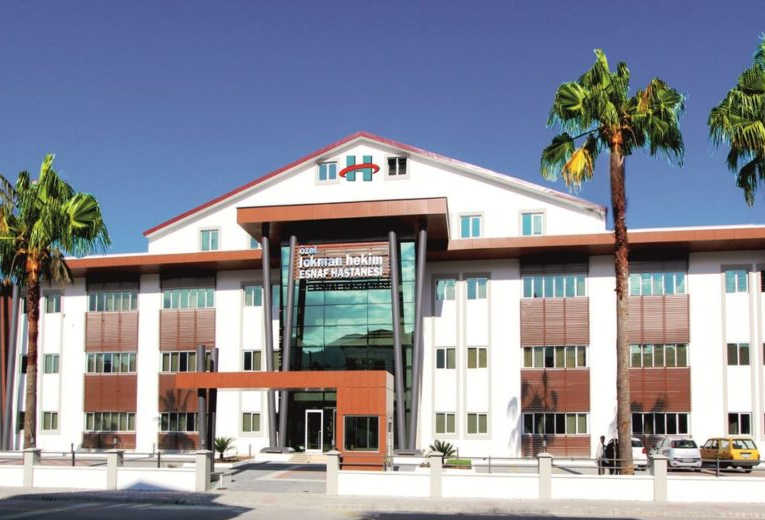
Lokman Hekim Esnaf Hospital is a trusted healthcare provider for Retroperitoneum Surgery, offering complex retroperitoneal procedures supported by experienced surgical oncologists, urologists, gastrointestinal surgeons, vascular surgeons, radiologists, anesthesiologists, and multidisciplinary teams. Established in 1997, the JCI accredited hospital is situated in Fethiye, Turkey and has 75 beds.
Retroperitoneum Surgery aims to achieve effective treatment or removal of disease while protecting vital organs, nerves, and major blood vessels within the retroperitoneal space. Depending on the condition, surgery may involve removal of a tumor, lymph node dissection, adrenal or kidney surgery, or resection of adjacent structures affected by disease. The extent of surgery is determined by the underlying diagnosis, anatomical location, and involvement of surrounding tissues.
Dr. HE Obesity Clinic provides specialised Retroperitoneum Surgery with a focus on precise disease removal, preservation of critical anatomical structures, advanced surgical planning, and individualized postoperative care. Established in 2016, the ISO, JCI accredited hospital is located in Istanbul, Turkey and operates beds, with modern surgical oncology, urology, vascular surgery, diagnostic imaging, minimally invasive, and critical-care infrastructure.
Retroperitoneum Surgery can provide an important treatment option for appropriately selected patients with localized or complex diseases affecting the retroperitoneal space. Treatment planning considers the underlying diagnosis, size and location of the lesion, involvement of surrounding organs or blood vessels, previous abdominal surgery, and overall health. A multidisciplinary assessment helps determine whether surgery is appropriate and whether open, laparoscopic, or robotic-assisted techniques may be suitable for the individual patient.