Browse verified doctors or let our care team help you find the doctor best suited to your condition, treatment goals, and budget.

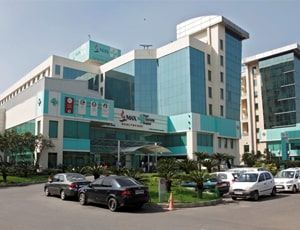
At Metro Hospital, Ear Correction is performed using advanced otoplasty techniques and personalized treatment planning. Established in 1997, the NABL, NABH, ISO accredited hospital in Noida, India has 289 beds and provides comprehensive plastic, reconstructive, and aesthetic surgical care.
Ear Correction may be considered for patients with protruding, uneven, misshapen, or disproportionately sized ears. Otoplasty is the most common surgical approach and may involve removing or reshaping cartilage and securing the ear in a more balanced position. In some cases, the procedure can also correct specific structural abnormalities. Before surgery, the specialist evaluates the ear's size, shape, cartilage structure, and symmetry to determine the appropriate technique.
Sharda Hospital provides specialized Ear Correction with an emphasis on precise cartilage reshaping, natural ear positioning, and personalized aesthetic outcomes. Established in 2005, the NABH accredited hospital is based in Noida, India and has 1200 beds supported by modern plastic and reconstructive surgery facilities.
Ear Correction, also known as otoplasty in many cases, is performed to alter the shape, size, or position of the external ear. It may be used to reduce ear prominence, improve asymmetry, or correct certain congenital structural differences. The surgeon may reshape or reposition the cartilage and secure it with sutures to maintain the desired contour. Recovery generally includes temporary swelling and discomfort, with follow-up visits to monitor healing and the final ear position.
Delhi, India
Choosing Fortis Flt. Lt. Rajan Dhall Hospital for Ear Correction gives patients access to specialist-led ear surgery, modern surgical techniques, and comprehensive recovery support. Established in 2006, the NABH accredited hospital is located in Delhi, India and operates 162 beds with advanced plastic and reconstructive infrastructure.
Ear Correction can help address prominent ears, differences in ear position, congenital deformities, or changes caused by injury. During the procedure, the surgeon carefully modifies the cartilage and may reposition the ear to achieve improved symmetry and proportion. The exact technique depends on the structural characteristics of the ear. Following surgery, a protective dressing or headband may be recommended to support the corrected position during the initial healing period.
Choosing Herzliya Medical Center for Ear Correction gives patients access to specialist-led ear surgery, modern surgical techniques, and comprehensive recovery support. Established in 1983, the accredited hospital is located in Herzliya, Israel and operates 120 beds with advanced plastic and reconstructive infrastructure.
Ear Correction can help address prominent ears, differences in ear position, congenital deformities, or changes caused by injury. During the procedure, the surgeon carefully modifies the cartilage and may reposition the ear to achieve improved symmetry and proportion. The exact technique depends on the structural characteristics of the ear. Following surgery, a protective dressing or headband may be recommended to support the corrected position during the initial healing period.
Acibadem University Hospital Atakent provides specialized Ear Correction with a focus on improving ear shape, position, and facial symmetry through individualized surgical planning. Established in 2014, the JCI accredited hospital is located in Istanbul, Turkey and operates 278 beds with modern plastic and reconstructive surgery facilities.
Ear Correction is a cosmetic or reconstructive procedure used to reshape, reposition, or reduce the size of the external ear. It is commonly performed to address prominent ears, asymmetry, underdeveloped ear structures, or certain congenital differences. During surgery, the cartilage may be reshaped, folded, or repositioned closer to the head, depending on the required correction. The surgical approach is selected according to the patient's ear anatomy and desired outcome.
Choosing KCM Clinic for Ear Correction gives patients access to specialist-led ear surgery, modern surgical techniques, and comprehensive recovery support. Established in 2006, the ISO accredited hospital is located in Jelenia Gora, Poland and operates 85 beds with advanced plastic and reconstructive infrastructure.
Ear Correction can help address prominent ears, differences in ear position, congenital deformities, or changes caused by injury. During the procedure, the surgeon carefully modifies the cartilage and may reposition the ear to achieve improved symmetry and proportion. The exact technique depends on the structural characteristics of the ear. Following surgery, a protective dressing or headband may be recommended to support the corrected position during the initial healing period.
Life Kingsbury Hospital provides specialized Ear Correction with an emphasis on precise cartilage reshaping, natural ear positioning, and personalized aesthetic outcomes. Established in 1918, the accredited hospital is based in Cape Town, South Africa and has 212 beds supported by modern plastic and reconstructive surgery facilities.
Ear Correction, also known as otoplasty in many cases, is performed to alter the shape, size, or position of the external ear. It may be used to reduce ear prominence, improve asymmetry, or correct certain congenital structural differences. The surgeon may reshape or reposition the cartilage and secure it with sutures to maintain the desired contour. Recovery generally includes temporary swelling and discomfort, with follow-up visits to monitor healing and the final ear position.
Johannesburg, South Africa
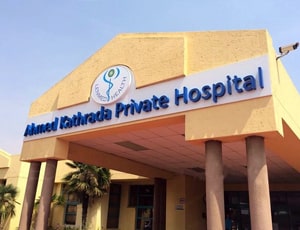
At Lenmed Ahmed Kathrada Private Hospital, Ear Correction is performed using advanced otoplasty techniques and personalized treatment planning. Established in 1984, the COHSASA, ISQua accredited hospital in Johannesburg, South Africa has 254 beds and provides comprehensive plastic, reconstructive, and aesthetic surgical care.
Ear Correction may be considered for patients with protruding, uneven, misshapen, or disproportionately sized ears. Otoplasty is the most common surgical approach and may involve removing or reshaping cartilage and securing the ear in a more balanced position. In some cases, the procedure can also correct specific structural abnormalities. Before surgery, the specialist evaluates the ear's size, shape, cartilage structure, and symmetry to determine the appropriate technique.
At Eregli Anadolu Hospital, Ear Correction is performed using advanced otoplasty techniques and personalized treatment planning. Established in 1998, the JCI accredited hospital in Zonguldak, Turkey has 75 beds and provides comprehensive plastic, reconstructive, and aesthetic surgical care.
Ear Correction may be considered for patients with protruding, uneven, misshapen, or disproportionately sized ears. Otoplasty is the most common surgical approach and may involve removing or reshaping cartilage and securing the ear in a more balanced position. In some cases, the procedure can also correct specific structural abnormalities. Before surgery, the specialist evaluates the ear's size, shape, cartilage structure, and symmetry to determine the appropriate technique.
Riyadh Care Hospital provides specialized Ear Correction with a focus on improving ear shape, position, and facial symmetry through individualized surgical planning. Established in 1990, the JCI accredited hospital is located in Riyadh, Saudi Arabia and operates 325 beds with modern plastic and reconstructive surgery facilities.
Ear Correction is a cosmetic or reconstructive procedure used to reshape, reposition, or reduce the size of the external ear. It is commonly performed to address prominent ears, asymmetry, underdeveloped ear structures, or certain congenital differences. During surgery, the cartilage may be reshaped, folded, or repositioned closer to the head, depending on the required correction. The surgical approach is selected according to the patient's ear anatomy and desired outcome.
Taoufik Clinique provides specialized Ear Correction with a focus on improving ear shape, position, and facial symmetry through individualized surgical planning. Established in 1979, the ISO accredited hospital is located in Tunis, Tunisia and operates 180 beds with modern plastic and reconstructive surgery facilities.
Ear Correction is a cosmetic or reconstructive procedure used to reshape, reposition, or reduce the size of the external ear. It is commonly performed to address prominent ears, asymmetry, underdeveloped ear structures, or certain congenital differences. During surgery, the cartilage may be reshaped, folded, or repositioned closer to the head, depending on the required correction. The surgical approach is selected according to the patient's ear anatomy and desired outcome.
Care national Hospital provides specialized Ear Correction with a focus on improving ear shape, position, and facial symmetry through individualized surgical planning. Established in 2003, the JCI accredited hospital is located in Riyadh, Saudi Arabia and operates 460 beds with modern plastic and reconstructive surgery facilities.
Ear Correction is a cosmetic or reconstructive procedure used to reshape, reposition, or reduce the size of the external ear. It is commonly performed to address prominent ears, asymmetry, underdeveloped ear structures, or certain congenital differences. During surgery, the cartilage may be reshaped, folded, or repositioned closer to the head, depending on the required correction. The surgical approach is selected according to the patient's ear anatomy and desired outcome.
Baskent University Istanbul Hospital offers dedicated Ear Correction supported by experienced plastic surgeons, modern operating facilities, and individualized postoperative care. Established in 1993, the JCI, ISO accredited hospital is situated in Istanbul, Turkey and has 144 beds supporting specialized facial and ear surgery.
Ear Correction is designed to improve the appearance or structure of the outer ear while maintaining natural proportions. The procedure may involve reshaping the cartilage, correcting the ear fold, reducing excessive cartilage, or repositioning the ear closer to the scalp. It can be performed on one or both ears depending on the degree of asymmetry. After surgery, temporary swelling, bruising, tenderness, or numbness may occur while the tissues heal.
Chennai, India
The Madras Institute of Orthopedics and Traumatology offers dedicated Ear Correction supported by experienced plastic surgeons, modern operating facilities, and individualized postoperative care. Established in 1999, the JCI, NABH accredited hospital is situated in Chennai, India and has 1000 beds supporting specialized facial and ear surgery.
Ear Correction is designed to improve the appearance or structure of the outer ear while maintaining natural proportions. The procedure may involve reshaping the cartilage, correcting the ear fold, reducing excessive cartilage, or repositioning the ear closer to the scalp. It can be performed on one or both ears depending on the degree of asymmetry. After surgery, temporary swelling, bruising, tenderness, or numbness may occur while the tissues heal.
At Meliva Kardiolita Hospital, Vilnius, Ear Correction is performed using advanced otoplasty techniques and personalized treatment planning. Established in 1998, the JCI accredited hospital in Vilnius, Lithuania has 36 beds and provides comprehensive plastic, reconstructive, and aesthetic surgical care.
Ear Correction may be considered for patients with protruding, uneven, misshapen, or disproportionately sized ears. Otoplasty is the most common surgical approach and may involve removing or reshaping cartilage and securing the ear in a more balanced position. In some cases, the procedure can also correct specific structural abnormalities. Before surgery, the specialist evaluates the ear's size, shape, cartilage structure, and symmetry to determine the appropriate technique.
| Speciality | Cosmetic Surgery |
| Procedure | Ear Correction |
| Success Rate | 90-95% |
| Recovery Time | 1 week |
| Treatment Time | 1-2 Hours |
| Chances of Recurrence | NA |