Browse verified doctors or let our care team help you find the doctor best suited to your condition, treatment goals, and budget.

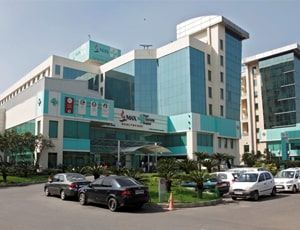
With advanced cardiac infrastructure, Max Super Speciality Hospital, Saket offers Pacemaker Implantation Surgery for patients requiring long-term heart rhythm support. Established in 2006, the JCI, NABH accredited hospital is located in Delhi, India, and has 539 beds.
Pacemaker implantation can help maintain an appropriate heart rate in patients with slow heart rhythms or conduction problems. Depending on the clinical requirement, a single-chamber, dual-chamber, or leadless pacemaker may be used. Before the procedure, specialists perform ECG monitoring and other cardiac assessments to determine the most appropriate device and implantation approach.
Gurgaon, India
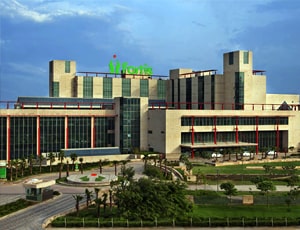
Fortis Memorial Research Institute provides Pacemaker Implantation Surgery using contemporary cardiac device technology and evidence-based electrophysiology care. Founded in 2013, the JCI, NABH, NABL accredited hospital is based in Gurgaon, India, with 311 beds and services for domestic and international patients.
During implantation, the pacemaker is positioned beneath the skin, while leads are guided into the heart through a blood vessel when a conventional system is used. The device monitors heart rhythm and delivers electrical impulses when needed. The cardiologist assesses ECG findings, rhythm abnormalities, symptoms, and overall health before selecting the appropriate device.
VPS Rockland Hospital offers specialised Pacemaker Implantation Surgery using modern cardiac technology and established electrophysiology treatment protocols. Established in 2013, the NABH, NABL accredited hospital is situated in Gurgaon, India, with 345 beds, serving local and international patients.
A pacemaker is designed to support the heart when its natural electrical system cannot maintain an adequate rhythm. The procedure may involve implanting a generator and cardiac leads, or, in selected cases, a leadless device. Before treatment, the cardiac team reviews the patient's symptoms, ECG, rhythm-monitoring results, medical history, and heart condition to determine the most suitable pacemaker system.
Chennai, India
At The Madras Institute of Orthopedics and Traumatology, patients can access Pacemaker Implantation Surgery supported by advanced electrophysiology facilities and experienced cardiac specialists. Established in 1999, the JCI, NABH accredited hospital is located in Chennai, India, and has 1000 beds.
A pacemaker may be recommended for conditions such as symptomatic bradycardia, heart block, or certain rhythm disorders. Traditional systems involve placing a pulse generator under the skin and connecting it to leads inside the heart. In suitable cases, a leadless pacemaker may be considered. Cardiac testing helps guide treatment planning.
Sanar International Hospital offers advanced Pacemaker Implantation Surgery using modern cardiac techniques and internationally accepted treatment protocols. Established in 2018, the NABH, JCI, AACI accredited hospital is located in Gurugram, India, with 150 beds, providing comprehensive cardiac care for local and international patients.
Pacemaker implantation involves placing a small electronic device that helps regulate an abnormally slow or irregular heartbeat. The device is connected to one or more leads positioned inside the heart, or may be implanted as a leadless system in selected patients. Before implantation, the cardiologist evaluates the heart rhythm and determines the most suitable pacemaker type.
Manipal Hospital, Ghaziabad offers advanced Pacemaker Implantation Surgery using modern cardiac techniques and internationally accepted treatment protocols. Established in 2010, the NABH, NABL accredited hospital is located in Ghaziabad, India, with 9500 beds, providing comprehensive cardiac care for local and international patients.
Pacemaker implantation involves placing a small electronic device that helps regulate an abnormally slow or irregular heartbeat. The device is connected to one or more leads positioned inside the heart, or may be implanted as a leadless system in selected patients. Before implantation, the cardiologist evaluates the heart rhythm and determines the most suitable pacemaker type.
With advanced cardiac infrastructure, Shanti Mukand Hospital offers Pacemaker Implantation Surgery for patients requiring long-term heart rhythm support. Established in 1995, the NABH, NABL accredited hospital is located in Delhi, India, and has 200 beds.
Pacemaker implantation can help maintain an appropriate heart rate in patients with slow heart rhythms or conduction problems. Depending on the clinical requirement, a single-chamber, dual-chamber, or leadless pacemaker may be used. Before the procedure, specialists perform ECG monitoring and other cardiac assessments to determine the most appropriate device and implantation approach.
With advanced cardiac infrastructure, VPS Lakeshore Hospital offers Pacemaker Implantation Surgery for patients requiring long-term heart rhythm support. Established in 2003, the NABH, ISO accredited hospital is located in Kochi, India, and has 350 beds.
Pacemaker implantation can help maintain an appropriate heart rate in patients with slow heart rhythms or conduction problems. Depending on the clinical requirement, a single-chamber, dual-chamber, or leadless pacemaker may be used. Before the procedure, specialists perform ECG monitoring and other cardiac assessments to determine the most appropriate device and implantation approach.
At Dr. Rela Institute and Medical Centre, patients can access Pacemaker Implantation Surgery supported by advanced electrophysiology facilities and experienced cardiac specialists. Established in 2018, the NABH, NABL accredited hospital is located in Chennai, India, and has 450 beds.
A pacemaker may be recommended for conditions such as symptomatic bradycardia, heart block, or certain rhythm disorders. Traditional systems involve placing a pulse generator under the skin and connecting it to leads inside the heart. In suitable cases, a leadless pacemaker may be considered. Cardiac testing helps guide treatment planning.
Apollo Multispecialty Hospitals offers advanced Pacemaker Implantation Surgery using modern cardiac techniques and internationally accepted treatment protocols. Established in 2003, the JCI, ISO accredited hospital is located in Kolkata, India, with 700 beds, providing comprehensive cardiac care for local and international patients.
Pacemaker implantation involves placing a small electronic device that helps regulate an abnormally slow or irregular heartbeat. The device is connected to one or more leads positioned inside the heart, or may be implanted as a leadless system in selected patients. Before implantation, the cardiologist evaluates the heart rhythm and determines the most suitable pacemaker type.
Apollo Hospital provides Pacemaker Implantation Surgery using contemporary cardiac device technology and evidence-based electrophysiology care. Founded in 1983, the JCI accredited hospital is based in Chennai, India, with 550 beds and services for domestic and international patients.
During implantation, the pacemaker is positioned beneath the skin, while leads are guided into the heart through a blood vessel when a conventional system is used. The device monitors heart rhythm and delivers electrical impulses when needed. The cardiologist assesses ECG findings, rhythm abnormalities, symptoms, and overall health before selecting the appropriate device.
Fortis Hospital offers specialised Pacemaker Implantation Surgery using modern cardiac technology and established electrophysiology treatment protocols. Established in 2004, the NABH, NABL accredited hospital is situated in Noida, India, with 400 beds, serving local and international patients.
A pacemaker is designed to support the heart when its natural electrical system cannot maintain an adequate rhythm. The procedure may involve implanting a generator and cardiac leads, or, in selected cases, a leadless device. Before treatment, the cardiac team reviews the patient's symptoms, ECG, rhythm-monitoring results, medical history, and heart condition to determine the most suitable pacemaker system.
Manipal Hospital, Yeshwantpur provides Pacemaker Implantation Surgery using contemporary cardiac device technology and evidence-based electrophysiology care. Founded in 2022, the JCI, NABH, NABL accredited hospital is based in Bangalore, India, with 250 beds and services for domestic and international patients.
During implantation, the pacemaker is positioned beneath the skin, while leads are guided into the heart through a blood vessel when a conventional system is used. The device monitors heart rhythm and delivers electrical impulses when needed. The cardiologist assesses ECG findings, rhythm abnormalities, symptoms, and overall health before selecting the appropriate device.
BGS Gleneagles Global Hospitals offers advanced Pacemaker Implantation Surgery using modern cardiac techniques and internationally accepted treatment protocols. Established in 2007, the NABH, NABL accredited hospital is located in Bangalore, India, with 500 beds, providing comprehensive cardiac care for local and international patients.
Pacemaker implantation involves placing a small electronic device that helps regulate an abnormally slow or irregular heartbeat. The device is connected to one or more leads positioned inside the heart, or may be implanted as a leadless system in selected patients. Before implantation, the cardiologist evaluates the heart rhythm and determines the most suitable pacemaker type.
Wockhardt Hospital, Umrao provides Pacemaker Implantation Surgery using contemporary cardiac device technology and evidence-based electrophysiology care. Founded in 2014, the NABH accredited hospital is based in Mumbai, India, with 350 beds and services for domestic and international patients.
During implantation, the pacemaker is positioned beneath the skin, while leads are guided into the heart through a blood vessel when a conventional system is used. The device monitors heart rhythm and delivers electrical impulses when needed. The cardiologist assesses ECG findings, rhythm abnormalities, symptoms, and overall health before selecting the appropriate device.

Mr. Hailu Kassa underwent Coronary Artery Bypass Surgery in Vejthani Hospital, Thailand under the supervision of Dr. Piya, Cardio-Thoracic Surgeon

Patient Testimonial: Rod Schaubroeck from United States (U.S.A) underwent heart valve replacement at Fortis Hospital, India
| Speciality | Cardiac Sciences |
| Procedure | Pacemaker Implantation Surgery |
| Success Rate | 99% |
| Recovery Time | 1-2 weeks |
| Treatment Time | 1-2 hours |
| Chances of Recurrence | 1% |
Yes, most hospitals in India that perform pacemaker implantation surgeries are endowed with modern technologies. The health care in India is well developed, and several multi-speciality hospitals have done cardiovascular surgeries and implanted pacemakers using the latest equipment regularly.
India's best destinations for pacemaker implantation surgery have some of the most qualified cardiologists and cardiac surgeons, equipped with the best imaging systems, electrophysiology lab and modern pacemaker devices. These hospitals provide well-rounded preoperative, intraoperative and postoperative care, emphasising patient safety, comfort, and future care. They also have high success rates and national/international affiliations and offer individualised and client-friendly services.
The pacemaker implantation surgery efficiency rate in India is often very high, from 95 to 98% of cases. This high success rate is attributed to better technology, specialised cardiac surgeons and physicians and increased accessibility of facilities with the best equipment.
Through the patients, MediGence provides the list of certified and recognised doctors in India for Pacemaker Implantation Surgery. At that point, the patient is provided with all the data necessary regarding the expert’s specialisation, experience, success stories, and other crucial experience data. From the list of resources that MediGence offers, patients can quickly get the right doctor and hence have the correct tests done, which are well-recommended and cost-efficient. It is an ideal connection source to help you consult and find needed treatment only with reputable and experienced providers.
A few of the best hospitals for Pacemaker Implantation Surgery in India are as follows:
The cost of a Pacemaker Implantation Surgery in India typically ranges from (USD 3000 - 5500), depending on the hospital location, surgeon's expertise, and the procedure's complexity.
Pacemaker Implantation Surgery in India includes complete treatment solutions for overseas visitors. Numerous healthcare organisations nationwide are conversant with medical tourism and have individual services to cater to international clients. These services often include:
As with any other operation, pacemaker implantation has some risks, but this incidence is much lower in specialised centres in India. However, critical factors are who will operate and what type of hospital. Some potential risks include:
The usual recovery period after pacemaker implantation surgery in India is 2-4 weeks. The vast majority of patients are subject to observation in the hospital for 1-2 days and, if no complications have occurred, are discharged after 2-4 days.
The restricted activity period includes no heavy lifting for the first 2-4 weeks, and depending on the severity of the surgery, most patients can return to light work at 4-6 weeks. In most cases, the recovery duration depends on patients’ response to the surgery. It ranges from 1 to 2 months, after which they can take on everyday activities, although they are expected to attend follow-up appointments occasionally to check on the pacemaker.
To receive a teleconsultation with a cardiologist before planning your trip to India to undergo the Pacemaker Implantation Surgery, use the Medigence platform. All it takes is a callback from a specialist, a diagnosis, and learning about treatments and procedures available to you from the comfort of your home. This way, you can make the right choices and may not doubt your treatment choice.
The postoperative care of patients in India after the Pacemaker Implantation Surgery is a separate component of the treatment that primarily concerns overall recovery and complications prevention of the patient’s heart. Here’s what post-operative care typically involves:
India is a popular choice for Pacemaker Implantation Surgery because of several factors:
First, the patient will be asked to complete an online contact form on our site. Once submitted, MediGence will contact you to help fix your Pacemaker Implantation Surgery in India. With us, you will know which hospital to go to, you will see a doctor of your choice, and we will support you step by step. Enrollment is our guideline, with the help of which we help you receive the required documents and coordinate your treatment schedule so you can have comfort all the time from the day of registration up to the day of discharge from the hospital.
Like other medical treatments in India for pacemaker implantation surgery, patients should prepare themselves for the diagnosis and readiness for the surgery in a well-managed manner. Here’s what typically happens:
Current treatment for heart diseases involves pacemaker implantation since it is a standard treatment for some heart conditions. However, that is not the only option since India has different treatments and management for heart diseases depending on the problem. Some of these alternatives include:
Pre-Operative Process in India for Pacemaker Implantation Surgery consists of a few steps to decrease complications and ensure the efficient process of the procedure. Here’s a guide on how to prepare:

India has become a global centre for advanced cardiac care due to steady advancements in clinical technology and therapeutic accessibility. The leadless pacemaker is a groundbreaking advancement in cardiovascular medicine that is revolutionising the treatment of bradycardia.