Browse verified doctors or let our care team help you find the doctor best suited to your condition, treatment goals, and budget.

At Life Kingsbury Hospital, patients can access Pacemaker Implantation Surgery supported by advanced electrophysiology facilities and experienced cardiac specialists. Established in 1918, the accredited hospital is located in Cape Town, South Africa, and has 212 beds.
A pacemaker may be recommended for conditions such as symptomatic bradycardia, heart block, or certain rhythm disorders. Traditional systems involve placing a pulse generator under the skin and connecting it to leads inside the heart. In suitable cases, a leadless pacemaker may be considered. Cardiac testing helps guide treatment planning.
Johannesburg, South Africa
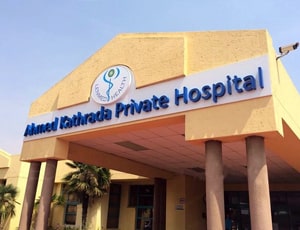
At Lenmed Ahmed Kathrada Private Hospital, patients can access Pacemaker Implantation Surgery supported by advanced electrophysiology facilities and experienced cardiac specialists. Established in 1984, the COHSASA, ISQua accredited hospital is located in Johannesburg, South Africa, and has 254 beds.
A pacemaker may be recommended for conditions such as symptomatic bradycardia, heart block, or certain rhythm disorders. Traditional systems involve placing a pulse generator under the skin and connecting it to leads inside the heart. In suitable cases, a leadless pacemaker may be considered. Cardiac testing helps guide treatment planning.
Durban, South Africa
Lenmed Ethekwini Hospital and Heart Centre offers advanced Pacemaker Implantation Surgery using modern cardiac techniques and internationally accepted treatment protocols. Established in 2002, the accredited hospital is located in Durban, South Africa, with 353 beds, providing comprehensive cardiac care for local and international patients.
Pacemaker implantation involves placing a small electronic device that helps regulate an abnormally slow or irregular heartbeat. The device is connected to one or more leads positioned inside the heart, or may be implanted as a leadless system in selected patients. Before implantation, the cardiologist evaluates the heart rhythm and determines the most suitable pacemaker type.

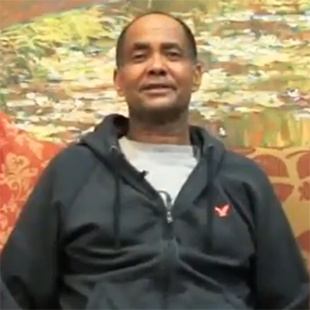
Mr. Hailu Kassa underwent Coronary Artery Bypass Surgery in Vejthani Hospital, Thailand under the supervision of Dr. Piya, Cardio-Thoracic Surgeon

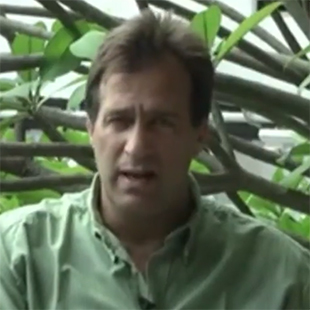
Patient Testimonial: Rod Schaubroeck from United States (U.S.A) underwent heart valve replacement at Fortis Hospital, India
| Speciality | Cardiac Sciences |
| Procedure | Pacemaker Implantation Surgery |
| Success Rate | 99% |
| Recovery Time | 1-2 weeks |
| Treatment Time | 1-2 hours |
| Chances of Recurrence | 1% |
Pacemaker implantation surgery involves inserting a small electronic device known as a pacemaker into the chest to regulate the heartbeat. It is frequently used to treat irregular heart rhythms, especially bradycardia (slow heart rate) and certain types of heart block. The pacemaker is made up of a generator and one or more leads (wires) that are implanted in the heart. It continuously monitors the electrical activity of the heart and sends electrical impulses when necessary to keep the heart rate and rhythm normal.
Pacemaker implantation surgery is primarily used to treat conditions such as bradycardia (slow heart rate), atrioventricular (AV) block, sick sinus syndrome, and certain arrhythmias. These conditions can cause symptoms like fatigue, dizziness, shortness of breath, and fainting spells.
After a pacemaker implantation surgery, patients usually stay in the hospital for a short period of time for observation. During the recovery process, the incision site needs to be kept clean and dry. Activities that strain the upper body should be avoided for several weeks to allow proper healing. The patient may experience soreness and mild discomfort at the incision site, which can be managed with pain medication. Regular follow-up appointments with the cardiologist are scheduled to monitor the pacemaker's function and ensure a smooth recovery. The pacemaker's battery life is typically checked during these follow-up visits, and periodic battery replacements may be required in the future.
According to the procedure, hospitals are ranked based on a variety of components. To rank these hospitals in South Africa for Pacemaker Implantation Surgery, take the following aspects into account- Infrastructure, Availability of the Procedure, Popularity for the procedure, Technology Used, Qualified & Experienced Specialists, Cost, Facilities provided, Success Rate
With MediGence, you can avail quality healthcare along with convenience and cost-savings. While travelling for treatment abroad, MediGence makes sure that your healthcare journey should be smooth and hassle-free. Some of our caregiving services & unmatched benefits include hotel stays or accommodation, airport transfers, dedicated case manager, care packages for recovery, online consultations with the specialist, 24/7 assistance, and prenegotiated treatment packages with an assured 30% discount. Furthermore, we have alot more other benefits for you to recieve top-notch medical care.
Yes, you can avail a video consultation with the specialist before travelling to South Africa. To schedule the consultation, please get in touch with our patient advisory team. Upon your request, our experts will check the doctor's availability, and send you the payment link to finalize the appointment.
Due to the high success rate and top-notch hospital infrastructure, Pacemaker Implantation Surgery in South Africa is considered reliable by many people around the world. Many other factors make South Africa the preferred choice for Pacemaker Implantation Surgery. These include:
The recovery time for a procedure varies based on the condition of the patient and the complexity of the surgery. Other than that, rehabilitation post-treatment also plays a crucial role in reducing the healing time and aiding in proper recovery. Patients must also visit for follow-ups post-surgery to ensure proper healing and speed up the recovery process.