Explore trusted hospitals and care options, or get personalised support to find a suitable option based on your treatment needs, preferences, and budget.

Medical Park Tokat Hospital is a trusted healthcare provider for Atherectomy, offering minimally invasive plaque-removal treatment supported by experienced interventional cardiologists, vascular specialists, advanced catheterization laboratories, and multidisciplinary cardiovascular care. Established in 2015, the JCI- accredited hospital is situated in Tokat, Turkey and has 157 beds.
Atherectomy works by reducing or modifying plaque within a narrowed artery to improve the passage of blood and facilitate further endovascular treatment when required. Different technologies may be used, including directional, rotational, orbital, or laser atherectomy, depending on the location and composition of the plaque. In some cases, atherectomy is followed by balloon angioplasty and stent placement to achieve and maintain adequate vessel opening.
VM Medical Park Samsun Hospital provides specialised Atherectomy with a focus on precise plaque modification, advanced endovascular technology, and individualised cardiovascular care. Established in 2017, the JCI accredited hospital is located in Samsun, Turkey and operates 300 beds, with modern interventional cardiology, vascular, and critical-care infrastructure.
Atherectomy can help treat complex arterial blockages by reducing plaque burden and improving vessel access for subsequent interventions. Treatment planning considers the location and severity of the blockage, plaque composition, vessel diameter, degree of calcification, symptoms, and the patient's overall cardiovascular condition. A detailed vascular assessment helps the specialist determine the most appropriate atherectomy technology and whether additional treatment such as balloon angioplasty or stenting is required.
Avcilar Anadolu Hospital is a trusted healthcare provider for Atherectomy, offering minimally invasive plaque-removal treatment supported by experienced interventional cardiologists, vascular specialists, advanced catheterization laboratories, and multidisciplinary cardiovascular care. Established in 1998, the JCI- accredited hospital is situated in Istanbul, Turkey and has 120 beds.
Atherectomy works by reducing or modifying plaque within a narrowed artery to improve the passage of blood and facilitate further endovascular treatment when required. Different technologies may be used, including directional, rotational, orbital, or laser atherectomy, depending on the location and composition of the plaque. In some cases, atherectomy is followed by balloon angioplasty and stent placement to achieve and maintain adequate vessel opening.
Monastir, Tunisia
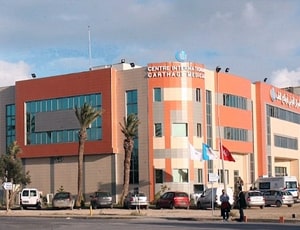
At Carthage International Medical Center, Atherectomy is performed using specialised catheter-based techniques and comprehensive pre-procedure vascular assessment. Established in 2014, this JCI accredited hospital in Monastir, Tunisia has 120 beds and offers advanced interventional cardiology and vascular services.
Atherectomy may be considered for patients with significant arterial narrowing, particularly when plaque is heavily calcified or difficult to treat effectively with balloon angioplasty alone. During the procedure, a catheter-mounted atherectomy device is advanced to the affected artery under imaging guidance and used to remove or modify the obstructing plaque. Angiography and other vascular investigations help determine the extent and characteristics of the arterial disease before treatment.
Jeddah, Saudi Arabia
At NMC Chronic Care Specialized Hospital, Atherectomy is performed using specialised catheter-based techniques and comprehensive pre-procedure vascular assessment. Established in 2013, this CBAHI accredited hospital in Jeddah, Saudi Arabia has 120 beds and offers advanced interventional cardiology and vascular services.
Atherectomy may be considered for patients with significant arterial narrowing, particularly when plaque is heavily calcified or difficult to treat effectively with balloon angioplasty alone. During the procedure, a catheter-mounted atherectomy device is advanced to the affected artery under imaging guidance and used to remove or modify the obstructing plaque. Angiography and other vascular investigations help determine the extent and characteristics of the arterial disease before treatment.
Choosing Centro Medico Teknon for Atherectomy gives patients access to experienced interventional specialists, advanced angiography and imaging systems, specialized catheterization facilities, and structured post-procedure monitoring. Established in 1994, the JCI accredited hospital in Barcelona, Spain has 211 beds and provides specialized vascular intervention services.
Atherectomy is generally performed under local anaesthesia with sedation when appropriate. A catheter is introduced through a blood vessel and guided to the site of arterial obstruction, where the selected atherectomy device removes or modifies the plaque. The treated artery may then undergo balloon angioplasty or stent placement depending on the clinical situation. Patients are monitored after treatment for bleeding, changes in circulation, vessel injury, or other potential complications.
Barcelona, Spain
Choosing Hospital Quironsalud Barcelona for Atherectomy gives patients access to experienced interventional specialists, advanced angiography and imaging systems, specialized catheterization facilities, and structured post-procedure monitoring. Established in 1944, the JCI, ISO accredited hospital in Barcelona, Spain has 165 beds and provides specialized vascular intervention services.
Atherectomy is generally performed under local anaesthesia with sedation when appropriate. A catheter is introduced through a blood vessel and guided to the site of arterial obstruction, where the selected atherectomy device removes or modifies the plaque. The treated artery may then undergo balloon angioplasty or stent placement depending on the clinical situation. Patients are monitored after treatment for bleeding, changes in circulation, vessel injury, or other potential complications.
Delhi, India
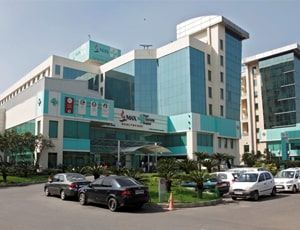
Max Super Speciality Hospital, Patparganj offers advanced Atherectomy using modern endovascular and interventional vascular techniques and individualized cardiovascular care plans. Established in 2005, the NABH, NABL, AACI accredited hospital is located in Delhi, India and has 400 beds, providing comprehensive vascular care for local and international patients.
Atherectomy is a minimally invasive procedure used to remove or modify atherosclerotic plaque that has narrowed or blocked an artery. During the procedure, a specialized catheter is guided through the blood vessel to the affected area, where a device is used to shave, cut, sand, or otherwise modify the plaque. Atherectomy may be performed in peripheral arteries and, in selected cases, coronary arteries, depending on the location and characteristics of the blockage.
Farrer Park Hospital is a trusted healthcare provider for Atherectomy, offering minimally invasive plaque-removal treatment supported by experienced interventional cardiologists, vascular specialists, advanced catheterization laboratories, and multidisciplinary cardiovascular care. Established in 2016, the - accredited hospital is situated in Singapore, Singapore and has 220 beds.
Atherectomy works by reducing or modifying plaque within a narrowed artery to improve the passage of blood and facilitate further endovascular treatment when required. Different technologies may be used, including directional, rotational, orbital, or laser atherectomy, depending on the location and composition of the plaque. In some cases, atherectomy is followed by balloon angioplasty and stent placement to achieve and maintain adequate vessel opening.
Choosing The London Clinic for Atherectomy gives patients access to experienced interventional specialists, advanced angiography and imaging systems, specialized catheterization facilities, and structured post-procedure monitoring. Established in , the JCI accredited hospital in London, United Kingdom has 234 beds and provides specialized vascular intervention services.
Atherectomy is generally performed under local anaesthesia with sedation when appropriate. A catheter is introduced through a blood vessel and guided to the site of arterial obstruction, where the selected atherectomy device removes or modifies the plaque. The treated artery may then undergo balloon angioplasty or stent placement depending on the clinical situation. Patients are monitored after treatment for bleeding, changes in circulation, vessel injury, or other potential complications.
At Werndale Hospital, Atherectomy is performed using specialised catheter-based techniques and comprehensive pre-procedure vascular assessment. Established in 1991, this accredited hospital in Carmarthen, United Kingdom has 19 beds and offers advanced interventional cardiology and vascular services.
Atherectomy may be considered for patients with significant arterial narrowing, particularly when plaque is heavily calcified or difficult to treat effectively with balloon angioplasty alone. During the procedure, a catheter-mounted atherectomy device is advanced to the affected artery under imaging guidance and used to remove or modify the obstructing plaque. Angiography and other vascular investigations help determine the extent and characteristics of the arterial disease before treatment.
Ekol provides specialised Atherectomy with a focus on precise plaque modification, advanced endovascular technology, and individualised cardiovascular care. Established in 2000, the ISO accredited hospital is located in Izmir, Turkey and operates beds, with modern interventional cardiology, vascular, and critical-care infrastructure.
Atherectomy can help treat complex arterial blockages by reducing plaque burden and improving vessel access for subsequent interventions. Treatment planning considers the location and severity of the blockage, plaque composition, vessel diameter, degree of calcification, symptoms, and the patient's overall cardiovascular condition. A detailed vascular assessment helps the specialist determine the most appropriate atherectomy technology and whether additional treatment such as balloon angioplasty or stenting is required.
Kuala Lumpur, Malaysia
Ara Damansara Medical Centre provides specialised Atherectomy with a focus on precise plaque modification, advanced endovascular technology, and individualised cardiovascular care. Established in 2012, the JCI, MSQH accredited hospital is located in Kuala Lumpur, Malaysia and operates 220 beds, with modern interventional cardiology, vascular, and critical-care infrastructure.
Atherectomy can help treat complex arterial blockages by reducing plaque burden and improving vessel access for subsequent interventions. Treatment planning considers the location and severity of the blockage, plaque composition, vessel diameter, degree of calcification, symptoms, and the patient's overall cardiovascular condition. A detailed vascular assessment helps the specialist determine the most appropriate atherectomy technology and whether additional treatment such as balloon angioplasty or stenting is required.
Arab Medical Center provides specialised Atherectomy with a focus on precise plaque modification, advanced endovascular technology, and individualised cardiovascular care. Established in 1997, the JCI accredited hospital is located in Amman, Jordan and operates 243 beds, with modern interventional cardiology, vascular, and critical-care infrastructure.
Atherectomy can help treat complex arterial blockages by reducing plaque burden and improving vessel access for subsequent interventions. Treatment planning considers the location and severity of the blockage, plaque composition, vessel diameter, degree of calcification, symptoms, and the patient's overall cardiovascular condition. A detailed vascular assessment helps the specialist determine the most appropriate atherectomy technology and whether additional treatment such as balloon angioplasty or stenting is required.
Delhi, India
At Max Super Speciality Hospital, Saket, Atherectomy is performed using specialised catheter-based techniques and comprehensive pre-procedure vascular assessment. Established in 2006, this JCI, NABH accredited hospital in Delhi, India has 539 beds and offers advanced interventional cardiology and vascular services.
Atherectomy may be considered for patients with significant arterial narrowing, particularly when plaque is heavily calcified or difficult to treat effectively with balloon angioplasty alone. During the procedure, a catheter-mounted atherectomy device is advanced to the affected artery under imaging guidance and used to remove or modify the obstructing plaque. Angiography and other vascular investigations help determine the extent and characteristics of the arterial disease before treatment.
| Speciality | Cardiac Sciences |
| Procedure | Atherectomy |
| Success Rate | 75-85% |
| Recovery Time | 3 to 7 days |
| Treatment Time | 2 to 3 hours |
| Chances of Recurrence | 5-10% |
Atherectomy is a minimally invasive medical procedure that removes plaque buildup from narrowed arteries to create a better pathway for blood flow. During the procedure, a catheter with a cutting or ablating device is inserted into the affected artery. The atherectomy procedure helps restore blood flow and improve the artery's diameter. There are 4 main types of atherectomy excisional atherectomy (a blade is used to cut the plaque in one direction), laser ablation atherectomy (use of a laser beam to destroy plaque), orbital atherectomy, and rotational atherectomy (circular motion blades are used to cut through the plaque).
Atherectomy is primarily used to treat peripheral arterial disease (PAD) and peripheral vascular disease (PVD) in the lower extremities. It is especially beneficial when traditional treatments like angioplasty and stenting are not suitable due to severe calcification or complex plaque formation.
The recovery period after an atherectomy is usually short. The site of insertion may feel a little bruised. The patient may feel some discomfort for a few hours post procedure. The patient is usually discharged in a day or two. They are advised to rest and avoid strenuous activities for a few days. The healthcare team monitors the patient's progress and provides appropriate post-procedure care instructions to ensure a smooth recovery.