8 Hospitals

- JCI Accreditation - awarded by the Joint Commission International for meeting international healthcare standards.
- HIMSS Stage 6 Certification - recognized for the hospital's adoption and effective use of advanced health information technology.
- 2019 Health Service of the Year (Asia) - recognized for providing quality healthcare services in Asia.
- Korean National Quality Award - recognition of the hospital's excellence in quality management.
- Best Hospital IT Department Award - awarded by the Korean Ministry of Health and Welfare for the hospital's outstanding IT department.
- The Research and Innovation Award: Pioneering work in medical research and innovation, including groundbreaking discoveries and advancements in medical technology.
- The Patient Care and Experience Award: Dedication to providing high-quality patient care and a positive patient experience, including patient comfort and satisfaction.
- The Global Health Leadership Award: Leadership in global health initiatives, including international partnerships, collaborations, and outreach programs.
- Accreditation

Please Enquire

- Best Plastic Surgery Hospital in Korea 2021 - ID Hospital was named the best plastic surgery hospital in Korea by the Global Health & Pharma Awards.
- Best Cosmetic Surgery Hospital in Asia 2020 - The hospital received this award from the Asia Pacific Healthcare & Medical Tourism Congress for its excellence in cosmetic surgery services.
- Best Facial Bone Contouring Hospital in Korea 2019 - ID Hospital was recognized for its exceptional facial bone contouring services by the Korea Health Industry Development Institute.
- Best Rhinoplasty Hospital in Korea 2018 - The hospital received this award from the Korean Ministry of Health and Welfare for its outstanding rhinoplasty services.
- Best Plastic Surgery Clinic in Seoul 2017 - ID Hospital was named the best plastic surgery clinic in Seoul by the Seoul Metropolitan Government.
- Accreditation


- Best Hospital for Cardiology in South Korea - 2021: International St. Mary's Hospital won the award for Best Hospital for Cardiology in South Korea at the 2021 Global Health and Travel Awards.
- Best Hospital for Neurology in Seoul - 2020: The award for Best Hospital for Neurology in Seoul was given to International St. Mary's Hospital at the 2020 Global Health and Travel Awards.
- Best Hospital for Gastroenterology in South Korea - 2019: International St. Mary's Hospital won the award for Best Hospital for Gastroenterology in South Korea at the 2019 Global Health and Travel Awards.
- Best Hospital for Women's Health in Seoul - 2018: The award for Best Hospital for Women's Health in Seoul was given to International St. Mary's Hospital at the 2018 Global Health and Travel Awards.
- Best Hospital for Oncology in South Korea - 2017: International St. Mary's Hospital won the award for Best Hospital for Oncology in South Korea at the 2017 Global Health and Travel Awards.
- Accreditation

- Accreditation
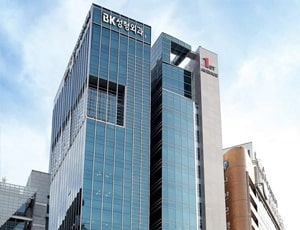
- Best Plastic Surgery Clinic in South Korea award at the Korea Health Industry Awards in 2019.
- Best Plastic Surgery Center in Korea award at the Medical Korea Awards in 2019.
- Best Aesthetic Clinic in Korea award at the Global Beauty Awards in 2020.
- Best Plastic Surgery Clinic in Seoul award at the Global Health and Pharma Awards in 2020.
- Excellence in Plastic Surgery award at the Healthcare and Pharmaceutical Awards in 2021.
Please Enquire

- Accreditation

- ZEISS Recognition: BGN Eye Hospital is recognised as an official ZEISS SMILE / SMILE PRO centre.
- BGN Eye Hospital is also recognised for quality in laser operations using the machines from Carl Zeiss.
- BGN Eye Hospital is recognised by the manufacturer STAAR as one of the best hospitals in Korea for ICL surgery.
- Accreditation

Ask your healthcare adviser for the best multiple options and choose the one that meets your expectations
Request for an Expert Opinion

Patient Stories
More Related Information
Some of the top rated docotrs are:
Top rated hospitals in other destinations are:
- Turkey
- Medicana Bahcelievler, Istanbul
- Acibadem Hospital in Taksim, Istanbul
- Istinye University LIV Hospital, Istanbul
- Hisar Intercontinental Hospital, Istanbul
- Medical Park Ordu Hospital, Ordu
- Malaysia
- Thailand
- Phyathai 2 International Hospital, Bangkok
- Radiance Skin Clinic , Bangkok
- Vejthani Hospital, Bangkok
- Takara IVF Bangkok, Bangkok
- Kamol Cosmetic Hospital, Bangkok
- United Kingdom
Get Insight with our Blogs

Maureen’s Journey to Better Cardiac Clarity
At 72 years old, Maureen, a resident of the United States, had been living with persistent episodes of sudden weakness, nausea, and near-fainting that significantly affected her confidence and daily life.


FAQ's Related to South Korea
The patient-centric hospitals strictly follow the healthcare standards and protocols set by certifying bodies to ensure quality medical care without compromising patient safety. The multispecialty hospitals in South Korea provide world-class treatment with the help of high-tech equipment, the latest medical technologies, and state-of-art infrastructure. South Korea boasts of having top-quality multispecialty hospitals, such as Kangbuk Samsung Hospital, Seoul; Asan Medical Centre, Seoul; ID Hospital, Seoul; International St. Mary's Hospital, Seoul; and Wooridul Hospital Seoul, Seoul.
There are 29 JCI accredited hospitals in South Korea and the organization has a strong quality framework that the accredited hospitals need to follow. The healthcare systems in South Korea are accredited by Commission International (JCI) and Korea Institute for Healthcare Accreditation (KOHIA). KOIHA has a comprehensive framework for evaluating the hospitals and the quality parameters are administrative management and quality of patient care and performance management. The certified hospitals are strictly monitored by the accreditation bodies to ensure the quality of healthcare is as per the international standards.
Proving quality care at an affordable cost, the country is declared most innovative in healthcare practices. With advanced infrastructure and most advanced medical technologies in place, South Korea is one of the leading medical tourism destinations in the world. South Korea is one of the most preferred medical tourism destinations in the world due to many other reasons, such as a wide range of food options, scenic value, affordable accommodation, visa availability, transportation facilities, and language assistance. Populated with top-quality multispeciality hospitals, South Korea produces good doctors in the world who have deep expertise in their specialty area and strive to provide better patient experience through quality treatment.
The doctors focus on preventative medicine to check complications and believe in treating patients with a human touch. The well-qualified doctors have received education from reputed universities and have recorded high success rates throughout their career. In order to ensure quality medical care and patient safety, the doctors completely adhere to international standards and medical protocols. The well-trained and highly skilled doctors in South Korea use their deep expertise in performing various procedures with a high success rate.
In order to make sure that you do not miss any essential documents, make a list of all the documents you might need during your stay in South Korea. The essential documents that you need to carry along with you when traveling to South Korea are passport copies, test reports, doctor referral notes, medical history, residence/ driver’s license/ bank statement/ details of health insurance, visa, credit/debit cards. Travel insurance paper, currency/forex card, and international SIM card are some other documents you may need when traveling to another country. Always get in touch with the concerned authority to know if you require any other document other than those mentioned here.
Other than plastic surgery, the country has reported high success rates with other procedures like cancer treatment, organ transplant, cardiovascular surgeries and hip and shoulder replacement. South Korea has made landmark achievements in cancer treatment and some advanced techniques used to remove cancer cells are robotic surgeries and proton therapies. With the highest number of plastic surgeries per capita on earth, South Korea has a large number of plastic surgery clinics spread all over the country. The most sought-after procedures in South Korea are forehead augmentation, eye-widening surgery, jaw reduction surgery, double eyelid surgery, liposuction, facial plastic surgery, rhinoplasty, hair transplant, and chin augmentation.
Seoul has the world’s highest per-capita rate of plastic surgeries and Gangnam district boasts some 500 cosmetic and aesthetic centers. The cities that attract a large number of medical tourists in South Korea are Incheon, Daegu, Seoul, Busan, Cheonan, and Cheonan. Several other reasons that contribute to the popularity of these cities are transportation facilities, affordable accommodation, more food options, language assistance. These cities are backed by a number of multispecialty hospitals, the modern infrastructure, and highly skilled and trained doctors.
Relevant documents explaining the details of the treatment, signed by the concerned hospitals or doctors, a declaration from the patient or family member is also required. The person who is accompanying a patient traveling to South Korea for medical treatment is granted a medical dependent visa. The processing of obtaining a medical visa starts with the submission of medical records and the referral certificate signed by the registered medical expert. The process of obtaining a medical visa in South Korea is very stringent and is done under the strict supervision of the South Korean embassy.