What is the Diagnosis of Liver Disease
Published: Sep 24, 2022
Updated: Feb 27, 2026

Published: Sep 24, 2022
Updated: Feb 27, 2026
If you are concerned about abdominal pain, itchy skin, or yellowing skin, it’s essential that you contact your doctor. Though some alarming symptoms could indicate an issue with the liver, a diagnosis is the only way to confirm it.
A timely diagnosis of liver disease can help you access the best liver treatments at the earliest. After listening to your symptoms, your hepatologist can use/recommend the following methods for diagnosing your condition:

Explore Liver Transplant Cost & Trusted Hospitals
Compare country-wise liver transplant expenses and evaluate internationally accredited hospitals for advanced liver care.

This is the first step in diagnosing liver disease. Your hepatologist will ask you certain questions to know more about your medical history. This includes the medications you have been taking, family history of any disease, and frequency of alcohol and drug intake. Some of the questions your doctor can ask include:
If you have a history of sharing contaminated needles, blood transfusion, and unprotected sexual intercourse, you should share it with your doctor as these are some of the risk factors for infective liver disease.
During a physical exam, the hepatologist looks for signs of liver damage. For example, patients who have cirrhosis may appear weak because of weight loss. There is also yellowing of eyes and skin in Jaundice. The abdomen may show distension upon inspection. If your doctor finds something unusual, then tests will be conducted for confirming the diagnosis.
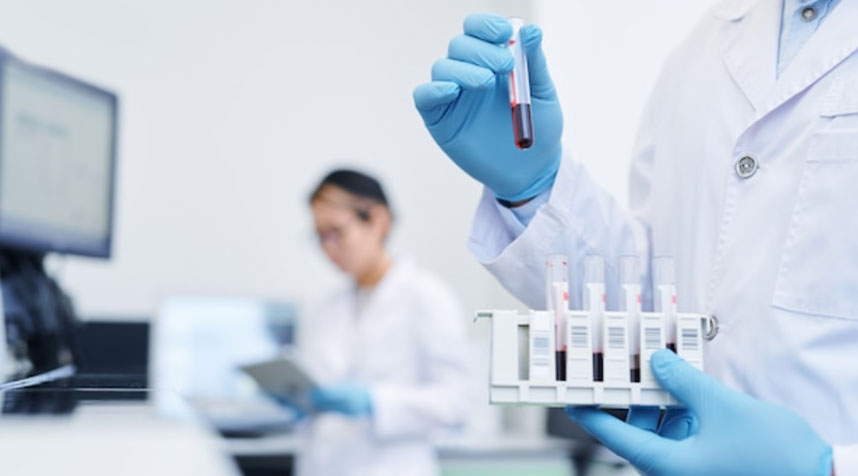
These Include Your Blood Tests and Imaging Tests.
Blood tests usually involve laboratory tests that measure the levels of proteins, enzymes, and other substances synthesized by the liver. Abnormal levels of such components could indicate a liver problem. Blood tests measure serum enzymes, alkaline phosphatase, bilirubin, and albumin. Sometimes routine blood examinations like CBC (complete blood cell count) can also help in diagnosing liver disease. WBCs, RBCs, and platelet count can be decreased if the liver disease has progressed to an advanced stage. Since liver disease may also be accompanied by inflammation of the pancreas, pancreatic lipase is also assessed.
Imaging tests: These tests could help in studying the extent of liver disease. Some of the imaging tests used include
Ultrasonography: This method uses sound waves to create pictures of the liver, bile ducts, and gall bladder. The images can then be studied to identify structural abnormalities like tumors, fatty liver, or even cirrhosis that affects the entire liver. It is a safe test.
CT scan: This imaging test provides a detailed visualization of the deeper liver tissues and can help in detecting tumors. Additionally, it is useful for checking fatty liver and abscesses.
Magnetic Resonance Imaging or MRI gives a clear image that could provide clues about conditions like hepatitis, fatty liver disease, and hemochromatosis. It can also show blood flow which helps in detecting blood vessel disorders.
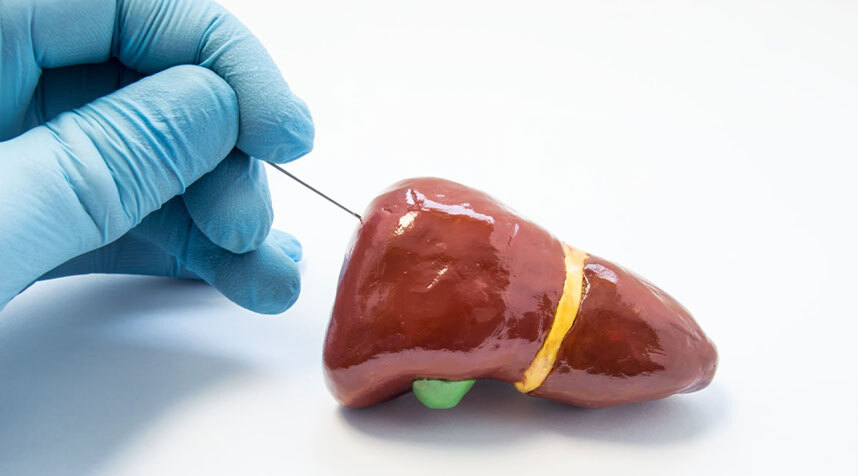
A liver biopsy will be performed by your hepatologist to obtain information about the liver that may not have been revealed by tests. The hepatologist will insert the needle through the liver tissue to obtain a sample that will be sent for analysis. Liver biopsy can detect fatty liver, chronic hepatitis, Wilson’s disease, metastatic liver cancer, and chronic inflammation of the liver.
| Liver Transplant in Different Countries | Starting Cost in USD |
|---|---|
| Liver Transplant in India | $25090 |
| Liver Transplant in Turkey | $52710 |
| Liver Transplant in Thailand | $65000 |
| Liver Transplant in Singapore | $290000 |
| Liver Transplant in Israel | $350000 |
| Liver Transplant in South Korea | $250000 |
Connect with experienced hepatologists and explore structured liver transplant packages designed for comprehensive care and recovery.

Trusted by 100000+ patients and leading medical experts.
If any of the above-mentioned diagnostic tests reveal a liver disease then you should start your treatment as soon as possible. It is vital to connect with a reputed hospital and an experienced hepatologist to get an accurate diagnosis and treatment of your condition.
Reference Links:
Dr. Shagufta Parveen is a medical and scientific content writer with expertise in clinical pharmacology and pharmacotherapeutics. She holds a B.Pharm and Doctor of Pharmacy (Post-Baccalaureate) degree from Teerthanker Mahaveer University, Moradabad. During her clinical stint at BLK-Max Super Speciality Hospital and Indraprastha Apollo Hospital, she gained hands-on experience in the Clinical Pharmacology Department. Combining scientific knowledge with strong medical writing skills, Dr. Shagufta develops evidence-based healthcare content, treatment guides, and patient education resources. Her work focuses on simplifying complex medical concepts while maintaining scientific accuracy, helping readers better understand healthcare advancements and treatment options.

Amit Bansal is a serial entrepreneur, Co-Founder, and CEO of MediGence. He has more than 17 years of strong technology experience. Having worked for some of the recognized companies in India, Australia and traveled worldwide to help businesses to grow multi-folded under his leadership and strategic guidance.




Delhi, India

Istanbul, Turkey

Istanbul, Turkey

Istanbul, Turkey
 Active


.png)


.jpg)
 (1).jpg)