Post-Surgery Care and Recovery After Arterial Switch Surgery: What to Expect During and After the Procedure
Published: Jan 07, 2026
Updated: Jun 12, 2026

Published: Jan 07, 2026
Updated: Jun 12, 2026
Congenital heart defects can cast a shadow over the joyous arrival of a newborn, but advancements in pediatric cardiology offer beams of hope. Transposition of the great arteries (TGA), a serious condition where the aorta and pulmonary artery are switched, affects about 1 in 3,500 births worldwide. Without intervention, survival is grim, but the arterial switch operation (ASO), a groundbreaking surgery that corrects this anomaly, has revolutionized outcomes.
ASO, which is best administered in the first few weeks of life, has a 95% survival rate in facilities with experience, and many of the infants go on to have normal, active lives. But the trip doesn't stop in the operating room; recovery and post-surgery care are crucial for long-term success and call for careful observation, family participation, and professional advice.
For families navigating this path internationally, medical tourism emerges as a viable, cost-effective option. India, with its world-class pediatric cardiac centers, attracts thousands seeking ASO at fractions of Western costs, typically USD 6,500-8,000 versus USD 100,000+ in the US. MediGence, a premier medical tourism platform, simplifies this by connecting patients to accredited hospitals across 15+ countries, with a strong focus on India for congenital heart surgeries.
Their patient-centric services include tele-consultations starting at USD 42, personalized treatment plans, visa assistance, concierge support, and recovery packages. Having empowered over 50,000 families, MediGence ensures seamless journeys, from pre-op evaluations to post-discharge rehab, blending affordability with excellence. In this in-depth blog, we'll explore ASO, what happens during the procedure, post-surgery care, recovery milestones, and how MediGence facilitates life-saving treatment abroad.
TGA occurs when the two main arteries leaving the heart are reversed: the aorta arises from the right ventricle (pumping deoxygenated blood), and the pulmonary artery from the left (pumping oxygenated blood). If left untreated, this mismatch prevents the body from getting enough oxygen, which can result in cyanosis (blue skin), fast breathing, and heart failure. In order to maintain the ductus arteriosus open and permit blood mixing, TGA need immediate stabilization with prostaglandin infusions. It is frequently identified during pregnancy by fetal echocardiography or after delivery by pulse oximetry screening.
Speak With Cariac Surgeons About About Atrial Switch Consult experienced pediatric cardiac surgeons at globally recognized hospitals.
The arterial switch operation, pioneered in the 1970s, is the definitive fix, switching the arteries to their correct positions and reimplanting coronary arteries. Ideal timing is within 1-3 weeks of birth, before the left ventricle weakens. Success hinges on the surgical team's expertise, centers performing high volumes report 98% operative survival. For international families, MediGence offers virtualsecond opinions from Indian pediatric cardiologists, helping assess TGA severity and ASO suitability without travel.
ASO is a complicated open-heart procedure that is usually done in a juvenile cardiac operating room under general anesthesia and lasts three to six hours. Echocardiograms, blood tests, and chest X-rays are performed days in advance to check anatomy and rule out related anomalies, such as ventricular septal defects (VSDs), which are present in 40% of instances. Parents receive counseling on risks (e.g., bleeding, infection, coronary issues) and benefits.
On surgery day, the infant is intubated and connected to monitors. A median sternotomy (chest incision) exposes the heart. The child is placed on cardiopulmonary bypass (heart-lung machine) to stop the heart, cooled to protect the organs. The surgeon transects the aorta and pulmonary artery above the valves, switches them, and reattaches them to the correct ventricles. Coronary arteries are meticulously relocated to the neo-aorta to ensure myocardial blood supply, a critical step, as misalignment causes 5-10% of complications. If a VSD exists, it's patched. The heart is rewarmed, restarted, and weaned off bypass. Echocardiography confirms function before chest closure.
Risks include arrhythmia, low cardiac output, or pulmonary hypertension, but in high-volume centers like those in India, operative mortality is <2%. MediGence partners with facilities using advanced bypass machines and intraoperative imaging, enhancing safety for medical tourists.
After ASO, the baby goes to the pediatric cardiac intensive care unit (PICU), where close observation starts. In order to maintain respiration, the kid is mechanically ventilated for one to three days. Arterial lines and sensors are used to monitor blood pressure, oxygen levels, and heart rhythm. Urine is drained via a Foley catheter, and air or fluid is removed using chest tubes. Pain is managed with IV medications, and inotropes (e.g., dopamine) bolster heart function if needed.
The first 24-48 hours are crucial: Low cardiac output syndrome (LCOS) affects 25% of cases, treated with fluids and drugs. Feeding starts via nasogastric tube, progressing to breast milk as tolerated. Parents are encouraged to visit, with kangaroo care promoting bonding once stable.
By days 3-5, if the lungs are clear, the baby is extubated and transferred to a step-down unit. The transition is evaluated by echocardiogram, and antibiotics prevent infection. In uncomplicated instances, the average length of stay in the hospital is 1-3 weeks. Family-centered PICU designs in hospitals like Fortis Escorts and Seven Hills Hospitals in India help lessen the emotional burden on families from other countries.
MediGence's concierge services include interpreter support and accommodation near hospitals, ensuring parents focus on recovery.
Recovery after ASO is a marathon, with milestones indicating progress toward normalcy. When parents are discharged, which occurs during weeks 2-3, they receive thorough instructions. Administer anticoagulant drugs and diuretics to control fluid intake, and keep an eye out for respiratory, eating, or temperature problems. Cleaning the sternotomy site and refraining from bathing until it has healed (two to three weeks) are part of wound care.
First Month: Weekly follow-ups with cardiology, check echocardiograms, and ECGs. Feeding challenges may arise due to energy demands, so fortified milk helps weight gain. Physical therapy encourages gentle movements to prevent stiffness.
Months 1-6:As heart function returns to normal, growth quickens. Routine vaccinations resume, but a minor delay is caused by the stress of surgery. While most babies meet developmental milestones on schedule, others require occupational therapy or speech therapy if there are delays. Activity restrictions are gradually lifted; until cleared, no contact sports are allowed.
Long-Term (Beyond 6 Months): Every year, examinations are performed to check for issues like coronary stenosis or aortic regurgitation, which affect 5-10% of patients. 92% of them survive to be 30 years old, and 85% of them have unfettered lifestyles by the age of 5. Although 20% of people may have moderate learning difficulties, which can be lessened with early intervention, neurodevelopmental outcomes are excellent in early repairs.
MediGence's recovery packages include tele-rehab sessions with Indian therapists, helping families monitor progress remotely post-return home.
While ASO is highly successful, complications can arise. Early: Bleeding (requiring reoperation in 2%), arrhythmias (treated with pacemakers in <1%), or infection (antibiotics suffice in most). LCOS is managed with supportive care.
Late: Neo-aortic root dilation (20-30% by adulthood) may need valve replacement; pulmonary stenosis (10%) requires balloon dilation. Coronary issues, from reimplantation, cause ischemia in 5%, detected via stress tests.
Management involves lifelong cardiology follow-up, a healthy lifestyle (diet, exercise), and prompt symptom reporting. In India, advanced imaging like 4D CT tracks these, with MediGence facilitating annual virtual check-ins.
The success of ASO is demonstrated by long-term data, which show that 93% of adults survive for 30 years without reintervention. Though some have mild cognitive difficulties, children frequently succeed in athletics, education, and employment. With cardiac surveillance, females can become pregnant after ASO.
90% of people report being in good health, indicating a significant improvement in quality of life. Even brighter futures are promised by developments like stem cell therapy and fetal surgery in 2025.
Navigating ASO abroad can be overwhelming, but MediGence transforms it into a supported journey. Specializing in pediatric cardiology tourism, they connect families to India's top centers, where ASO costs USD 6,500-8,000, including pre-op care, versus USD 150,000+ in the US.
Process: Start with tele-consultations (USD 42) for TGA diagnosis and ASO planning. MediGence handles visas, flights, and NICU-equipped accommodations. Concierge services include interpreters and cultural support throughout treatment. In comparable circumstances, post-surgery rehabilitation packages that combine physiotherapy and follow-ups result in a 65% quicker recovery.
Get cost clarity and structured recovery plans tailored for your child’s needs. Trusted by 100000+ patients and leading medical experts. Explore Atrial Switch Treatment Costs

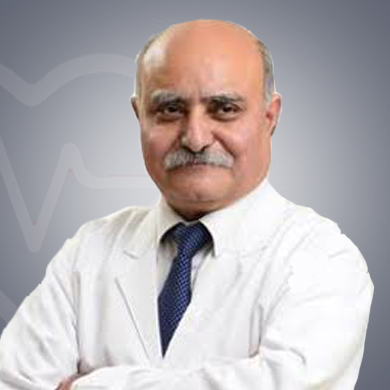
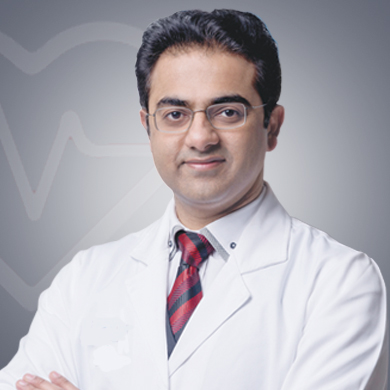
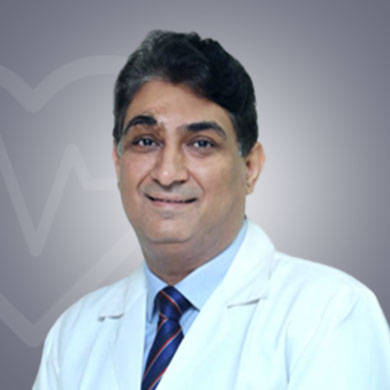
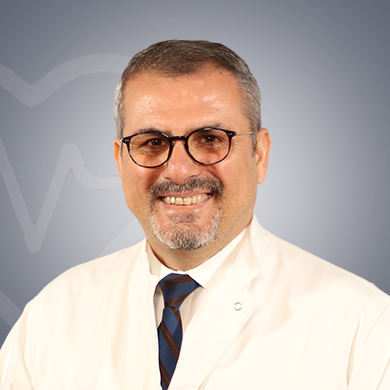
Top Indian Hospitals for ASO:
Short wait times and English-speaking staff are features of these JCI-accredited establishments. A family from overseas, MediGence saves 80% while guaranteeing excellent care by arranging consultations, surgery, a PICU stay, and rehabilitation.
With organized post-care guaranteeing prosperous futures, arterial switch surgery provides TGA infants with a fresh start. From the arduous process to the slow recuperation, families are empowered by information. MediGence makes this accessible globally, blending expertise with compassion. If facing TGA, contact MediGence today; your child's heart deserves the best.
Early diagnosis allows timely surgical correction before complications develop, significantly improving survival rates and long-term outcomes.
Recovery typically begins in the hospital over 1-3 weeks, with close ICU monitoring during the first few days. Full recovery continues at home over several months, with most infants showing significant improvement within 3-6 months.
Most children grow normally after successful surgery, especially with proper nutrition and follow-up care. Growth is closely monitored during check-ups.

Miss Nimra Haseeb is a medical researcher and a scientific content writer. She holds a Bachelor’s degree in Biotechnology and a Master’s in Biochemistry from Integral University, Lucknow. With strong experience in healthcare research, she specializes in secondary research, clinical data analysis, and evidence-based medical writing. Her work focuses on transforming complex scientific and medical information into clear, accurate, and reliable healthcare content for patients and healthcare audiences. She is also experienced in interpreting medical studies and healthcare trends to deliver well-researched and informative content that supports better health awareness and decision-making.

Dr. Naresh Kumar Goyal is highly trained as a cardiologist with exposure in virtually all aspects of cardiology. He qualified with an MD in internal medicine in 1999 from SMS Medical College, Jaipur, and served in the Cardiology Department as an honorary resident. From this stage, he also started with training in the temporary pacing of the pacemaker as well as interventional services.

Delhi, India

Istanbul, Turkey

Istanbul, Turkey

Istanbul, Turkey
 Active


.png)

.jpg)
 (1).jpg)
.png)