Our Platform Features
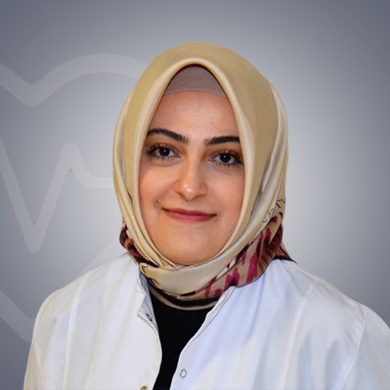
Dr. Derya Kapti
Medical Park Ordu Hospital, Turkey, Ordu
Obstetrics & Gynaecologist • 15 years experience
Dr. Derya Kapti is a specialized Gynecologist in Turkey. And one of the most sought after medical specialists in Ordu, Turkey. The doctor has over 15 Years of experience and is associated with Medical Park Ordu Hospital.
Qualifications :
- Uludag University. Faculty of Medicine Istanbul Kanuni Sultan SÃÂileyhan Education Research Hospital (Specialization)
Hospital Address :
Akyaz, Medical Park Ordu Hastanesi, ehit Ali Gaffar Okkan Caddesi, Altnordu/Ordu, Turkey
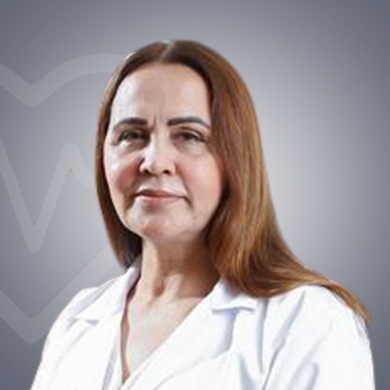
Dr. Shama Nawaz
NMC Royal Hospital Sharjah, United Arab Emirates, Sharjah
Obstetrics & Gynaecologist • 30 years experience
English Arabic Urdu Punjabi PashtoDr. Shama Nawaz is a specialized Gynecologist Laproscopic Surgeon in United Arab Emirates. And one of the most sought after medical specialists in Sharjah, United Arab Emirates. The doctor has over 20 Years of experience and is associated with NMC Royal Hospital Sharjah.
Association and Memberships Dr. Shama Nawaz is part of:
- Member of MRCP in Advance Obstetric Ultrasound (RCOG/ RCR) London
Qualifications :
- Diploma in Obstetrics Ultrasound (UK)
- Postgraduation in Gynecological Imagery at Cite des Sciences in Paris
Hospital Address :
Al Zahra Hospital - Sharjah - United Arab Emirates
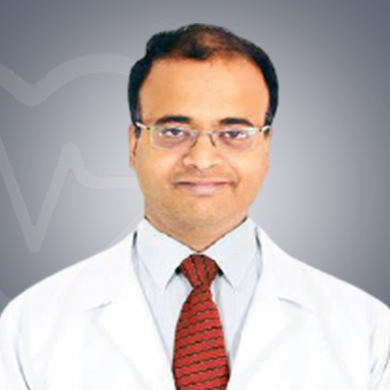
Dr. Mukundan Gangadharan
NMC Royal Hospital Sharjah, United Arab Emirates, Sharjah
Obstetrics & Gynaecologist • 24 years experience
English MalayalamDr. Mukundan Gangadharan is a specialized Gynecologist Laproscopic Surgeon in United Arab Emirates. And one of the most sought after medical specialists in Sharjah, United Arab Emirates. The doctor has over 16 Years of experience and is associated with LLH Hospital, Abu Dhabi.
Qualifications :
- MBBS from Medical College Trivandrum, Kerala University,1994
- MD (Obst & Gyn) from KEM Hospital, Mumbai University Mumbai, India in 1999
Hospital Address :
LLH Hospital Abu Dhabi - Abu Dhabi - United Arab Emirates
Do you know?
Using MediGence’s Telemedicine Platform, you can book a personalized video consultation with renowned doctors around the world

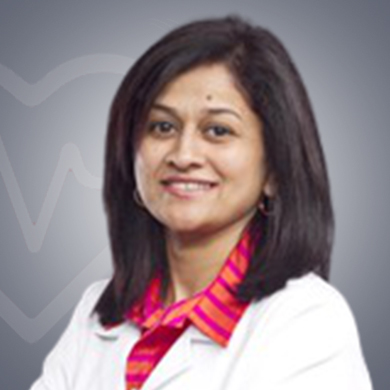
Dr. Babita Shetty
NMC Specialty Hospital, Al Nahda, United Arab Emirates, Dubai
Obstetrics & Gynaecologist • 17 years experience
English KannadaDr. Babita Shetty is a specialized Gynecologist Laproscopic Surgeon in United Arab Emirates. And one of the most sought after medical specialists in Dubai, United Arab Emirates. The doctor has over 16 Years of experience and is associated with NMC Specialty Hospital, Al Nahda.
Qualifications :
- Post graduate from Command Hospital Airforce Banglore INDIA(1998)
Hospital Address :
NMC Speciality Hospital Al Nahda Dubai - Dubai - United Arab Emirates
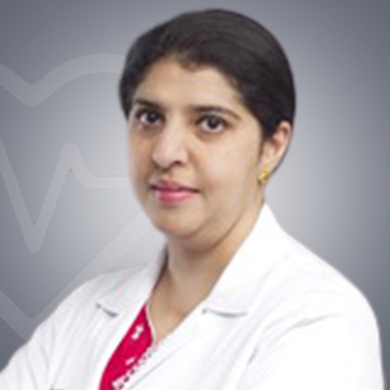
Dr. Kishwar firoz Bhamani
NMC Specialty Hospital, Al Nahda, United Arab Emirates, Dubai
Obstetrics & Gynaecologist • 16 years experience
English ArabicDr. Kishwar firoz Bhamani is a specialized Gynecologist Laproscopic Surgeon in United Arab Emirates. And one of the most sought after medical specialists in Dubai, United Arab Emirates. The doctor has over 16 Years of experience and is associated with NMC Specialty Hospital, Al Nahda.
Qualifications :
- MBBS from College of Physicians & Surgeons of Mumbai, Mumbai
- DGO from College of Physicians & Surgeons of Mumbai, Mumbai
Hospital Address :
NMC Speciality Hospital Al Nahda Dubai - Dubai - United Arab Emirates
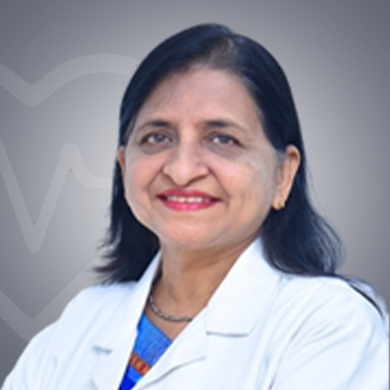
Dr. Nutan Agarwal
Artemis Health Institute, India, Gurgaon
Obstetrics & Gynaecologist • 41 years experience
Hindi EnglishDr. Nutan Agarwal is a specialized Gynecologist Laproscopic Surgeon in India. And one of the most sought after medical specialists in Gurgaon, India. The doctor has over 35 Years of experience and is associated with Artemis Health Institute .
Association and Memberships Dr. Nutan Agarwal is part of:
- Member of Society of PCOS and Metabolic Syndrome
- Member of Endocrine committee of AOGD
- Member of Delhi Society of Prenatal diagnosis
- Member of fetal medicine committee of AOGD
- Member of medical disorder committee of FOGSI
Certifications :
- Fellowship- Reproductive Medicine, Sydney, Australia
- Fetal Medicine fellowship- King College Hospital, London,UK
- Diploma in Obstetrics & Gynaecology USG- Ian Donald Medical School, Croatia
Qualifications :
- MBBS
- MD (Obstetrics & Gynaecology)
Hospital Address :
Artemis Hospitals, Sector 51, Gurugram, Haryana, India
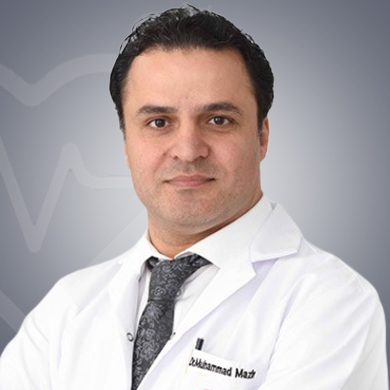
Dr. Daye Muhammad Mazen
New Hope IVF Gynaecology & Fertility Hospital, United Arab Emirates, Sharjah
Endocrinologist • 18 years experience
English Arabic RussianDr Daye Muhammad Mazen is one of the foremost Gynaecologist & Infertility Specialist in Sharjah, United Arab Emirates. The medical practitioner holds over 18 years of experience and is associated with New Hope IVF Gynaecology & Fertility Hospital.
Association and Memberships Dr. Daye Muhammad Mazen is part of:
- Syrian Medical Society
- Syrian Society of Obstetricians & Gynecologists
- Russian Association of Human Reproduction
- American Society for Reproductive Medicine (ASRM)
- European Society for Human Reproduction and Embryology
Qualifications :
- MBBS
Hospital Address :
New Hope IVF Gynaecology & Fertility Hospital, - - AL Khan Corniche Street - Sharjah - United Arab Emirates
Medical Expertise of Dr. Daye Muhammad Mazen
- Medical expertise in Male and female infertility, Reproductive Immunology, and Recurrent Implantation Failures.
- Treating and managing infertility and recurrent pregnancy losses, IVF, and laparoscopic surgical techniques.
- Dr. Mazen is credited with the publication of several prominent research papers in scientific journals.
- He is a member of SMS, SSOG, RAHR, ASRM, and ESHRE.
- Past experience includes Alashtar IVF-Center in Aleppo, Laparascopy unit in Future Hospital in Aleppo, Al Arian Hospital and Fertility Center, and Aleppo University.
- 18 years of experience in gynecological and fertility-related procedures, like surgeries, plastic surgery, and stress incontinence procedure and obstetric services.
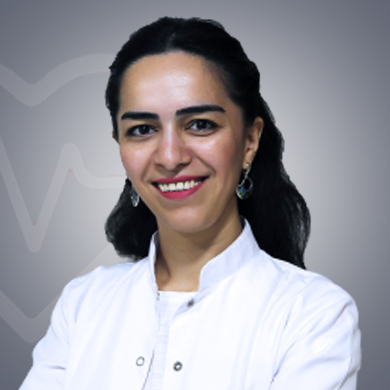
Dr. Aygun Mammad Zada
Asya Hospital, Turkey, Istanbul
Obstetrics & Gynaecologist • 12 years experience
Turkish EnglishDr. Aygun Mammad Zada is a specialized Gynecologist in Turkey. And one of the most sought after medical specialists in Istanbul, Turkey. The doctor has over 12 Years of experience and is associated with Asya Hospital.
Association and Memberships Dr. Aygun Mammad Zada is part of:
- Turkish Society of Obstetrics and Gynecology
Certifications :
- Neonatal Resuscitation Program Practitioner Certificate
- Urogynecology Academy Continuing Education Program 2nd Assistant Academy Basic Urogynecology Course Participation Certificate
- 7th National Urogynecology Congress Participation Certificate
- 7th National Urogynecology Congress Urogynecology Patient Assessment Course Certificate of Attendance
- 5th Reproductive Medicine and Surgery Association Congress Participation Certificate
- Basic Competence Programs Participation Certificate Legal Medical Intervention and Professionalism Training
- Occupational Health and Safety Training Certificate
- Ministry of Health, General Directorate of Public Health, Emergency Obstetric Clinician Training
- CISED Sexual Therapy Training
Qualifications :
- Istanbul School of Medicine, Istanbul University
Hospital Address :
Yeni, ASYA HASTANES, Cami Kars Sk., Gaziosmanpaa/stanbul, Turkey
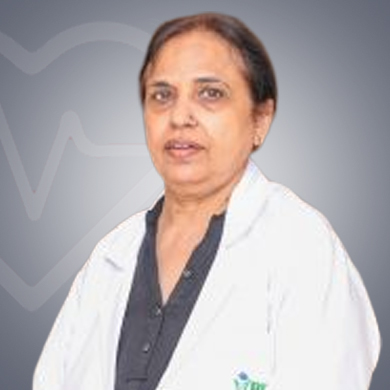
Dr. Shashi Sareen
Primus Super Speciality Hospital, India, Delhi
Endocrinologist • 51 years experience
Hindi EnglishDr Shashi Sareen is one of the best Obstetrician & Gynecologist in New Delhi, India. The clinician holds over 25 years of experience and is associated with Primus Super Speciality Hospital.
Association and Memberships Dr. Shashi Sareen is part of:
- Indian Society for Assisted Reproduction (ISAR)
- Indian Fertility Society (IFS)
- European Society of Human Reproduction and Embryology (ESHRE)
Qualifications :
- MBBS
- MD
Hospital Address :
Primus Super Speciality Hospital, Chanakyapuri, New Delhi, Delhi, India
Medical Expertise of Dr. Shashi Sareen
- Ultrasonography, Infertility, IVF, Intra-Uterine Insemination (IUI), complex delivery cases, TESA, surrogacy and managed recurrent pregnancy loss.
- Gynecological disorders like menstrual disorders, hormonal imbalances, polycystic ovary syndrome, and endometriosis.
- In the Delhi-NCR region, Dr. Shashi Sareen is a well-known gynaecologist and IVF specialist and her clinical practice spans over 26 years.
- She has worked with Dr. R K Sharma for a long time and as a Regional Medical Officer for Reproductive Medicine and IVF for the Ministry of Defence.
- She has received training in a variety of areas related to infertility and gynaecology.
- Dr. Sareen has presented papers on gynaecology and infertility at a number of conferences and has also chaired a number of academic sessions.
- Member of Indian Society for Assisted Reproduction (ISAR), Indian Fertility Society (IFS), and European Society of Human Reproduction and Embryology (ESHRE) etc.
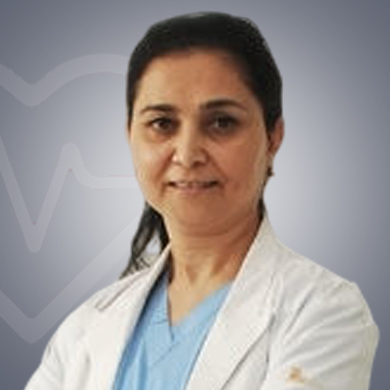
Dr. Sabhyata Gupta
Medanta - The Medicity, India, Gurgaon
Obstetrics & Gynaecologist • 23 years experience
Hindi EnglishDr Sabhyata Gupta is one of the leading Obstetrician & Gynecologist in Gurugram, India. The doctor holds over 25 years of experience and is associated with Medanta - The Medicity.
Association and Memberships Dr. Sabhyata Gupta is part of:
- Federation of Obstetrics & Gynaecology Societies of India
- European Society of Gynaecological Oncology
- Association of Gynaecologic Oncologists of India
- National Association for Reproductive & Child Health of India
- Indian Medical Association
Qualifications :
- MD
- MBBS
Hospital Address :
Medanta The Medicity, Medicity, Islampur Colony, Sector 38, Gurugram, Haryana, India
Medical Expertise of Dr. Sabhyata Gupta
- Dr. Sabhyata holds expertise in Gynaec Oncology, Colposcopy, advanced Gynaec Laparoscopy, Robotic surgery & Hysteroscopy
- Dr. Sabhyata Gupta is India's first gynaecologist to undertake Robotic Gynaecological Surgery for both malignant and benign (non-cancerous) gynaecological problems.
- Dr. Gupta has recieved âArch of Excellence Award (Medicare)â at All India Achieversâ conference, Delhi
- She has been authored a number of national and international publications
- She has participated in numerous seminars, workshops, and conferences throughout the country and internationally.
- Dr. Sabhyata is an Executive member of Association of Gynaecologic Oncologist of India, and member of the International Gynaecological Cancer Society and the European Society of Gynaecological Oncology
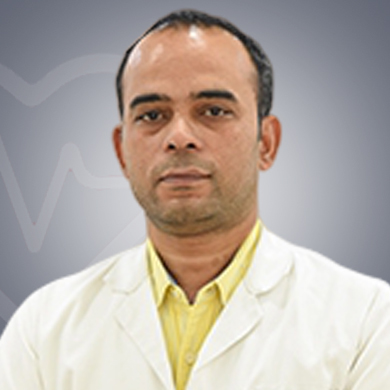
Dr. Raja Tewari
Artemis Health Institute, India, Gurgaon
Surgical Oncologist • 16 years experience
Hindi EnglishDr Raja Tewari is one of the top Surgical Oncologist in Gurugram, India. The medical practitioner holds over 13 years of experience and is associated with Artemis Health Institute .
Association and Memberships Dr. Raja Tewari is part of:
- British Society of Colposcopy and Cervical Pathology
- European Society of Gynaecological Oncology
- Royal College of Obstetricians and Gynaecologists
- Americam Association of Laparoascopic Gynaecologists
Certifications :
- ATSM- Gynaecological Oncology (East Kent Caner centre, Margate-UK)
- Gynaecological Oncology Fellow Guys & St Thomas Hospital NHS Trust, London
- Laparoscopic Gynaecological Oncology Fellow University Hospital of North Midlands, Stoke-On-Trent, UK
Qualifications :
- MS
- MBBS
- MRCOG
Hospital Address :
Artemis Hospitals, Sector 51, Gurugram, Haryana, India
Medical Expertise of Dr. Raja Tewari
- Dr. Raja specializes in Gastrointestinal Endoscopic Mucosal Resection, Ewingâs Sarcoma Treatment, Breast Cancer Treatment, Mastectomy, Lung Cancer Treatment, Brachytherapy (Internal Radiation Therapy), Hormone Therapy for Breast Cancer, Head and Neck Tumor / Cancer Surgery
- Dr. Raja Tewari is an extremely skilled, experienced & reputed surgical & gynecology oncologist in Gurugram, India
- He received his gynaecological oncology training at the East Kent Cancer Center in the United Kingdom.
- He is a member of the Royal College of Obstetricians and Gynecologists, London, European Society of Gynecological Oncologist, American Association of Laparoscopic Gynecologists and British Society for Colposcopy and Cervical Pathology.
- He completed a fellowship in gynecological oncology and laparoscopic gynecological oncology from Guyâs and St Thomas Hospital, London and University Hospital of North Midlands, UK.
- He has won many awards & recognitions, and considered as one of the leading cancer specialists in India
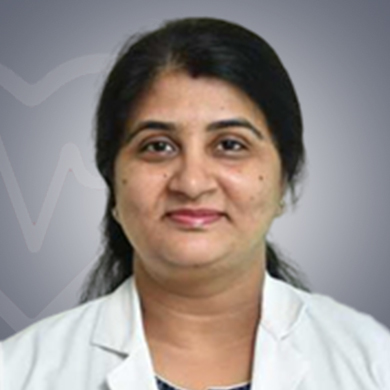
Dr. Priyanka Mishra
Artemis Health Institute, India, Gurgaon
Obstetrics & Gynaecologist • 19 years experience
Hindi EnglishDr Priyanka Mishra is one of the leading Obstetrician & Gynecologist in Gurugram, India. The medical specialist holds over 15 years of experience and is associated with Artemis Health Institute .
Association and Memberships Dr. Priyanka Mishra is part of:
- Association of Gynaecologist of Delhi
- Federation of Obstetrics & Gynaecologist of India
- Society of Endoscopic and Laparoscopic Surgeons of India
Qualifications :
- MBBS
- MS
Hospital Address :
Artemis Hospitals, Sector 51, Gurugram, Haryana, India
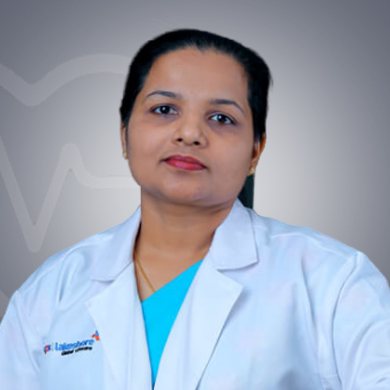
Dr. Smitha Joy
VPS Lakeshore Hospital, India, Kochi
Obstetrics & Gynaecologist • 15 years experience
Malayalam EnglishDr Smitha Joy is one of the top Obstetrician & Gynecologist in Kochi, India. The clinician holds over 17 years of experience and is associated with VPS Lakeshore Hospital.
Qualifications :
- MS
- DGO
- DNB
- MRCOG
Hospital Address :
VPS Lakeshore Hospital, Nettoor, Maradu, Ernakulam, Kerala, India
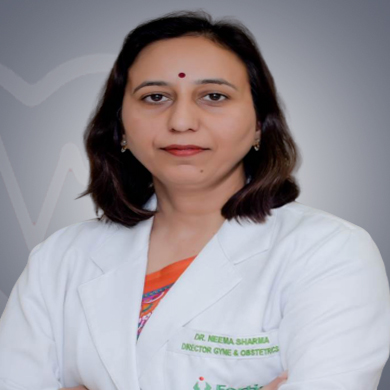
Dr. Neema Sharma
Fortis Flt. Lt. Rajan Dhall Hospital, India, Delhi
Obstetrics & Gynaecologist • 28 years experience
Hindi EnglishDr Neema Sharma is one of the top Obstetrician & Gynecologist in New Delhi, India. The doctor holds over 24 years of experience and is associated with Fortis Flt. Lt. Rajan Dhall Hospital.
Association and Memberships Dr. Neema Sharma is part of:
- Royal College of Obstetrics and Gynaecology (UK)
- Association of Obstetricians and Gynaecologists of Delhi. Life Member No. UN-725
- Federation of Obstetricians and Gynecologists of India
Qualifications :
- MBBS
- MD
- MRCOG
Hospital Address :
Fortis Flt. Lt. Rajan Dhall Hospital, Vasant Kunj, Pocket 1, Sector B, Vasant Kunj, New Delhi, Delhi, India
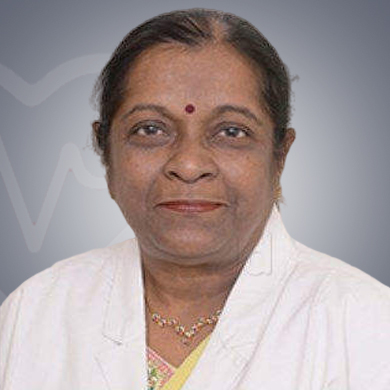
Dr. Pratibha Singhal
Cloudnine Hospital, India, Noida
Obstetrics & Gynaecologist • 47 years experience
Hindi EnglishDr Pratibha Singhal is one of the most skillful Obstetrician & Gynecologist in Noida, India. The medical specialist holds over 38 years of experience and is associated with Cloudnine Hospital.
Association and Memberships Dr. Pratibha Singhal is part of:
- Association of Obstetricians & Gynaecologists of Delhi (AOGD)
- Noida Obsrtetitc and Gyanecological Sociey
Qualifications :
- MBBS
- DGO
- MD
Hospital Address :
Cloudnine Hospital - Noida, Hoshiarpur Village, Sector 51, Noida, Uttar Pradesh, India


